The Material World of Modern Segregation

Howard-Evans Place

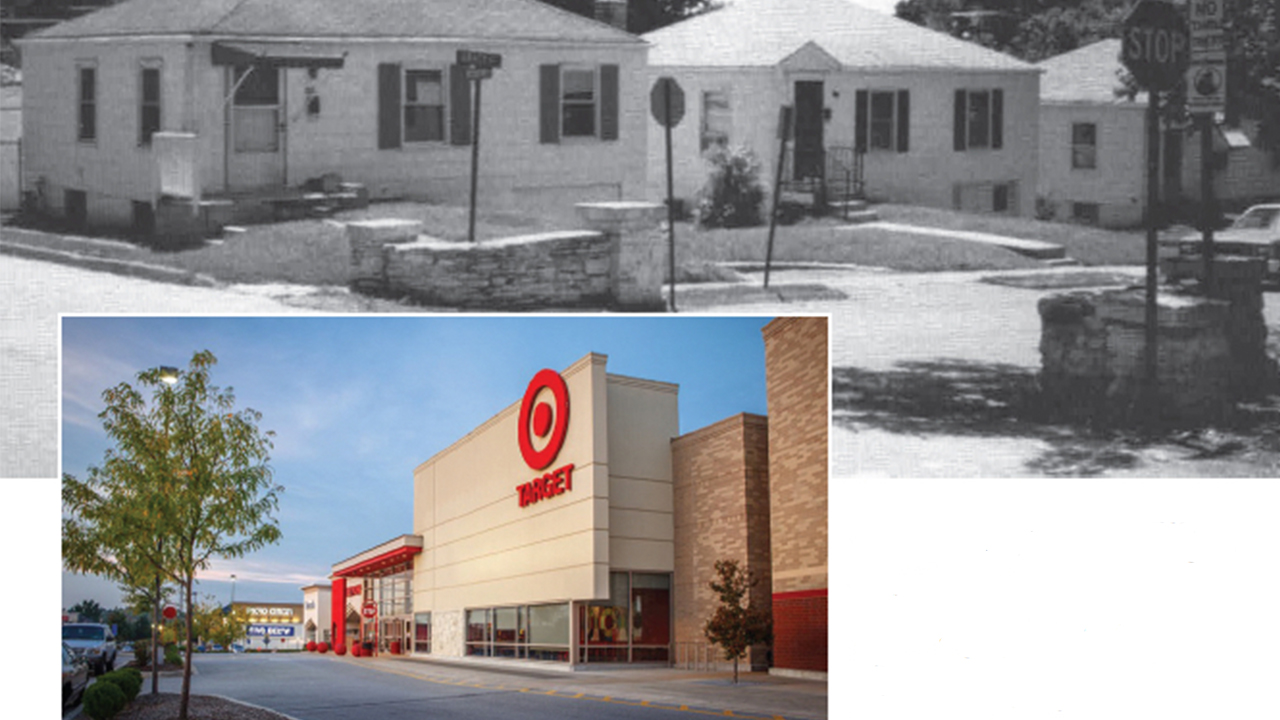
The only physical reminder that Howard-Evans Place once existed is a boulder with a commemorative plaque at the back entrance to The Promenade at Brentwood shopping center, which now stands in the neighborhood’s place. Purchased with Brentwood City funds as a gesture of goodwill, the boulder instead generates hard feelings among some former residents and stands as a cold reminder that a large part of Brentwood’s history was razed for retail.
The Façade of Redevelopment

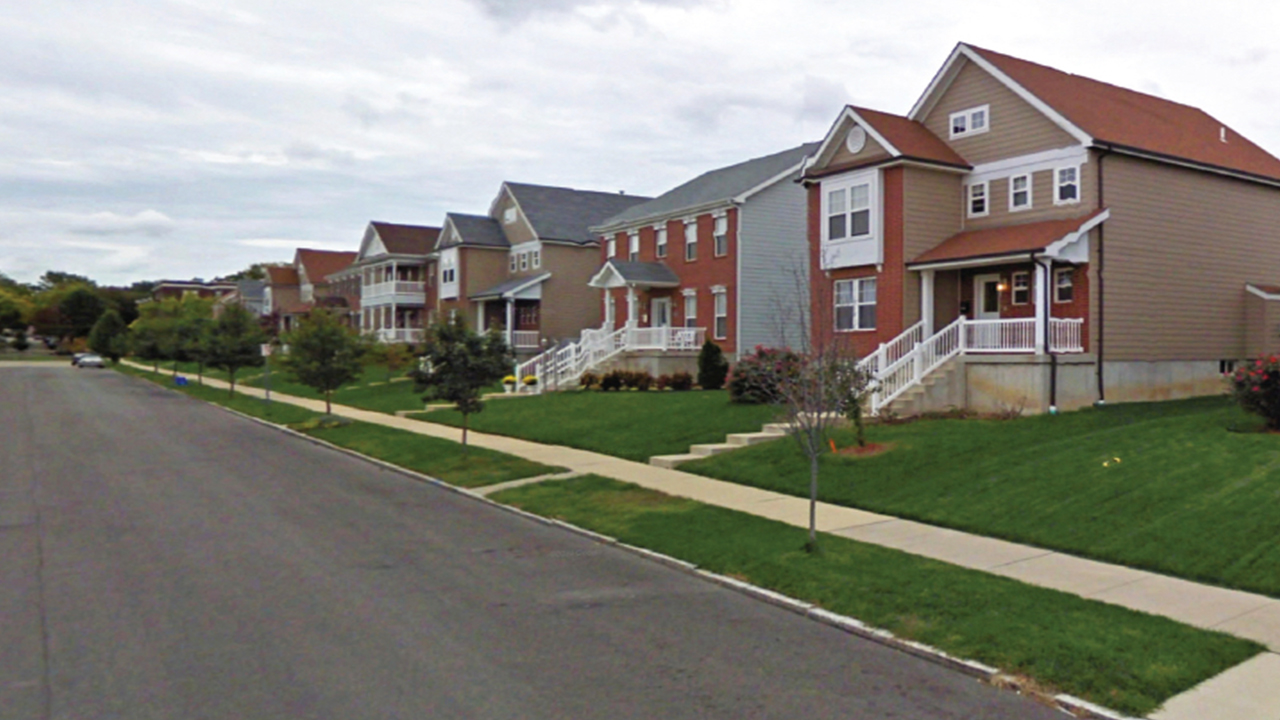
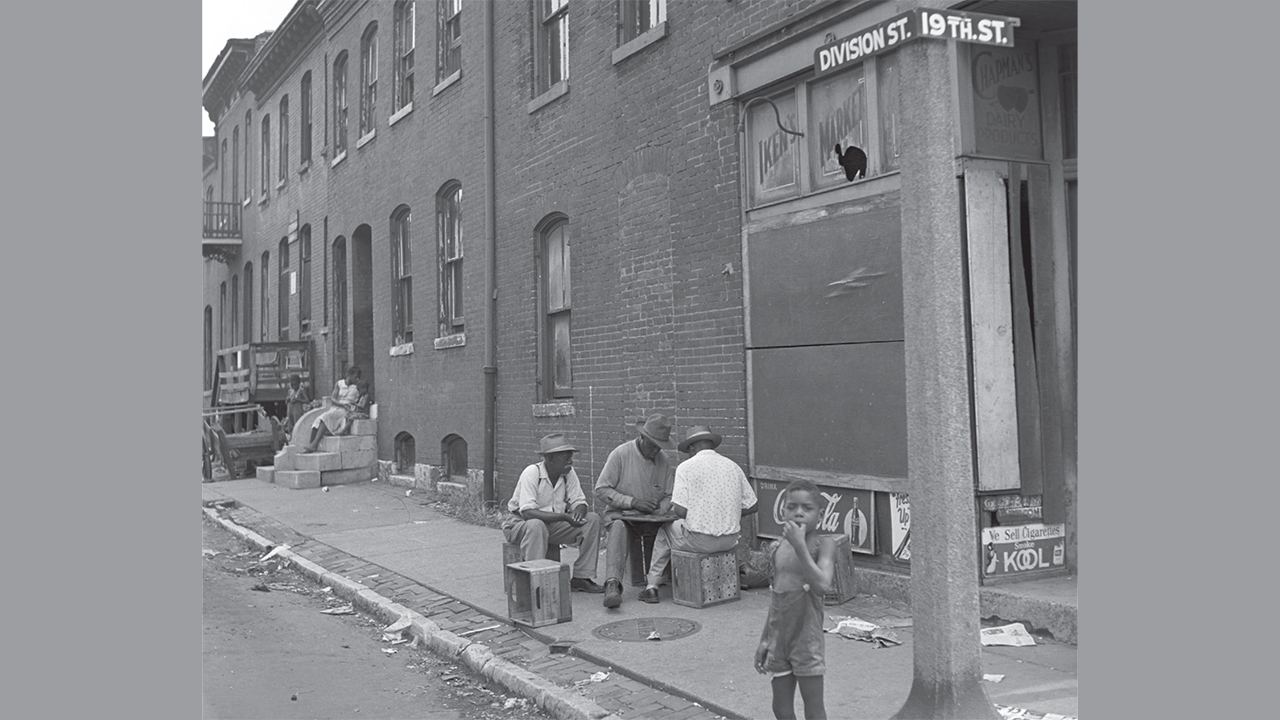
So what are the tools and ideas that made it ok—at least from somebody’s perspective—to remove hundreds of people from their homes under claims of progress and revitalization? What made it ok to level affordable, multi-family units that were so well-made and so important to the city’s history of industry and labor that they were listed on the National Register of Historic Places? And then to replace them with cheap construction of larger, more expensive, single-family homes? Why does wholesale clearing persist if we know, based on the lessons long learned and documented, from redlining and urban renewals to predatory loans, that clearing and exploitation are forms of racial injustice?

Skip to content