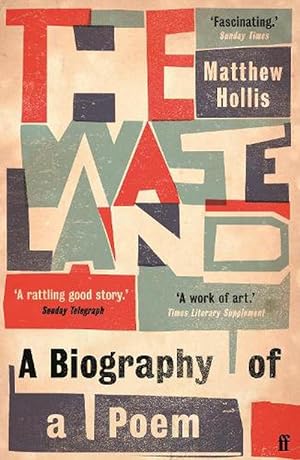
Eliot’s Greatest Poem and His antisemitism
Hollis not only documents the history of the poem’s production and this moment in time–he allows himself, for better and for worse, to get swept up in the drama.
Hollis not only documents the history of the poem’s production and this moment in time–he allows himself, for better and for worse, to get swept up in the drama.

Funeral sermons for poetry seldom discuss, in detail, a single poem. This is a problem of reception, not of poesis, or making. I offer, here, under a perhaps too-pithy conceit, the antidote: a hyper-close, even seemingly rudimentary, close reading of ten poems from the past ten years that I believe offer glimpses of the most vital work in today’s poetry.
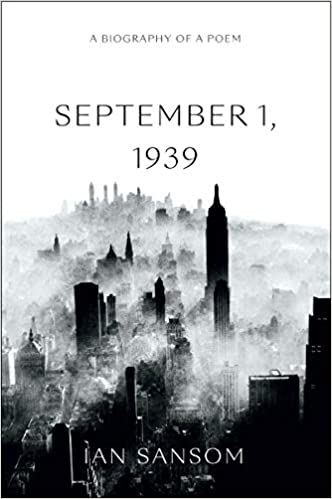
While Sansom’s September 1, 1939 professes to be a biography of Auden’s poem, the result borne out by the actual structure of Sansom’s text and the nature of its many self-reflective digressions complicates that goal.
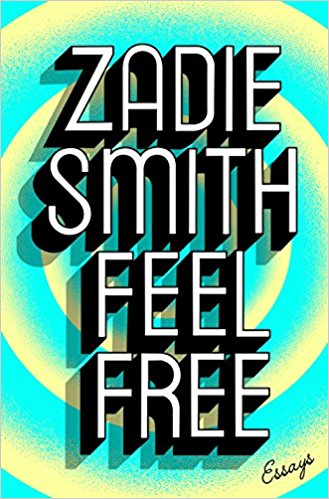
Both of Zadie Smith's essay collections—Changing My Mind and Feel Free—feature extraordinary writing, but Feel Free has a more constantly deeply considered point of view and a wider gathering of material.