
Helping My Friend’s Garden Grow
Rocks and stones are reality agents, signifying only their own existence. Irreality stems from perception, thought, and language. In this respect, stones are easy; people and their choices are hard.
Rocks and stones are reality agents, signifying only their own existence. Irreality stems from perception, thought, and language. In this respect, stones are easy; people and their choices are hard.
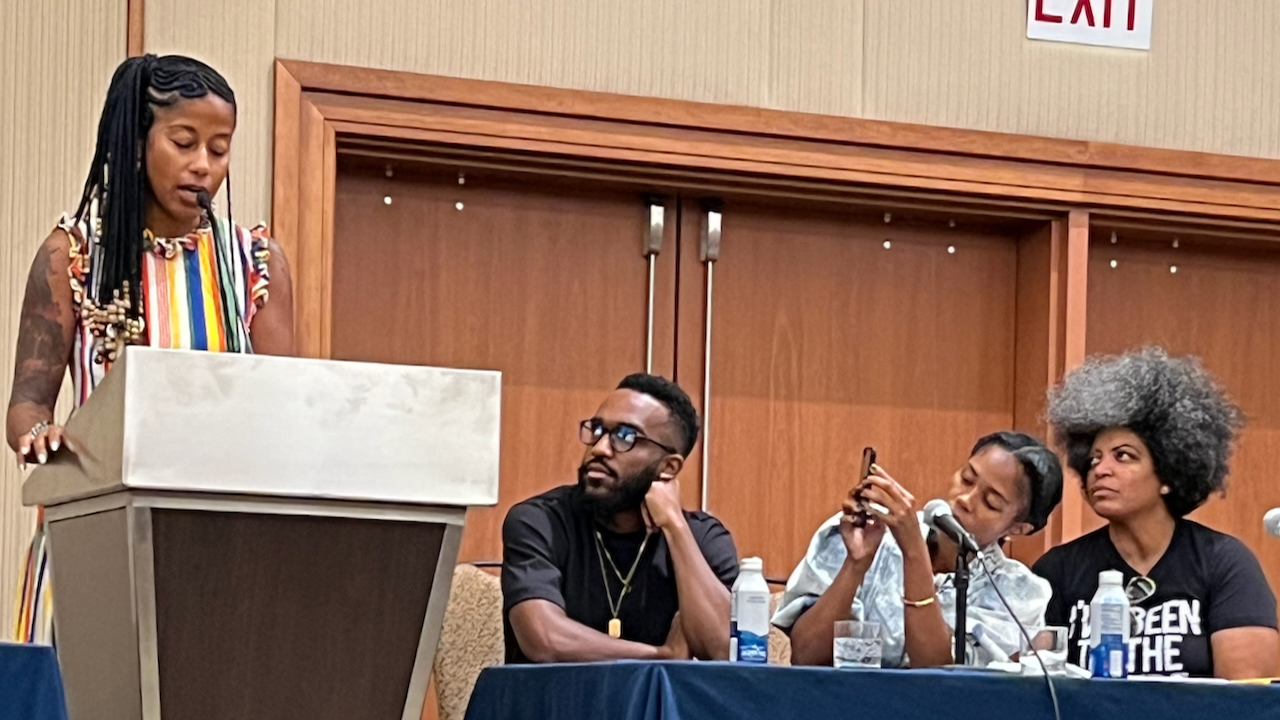
Attendees of Socialism 2023, a four-day conference in Chicago over Labor Day weekend, wanted freedom from the existing system but admitted its dominion (the “dom” in “freedom”) and the movement’s current lack of large-scale agency in it.
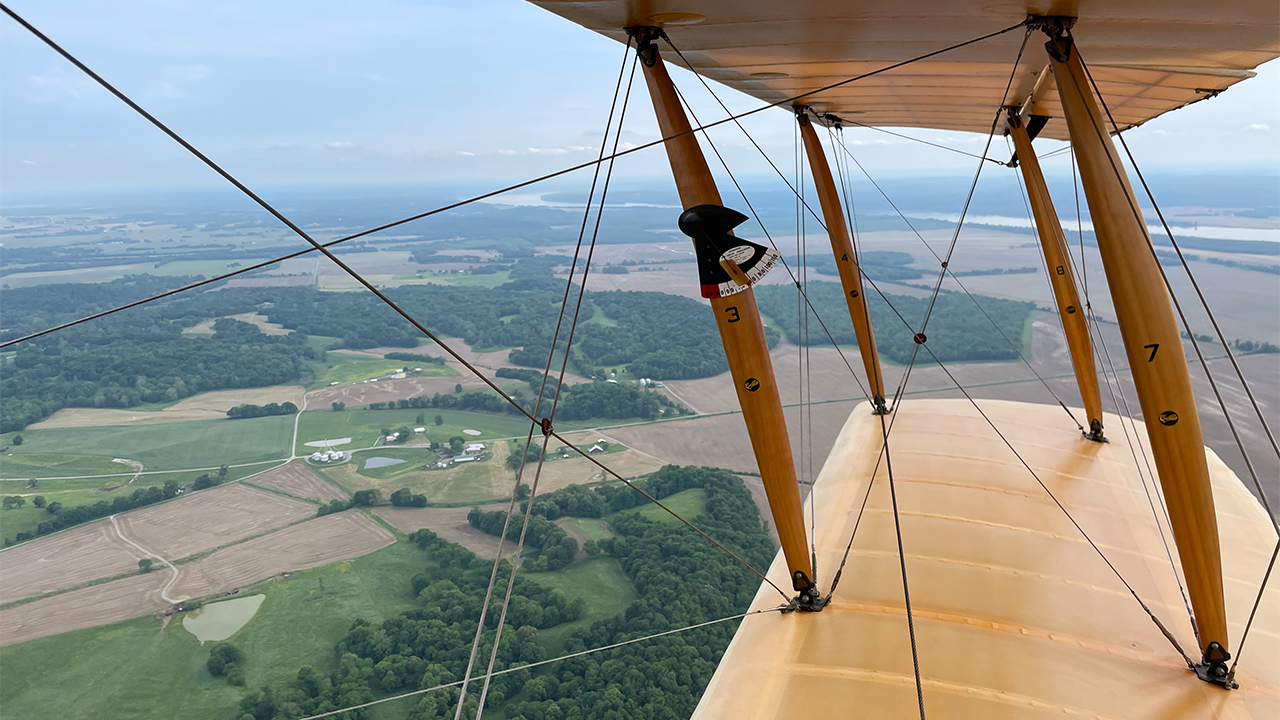
In layman’s terms, there were only six airworthy Jennys in the United States; now there are five.
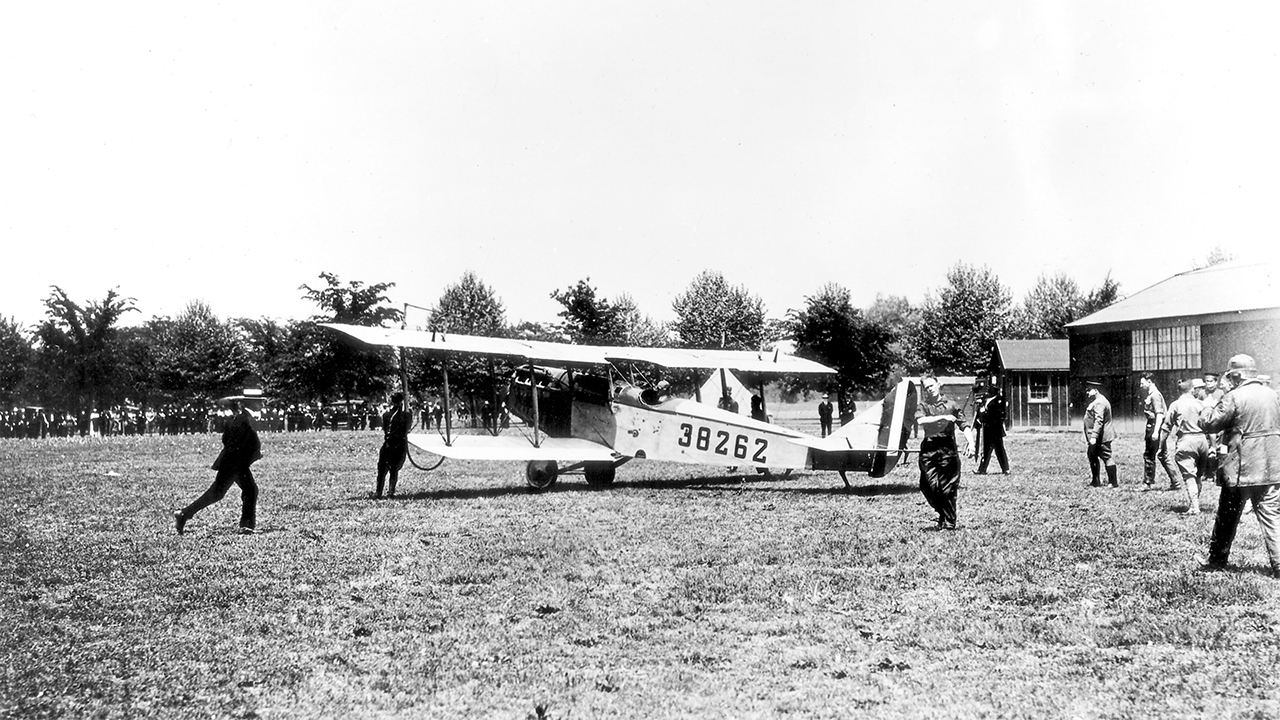
It was all safe as houses, and twice as fun—an opportunity of a lifetime, and powerful enough an experience that I still have a hard time overlaying it on my childhood dreams of flying in a Jenny. For now, let me say that on this day a complicated little freedom machine called the Jenny—built to aid warfare, at once fragile and powerful in its utility, and as beautiful as a moth in the daylight—transported me through time and space and let me return to people I love.
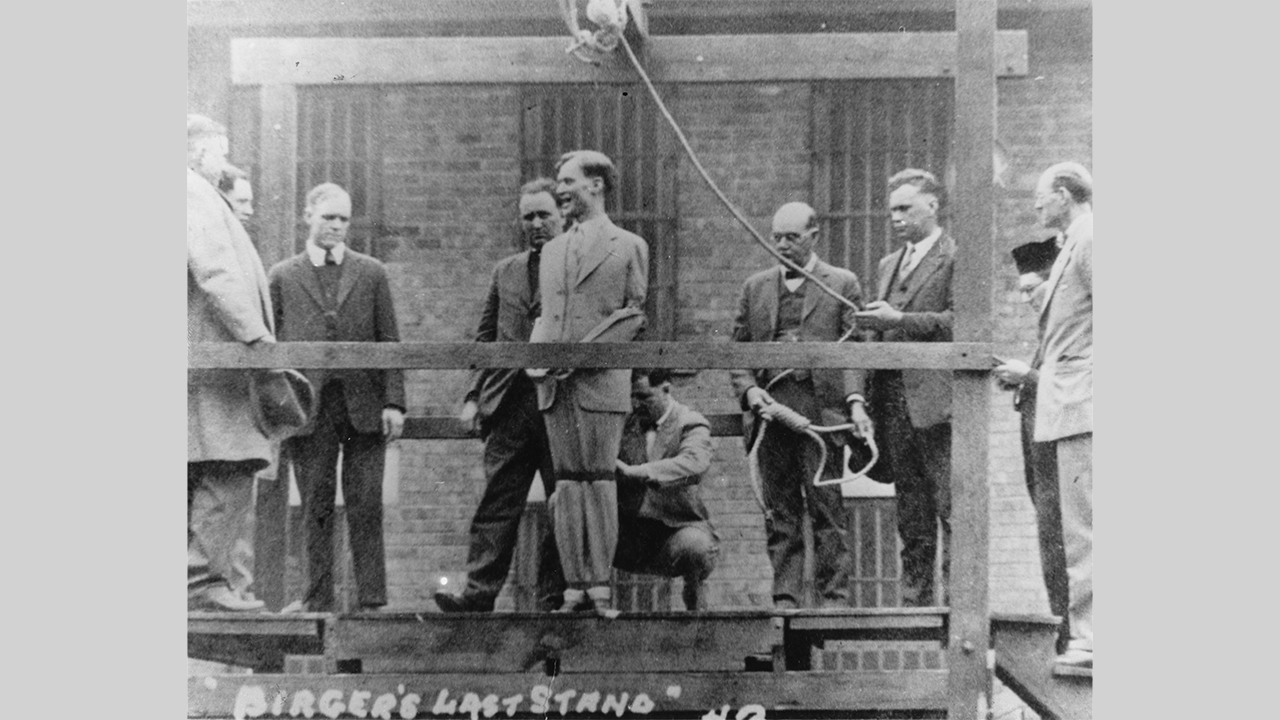
I have come to my own conclusions about the meaning of the event, and using the narratory and rhetorical tricks of a writer and former teacher I may temporarily make you think you agree. But I stand here filled with distrust of stories in general, having waded through so many of them. It is a time of strong beliefs in shallow stories.
In the hogan I was miserable, not enlightened, felt funky and slimed. All the individual animal and species sins poured out of me, not as catharsis or healing, but as reminder and irritant, and I did not believe in sin. This was not my culture, my ceremony, my victory, my tribe. It was like being put to death slowly and humiliatingly for my presumption.
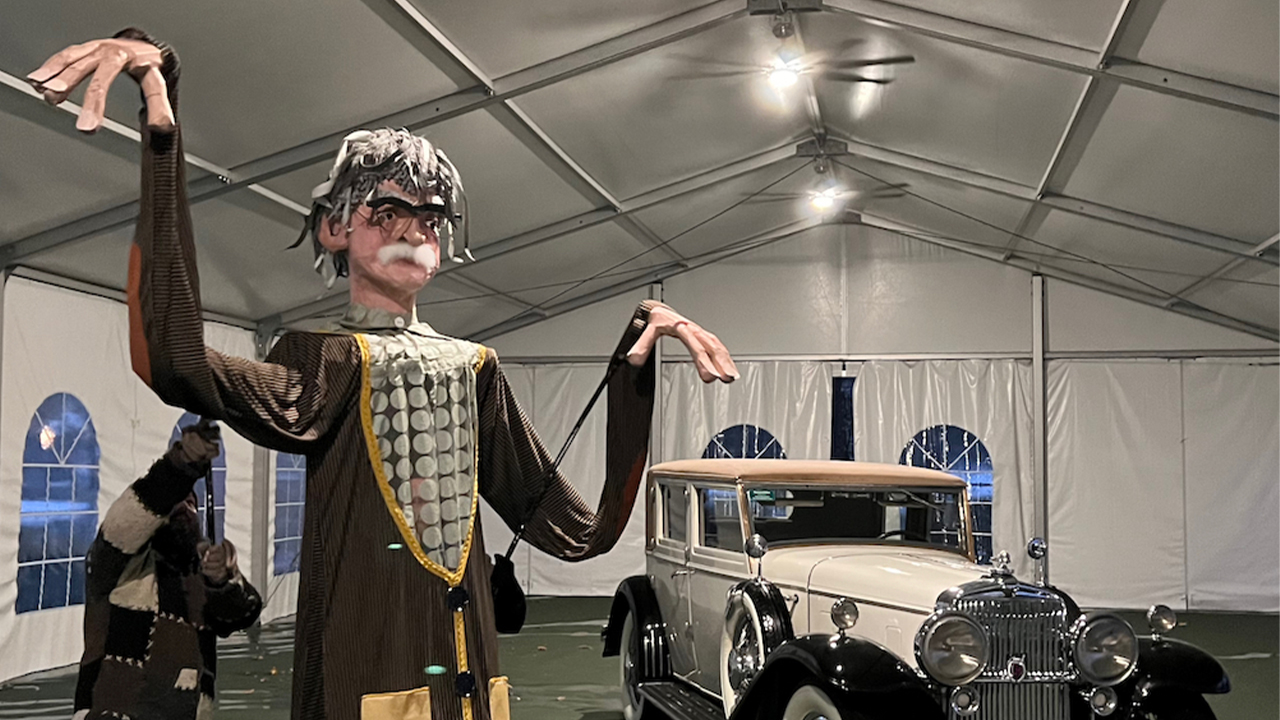
A “Year of Vonnegut” was declared in Indy in 2007, but that was deflated by his death that year. Given the centenary, it seemed as if there should be more going on, and that got me thinking about legacy from the start.

The reason for being of the book, and one of its dramatic thrills, is that these two friends not only did not fall to the wayside but have endured. They also both pointed the way to the future.

The idea of CPAC made me sore afraid, so of course I wanted to go. I felt like the boy in the daguerreotype who has climbed a tree in order to better view the state funeral cortege.
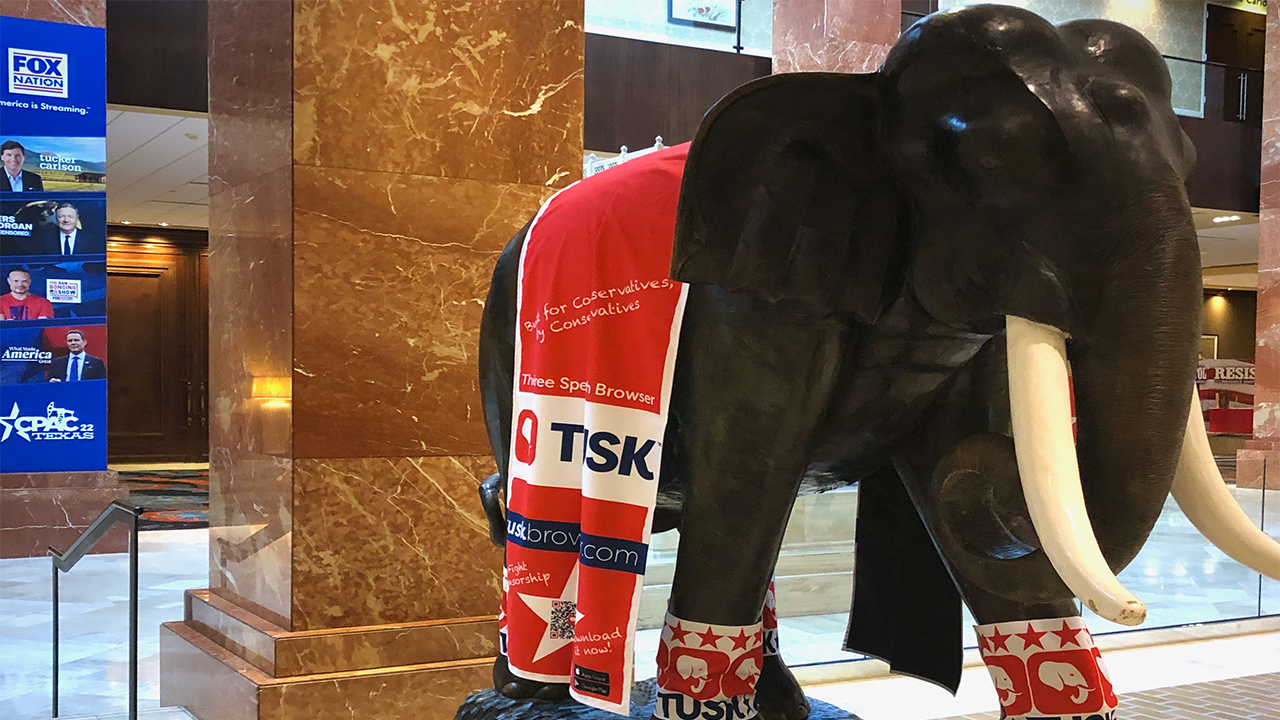
Distrustful of (some) digital technology, yet resentful of the power others might gain by its use, CPAC attendees were asked almost nonstop to consume “conservative” or “alt-tech” technologies. In the hours-long general sessions each day, in a ballroom with thousands of chairs, flashy, high-tech displays showed video ads between every speaker or panel—for The Right Stuff (“a dating app for the right wing”), Tusk (“The Freedom-First Web Browser developed exclusively for Conservatives”), Parler (a “free speech” clone of Twitter), FourSure (“a powerful remote control for the content you already share” so you “Don’t get hacked or canceled”), and other tech companies.