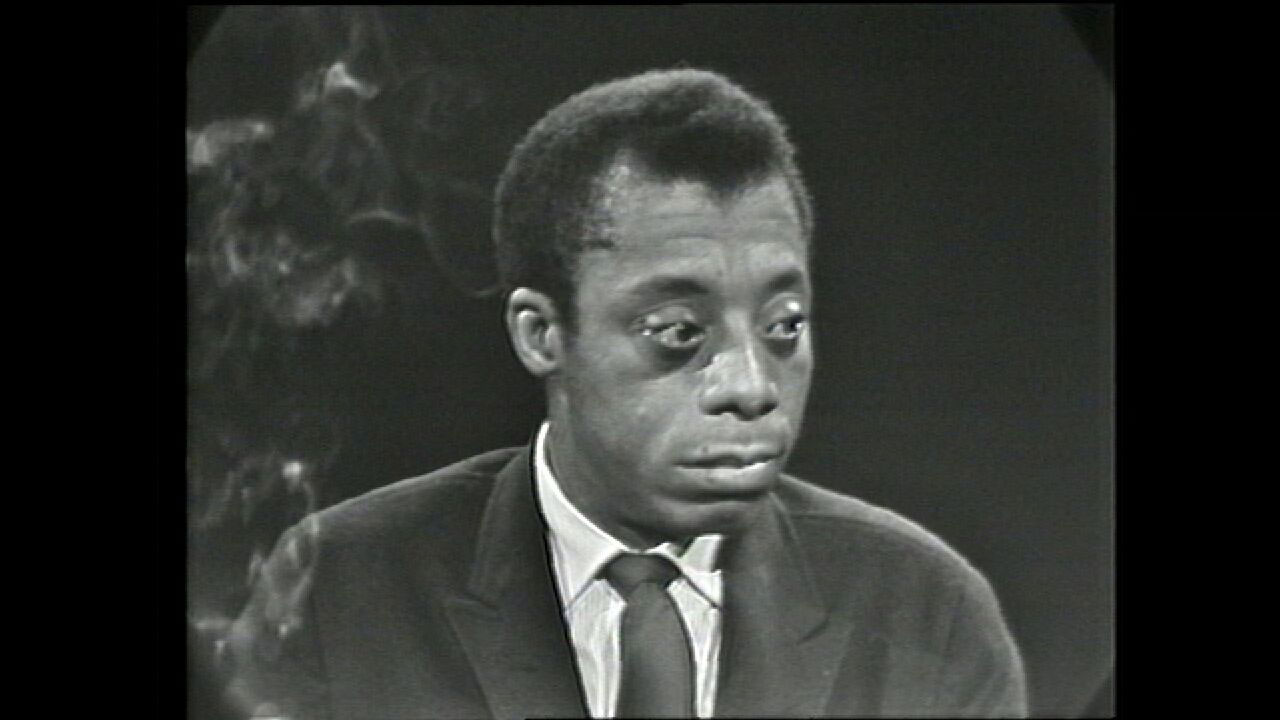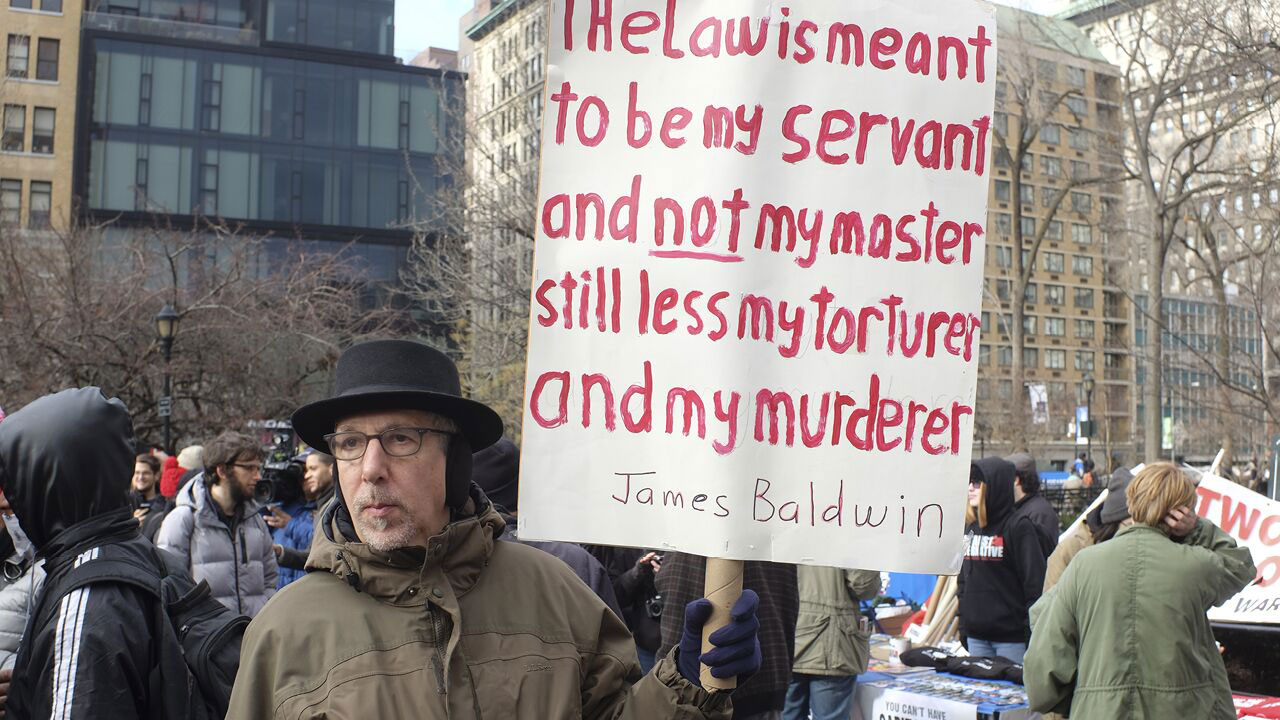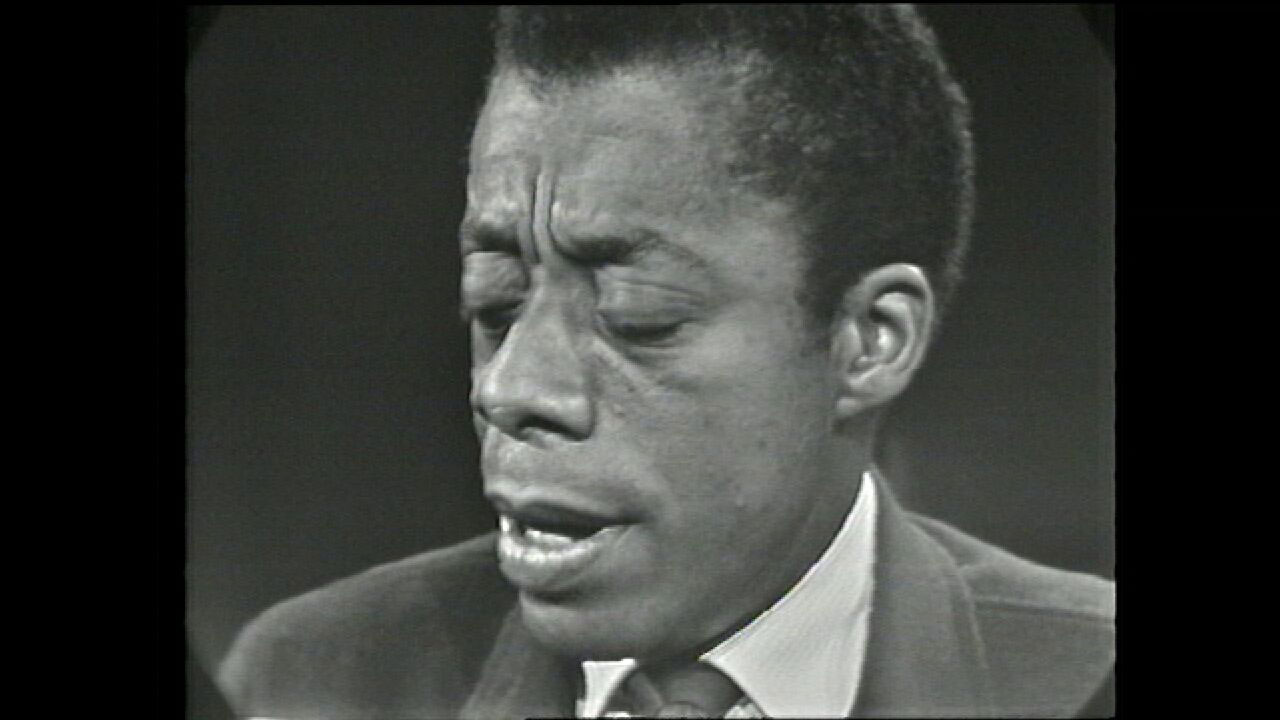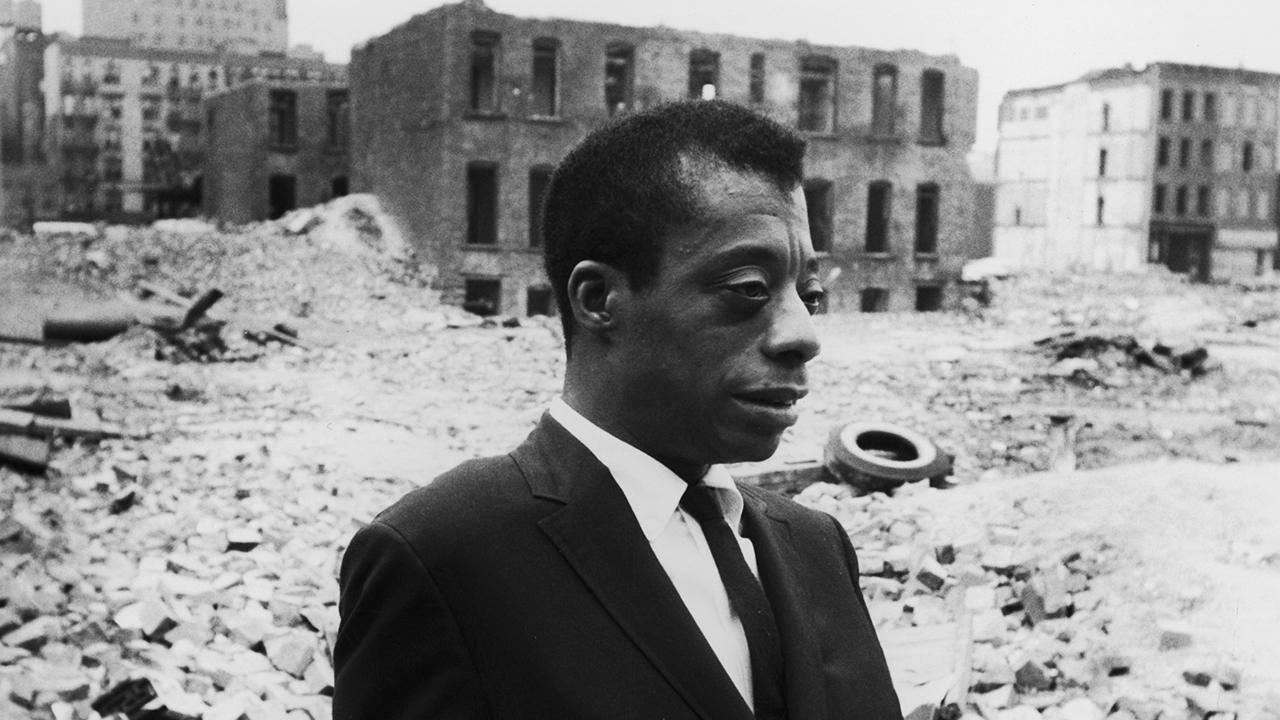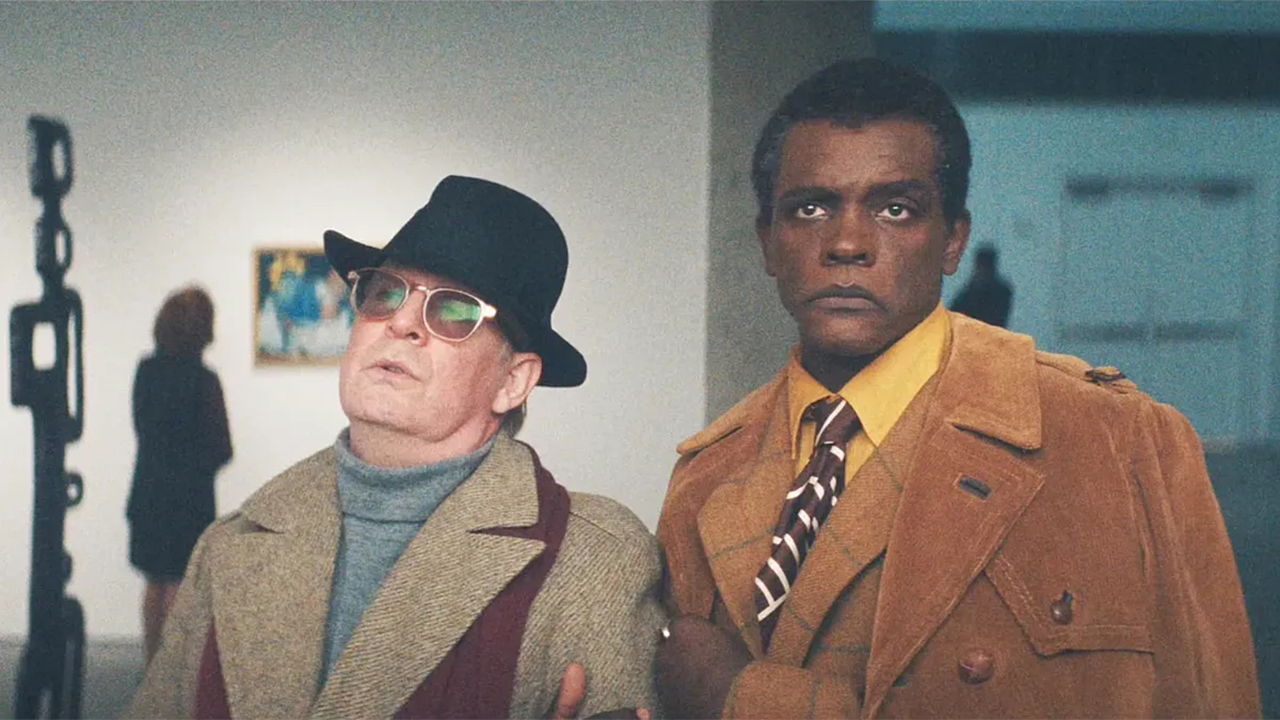
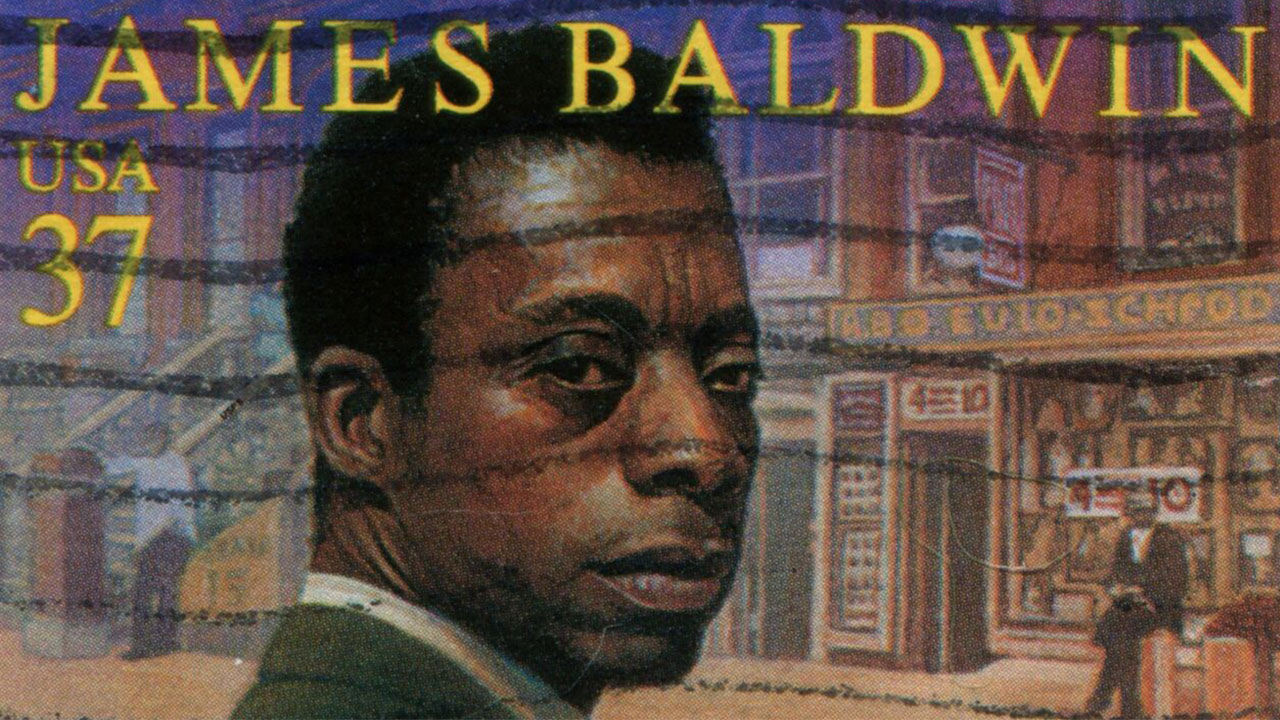
James Baldwin

Truman Capote and James Baldwin

James Baldwin and Truman Capote

In 1976, James Baldwin showed up in Berkeley to visit me and we hung out and had a great time. Although he never mentioned Truman Capote, I am willing to bet that if I had asked him he would have said, “Yeah, I stopped off to see if you were here to see him on my way out of New York.” The fictional truth is a greater truth than any that we have in real life.
Preface

The suit, with its travels and meanings—an object imbued with memories of love and trauma, a symbol of rupture and connection between self and other, self and personal past, self and national history—represents a fitting way to frame a group of essays about Baldwin and democracy.

With James Baldwin at the Welcome Table

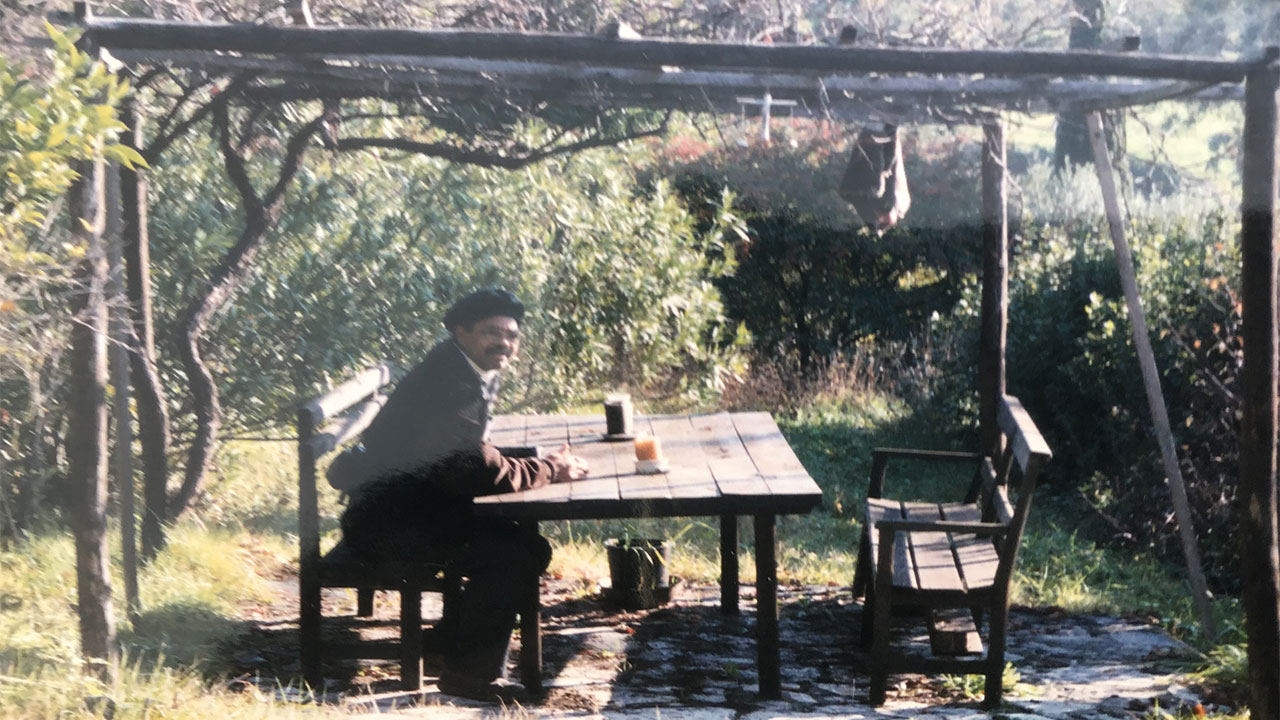
Apparently, Jimmy had been given an advance of $100,000 for If Beale Street Could Talk with the promise of another $200,000 on completion. I gathered that he was anxious to get it done. It seemed as if he needed the seclusion of this special place to write about the tragic life of black Americans.

Is Democracy Possible Today?

The thrill was in the prose, in Baldwin’s capacity to wed the intimate and the universal and to make of his life an offering to generations of readers, including those whose experiences were far removed from his own. But the destabilization mattered more. Baldwin’s language upended the order of my understanding, as a political theorist-in-training, and as a white American.

Sounding Out of Trauma

Baldwin’s love and hope for true democracy is most clear in his consistent attention to black music throughout his work. Especially in “Sonny’s Blues,” Baldwin underscores the importance of music in embodying and relating racialized trauma.

“Don’t Do It, Jimmy”

Although Baldwin did not relish the opportunity to sit across a table from James Jackson Kilpatrick, he felt duty-bound to do so. His example can teach us something valuable about the nature of our duty to confront racism in our own time.

Skip to content