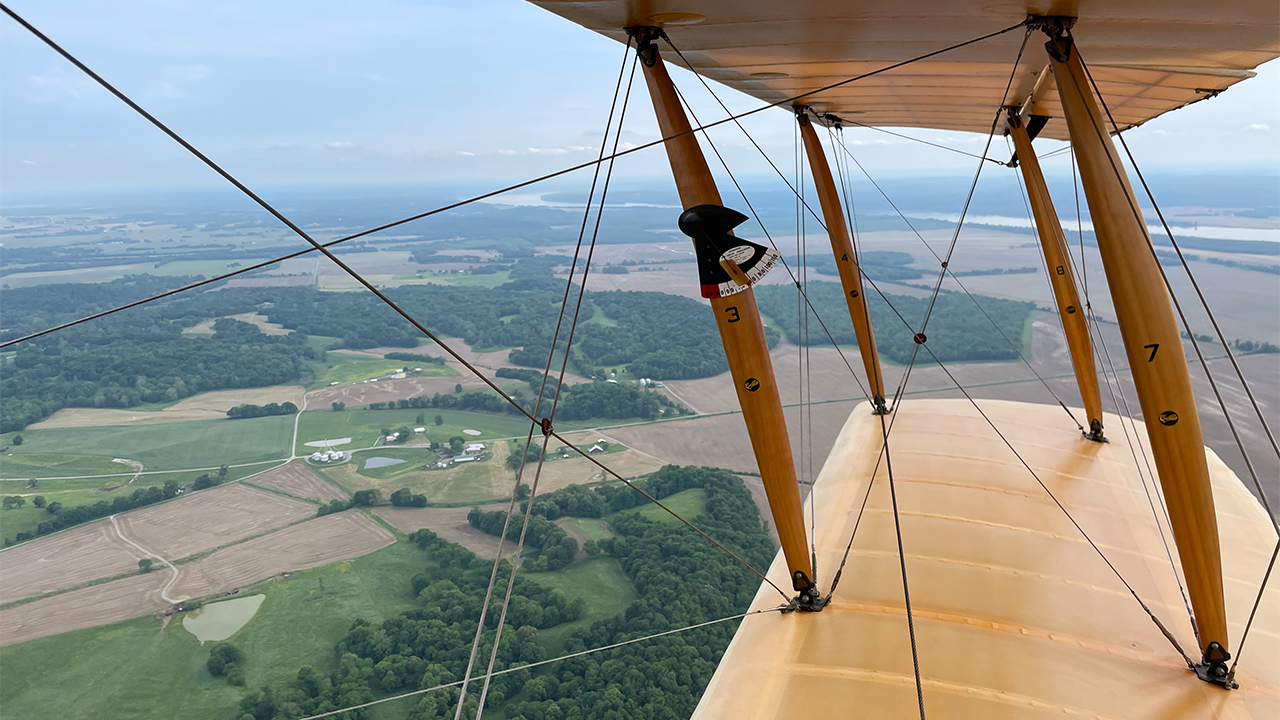
An Adventure in Vintage Flying or the Long Way Home for a Martini
In layman’s terms, there were only six airworthy Jennys in the United States; now there are five.
In layman’s terms, there were only six airworthy Jennys in the United States; now there are five.
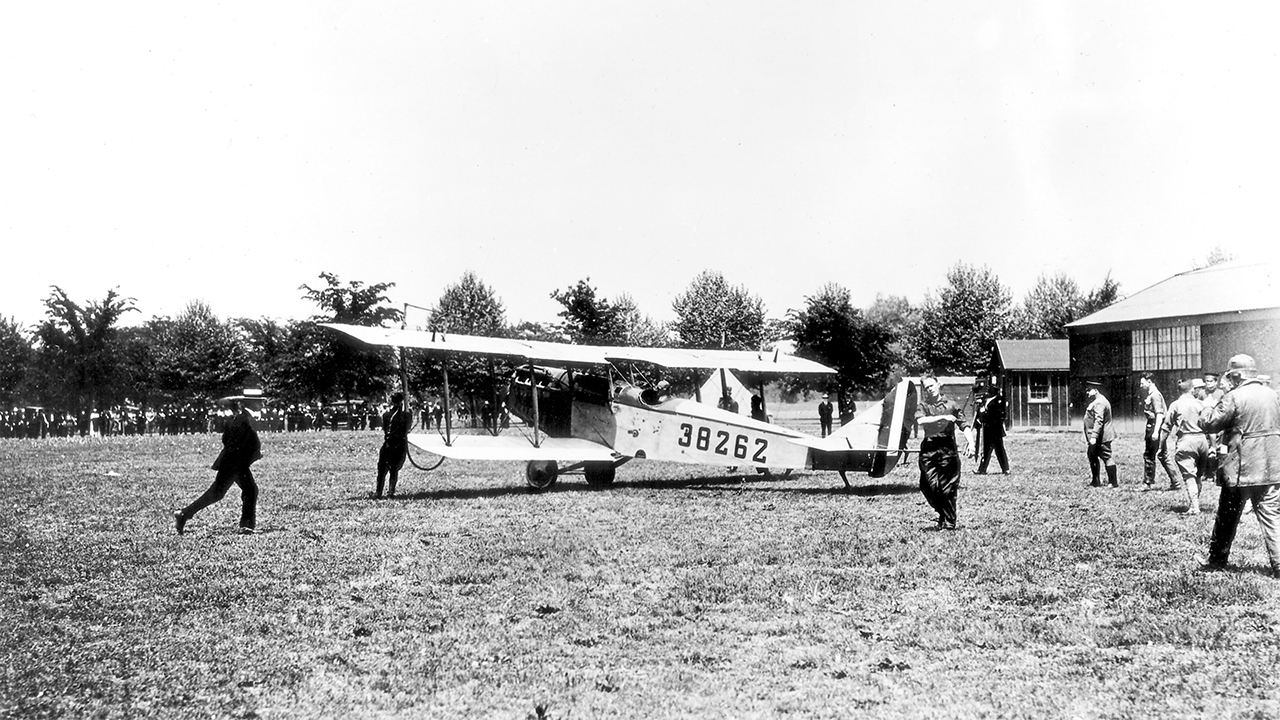
It was all safe as houses, and twice as fun—an opportunity of a lifetime, and powerful enough an experience that I still have a hard time overlaying it on my childhood dreams of flying in a Jenny. For now, let me say that on this day a complicated little freedom machine called the Jenny—built to aid warfare, at once fragile and powerful in its utility, and as beautiful as a moth in the daylight—transported me through time and space and let me return to people I love.
I have come to my own conclusions about the meaning of the event, and using the narratory and rhetorical tricks of a writer and former teacher I may temporarily make you think you agree. But I stand here filled with distrust of stories in general, having waded through so many of them. It is a time of strong beliefs in shallow stories.
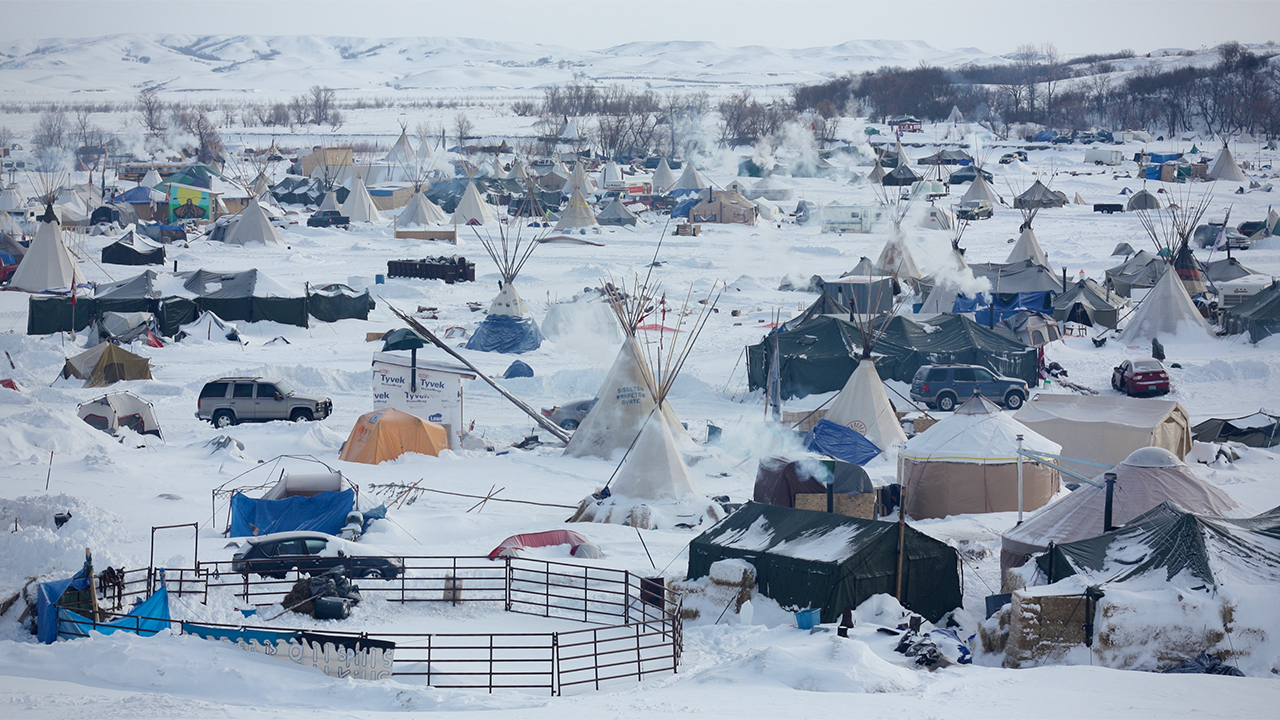
In the hogan I was miserable, not enlightened, felt funky and slimed. All the individual animal and species sins poured out of me, not as catharsis or healing, but as reminder and irritant, and I did not believe in sin. This was not my culture, my ceremony, my victory, my tribe. It was like being put to death slowly and humiliatingly for my presumption.
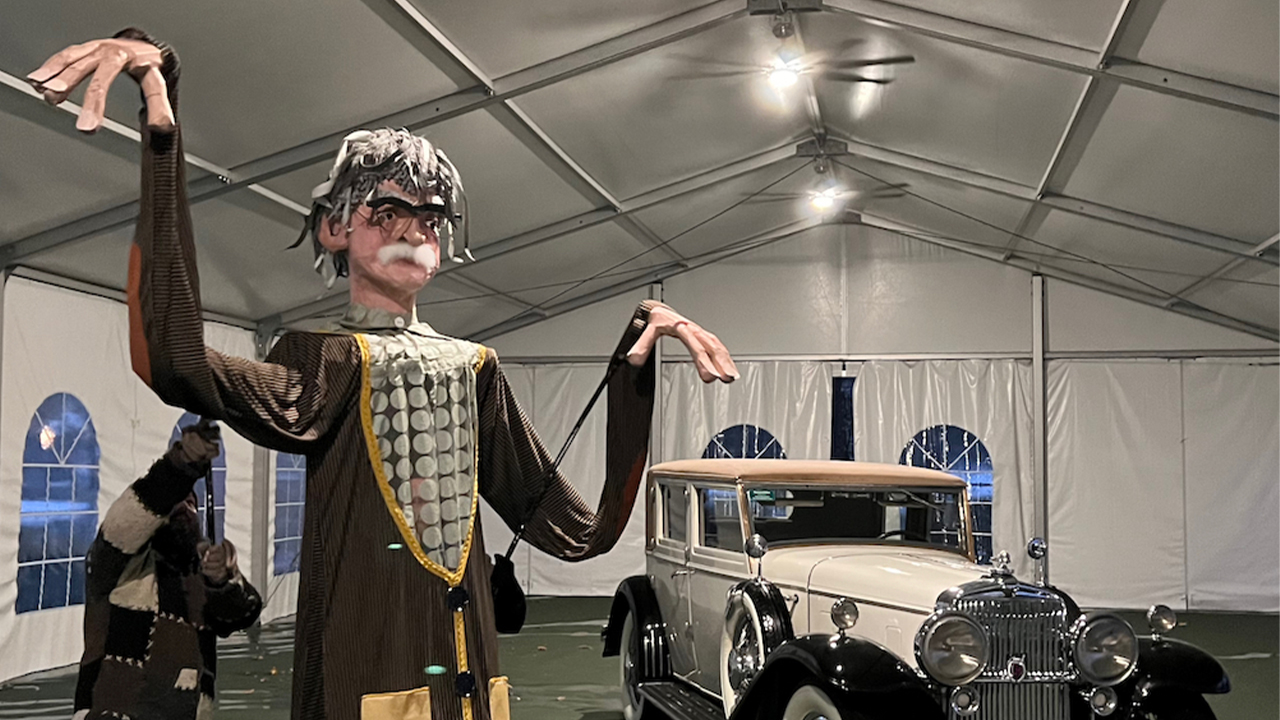
A “Year of Vonnegut” was declared in Indy in 2007, but that was deflated by his death that year. Given the centenary, it seemed as if there should be more going on, and that got me thinking about legacy from the start.
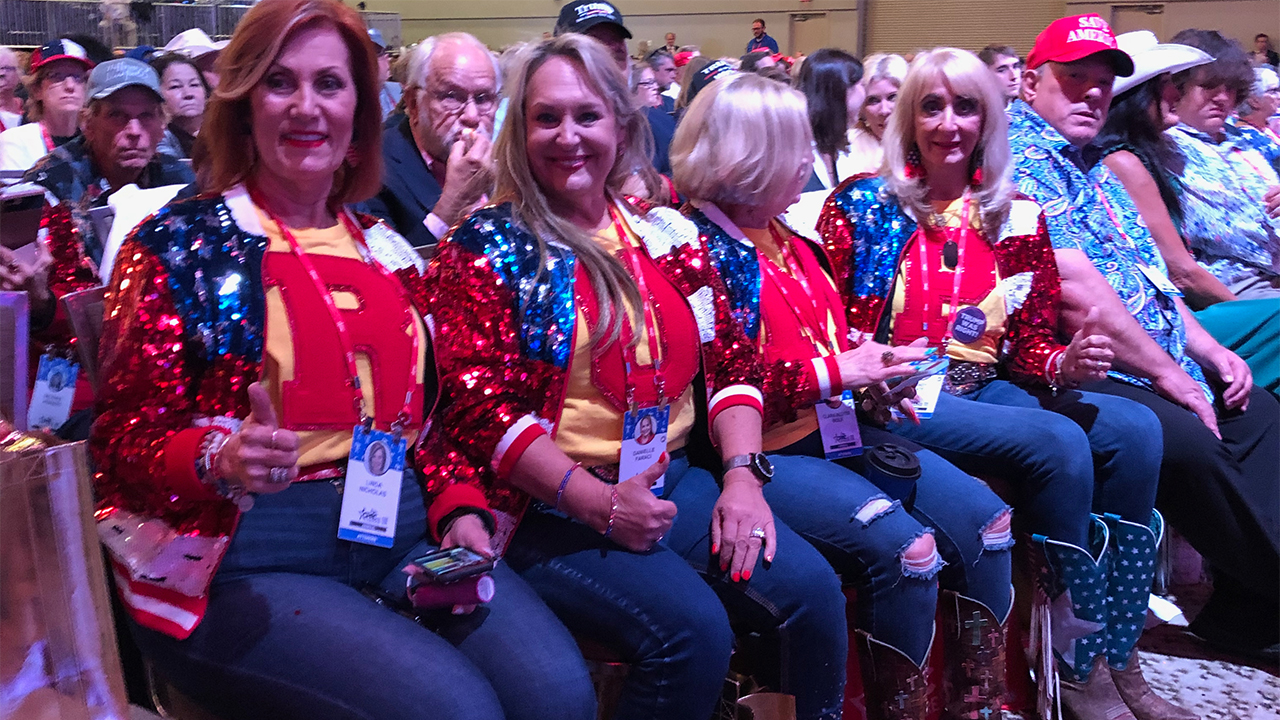
The idea of CPAC made me sore afraid, so of course I wanted to go. I felt like the boy in the daguerreotype who has climbed a tree in order to better view the state funeral cortege.
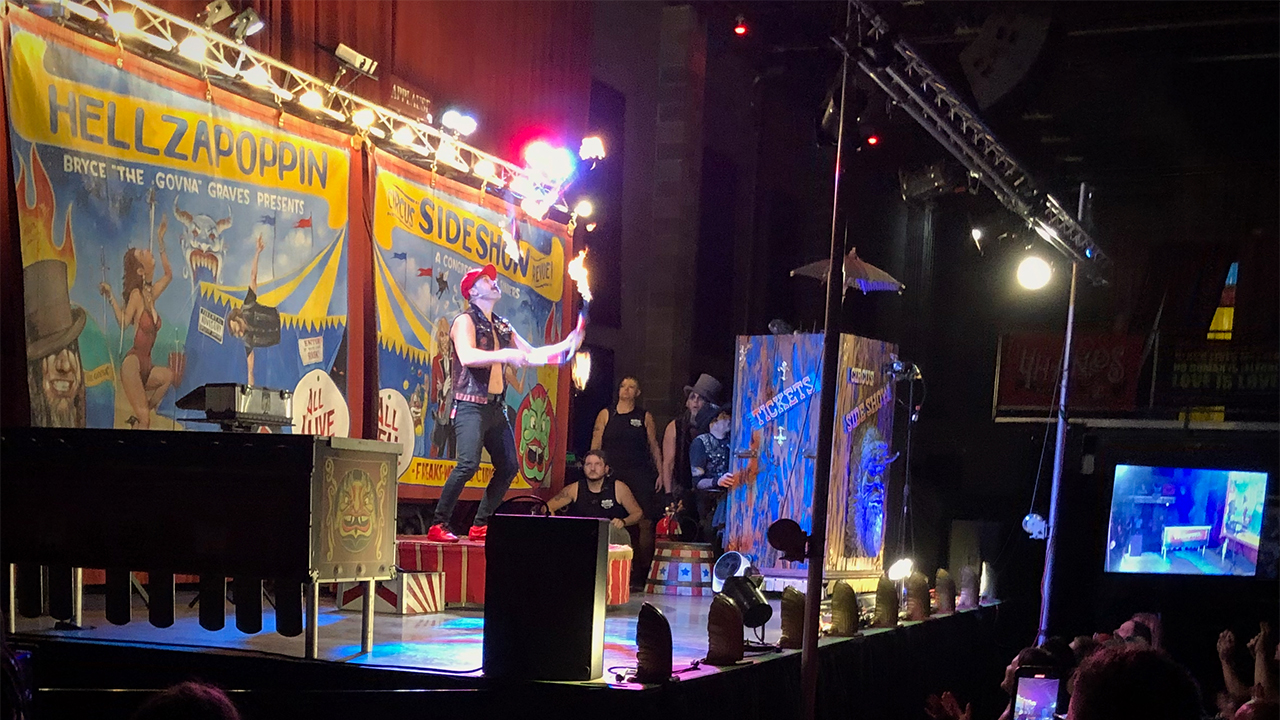
In the way that burlesque, roller derbies, and tattooing and other body modifications were reclaimed in the postmodern age (though not without detractors), sideshows and freak shows have tried to become something different than their earlier iterations. Many say they intend to be inspirational, empowering, and to realign conceptions about difference.
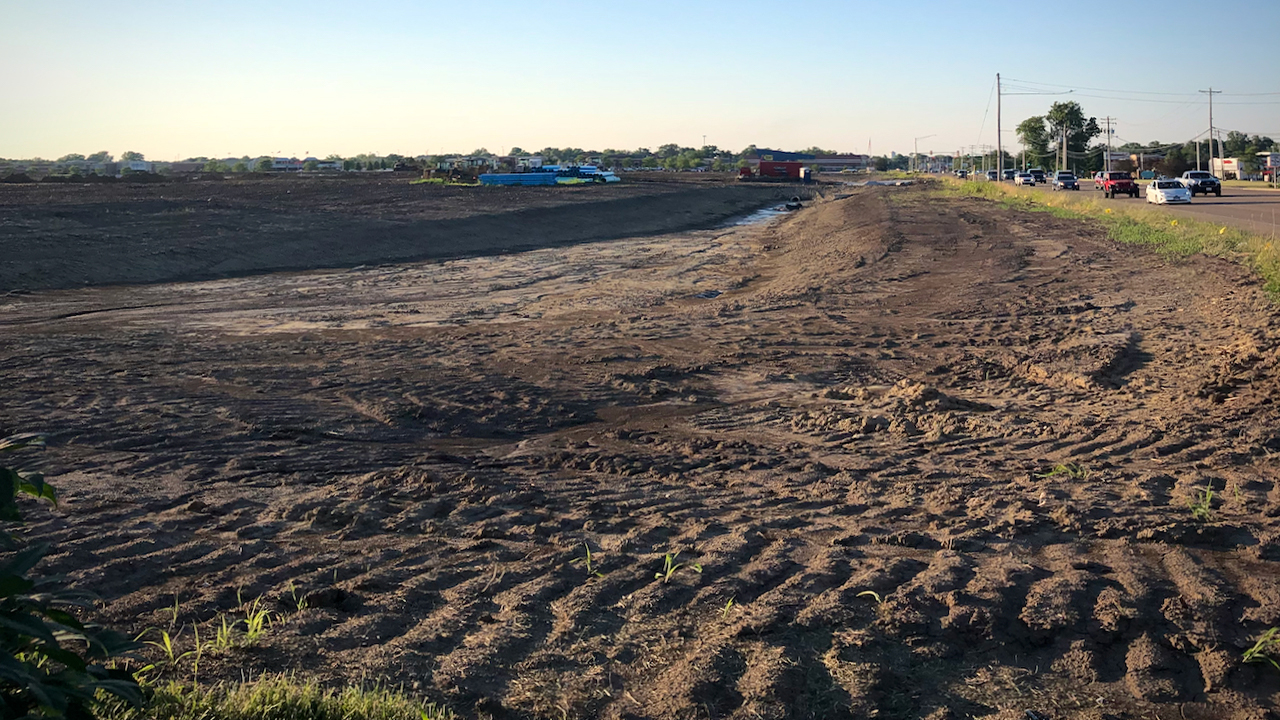
Given the loss of the Foucek farm, which would have helped serve all these goals, a funny but familiar feeling rises—that as priorities change something worse can always happen to the landscape. Are these towns a good model for conservation in American suburbs in the age of sprawl? Or are they creating a situation that fosters more conflict and justifies more development?
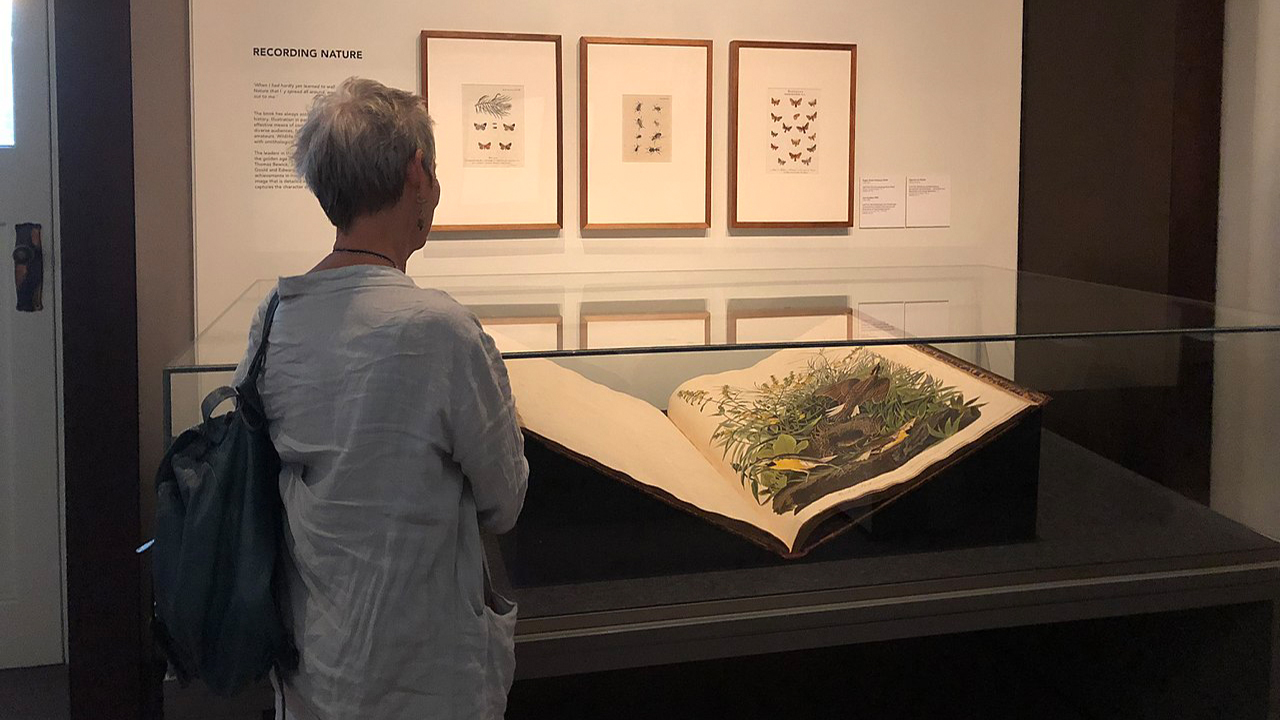
Her strength was both poise and pose, and her independence had to be on her own terms, because no one else cared about her terms but me. She had no standing, within a few years of my birth, socially, financially, professionally, or personally. Truth is, she may have felt a kind of freedom in not working for years, not having to deal with people, puttering in her ruined house and curating her family junk.

“Sympathy” in narrative usually means something more like “complex interest” than “pity.” The goal is (often but not always) to make characters as human as possible, within constraints of form, so audiences will find them meaningful. This requires treating characters with respect, at least to the point of trying to understand them, even if they are crooks, sadists, torturers, murderers, or Nazis. But if a narrative dramatizes very well, it risks justifying bad people or making us feel we “understand” or “identify with” them. This too is sometimes called “sympathy”—though it is more like empathy—for the devil.