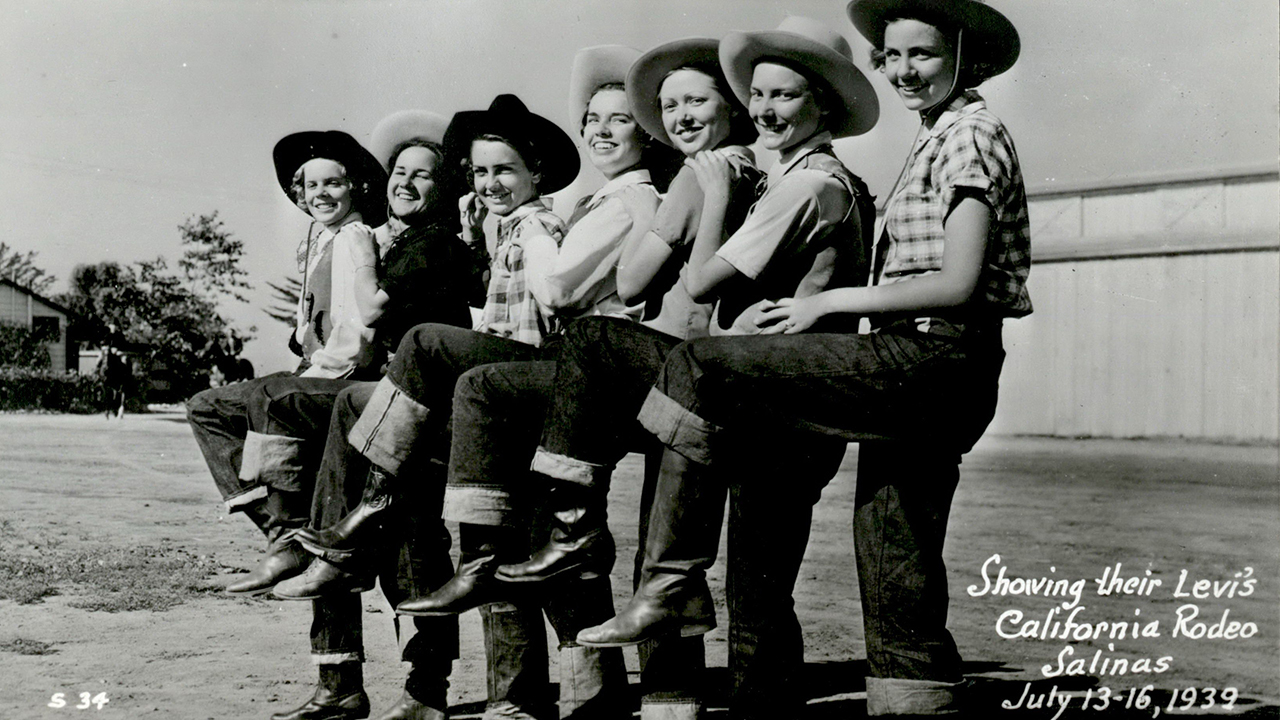
Forever in Blue Jeans?
The fact that our costume began as a sturdy and predictable garment, then evolved into a million variations and constant novelty—how American is that?
The fact that our costume began as a sturdy and predictable garment, then evolved into a million variations and constant novelty—how American is that?

What I knew was the surface. But Eleanor, David Michaelis’s recent biography, let me step into her heart. Now I could imagine how she ached for her father’s company, how her relatives’ comments must have stung, how her school days charged her mind and set it in perpetual motion. How awkward it was for her to show tenderness, how desperately she craved it. How fully she became herself and what power that gave her.

Before COVID-19 hit, men’s grooming was slated to become a $26 billion industry in 2020. TrendHunter characterizes the market as a mix of blunt, macho aesthetics and luxurious, indulgent experience. In other words, masculinity remains a paradox.
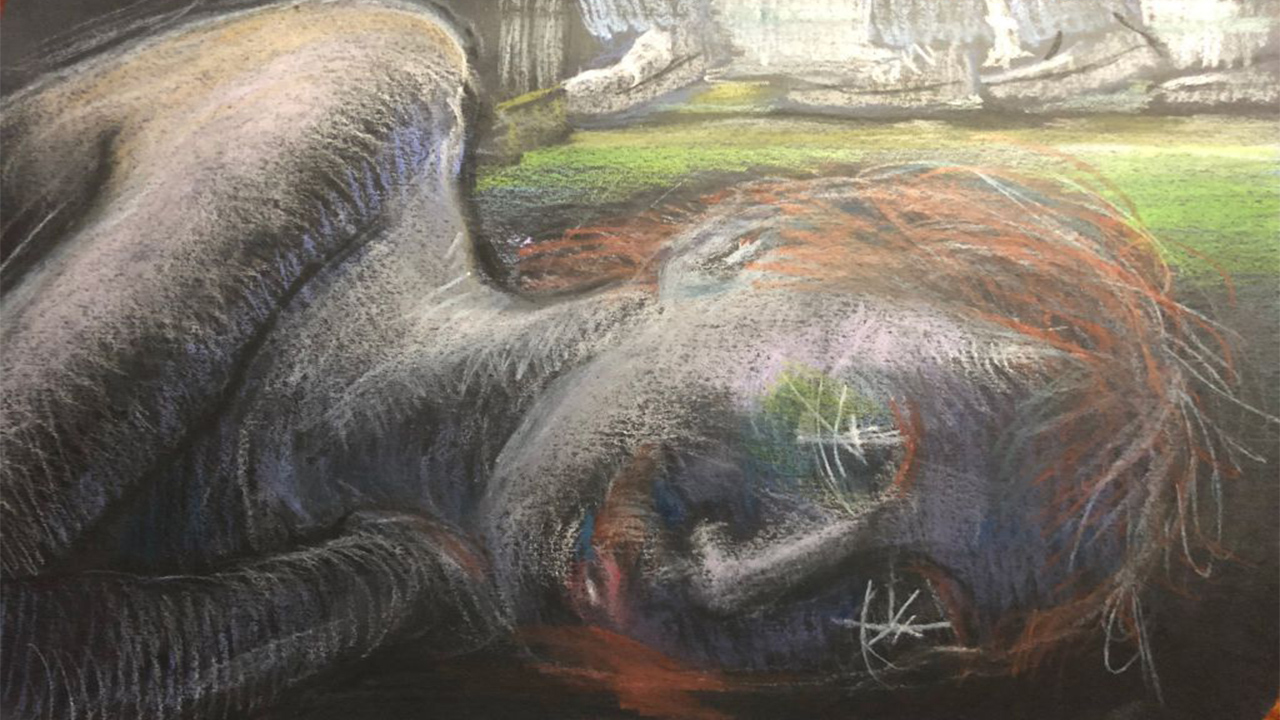
In juvenile facilities, more than seven percent of residents reported, on a 2018 survey, being sexually victimized during the previous year. Four percent reported use of force or coercion, either by other youth or by staff. “They get away with it,” Bankston says, “because boys, and men, don’t tell. And because no one wants to know.”
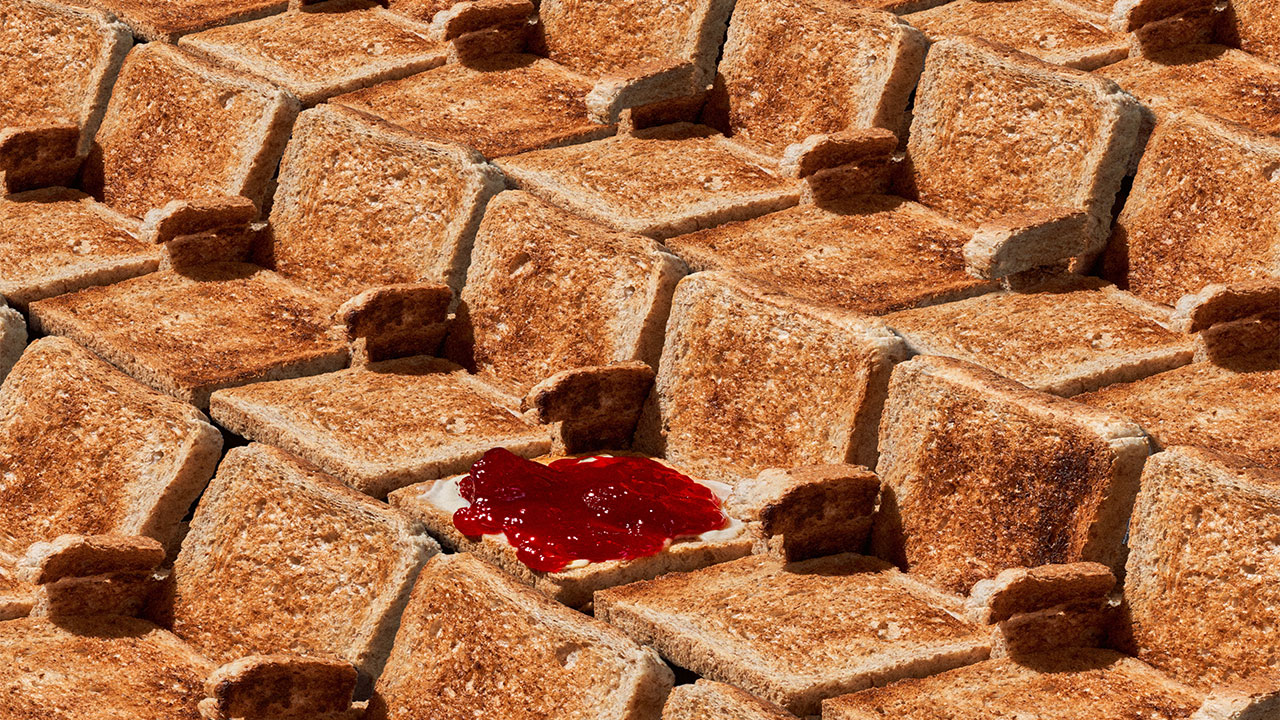
When did food move from sustenance, holiday ritual, and occasional treats to a consuming avocation with its own vocabulary, gear, techniques, and media? There are more devotees than most religions can attract, and their rituals are charged with significance.

Trees have felt significant, relational, to poets and priests and philosophers for centuries. The symmetry of this partnership is surprising, when you think how lopsided the scales are: Trees shade and shelter and furnish and feed us, and we … clear-cut them. Or hug them and get mocked. Or alter the environment, and watch them charred by wildfires or pulled up by their roots.
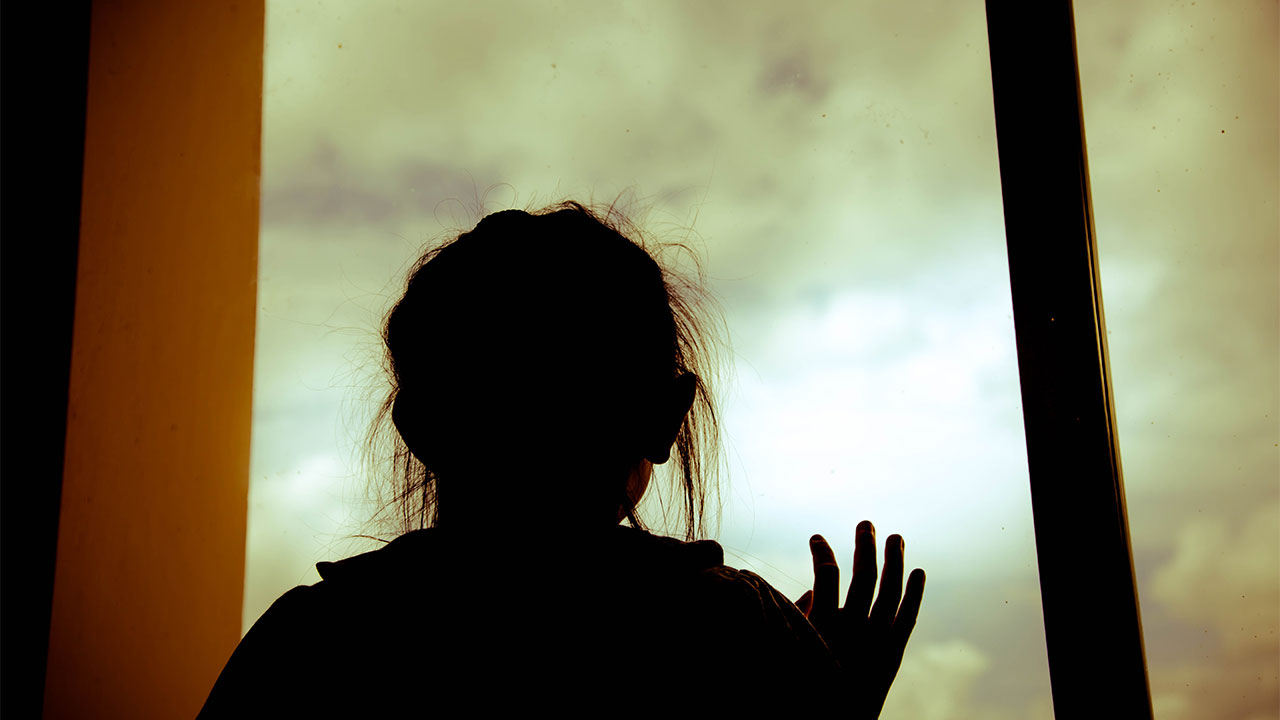
What would it feel like to be quarantined with a parent who was stressed to the breaking point, symptoms flaring, but could not seek help, either because illness had them paranoid or because they were afraid they would lose custody of the one reason they stayed alive?
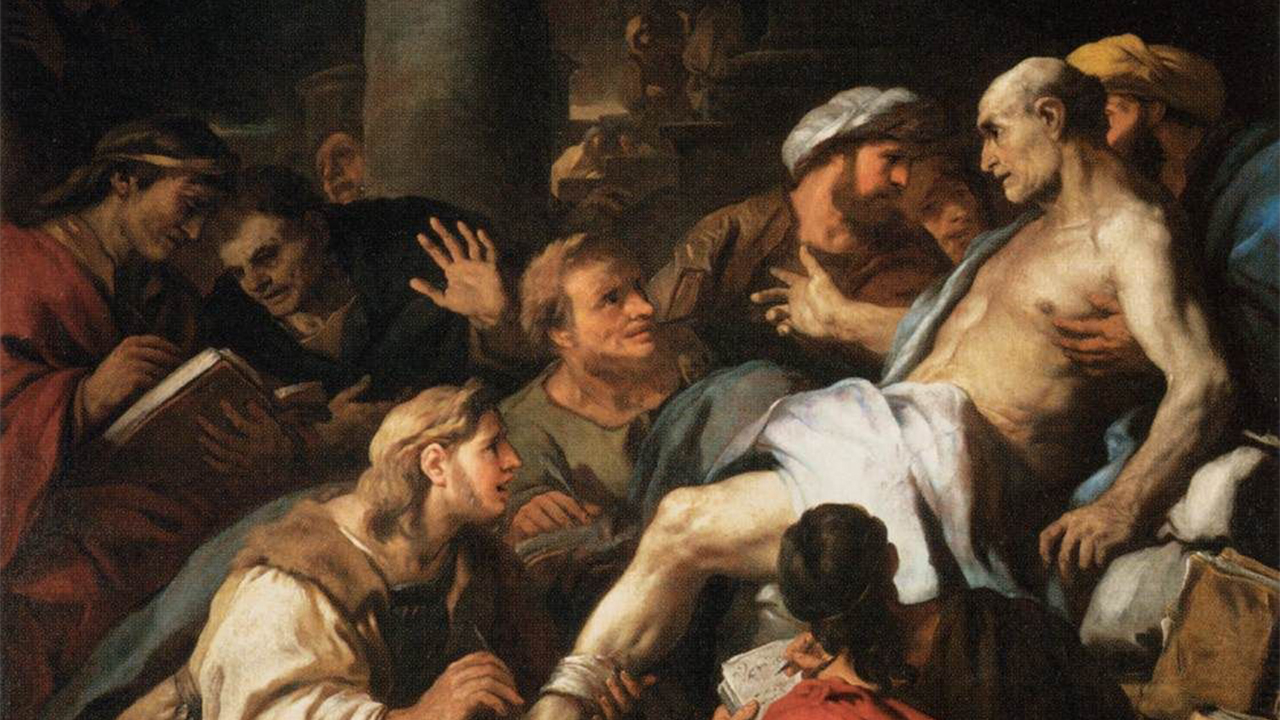
Ignoring the blithe optimism practiced by motivational speakers even in his day, Seneca urges us toward a “steadiness of heart” that is purposeful and “cannot be dislodged from its position.” His advice sounds simplistic, the stuff of cliché and needlepoint pillows. But when have I ever pulled it off?
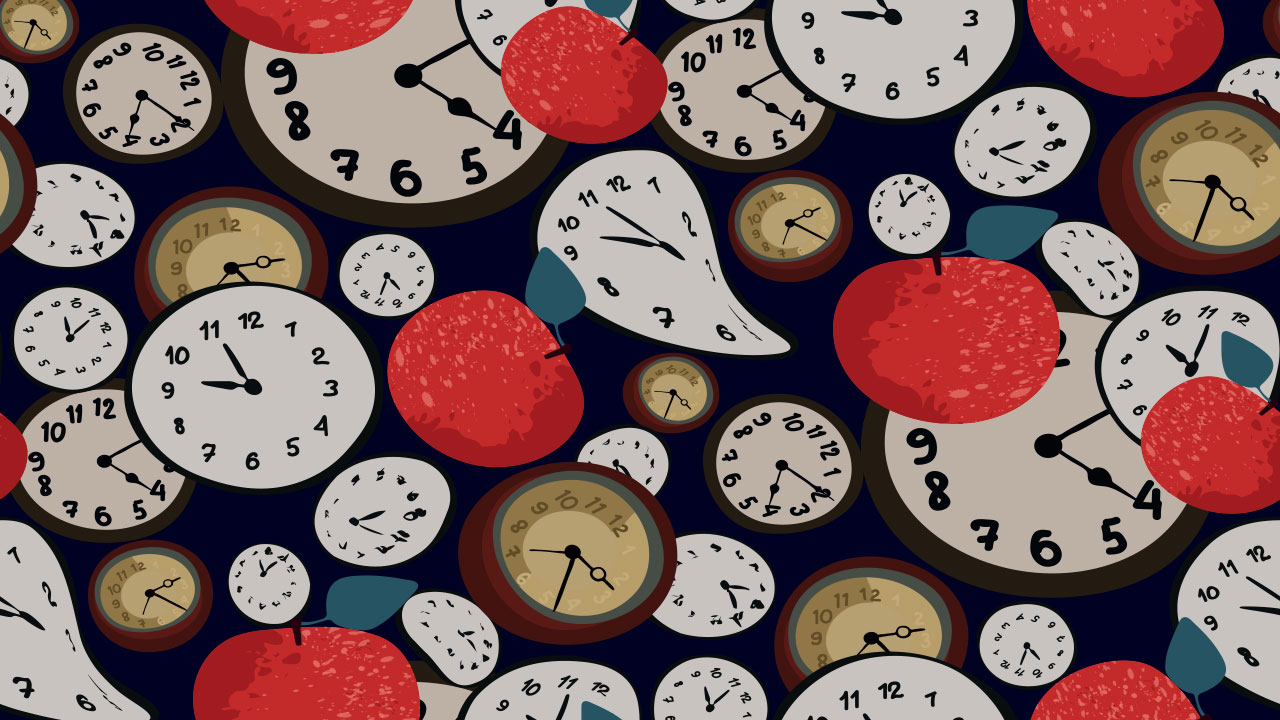
Time is an odd phenomenon, now that we have had the time to feel it passing. Novelists and filmmakers toy with it, imagining it running parallel to itself, moving backward, varying its speed, freezing altogether. But I am not sure anyone ever imagined exactly this.