
Too Much Life
In Mary Shelley’s Frankenstein, and in the Romantic age more generally, monstrosity came to be conceived as an excess of vitality. Exactly what life was, however, was a matter of intense debate.
In Mary Shelley’s Frankenstein, and in the Romantic age more generally, monstrosity came to be conceived as an excess of vitality. Exactly what life was, however, was a matter of intense debate.
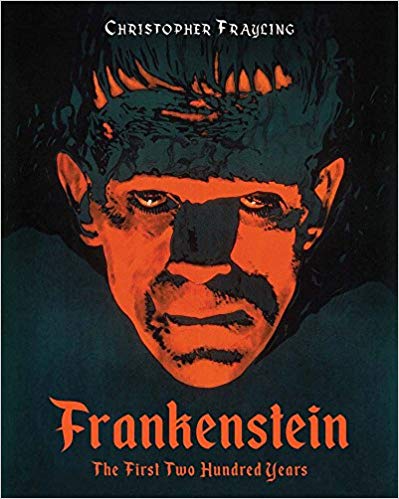
Any attempt at a comprehensive account of Shelley’s influential text must cover both its origins and afterlives. Frayling’s admirably organized volume does both.
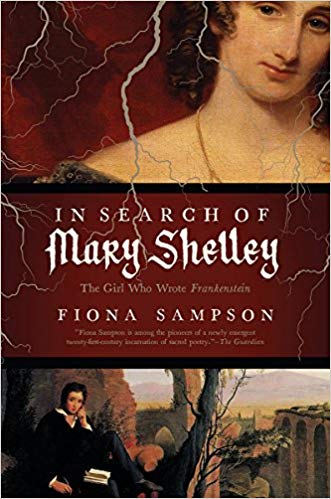
The connections that Sampson makes between Mary and her creature demonstrates the value of framing Mary Shelley’s biography around Frankenstein, because it is the part of her with which we continue to reckon today.

Mary Shelley’s Frankenstein lives on, constantly amazing us with its currency and power, taking on new and surprising forms, moving us as few other works of nineteenth-century fiction can. However, in our technically advanced, digital age it is not the flawed man of science who commands our sympathy or respect, but more often the monster.

Frankenstein bicentennial