How Dorm Rooms Chart the Dimensions of Maturity
By Ben Fulton
August 22, 2025
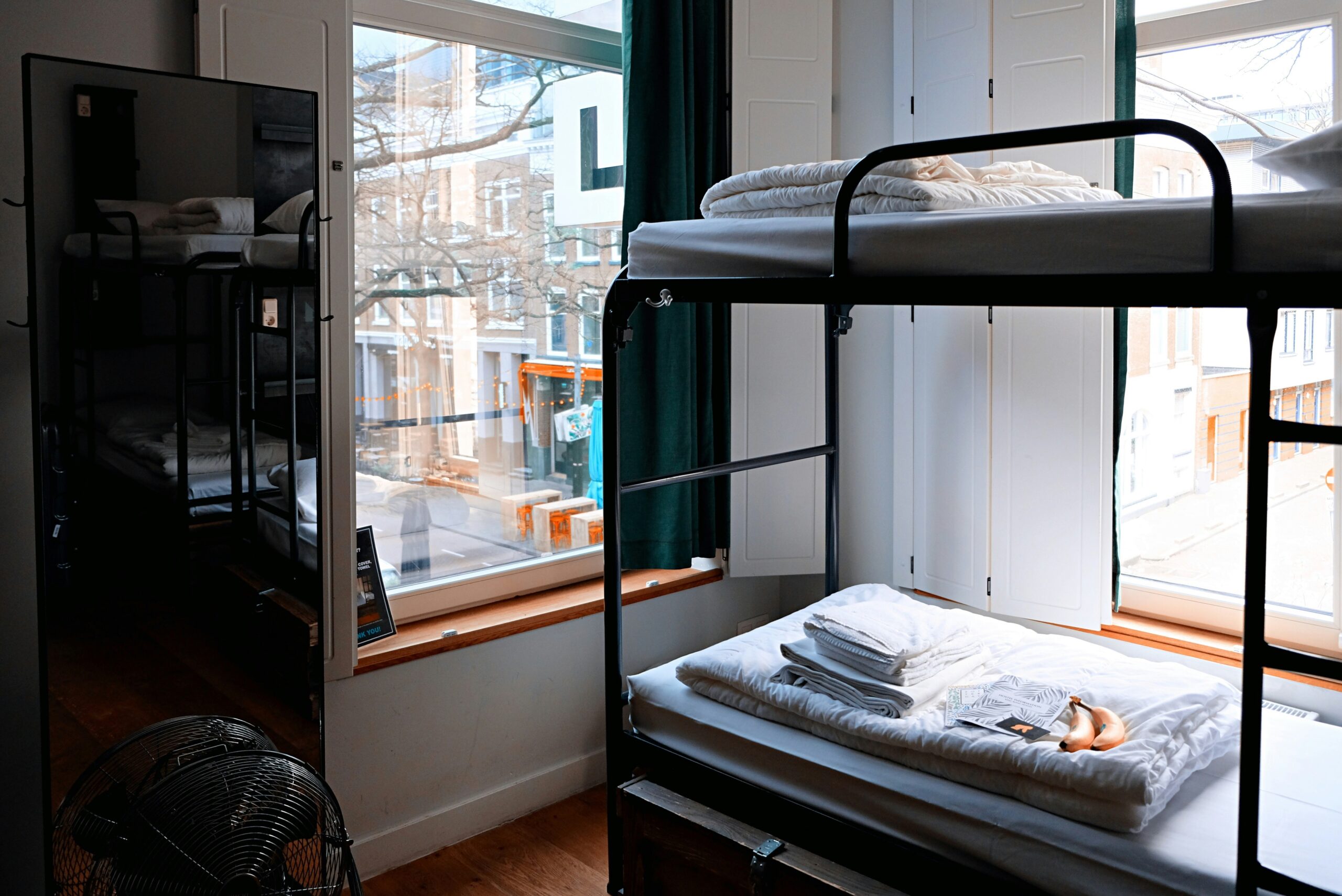
People in their late teens and early twenties are prone to conversational silence around most adults, their parents included. But there is an easy way around this reticence if you want to get to know them better: Just peek into their bedrooms or, better yet, dorm rooms.
In case you have not learned, the college and university dorm room has undergone a recent renaissance of attention. Wealthy parents in particular seem prone to sparing no expense on transforming these cubicle-like domiciles into lavish layouts more at home in a Waldorf Astoria luxury hotel or, if your daughter wears dresses more often than pants, an Ashley Stewart storefront. Sheets of textured chiffon fabric suffocate every pillow and cushioned surface. Lights bedeck every spare corner. It is all reminiscent of a shrunken roulette hall in Las Vegas, or a recreation of what it must be like to slumber in a lavender garden of ultra-vivid purples, or colors so yellow you might think yourself living inside a glass of lemonade.
The garish elements of today’s college dorm decorating were probably inevitable in our age of Trump and social media influencers. There is something wanly, even desperately, sad in these bids to camouflage the temporary way stations of college life as more permanent residences, though. Sleep comfortably? Yes. Study productively? You bet. And between repetitive bouts of both, keep the mini-fridge and microwave handy. But really, must the modern dorm room cram the Palace of Versailles into an average of 180 square feet? Perhaps the algorithms of roommate-matching services take into account aesthetic redecorating preferences. What seems more likely is that college and university dorm room managers count on some roommates being apathetic or ambivalent to their surroundings, while others plaster the walls with gold lamé finish.
Some of these tendencies could be chalked up to gendered proclivities. Young men would rather watch ballgames on TV than pick fabrics and sort through color combinations. But I recall my own dorm room days, admittedly decades ago, when young men and women both thought nothing of slumming it out in small, bunkbed-adorned rooms of white brick walls, tiled floors with no trim, and mattresses springy enough to double as a trampoline. Attempts at imposing your personality on these shared spaces amounted to no more than a handful of sports-team or rock-band posters and maybe a family photo or two. Meanwhile, the communal bathtub where everyone showered looked like a World War I battle trench, and the stains on the floor from last weekend’s party were large enough to see, yet somehow always small enough to ignore.
Caring about your dorm room enough to modify it, much less redecorate it, seemed laughable if not outright insane. What yanked the cords of our attention was not a lack of color schemes but the nonstop hijinks of everyone else in the hall. There was the joker who mic’d the soundtrack of his favorite soft-porn film through a high-volume stereo system, then cued it for play as a morning wake-up alarm. If a student on a football scholarship was not imposing life at every hall party, he was risking police arrest for introducing other residents to crack cocaine. The drama was so filled to the brim with the last gasps of juvenile immaturity that you either strained to keep up or laughed yourself silly between study breaks.
The first college years are about discovering oases of control on an exotic peninsula miles from continental home. Sure, today’s students will find a measure of control in an environment in which they can afford a dorm redecorating job. But that control is illusory. Dorm rooms should be the blank, flat, and even boring chrysalis from which students emerge as iron-winged butterflies. The “dream dorm” has its allure for those who can afford it, but its true expense is missing out on the thrill of staring at the blank walls and dirty floors of all that dorm life holds and demands.