A Healthy Home Should Not Be a Luxury
February 4, 2026
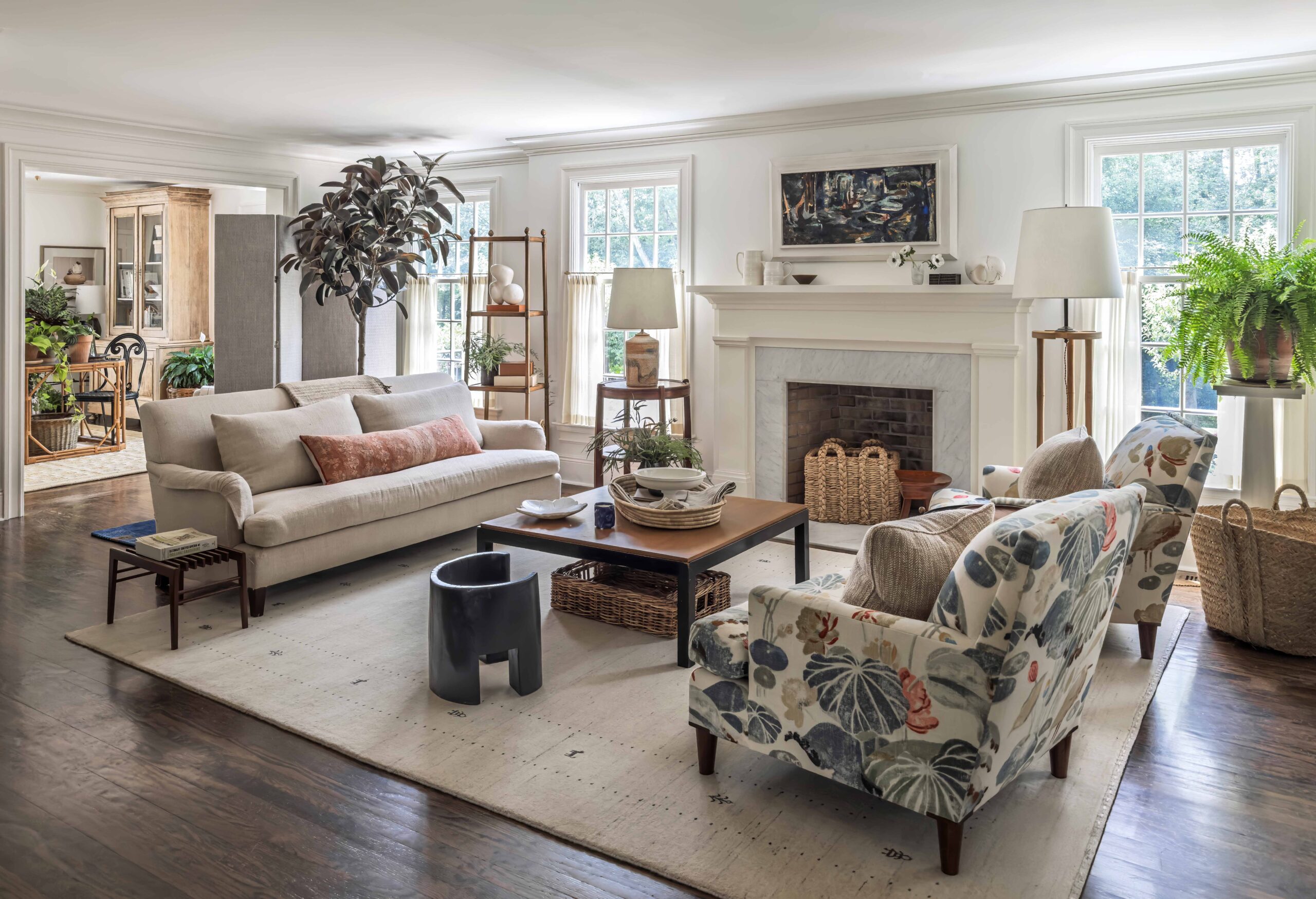
Another fluffy news release about home interiors. I move to delete it—but the backstory catches me. An interior designer who had to tear apart her own home because her toddler was struggling to breathe? She wound up a certified expert in home wellness because of all she learned. And I want a well home, too! I am heartily sick of hearing, in dribs and drabs, about various toxins that can invade and poison us in the very place we should be safest.
How many of us live or work, without even realizing it, in spaces that make it harder to breathe? A healthy home should not be a luxury. Nor should it require this much work, but we are flying blind these days, caught in a consumer economy with an EPA that no longer puts a value on human health in assessing air pollutants. I need to know more.
I also want real answers to the phrases designers toss about like they are batting bright balloons. Just how does one create a “micro-sanctuary”? How do you achieve “lived-in” without tipping into clutter and mess? And what, precisely, makes a home “soulful”?
This poor mother went through hell, albeit with lovely results. As she managed the project, she learned so much about contamination, rot, and toxins that she wound up certified by the International WELL Building Institute and began a new phase of her career. I will debrief her.
But first, that backstory.
Lisa Sternfeld moved into a sprawling midcentury Connecticut home—and soon realized her toddler could no longer breathe easily. After doctor’s visits and a three-month examination of the home, the mystery was solved. Down in the basement, concealed behind Sheetrock, a slimy, furry black mold coated the walls.
A three-year renovation began. First, Sternfeld had the foundation walls treated with nontoxic antimicrobial solutions and the wood framing replaced with metal, which is far less likely to harbor mold. Industrial air scrubbers ran for days. After the water quality was tested, she braced herself for the cost and put in a whole-house water filtration system. Then she checked ventilation systems, removed synthetic carpets and off-gassing furniture, refinished the oak floors with nontoxic stains and sealants, added air-purifying peace lilies and Boston ferns, and put in an energy recovery ventilation system. “The difference was immediate,” she says. “The house felt like it could breathe again, and so could we.”
What, I ask, are the sneakiest materials to watch out for?
“The most overlooked ones are often the largest surfaces,” she says. “Synthetic carpeting, vinyl flooring, foam-filled upholstery, and composite woods. Because they cover so much area, their impact builds quietly over time.”
I have always had a knee-jerk preference for any material described as “natural,” but I am not entirely or precisely sure why. Maybe I read too much D.H. Lawrence?
“Many synthetic materials are designed to look good and last,” she remarks, “but not necessarily to support how we feel over time. They can off-gas chemicals, but they also tend to feel sealed and static.” Yet what have we done, as a society? Made as much synthetic as possible. Putting our stamp on it, I suppose; preferring what humans make to what comes from nature. Getting rid of wrinkles and stains. Making stuff cheaper, so we can keep buying.
“Natural materials breathe, age, and change,” she continues, unaware of my internal rant. “They soften light, absorb sound, and develop character. That subtle variation makes spaces feel calmer and more comfortable.”
Because she and her husband often work from home, she found ways, in the redesign, to separate work from relaxation. I groan: I write wherever I land, and there are books piled on the kitchen table and in the bathroom as well as in my office.
“Boundaries don’t have to be rigid,” she assures me. “Often they’re created through small cues. A particular chair, a lamp you only turn on when you’re writing”—how did she know? My father-in-law’s old brass hurricane lamp is my totem—“or even a shift in how you sit. The space doesn’t have to change much. The signal does.”
This makes sense—and it is far more than fluff. We have let ourselves be plunked into spaces that are unhealthy and discomforting. What would an anthropologist say about the surrounding culture’s values?
Sternfeld defines “micro-sanctuaries” for me: “A chair by a window, a corner with good light, a place that feels slightly tucked away.” A place to stop, drink a cup of tea, have a think. Or read, or meditate, or just escape the chores. We have lost that tucked-away feeling; modernity stole it, breaking down walls, pronouncing alcoves and nooks as fussy, giving us one big overexposed space instead.
“How do you make an entire room feel calm if it is (like my husband’s office) crammed with stuff?” I ask tentatively, figuring this cause is lost.
“Calm comes from ease,” she says. “When a room is intuitive to move through, when there aren’t too many competing elements, and when materials feel soft and familiar, the body relaxes. Quiet spaces aren’t empty. They’re just well resolved.”
He moves through that office quite easily, which always amazes me. He would never be able to relax in a minimalist setting, and I am sure he does not feel like those stacks of books and papers are competing with one another. So be it.
But speaking of mess, how do I make the rest of the house look lived-in without clutter? “A home can show life without feeling chaotic,” she says firmly. “Books you actually read, textiles that are used, objects that have meaning. Messiness happens when there’s no structure. Coziness comes from intention and editing, not from having more things.”
Again, the American way. More things, more more more more more.
And what about soul, which we only reference when preaching or floating into woowoo? “Soul comes from time and care. Homes feel soulful when they reflect the people living there, not a moment or a trend. Natural materials, pieces with history, and spaces that are allowed to evolve all contribute to that feeling.”
We talk about light, and how to layer it. “One light can’t do everything,” Sternfeld points out. “Overhead lighting has its place. It’s useful in kitchens, bathrooms, and spaces where you need clarity. The problem is relying on it alone. Spaces feel much better when light comes from different heights, lamps, wall lights, pendants. It adds depth and reduces that harsh, flattened feeling. You want a gentle ambient glow, a focused light where you read or work, and something softer for evening. Warmth comes from where light is placed and how it interacts with surfaces, not just the bulb itself.”
One last question, because my house usually smells like last night’s dinner with a top note of wet dog. Best way to infuse fragrance? I have tried rods, plug-ins, warmed oils….
“I’m cautious about whole-house fragrance systems,” she begins, though I never knew “whole-house” was even possible. “They remove choice and can be overwhelming. I prefer fragrance to be intentional and limited. A candle in the evening, fresh air through open windows, or natural materials that carry their own scent. When scent is tied to ritual rather than constant exposure, it feels grounding instead of intrusive.”
I am beginning to understand what “soulful” can mean in a home. I think about churches, built ideally with stone, clay, or wood, and carefully kept clean and pure, their candles deliberately lit, the light soft, routines ritualized, each object meaningful, symbolism throughout. The advice runs parallel.
One’s home should be a sanctuary. Not a place of poisons.