Sujatha Fernandes is associate professor of sociology at Queens College and City University of New York’s Graduate Center. She is author of the books Cuba Represent!, Who Can Stop the Drums? and Close to the Edge: In Search of the Global Hip Hop Generation.
By Sujatha Fernandes

By
Danielle Ridolfi
Children’s media creators are not just benevolent spinners of yarns—they are business owners, media executives, and freelance creatives. The need to turn a profit has long lived in harmony with the need to create high-quality content. But Disney, unfortunately, has begun to view quality as superfluous. Their live-action remakes are thinly-veiled cash grabs that lazily recycle old content and direct viewers to endless scores of merchandise with little creative energy required.
By
Danielle Ridolfi
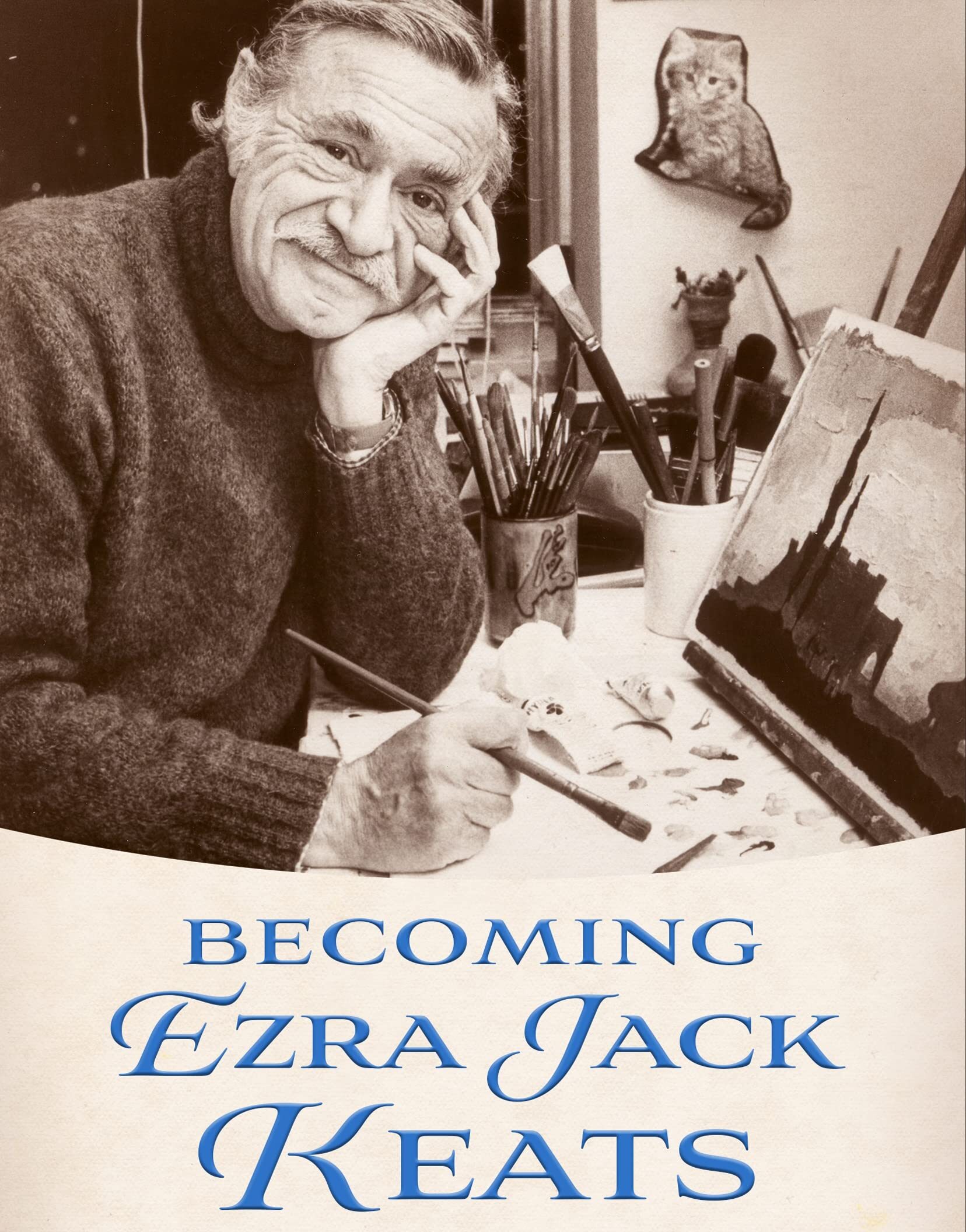
In her 2023 biography, Becoming Ezra Jack Keats, Virginia McGee Butler challenges assumptions about Keats—indeed about all picture book authors—a mission for which Keats, who was deeply invested in challenging stereotypes, would have offered his hearty approval.
By
Alex Nuñez
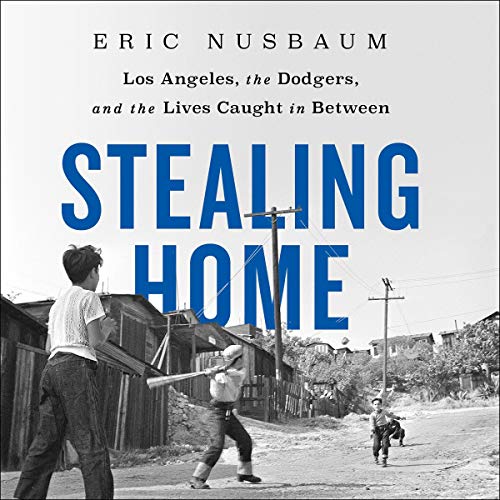
Eric Nusbaum’s Stealing Home: Los Angeles, the Dodgers, and the Lives Caught in Between weaves together the historical narratives, biographies, and accounts of various stakeholders whose lives were impacted by the planning and construction of a modern day American sports cathedral: Dodger Stadium.
By
Amani Morrison
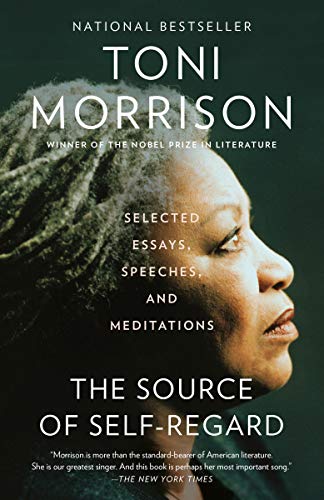
The Source of Self-Regard highlights over four decades of poignant commentary and analysis delivered in the form of graduation and conference keynotes, essays, invited lectures, and Nobel Prize duties. The result is a lens through which to view not only the esteemed author’s perspective and comprehension, but also the unchanging nature of American and global values concerning life, peace, transformation, history, truth, and human connection.

By
Olivia J. Williams
It is strange; I am more scared after speaking than before. My stomach twists tighter as thoughts whirl. Will they revoke my scholarship for speaking out? Will I be targeted? Will I keep my job? My leadership position?
Is it activism yet?
By
J. Frederick Fausz
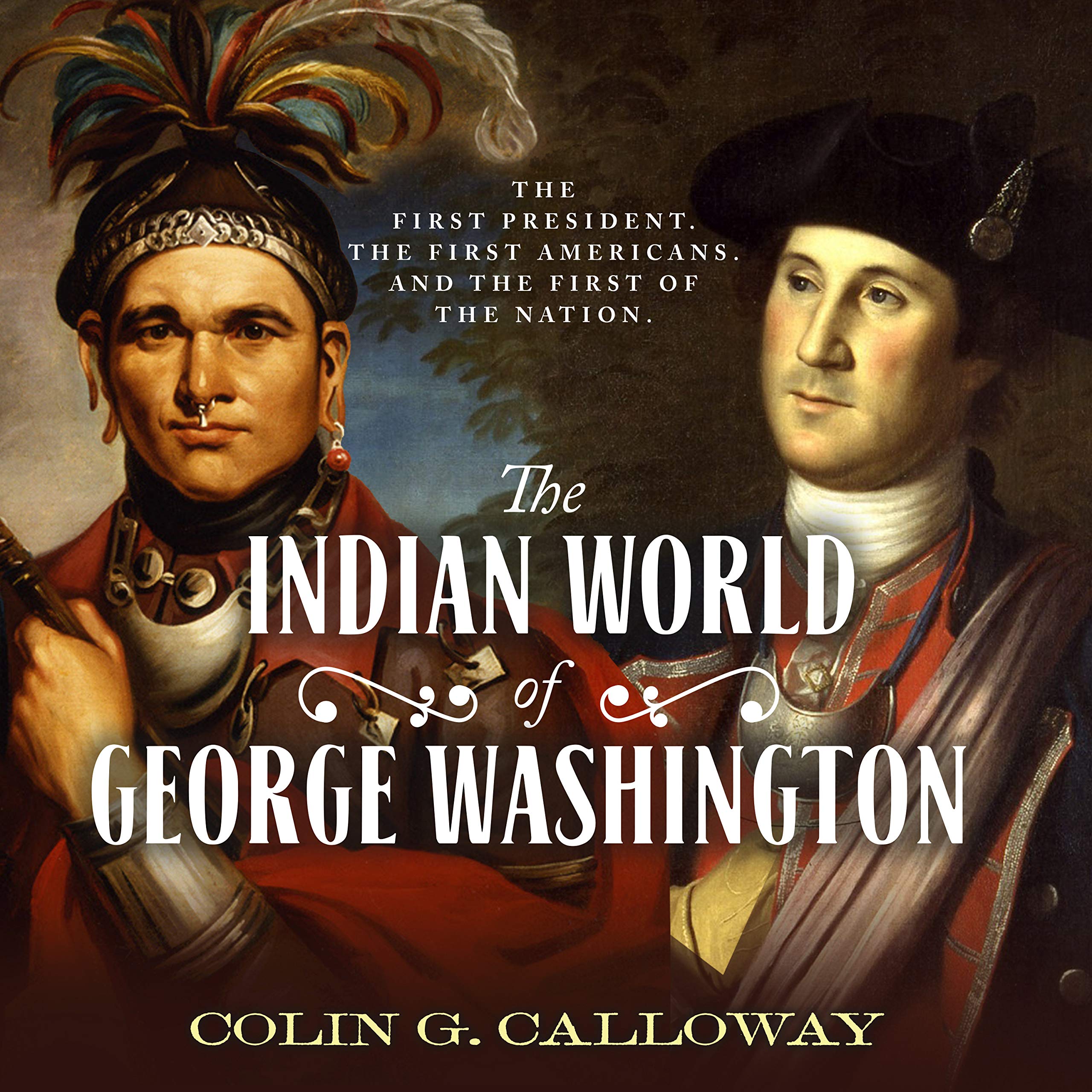
Calloway offers an incisive analysis of Washington’s most significant half-century of Indian relations (1748-1799) employing ethnohistory, a discipline that here integrates Native American cultural perspectives in evaluating Washington’s complete legacy, warts and all.

By
Jason Purnell
Melting under conditions of extreme heat is only undertaken with considerable suffering and loss, but generations of white Americans have felt the loss of forgetting to be worth it, if not a little bit because they would rather be what is melted than the pot.
By
Olivia J. Williams
There is no mourning for my grandfather left inside me. There is only guilt as I look into my father’s tired face, guilt as I scroll quickly past a COVID headline.
By
Susan Frelich Appleton
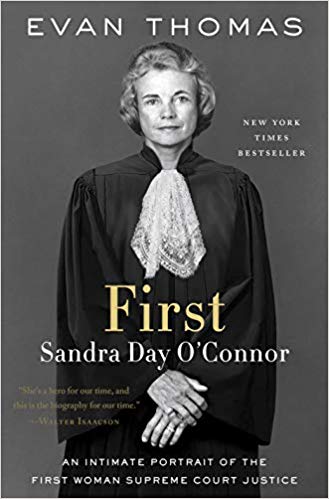
The promise of intimacy offers one path to follow through Thomas’s book. An additional path rests on O’Connor’s gender—which made her “first.”
By
Paul Richards
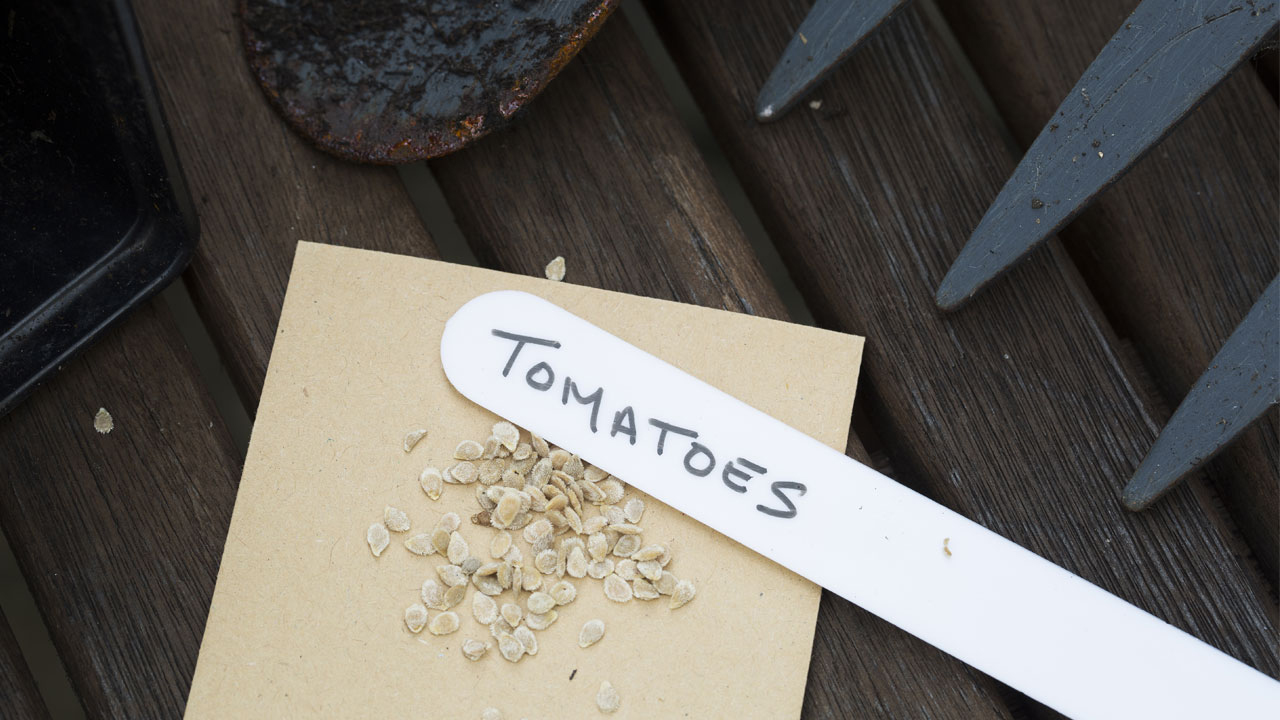
When it comes to seed selection, a million heads are better than one. The process of farmer plant improvement is general right across the rice-growing region in West Africa, and keeping planting material in play through constant use and selection allows for a myriad of adaptation decisions.

By
Sujatha Fernandes
As global audiences deepened their involvement with hip-hop culture and created local rap scenes of their own, the language of rap came to play an important role as they developed their own hybrid vernaculars.