
From Luke Skywalker to Moses
The real world is filled with transformative “second chance” stories—true tales of people who at some point in their lives answer the summons of a new path.
Michael A. Kahn is a lawyer and the award-winning author of fourteen novels, including eleven in the Rachel Gold mystery series, and several short stories and essays. His latest novel, The Gourmet Club, was published earlier this year.
The real world is filled with transformative “second chance” stories—true tales of people who at some point in their lives answer the summons of a new path.
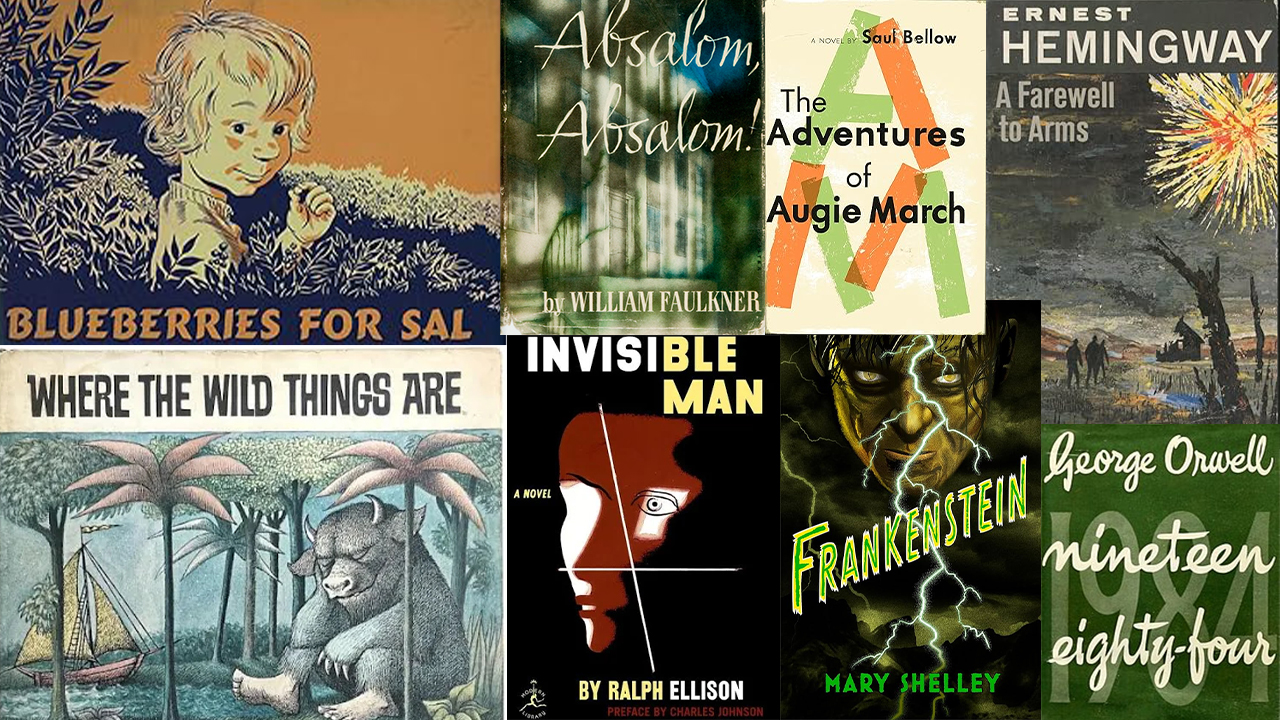
The best last lines stay with you long after you close the book—some like a welcome sip of fine cognac at the end of a delicious meal, and others, while not neatly wrapping up the story, stirring you to imagine what might happen next.
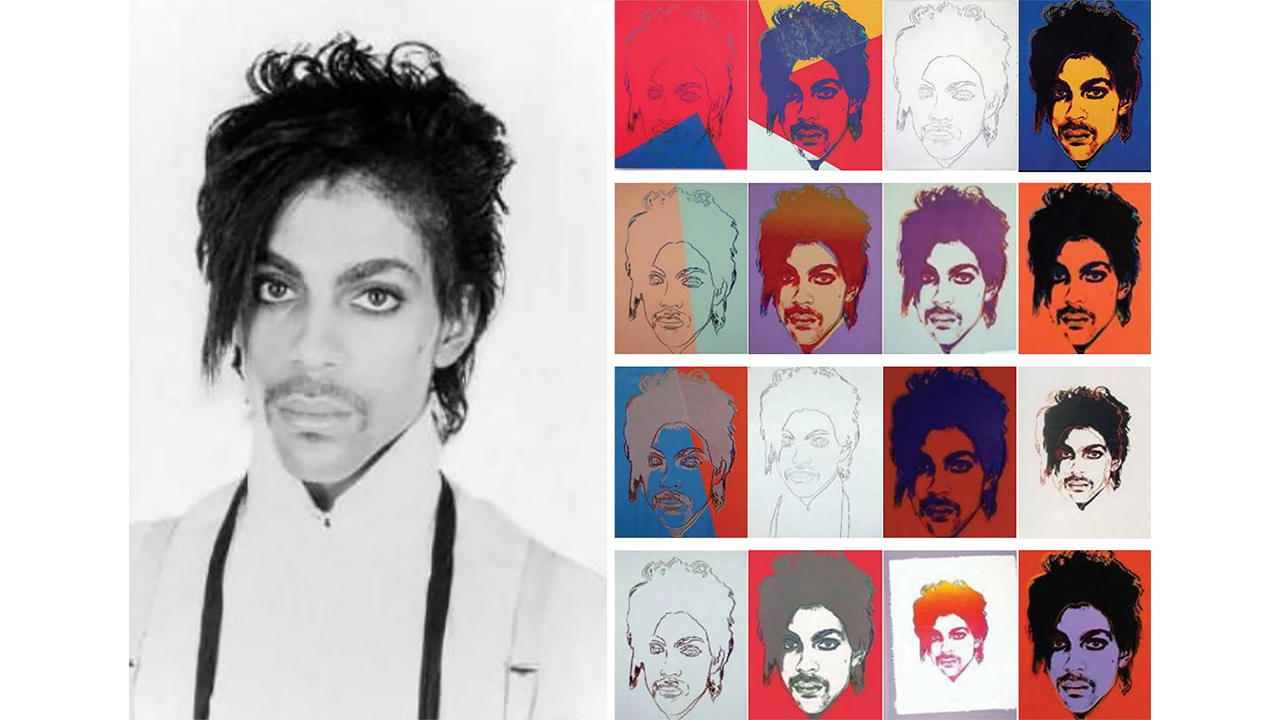
Appropriation art has not only outraged artists over the unauthorized and lucrative exploitation of their artwork but has been the subject of high-stakes lawsuits for decades. Appropriation artists defiantly operate under the flag of “fair use,” which some have described as a copyright lawyer’s full-employment act.
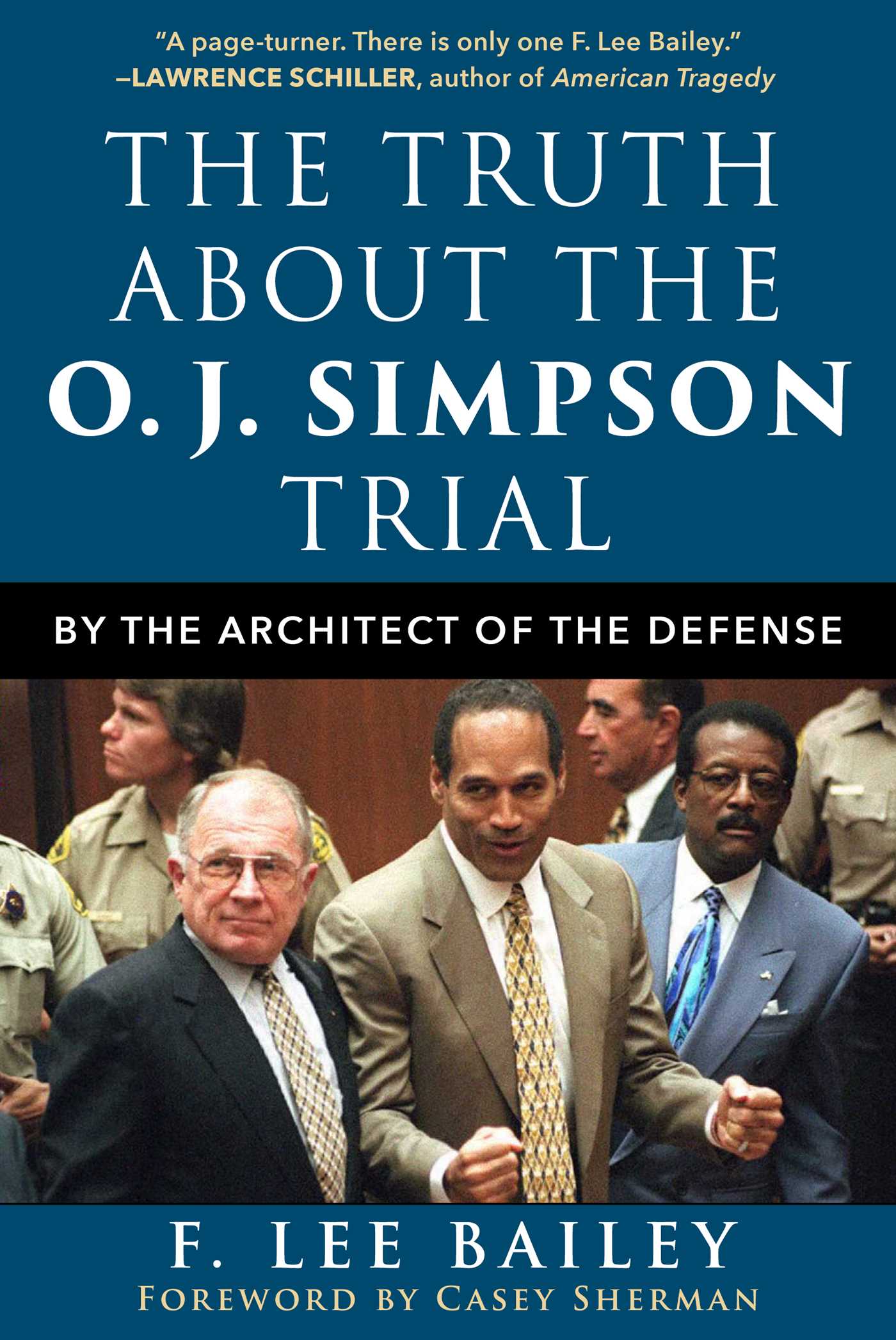
In Bailey’s version of the trial—as the subtitle of his book declares—he was the master strategist and courtroom impresario while Robert Shapiro was the bumbling and increasingly envious knucklehead who blew the preliminary hearing, believed O.J.’s best option was to seek a plea deal to manslaughter, and, when he learned that the jury had reached a verdict, made a panicked call to Alan Dershowitz to prepare the appeal.
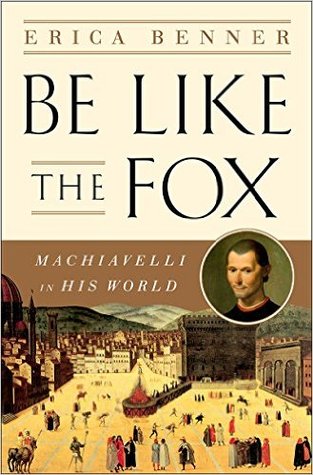
Context is all when it comes to Machiavelli, and Benner does a thorough job of providing it, including many of the lesser-known elements of his life story: the difficult missions on behalf of the Florentine government, the project of a citizen militia, his limited success in re-entering public service after the Medici restoration in 1512.
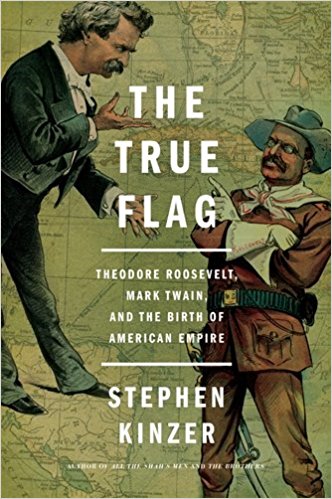
Stephen Kinzer must be credited for producing an eminently readable account of the debate surrounding U.S. imperialism, which he characterizes—never shy of superlatives—as the “farthest-reaching debate in our history” and “the mother of all debates” on foreign policy.
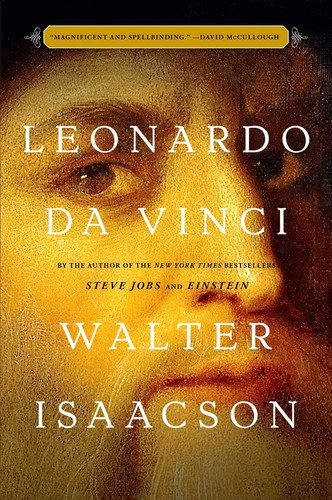
Leonardo can be a slippery subject. He was a multi-faceted artist/scientist, inventor/visionary difficult to grasp in his protean totality. Walter Isaacson, however, is a reliable and voluble guide. This is a good read.
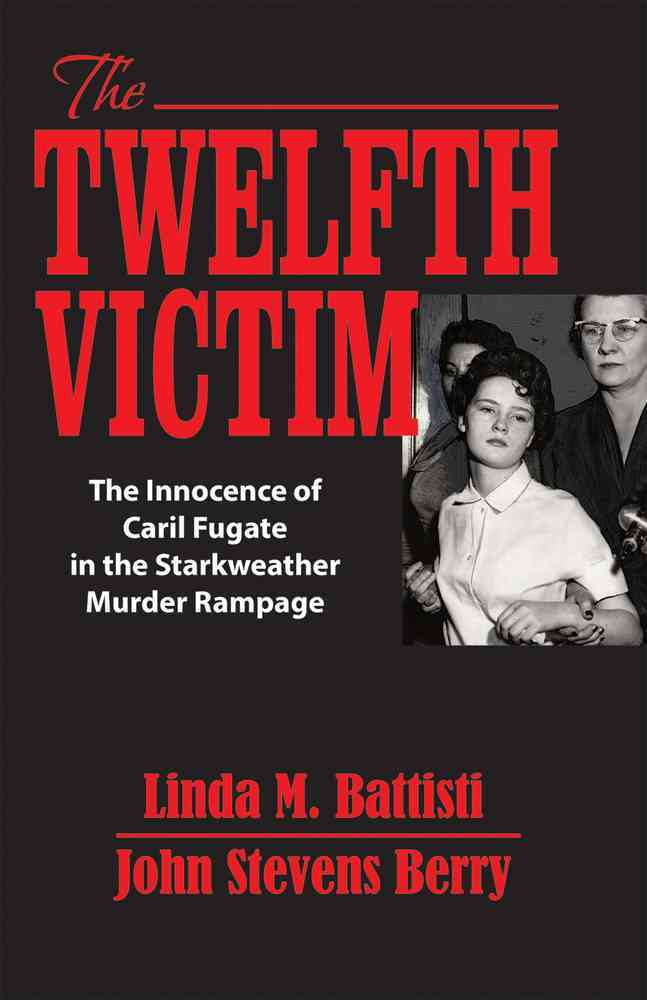
"The Twelfth Victim arises out of a 1950s Crime of the Century known as the Starkweather Rampage. Its namesake, Charles Starkweather, was hardly a poster boy for, well, a Most Wanted poster. He was a short, red-headed, bow-legged, nineteen-year-old from Lincoln, Nebraska. Nevertheless, during the space of two months he murdered eleven people in Nebraska and Wyoming, terrified the citizens of those states, and horrified the nation."
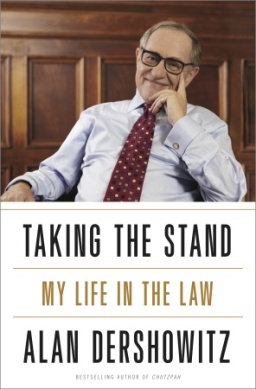
Alan Dershowitz's autobiography may have you searching for an exit, but not before submitting to the gargantuan pull of his self-regard, and hard-earned status as a lawyer of legend.