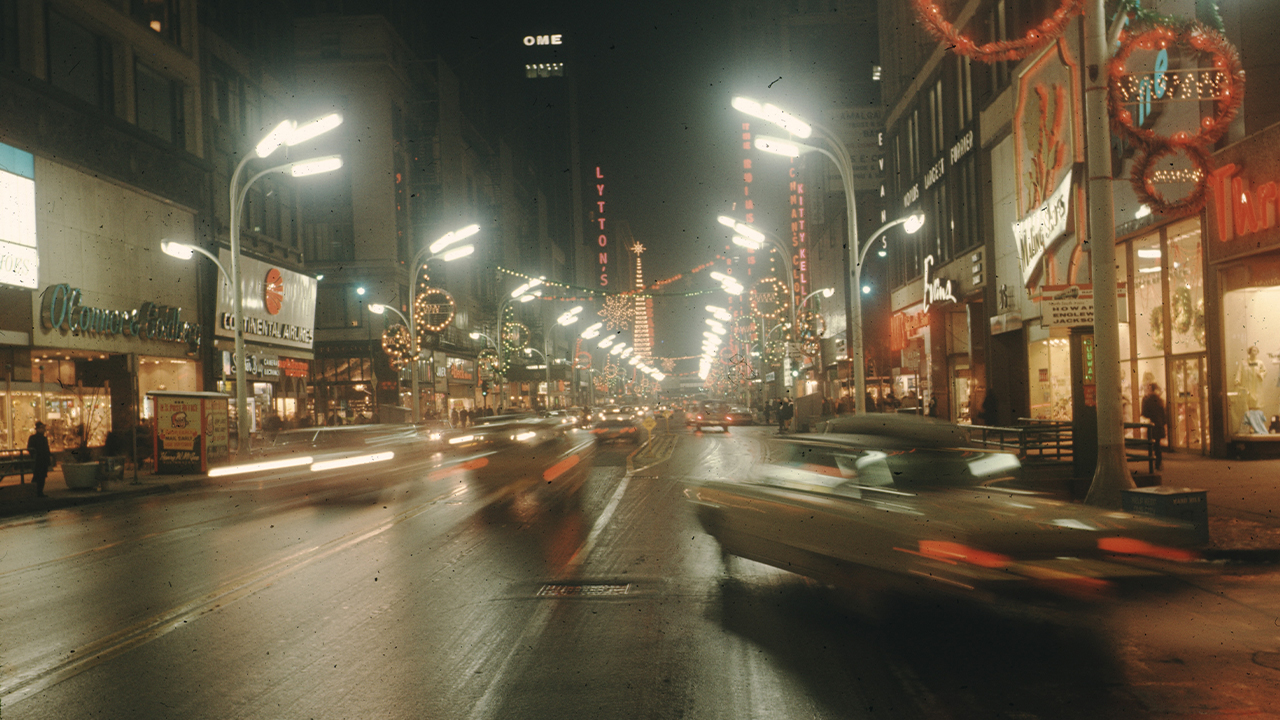
To Save the Work of Photographer Victor Albert Grigas, His Son Gave It All Away
Two years ago I wrote a short piece meant to be artful, so I went looking for an artful photo. I found it in an image by Wiki contributor Victor Albert Grigas.
Two years ago I wrote a short piece meant to be artful, so I went looking for an artful photo. I found it in an image by Wiki contributor Victor Albert Grigas.
How this volume of six hundred pages of Kazakh poetry landed in a town library in St. Louis’ Metro East is a mystery, but it has met its goal.
Chancellor Martin called the ceremony “a profound testament to friendship, scholarship, and the enduring impact of extraordinary individuals. The Gerald Early Distinguished Professorship represents more than an academic honor. It commemorates the legacies of two remarkable men who have been integral to Washington University: Chancellor Emeritus William H. Danforth and Professor Gerald Early…one of the most significant scholars of our time.”
TikTok and Instagram channels of drone killings on the battlefield in Ukraine started with them dropping grenades or mortar rounds into trenches and other enemy positions, but the latest ones offer fanboys their own aesthetic. They all look the same: The earth is a gray-green monotony. The camera is floating above, looking down with an eye for movement. The video has been edited, so as not to be boring.
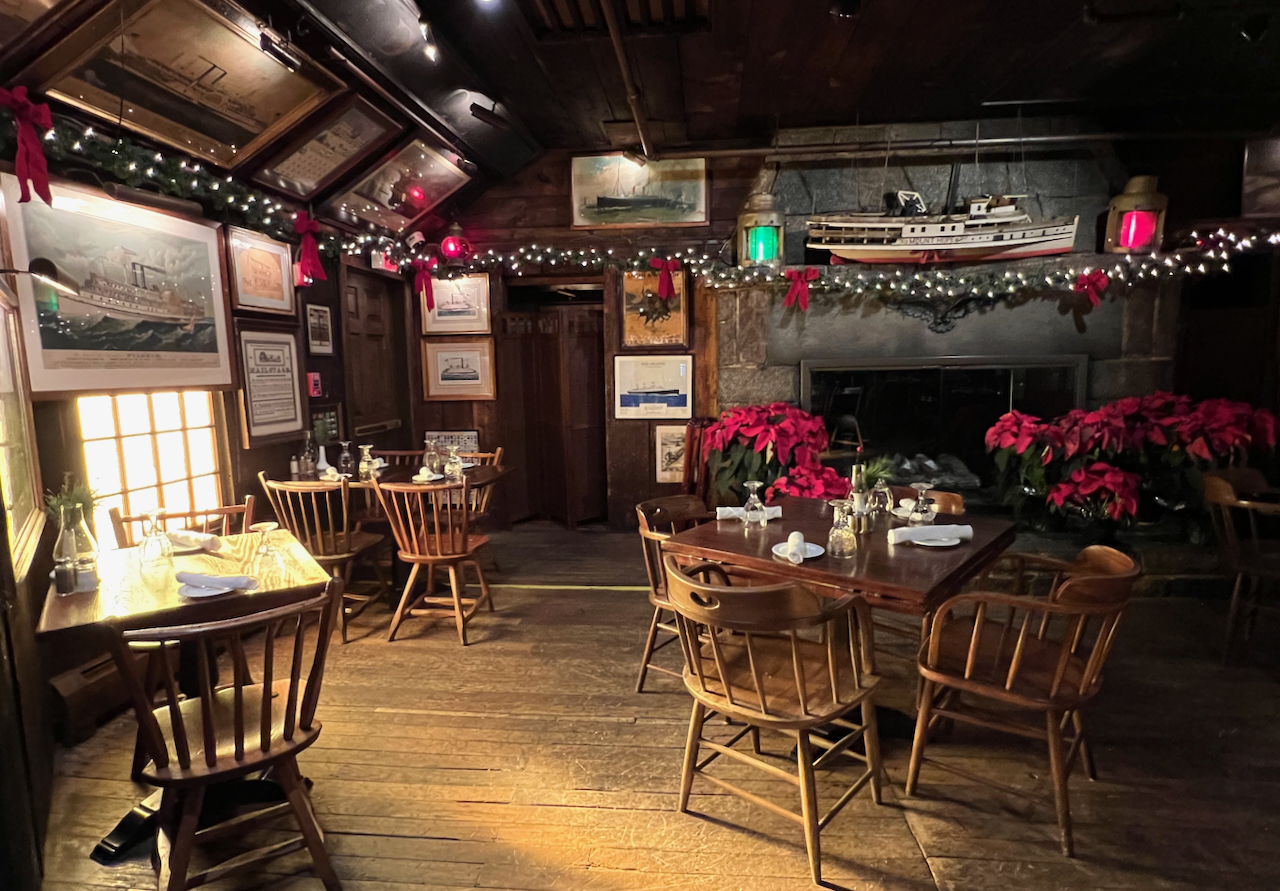
It was not hard to ask my sons if they would like to forgo Christmas gifts this year and travel together instead—to make memories instead of buying things because the season dictates.
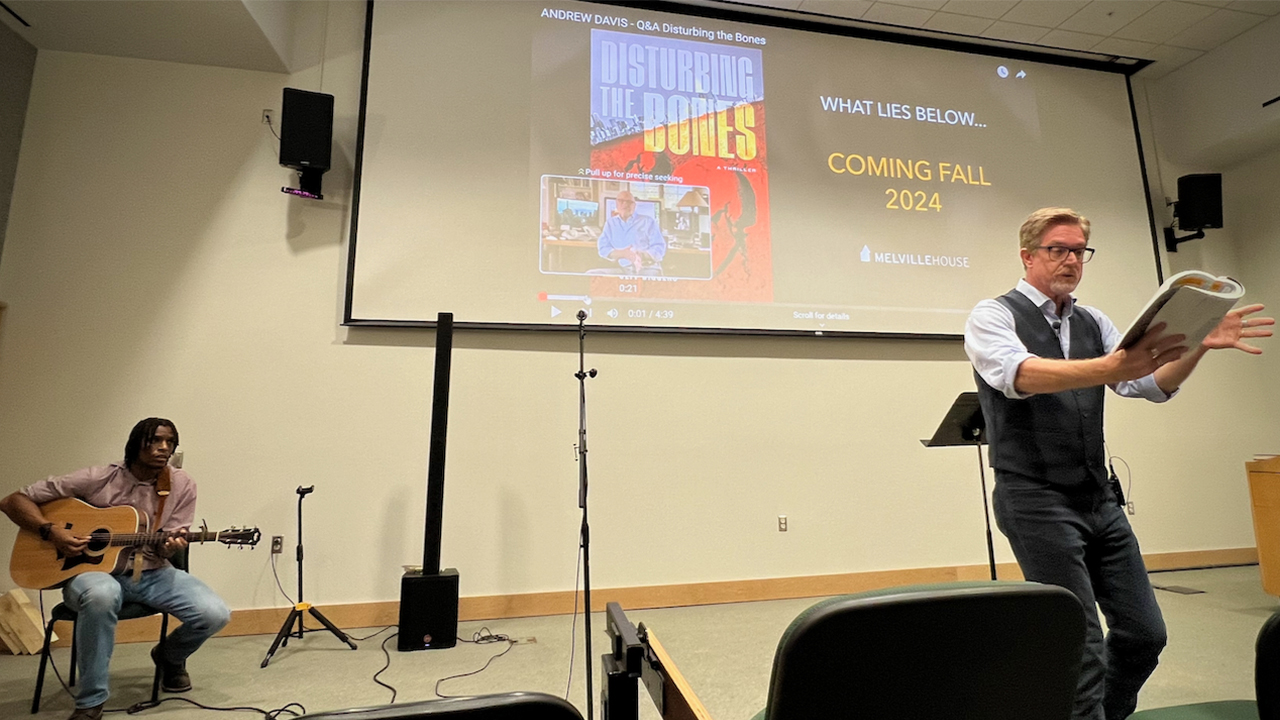
All narratives might be said to have other things on their minds than what they show us directly. Andrew Davis’s and Jeff Bigger’s novel has a lot on its mind too, which might be summed up as a desire to save the world. Yes, the bad guys’ evil plot to destroy Chicago and international diplomacy must be foiled, but the book is also thinking about threats such as nuclear proliferation and the impossibility of “fail-safe” precautions, racism, historicide, and America’s cultural divide.
The resemblances of ceramics with human life are poignant. People too get fired in the kilns of experience, and often we emerge flawed or get broken in time. Some are dun, some glazed or crazed, some repaired with stripes of gold. We are all sensuous as pots.
As with our lives, we must savor the enduring, through time.
If fate gave me a job so well-fitted that when I take time off I do most of what I would do anyway, why bother with vacation?
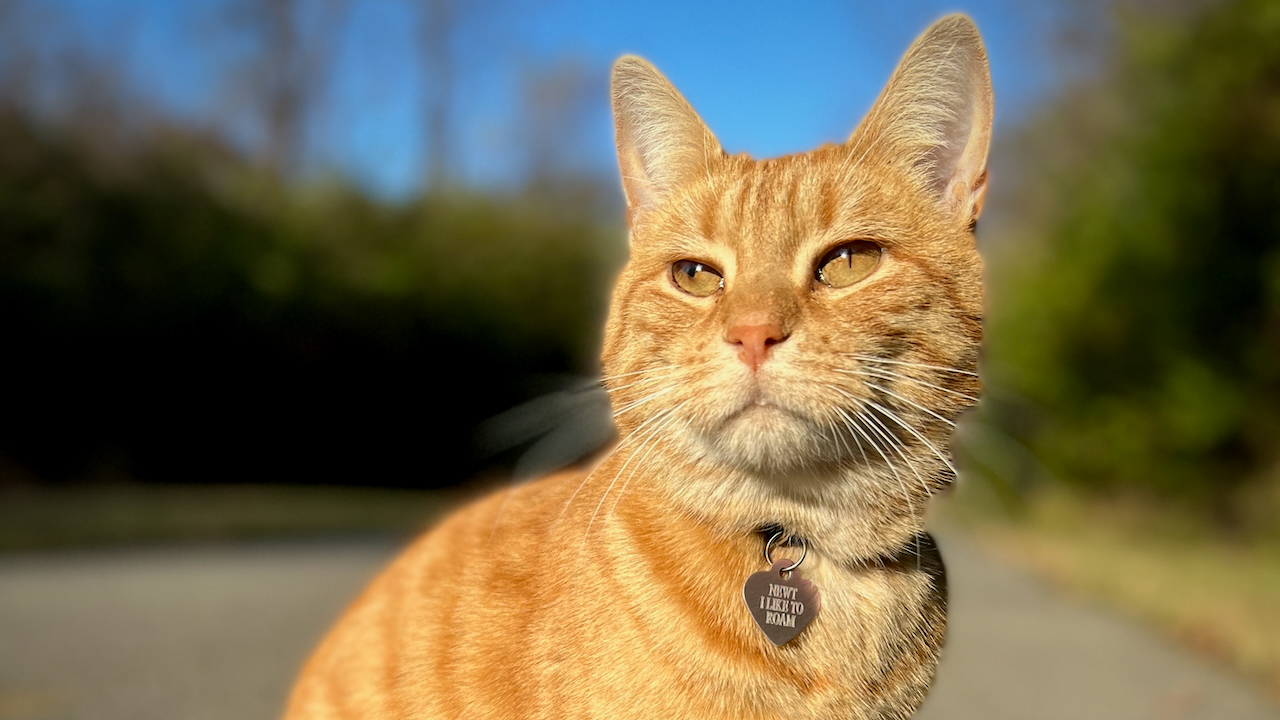
None of us, including Newt’s owners, really knew how much he got around until he got us all talking about him. People said they had seen him in the night by headlight; he roamed far wider than we thought. One woman had taken him on a five-mile bike ride; Newt was equanimous as always, it seems. The comic surprise that lined the grief was that hundreds of us thought of him as our own.
In my day we said we were “going to go do something.” You felt like seeing a movie, you went to see a movie. People now talking about how they feel weird reading a book alone in a restaurant. Pfffft. I determined to show myself a real good time.
The new documentary ‘Taking Venice,’ directed by Amei Wallach, tells the story of that intrigue with original footage, recent interviews, some recreations, and a snappy jazz-funk soundtrack à la ‘Ocean’s Eleven.’