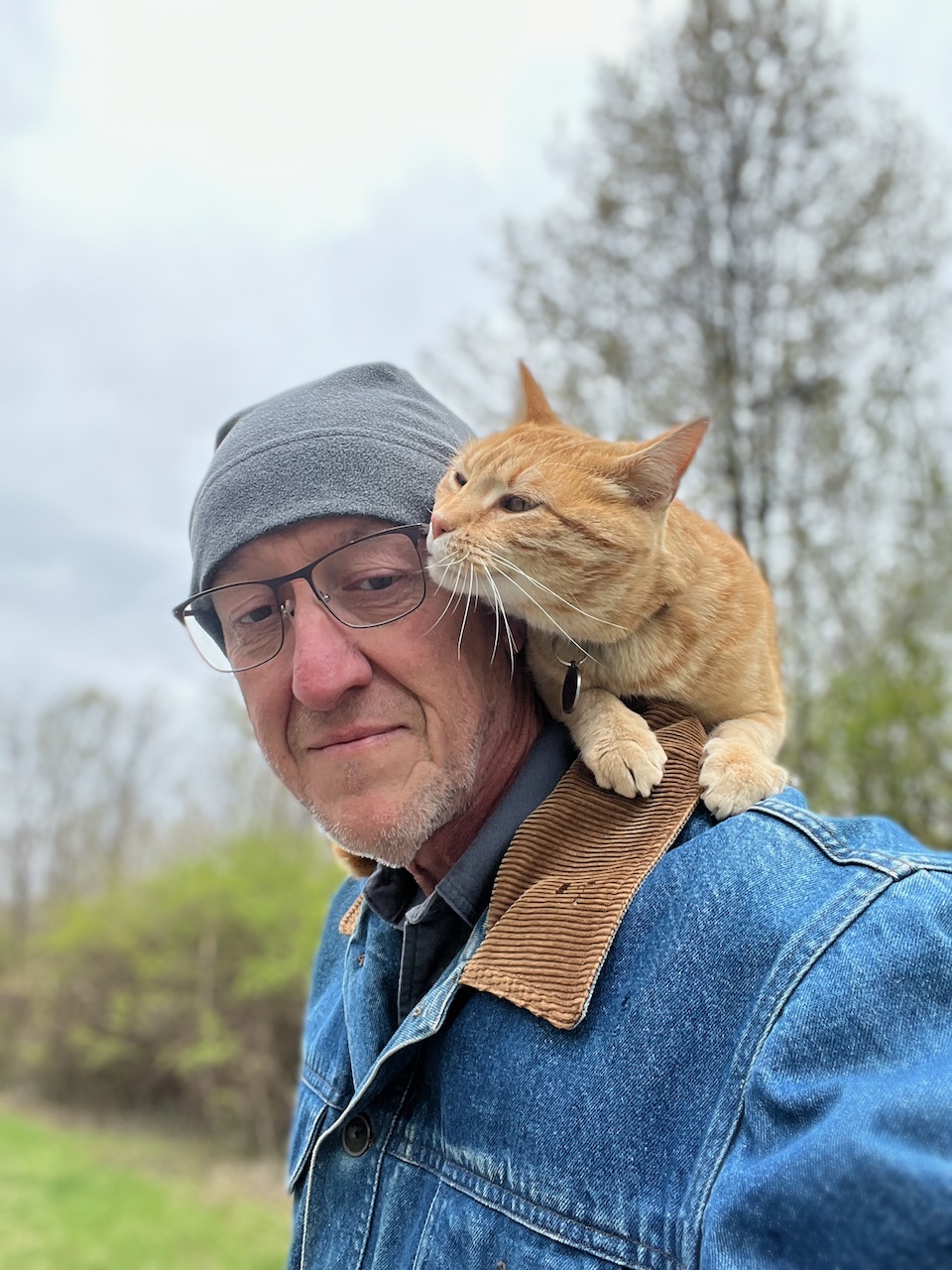
John Griswold is a staff writer at The Common Reader. His most recent book is a collection of essays, The Age of Clear Profit: Essays on Home and the Narrow Road (UGA Press 2022). His previous collection was Pirates You Don’t Know, and Other Adventures in the Examined Life. He has also published a novel, A Democracy of Ghosts, and a narrative nonfiction book, Herrin: The Brief History of an Infamous American City. He was the founding Series Editor of Crux, a literary nonfiction book series at University of Georgia Press. His work has been included and listed as notable in Best American anthologies.
By John Griswold
By
John Griswold
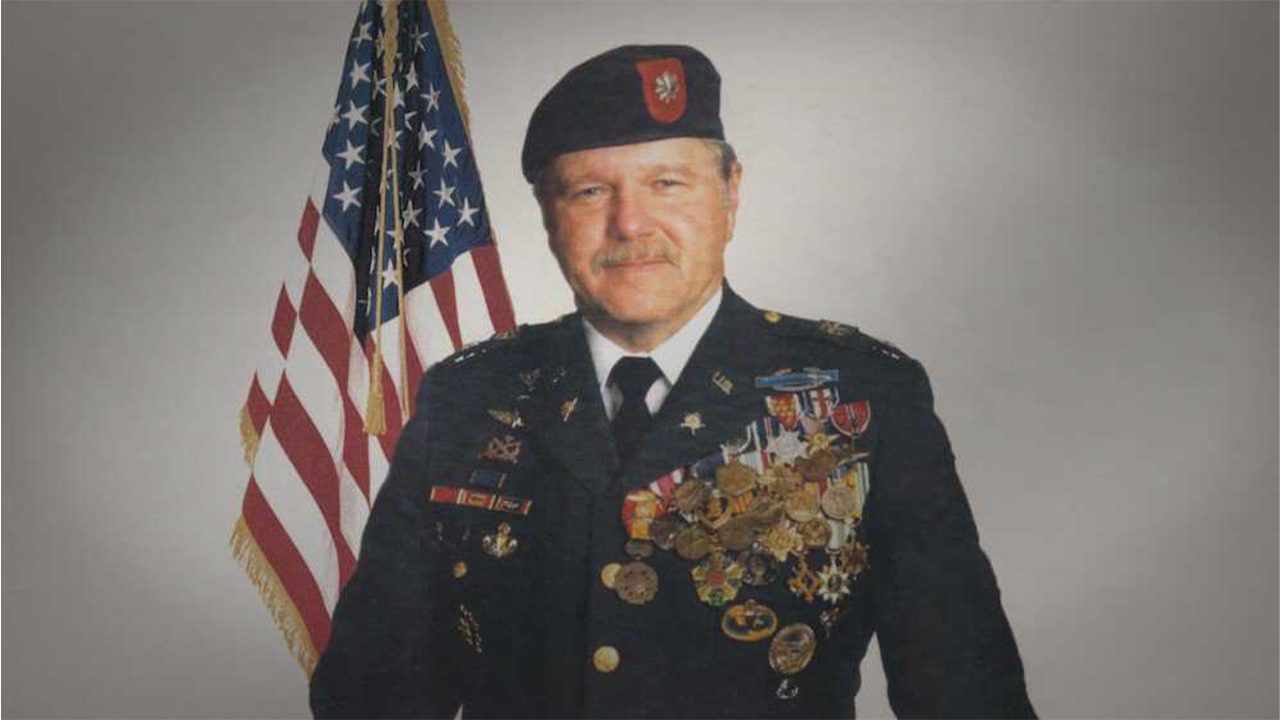
Having retired and returned to civilian life, what did Bo Gritz try to teach or communicate to us? Unlike, say, John McCain, he never modeled reconciliation with former enemies. He did not go to Vietnam after 1995 with veteran groups for humanitarian purposes. He did not preach against violence, or for peacefulness, responsibility, or inclusion. Mostly, he seemed interested in anti-social things: radical individualism, extreme autonomy, distrust of people, and the assumption of his own power, by violence if necessary.

By
John Griswold
I asked a friend which of two things she thought true: Are our lives narratives? Or are they many quick stories/events/incidents that pop up, one damn thing after another, which are tied together only by the meanings we assign?

By
John Griswold
Saint Louis Art Museum’s Art in Bloom, now in its twentieth year, is the museum’s most popular event, a long weekend of activities centering around the pairing of specific works of art in the galleries with flower arrangements, which reimagine them, by mostly professional floral designers and garden club members.
By
John Griswold
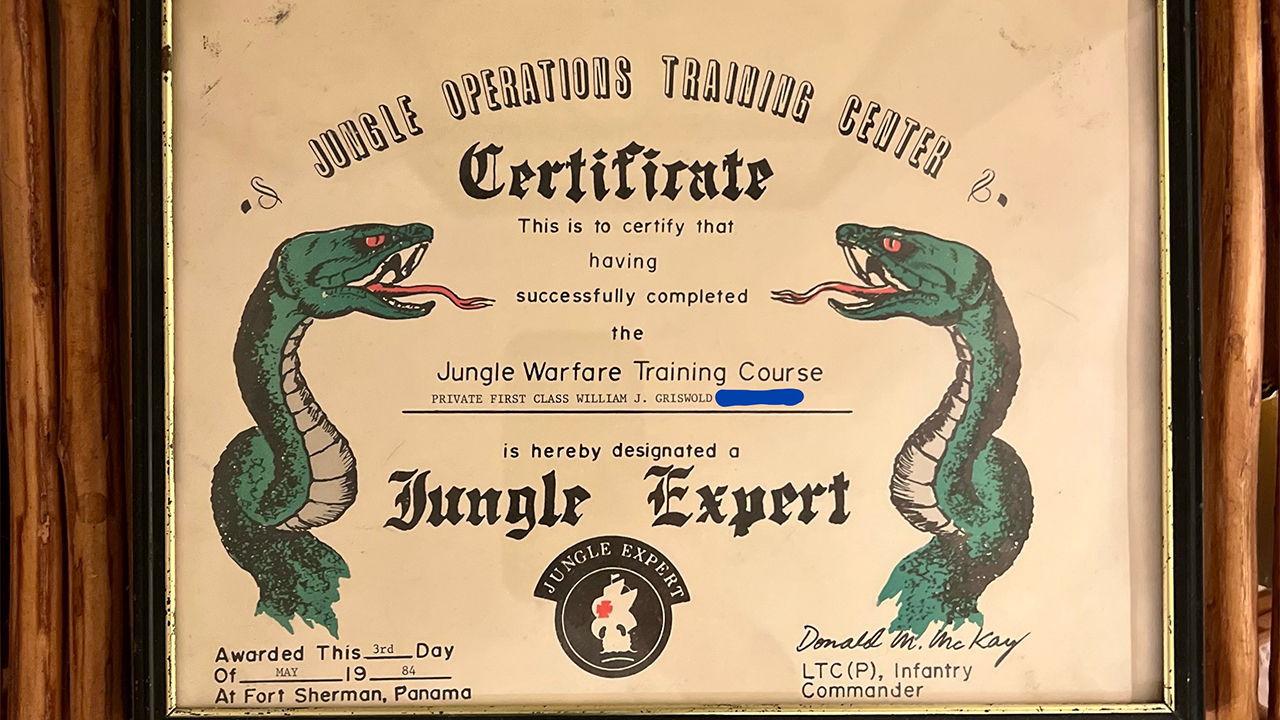
Back when I attended the original Jungle Operations Training Center, in the spring of 1984, it was run entirely by US Army cadre, and the Russians were the bad guys. We were told a Russian trawler offshore was monitoring and trying to disrupt our radio communications on field exercises, and the outlined figures on paper targets at army rifle ranges wore Warsaw Pact helmets. “Plus ça change, plus c'est la même chose,” as the first industrial-colonial power in Panama says. But the rigors of the Panamanian landscape and its climate have proved difficult for all foreign comers for 525 years.
By
John Griswold
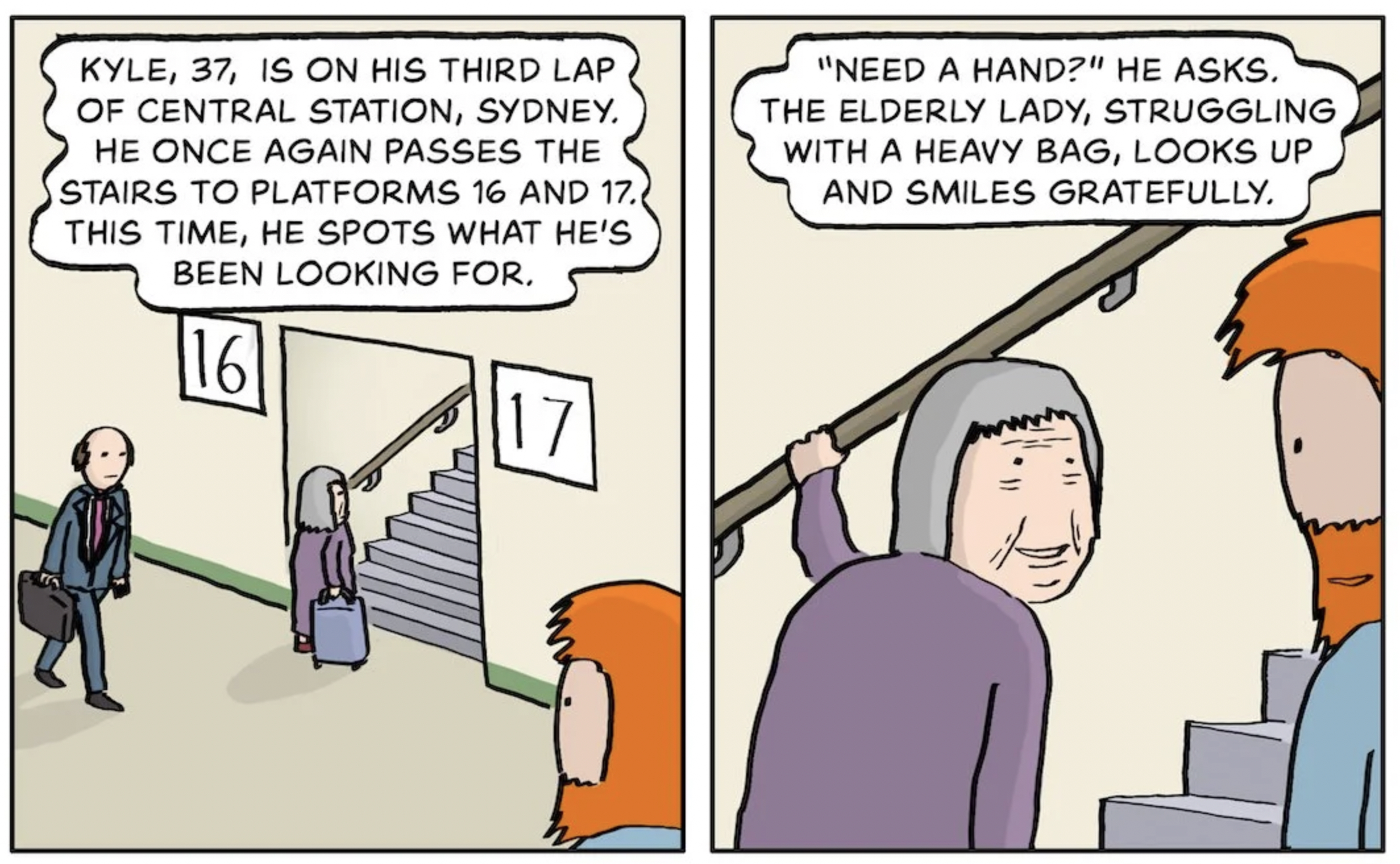
Cartoons are one of my favorite things on Instagram, especially when they touch on humor, confusion, sadness, practical philosophy, and cultural critique.
By
John Griswold
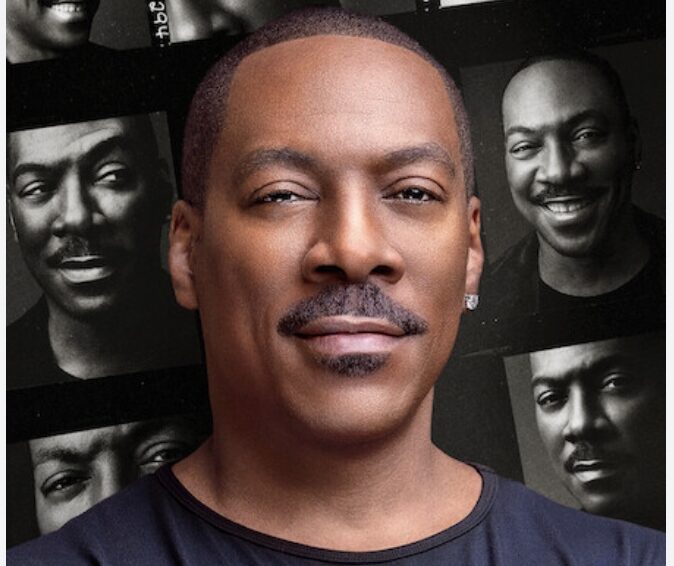
Many recent documentaries about comic entertainers show the alienation, sadness, and self-perceived failure in the lives of people we think of as “funny” and investigate connections among hardship, talent, and drive. While “Being Eddie” is interesting, and Murphy is good in it, if somewhat restrained, it has little such complexity.
By
John Griswold
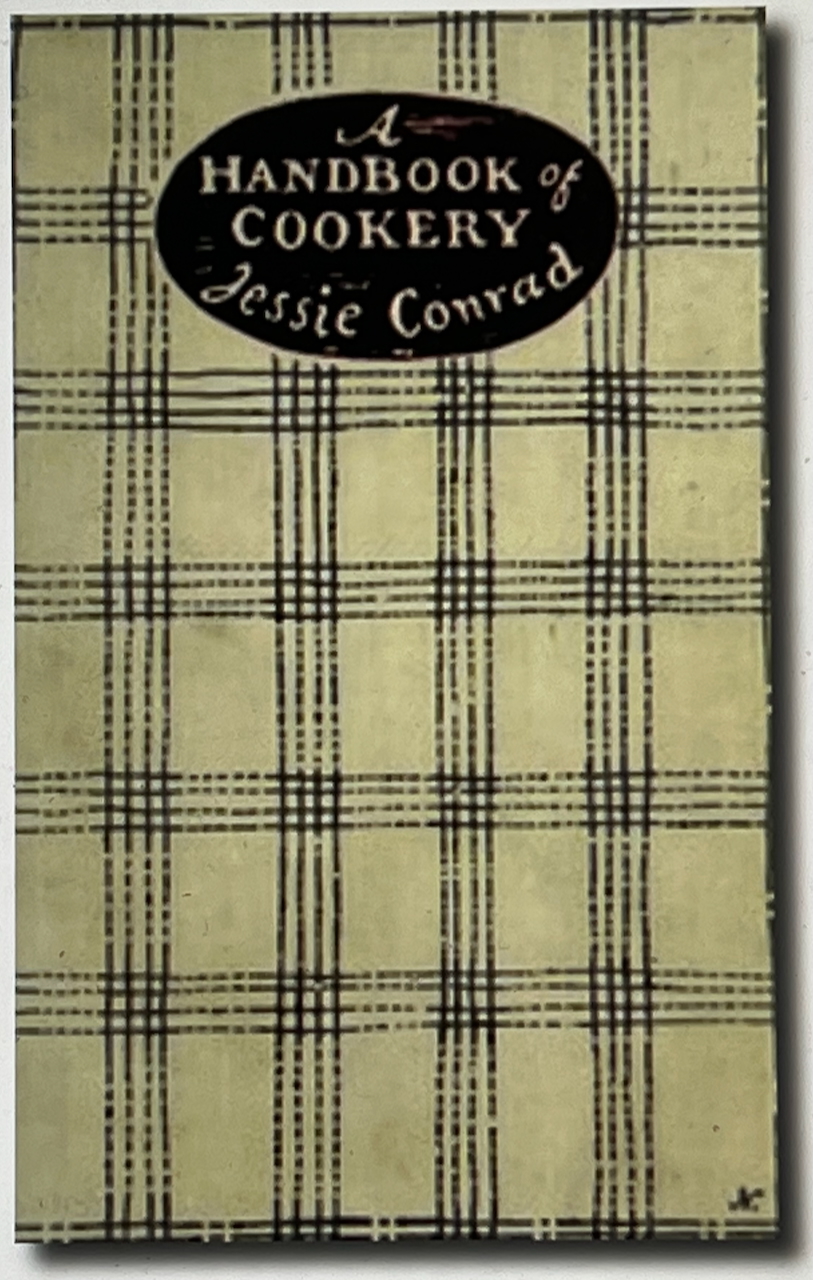
Like many old cookbooks, Jessie Conrad’s contains recipes we all still know and enjoy, such as an apple tart from scratch, as well as those you might not have enjoyed in a generation or two, such as calf’s kidney on toast; bacon pudding; pigeons with carrots; and “Boiled Mutton for an Invalid.”
By
John Griswold
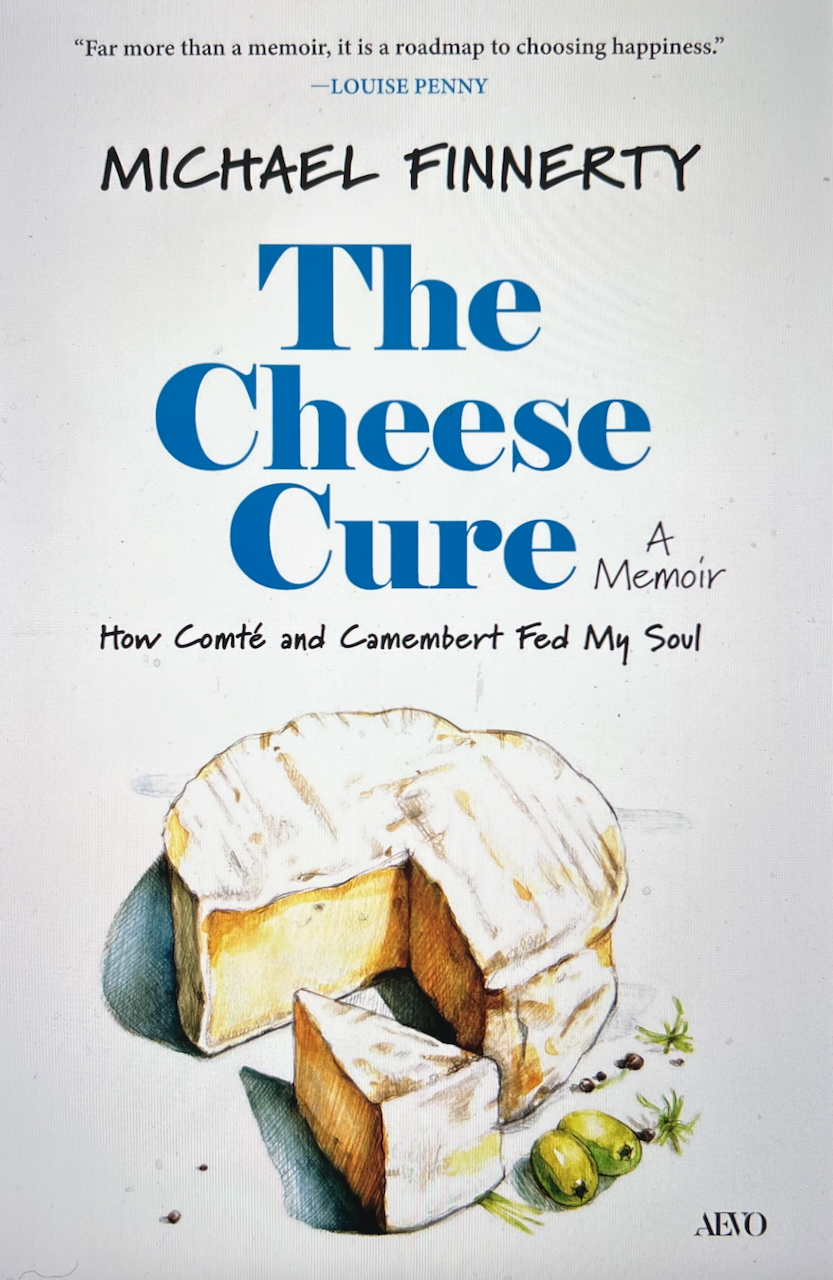
I ate a lot more cheese than usual while reading this book, which is testament to Finnerty’s passion for the subject and his ability to sell it on the page and verbally in the market. While reading through New Year’s, I realized I still had half a dozen leftover bits of different cheeses I found before Christmas in a supermarket in Metro East St. Louis.
By
John Griswold
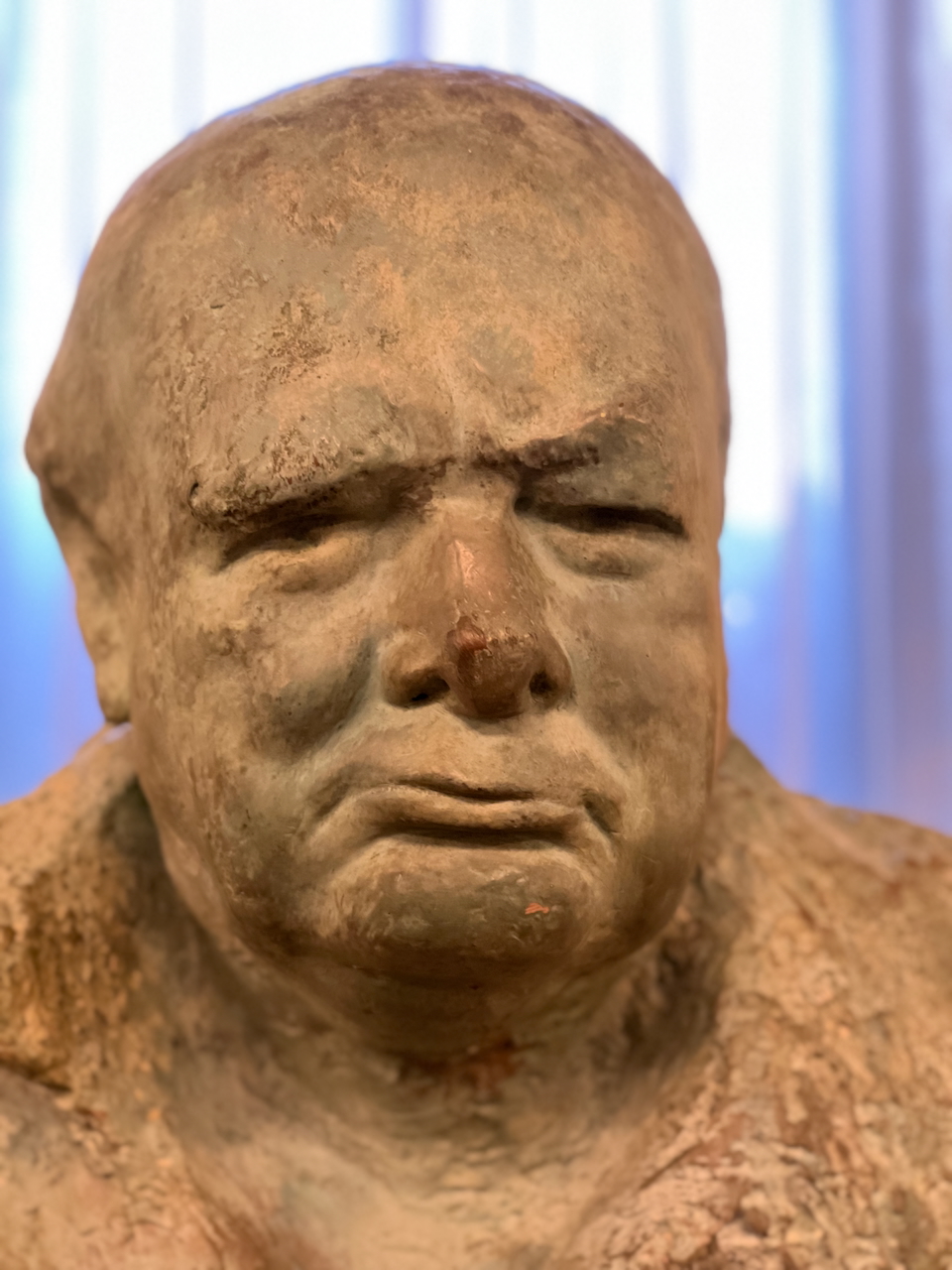
Finding a museum dedicated entirely to Churchill, in Fulton, Missouri, two hours west of St. Louis, seems as odd as it would be to find a Charles de Gaulle museum in Brooklyn (the one in lower Alabama), just north of Rome (in Alabama’s Conecuh National Forest).
By
John Griswold
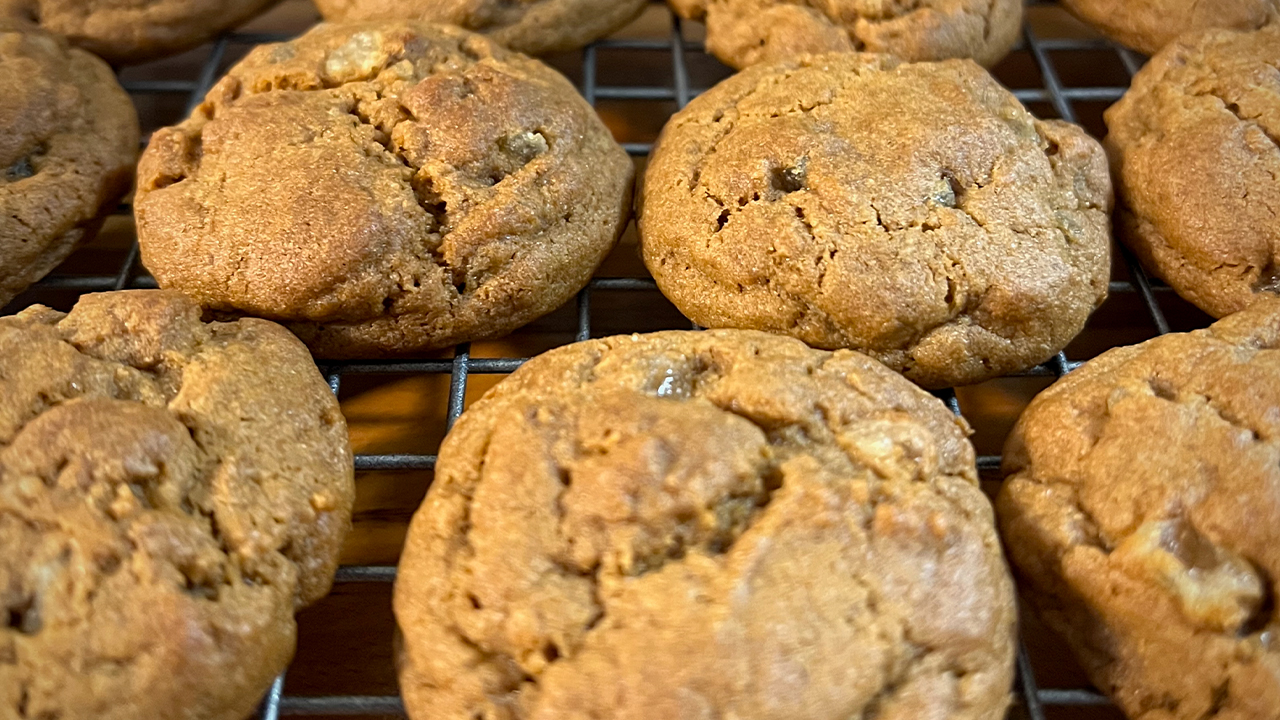
The ginger nut (and by association other cookies of its type, such as those made with black peppercorns) has an aggressive presence but offers scant sustenance. It is meant to aid digestion of other things, to have a warming effect in winter, to relieve boredom, and perhaps to remind us we are alive in the sometimes dry, husky business of life.
By
John Griswold
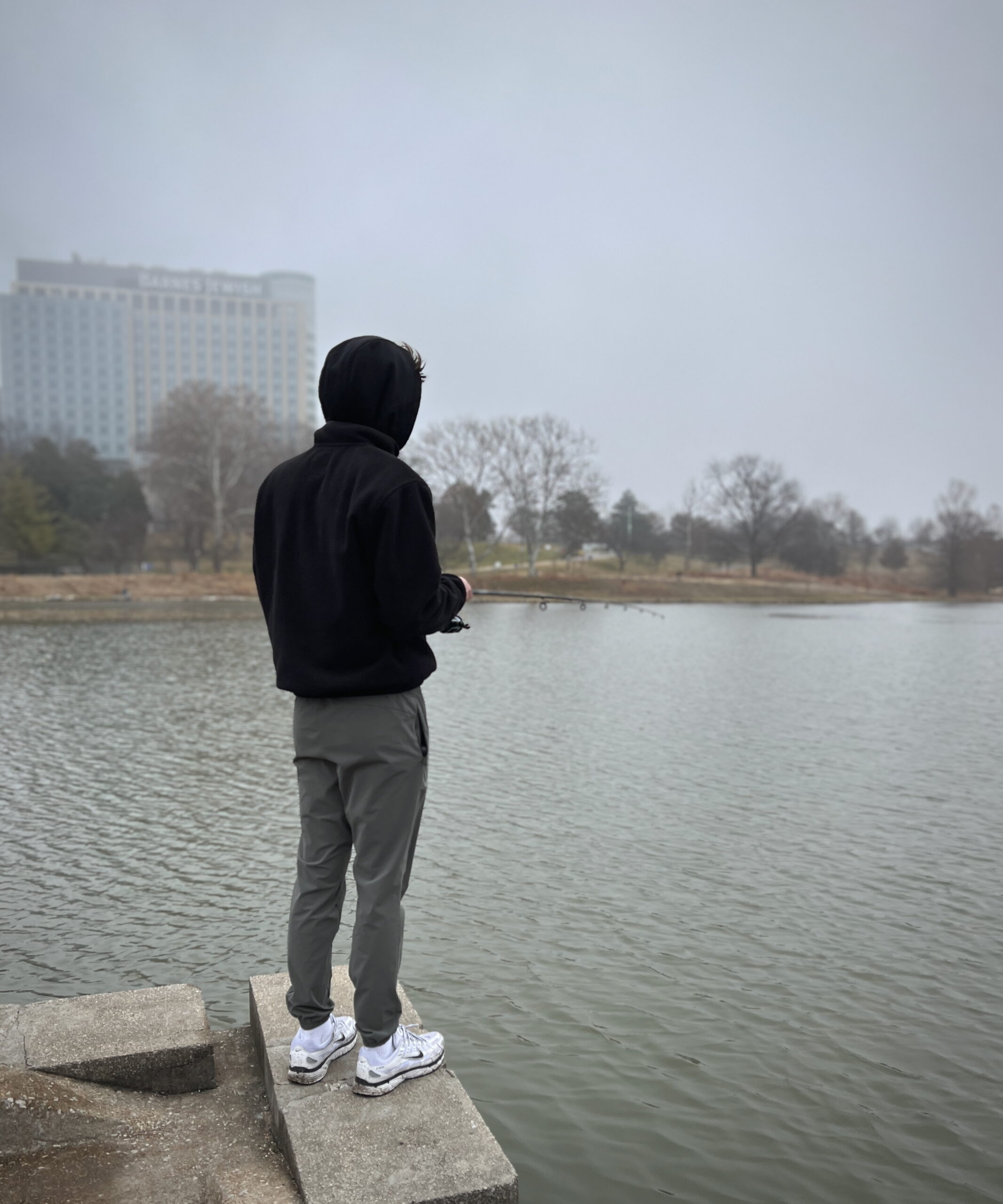
Jefferson Lake is 14 feet at its deepest but holds Largemouth Bass, Channel Cats, Crappie, Carp, Topminnows, Golden Shiners, and Bluegill. Being a non-fisherman and non-city dweller, I was surprised by the variety.
By
John Griswold
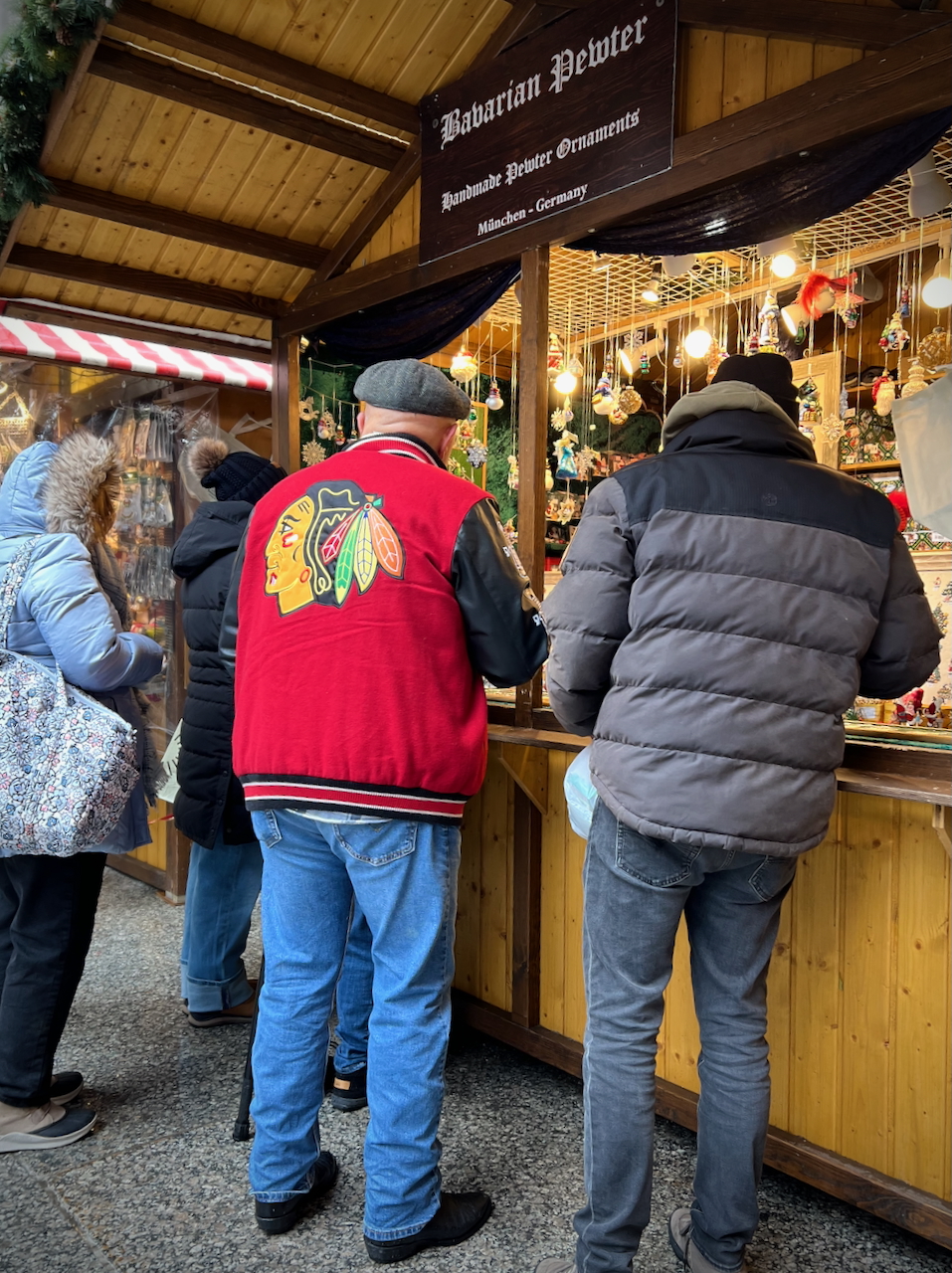
The skies are gray, but a drive from St. Louis this week through the windswept fields and windmill farms of Illinois was pleasant, as was the cinnamon-scented fellow at the front desk of a River North hotel in Chicago, who welcomed us to town.