Steinbeck Could Not Save to the Cloud
The Cloud has transformed our relationship to physical information. We no longer have occasion to be brave, to at least pretend nonchalance. We have no reason to make a fresh start.
The Cloud has transformed our relationship to physical information. We no longer have occasion to be brave, to at least pretend nonchalance. We have no reason to make a fresh start.
This show is so White, so retro-male, so ripe for scathing dismissal by the snooty elite. There is even a class overlay.
Notes jotted in a margin carry on a conversation with future readers. Not with the authors themselves, mind, and often it is lucky for them that they remain oblivious.
Many of us are vulnerable to suggestion, our memories blurry and uncertain. But intense emotion can also etch an experience in memory with every detail intact. Overly involved therapists can push a certain narrative until their client believes it verbatim. But the mind can also shelter us from pain and release it back to us little by little, as we can handle it.
(Photo by Patti Gabriel) When I learned that Jovenel Moïse, president of Haiti, had been assassinated—after riots and demands that he resign—something inside me crumpled. Again? I was in Haiti during its 2010 presidential elections, along with the professional photographer who shot the image above, Patti Gabriel. We…
Dancing in groups can strengthen social bonds, researchers have found; it brings a feeling of connection and unity. Why? Because when we are all moving in the same way at the same time, swept up by rhythm and melody, the boundaries of our lonely little separate selves blur.
Moholy-Nagy had never gone to art school, and he had never taught. He had an almost childlike interest in anything new, especially the machines that were transforming industry.
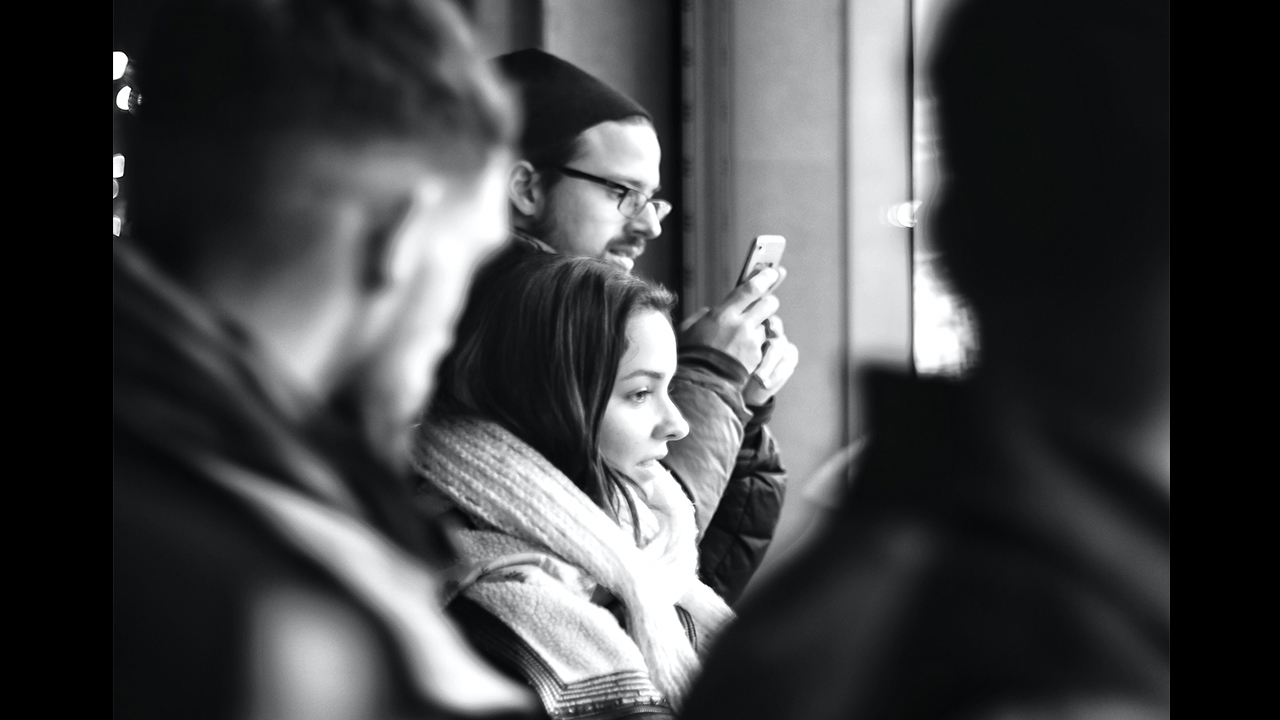
We talk about paying attention, as though it is a debt—and these days, attention is definitely currency. We still use money and buy material stuff, but these transactions all begin by gaining our limited attention.
Each episode of "Lupin" brings the joy of a man living by his wits and prevailing, in a clever and playful way. We do not do a lot of that.
A civilization lost in translation? One whose stories had to be told by others? Those are factors, but the bigger piece, the Saint Louis Art Museum’s Nubia exhibit confirms, is that Westerners were blinded by their own assumptions.
Prof. Rebecca Copeland, in her home with her collection of kimonos (Credit Joe Angeles/Washington University) I so enjoyed Dr. Rebecca Copeland’s mystery, The Kimono Tattoo, that I wanted to solve the next mystery. Not the sequel (though she is writing one) but…
Westminster champion Wasabi. (Photo by Jack Grassa courtesy of WKC.jpg) Ah, Westminster! Where else can a trapezoidal head, or an egg-shaped one, be a mark of honor? Dogs are my favorite sport, and dog shows one of its spectacles. I watch rapt, drinking in the elegant curve of…