Sacred Monotony
This thing that I had avoided for years, that our entire culture avoids, turned out to be, overused but accurate word, transformative.
This thing that I had avoided for years, that our entire culture avoids, turned out to be, overused but accurate word, transformative.
Oliver Burkeman wants us to work four hours only, relax about to-do lists, and realize what we expect of ourselves is already impossible
Spoilers can be justified: without them you will need to go back and read this whole gorgeous book all over again.
Colors drawn from nature are now synthetic and often garish...much like our daily life.
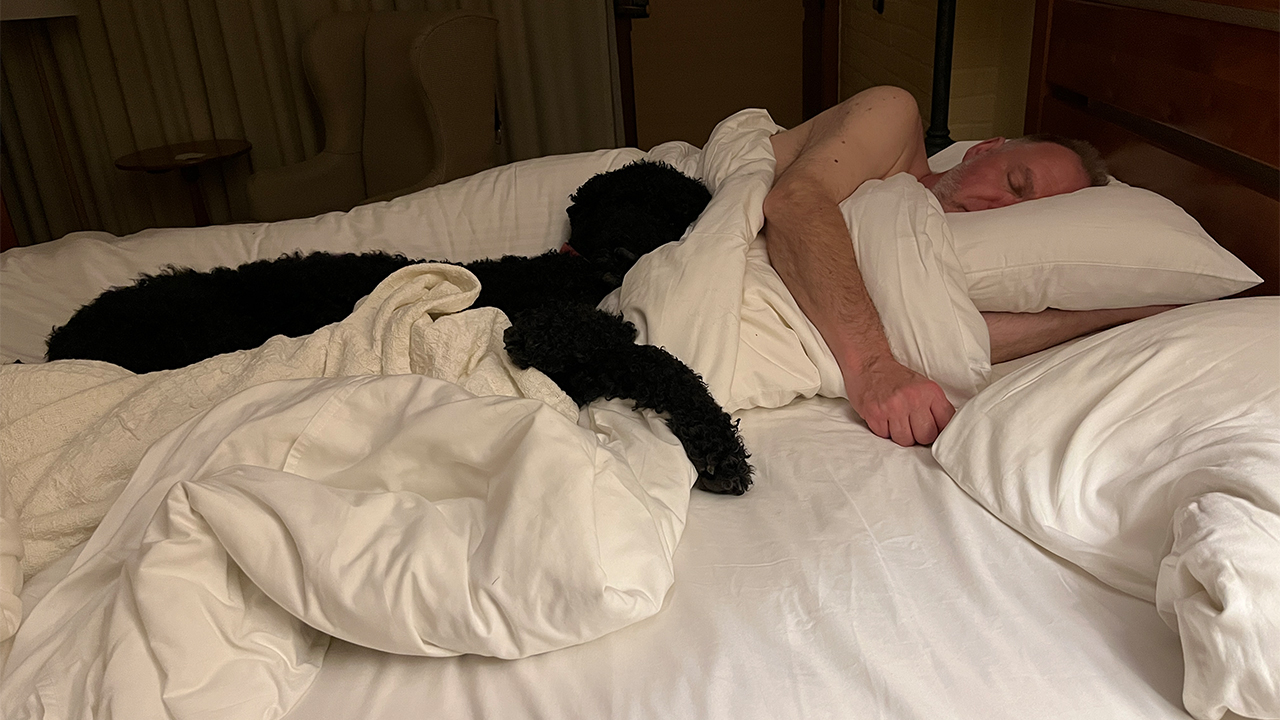
A marriage must be flexible. One is strong while the other flags, then you meet in the middle and run parallel for a while, then the music stops and you switch, fast as a game of musical chairs.

Like children, we rush the season, celebrating each holiday long before it arrives and growing sick of all of them. Sure, greedy retailers—but does the problem go deeper?
The three-martini lunch, once standard, turned scandalous in the seventies, hastily replaced by light beer and wine coolers. Then came a defiant resurgence of glam cocktails and cigar bars, followed by a wave of sober-curious shaming....
Our everyday environment “used to be quaint and quirky,” Vishaan Chakrabarti writes. “Now it is mundane and monolithic.”
Slavery, the Holocaust, Japanese internment camps, the birth control pill--all much too messy and confrontational to remember.
It is heartening (and this is a measure of where we have been) to remember that civility is not dead, not abandoned, not impossible, not a waste of breath.
We need to abolish pronouns altogether. And not for the reason you think.
“Both the media and the politicians benefit from keeping us divided. They push us to the extremes, because that is where the clicks and the money are.”