What, to the American, is Independence Day?
Many of you may not quite realize that Independence Day for many Black folks is more important than you know, signifying the price paid for and memory of a paradoxical fate.
I go to church on Sunday but I have been told that addictive personalities find it hard to kick their habits.
The pitch clock is meant to shorten the length of games which, apparently, is one of the major sins of baseball, even in the eyes of the people who oversee the sport: the games are too long. Supposedly, shortening the length of games to under three hours will make baseball more attractive to younger fans, who somehow feel that the national pastime is too nineteenth-century.
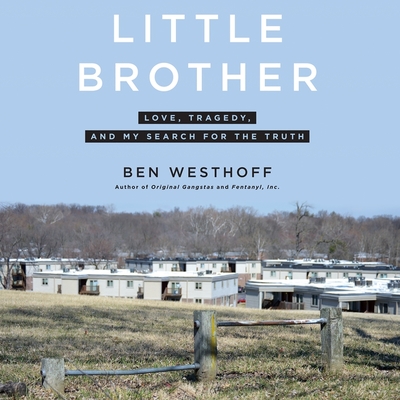
What makes Little Brother important and a must-read certainly for St. Louisans is its powerful account of a slice of Black life in our region, a vivid picture of the good and the beautiful and the bad and the ugly of North County, a life cordoned off from the rest of St. Louis as if it were a leper colony. Westhoff’s account of the families, the male bravado, the petty crime, the violence, the art and aesthetic of its rap culture, all of this is worth the price of the book. For what Westhoff reveals is the vast profundity buried in the absurdity of Black urban life that also reveals the inadequacy, hypocrisy, and flawed nature of White bourgeois life.
We were proud to be Americans, “groomed to it,” to use a phrase. I do not regret this at all, for as I recall I think most of us were happy as children. Our circumstances were not such that we thought, I suppose, that it was self-evident that we should be unhappy. I do not think, for quite a while in my childhood, I really knew what unhappiness was and certainly did not know what racial grievance was or what it was to be unhappy as a Black person.
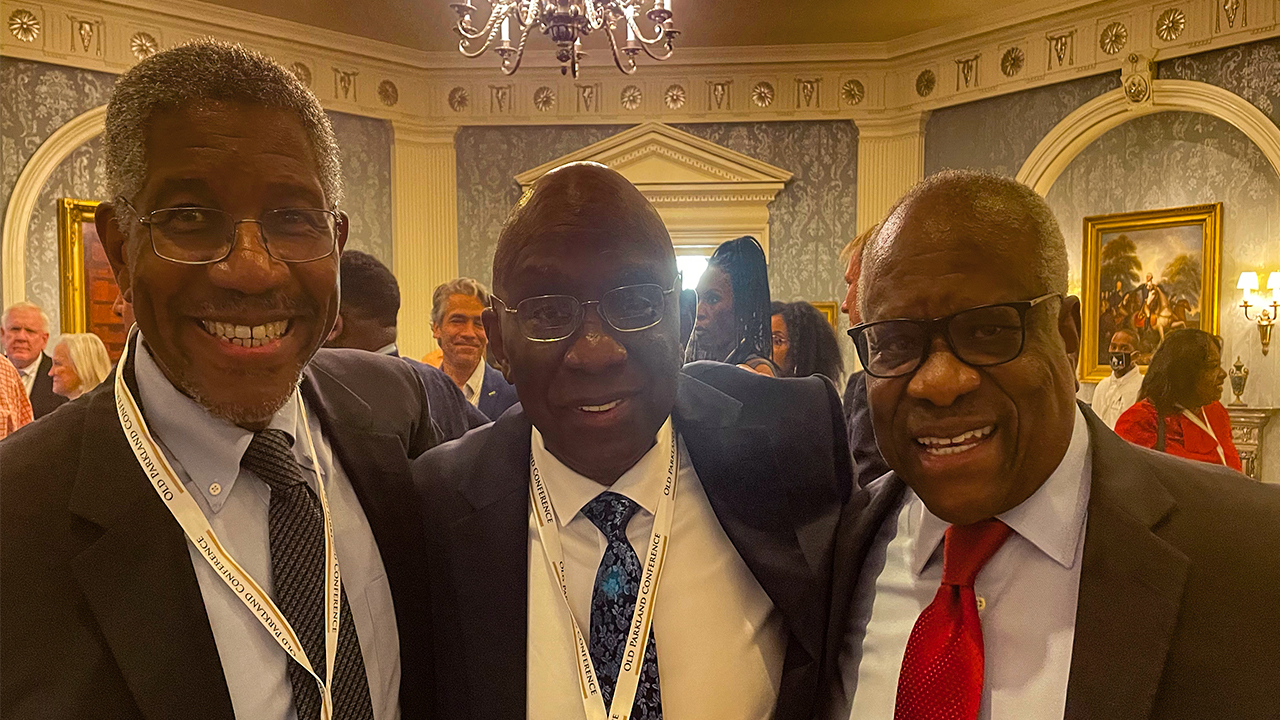
One may reasonably disagree with the views of Black people who attended the recent Old Parkland Conference this month in Dallas. But it is the height of intellectual, cultural, and political dishonesty and irresponsibility to call these people Uncle Toms or sellouts. They can only be understood as part of a Black tradition of thought, the rise of new ideological descendants of Booker T. Washington.
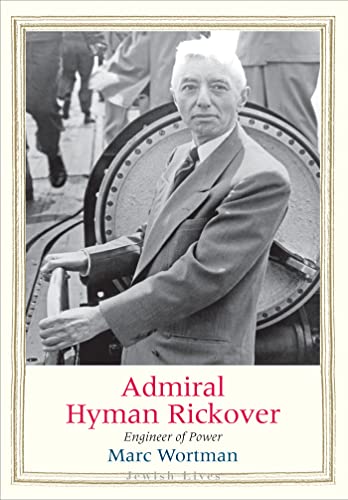
Here is the story of how the development of nuclear power that had peacetime possibilities and Hyman Rickover’s personality merged at an essential moment to create a reactor that worked by 1953. Someone else could have developed the nuclear sub, but no one could have done it as quickly and as well as Rickover did.
The attack on Dave Chappelle demonstrates that taboo-slaying is a bit more complicated process in this country than some might think, and who is on whose side might be murkier than some had hoped.
Shot at a Brothel tells, crisply and succinctly, the story of the rise and fall of Oscar Bonavena, a significant, though not great, boxer of the 1960s and 1970s. Like the other books in the Hamilcar Noir series, it shows the underbelly of the world of boxing through short biographies of fighters who sustained tragic ends.
Well into my adulthood I thought film director Jules Dassin was a European. It was not unusual for me to think this. My interest in film for many years was merely casual, even now; so, I did not pay close attention to the people who made movies.
Integrated into this flattering memoir of Limbaugh is Golden’s autobiography, his adventures in radioland as a data analyst, a producer, a call screener, and an on-air personality. The book also devotes considerable space to Golden’s political views as a Black conservative.
The Oscars have figured out how to make this long, boring show interesting: Have the participants assault each other.