Groovin’ on a Sunday Afternoon with the Rascals
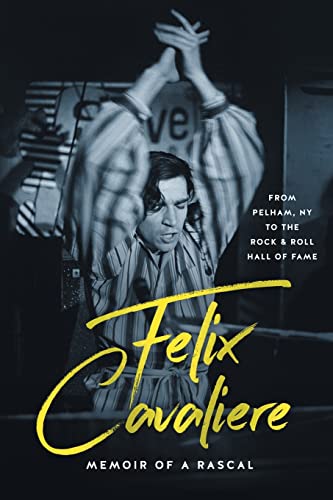
Mocked as an Italian, disappointed by his Catholicism, physically unprepossessing, rock and roll offered Felix Cavaliere the charisma of revolution. And revolution is always about how the odd get even.
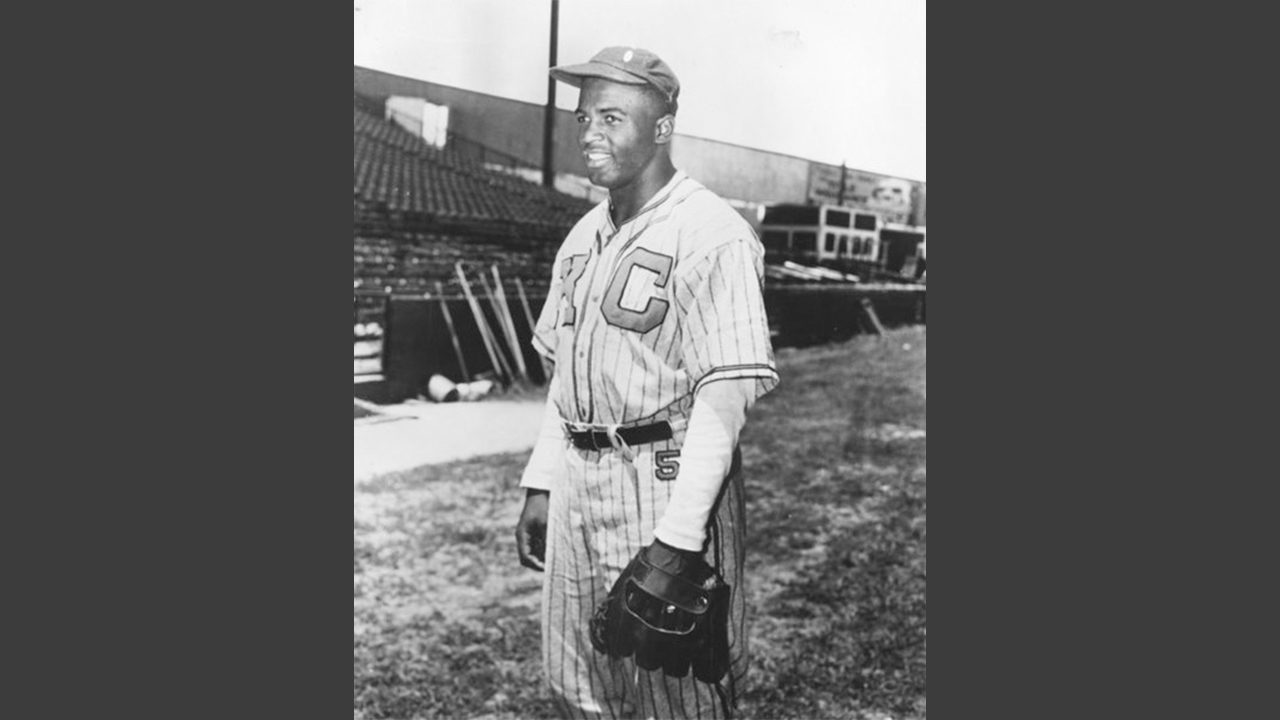
Robinson’s Republicanism, coupled with the fact that he was a high-performance athlete who believed in objective measures of merit and the validity of competition, explain why he hated the idea of lowering standards for Blacks. In this regard he is not different from Wynton Marsalis, Albert Murray, Ralph Ellison, and the late Stanley Crouch.
The right has been on this push about Blacks lowering the standards of higher education since the early days of affirmative action in college admissions back in the early 1970s. Many Black commentators and activists have chosen to circle the wagons to defend Gay and cry racism. This is understandable. But there is a larger issue here about exactly how our race is supposed to function within the American university.
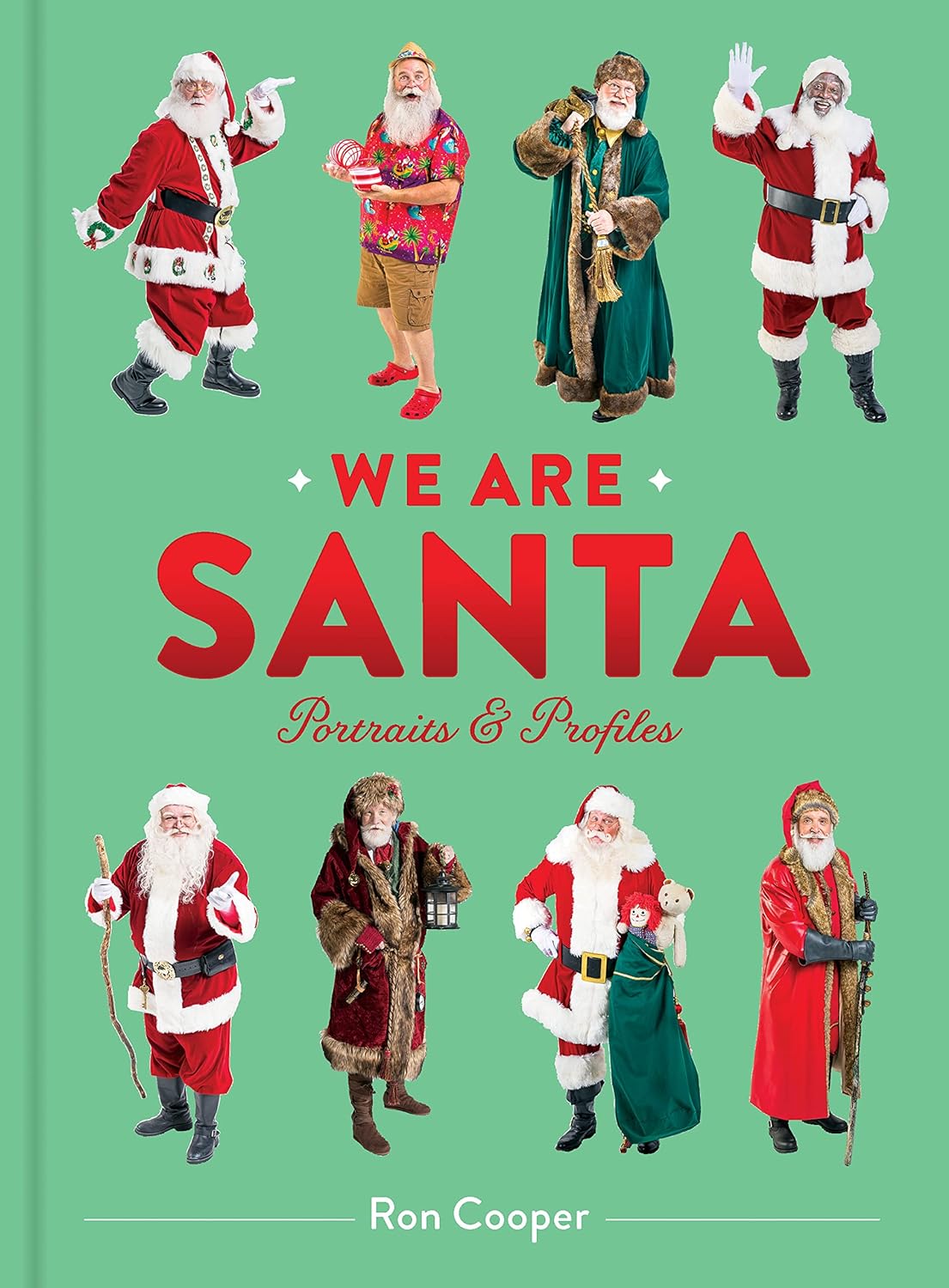
All of the men profiled in Ron Cooper’s book have been trained to be Santa, have been taught how to talk to children, to put nervous children at ease, and to make misbehaving children less truculent. They have been taught how to deal with difficult or awkward requests or wishes. It takes some dedication to be Santa. Maybe we all need to take a bit of instruction at a Santa school.
I think my sister was convinced that in order to be true to herself as a Black person she had to be anti-Israel. I understood that years ago and understand it now. Just as a point of racial pride, forget all the left-wing scaffolding. How could she be for a Jewish state when she thought about how Jews were instrumental in financially and ideologically supporting the Black Freedom movement in the United States?
People are always trying to find ways to get out from under their guilt. Is the Palestinian simply a tool for Europe, for guilty White westerners, to get out from under the guilt they feel about their persecution of the Jews? If that is true, it is too bad for Palestinians and worse for Jews. Neither is human in this scenario. Blacks, because of our experience, should bear that in mind even more so than other Americans might.
If Amiri Baraka was the godfather of the 1960s Black Arts Movement, Sowell is the godfather of Black conservatism. And Black conservatism is as important to African American Studies as the Black Arts Movement no matter how disagreeable many of us in the field may find many of Black conservatism’s assumptions to be.
Why We Love Baseball is an enjoyable book. It is well-written, tugging at the heartstrings one moment, being like Ripley’s Believe It or No” in another. There are lots of good portions here for St. Louis Cardinals fans, and aspects of the book could actually appeal to people who are indifferent to baseball. Still, this book is clearly for fans.
Perhaps, given our recent claim to greater visibility and the fact that RISE is arguably the first volume of its kind—especially as a “pop history of Asian America”—overzealous readers like myself may hastily expect it to be the Asian American story.
Alas, it is not the music that is the relic but Wenner himself.
Criminal (In)Justice is an accessible, highly readable book that does an excellent job presenting the counterarguments to the anti-mass incarceration, defund the police crowd. If you want to know arguments and the evidence for them, this book is a concise, painless way to learn.
Fans of the St. Louis Cardinals are nonplussed, perhaps even offended, by the idea that this year the Cardinals are sellers, in last place, and what adds insult to injury, in the central division, usually considered weaker than the eastern or western divisions of the National League.