Why Can We Not Admit That the 1990s Was The Greatest Decade?
We seem unable to acknowledge the greatness of the 1990s not because we cannot remember its halcyon spirit but because we refuse to.
‘Small Things Like These’ neither lifts the heart nor breaks it. Instead, it is a quiet story suspended in the hopes of what Christmas might mean in years to come—and could mean now, this very year, if and when we find courage enough to search for it.
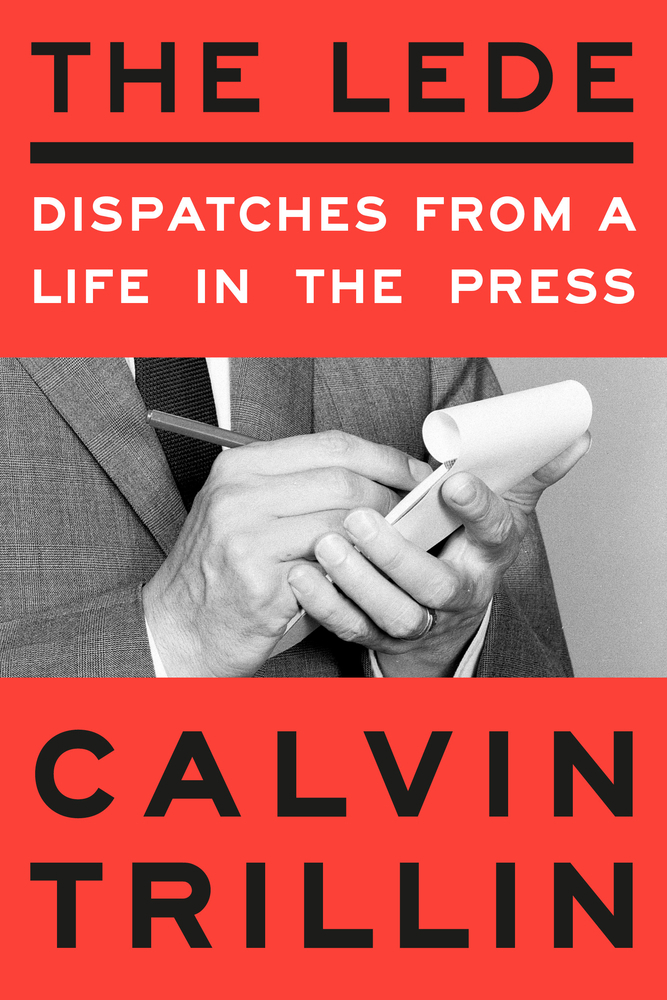
Readers old enough to remember the golden age of magazine and newspaper columns can hold their heads in despair, or they can pick up the latest collection of works by Calvin Trillin, a Missouri native (Kansas City, to be exact) and a master of the form.
The future is written faster than we can read it, but that does not mean we cannot try, even if all there is to see or read are backs turned toward us, or eyes looking away. One trick of being a capable parent is not overplaying your hand or pressing your argument. Just do your best to see what your child sees.
Romantic anguish, or desires, are set off within seconds via texts. Consumer fulfillment is stretched like taffy whenever we check tracking services on an order. If you endure the returns process waiting in line at the post office, or Amazon returns location, it becomes a sentence on a desert island. Never will the two points of fulfillment meet.
Tocqueville’s book on the French Revolution is less known in our country than his larger book chronicling American social character. In this era of “America First!” it makes sense that we prefer to read about ourselves. Ancien Régime and the Revolution, though, contains political arguments more important to our time because ours is a time of seismic political change.
Science says that pain, done right, confers marked benefits. The trick, as in so many realms of life, is finding the right spot on the spectrum between what is chronic and what is manageable.
Watching ‘This Sporting Life,’ the viewer marvels at how Machin keeps on “winning” at every turn yet still fails to find the elusive victory he craves.
Like vinyl LPs, analog culture has invaded the margins of all things digital in order to treat us all to a bit of nostalgia. Thumbing through ‘Unwrap Joy,’ I was flooded by a surge of memories involving print catalogues of seasons past.
The seasonal drill of watching endless horror films is so familiar to Halloween lovers that it is a good idea to remind ourselves that horror films once aspired to tingle our spines, not lash our senses. To experience that vintage sense of unease we must return to the classics. Perhaps no other film makes that case better than director Jack Clayton’s 1961 masterpiece, ‘The Innocents.’
Truckloads of paintings and artworks attempt to depict or advocate political and historical events and eras. The Romans constructed arches to commemorate military victories for the foundation and building of empire. Emanuel Gottlieb Leutze’s Washington Crossing the Delaware (1851) rings a collective bell inside our national head every time we…
(Wiki-CC) A Sunday school teacher taught me as a child that the Apocalypse would be ushered in by—among other signs—seven seals, seven trumpets, and seven bowls. A newspaper colleague once joked to me years ago that God had traded His seven horsemen for a phalanx of car…