Comics and Black America
Add race to the story of comics, and things get very interesting indeed.
July 30, 2021
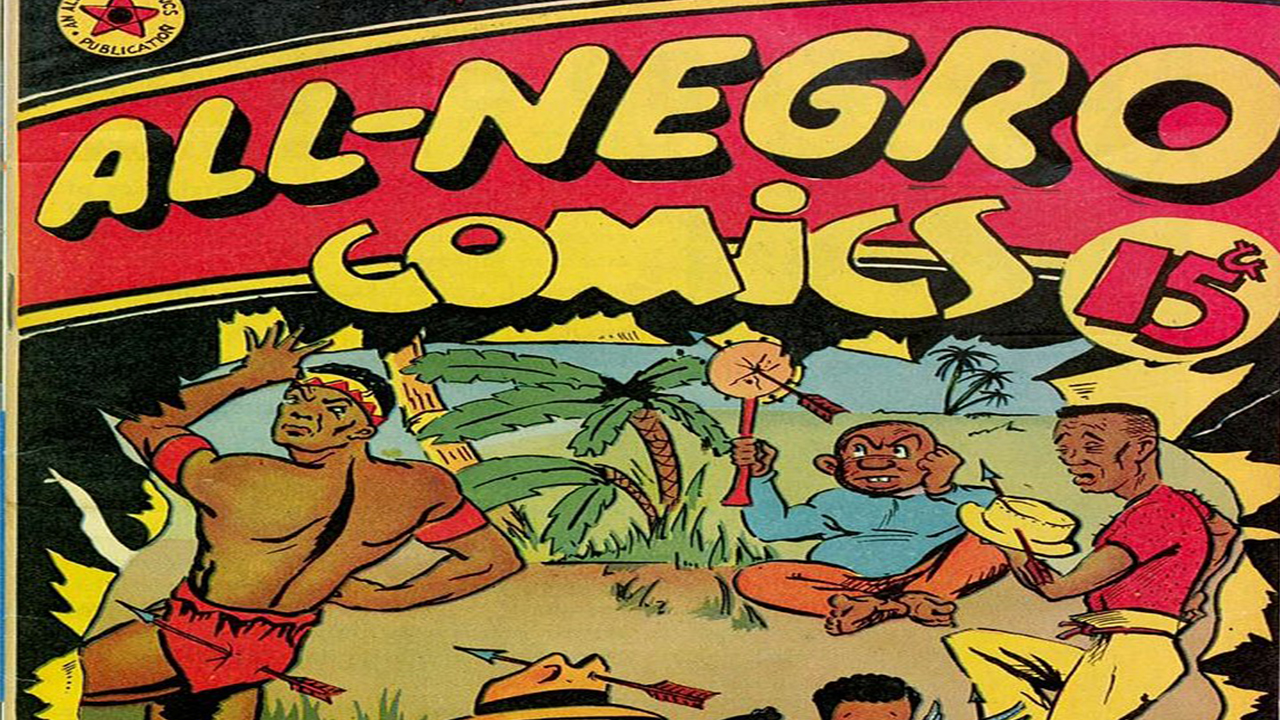
Add race to the story of comics, and things get very interesting indeed.
July 30, 2021
Who is winning the old nature-versus-nature debate? Which of these influencers has the upper hand? Are we mostly preprogrammed, acting out what has been inside us since Day One, or do we go in the direction life blows us?
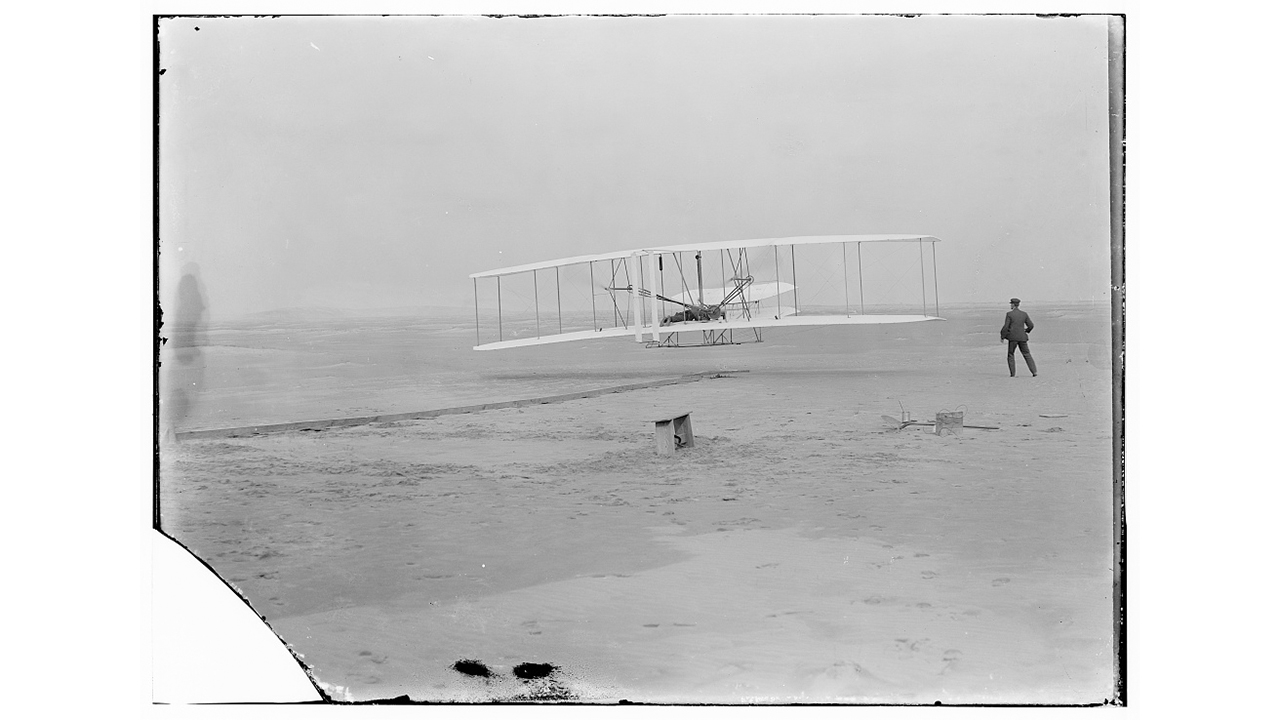
As I write this essay, I am listening to Bird’s records. I love the inventiveness, the breakneck pace, and the flights of fancy of his melodies. I admire his daring and ingenuity, just as I do the Wright brothers’ daring and ingenuity: over a century after they occurred, it is thrilling to read accounts of their first successful powered flights.
Nichelle Nichols, aka "Star Trek"'s Lieutenant Nyota Uhura, represented a miracle. In a decade that saw Black people beaten, jailed, and killed for wanting to vote, when laws effectively recognizing husbands as their wives’ bosses were still on the books in some states, what reason was there to think a Black woman would show up on TV as the equal of her White male colleagues? And yet there she was. There she is, always.
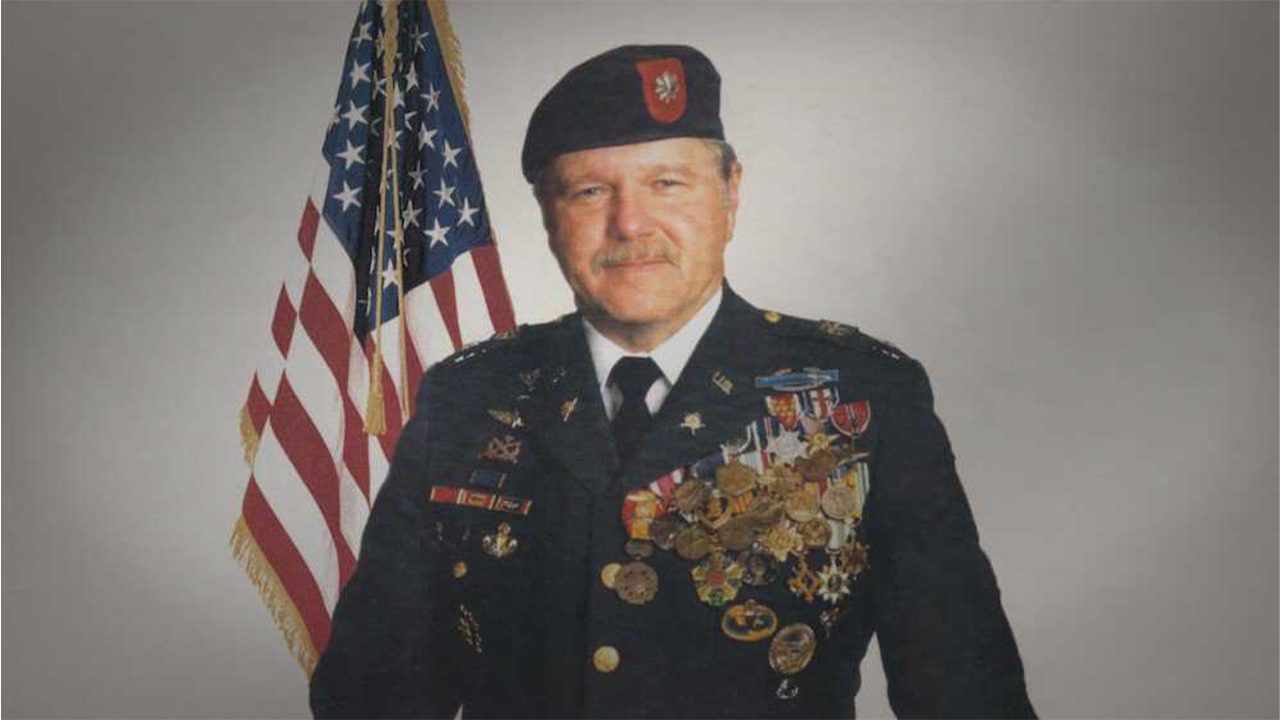
Having retired and returned to civilian life, what did Bo Gritz try to teach or communicate to us? Unlike, say, John McCain, he never modeled reconciliation with former enemies. He did not go to Vietnam after 1995 with veteran groups for humanitarian purposes. He did not preach against violence, or for peacefulness, responsibility, or inclusion. Mostly, he seemed interested in anti-social things: radical individualism, extreme autonomy, distrust of people, and the assumption of his own power, by violence if necessary.
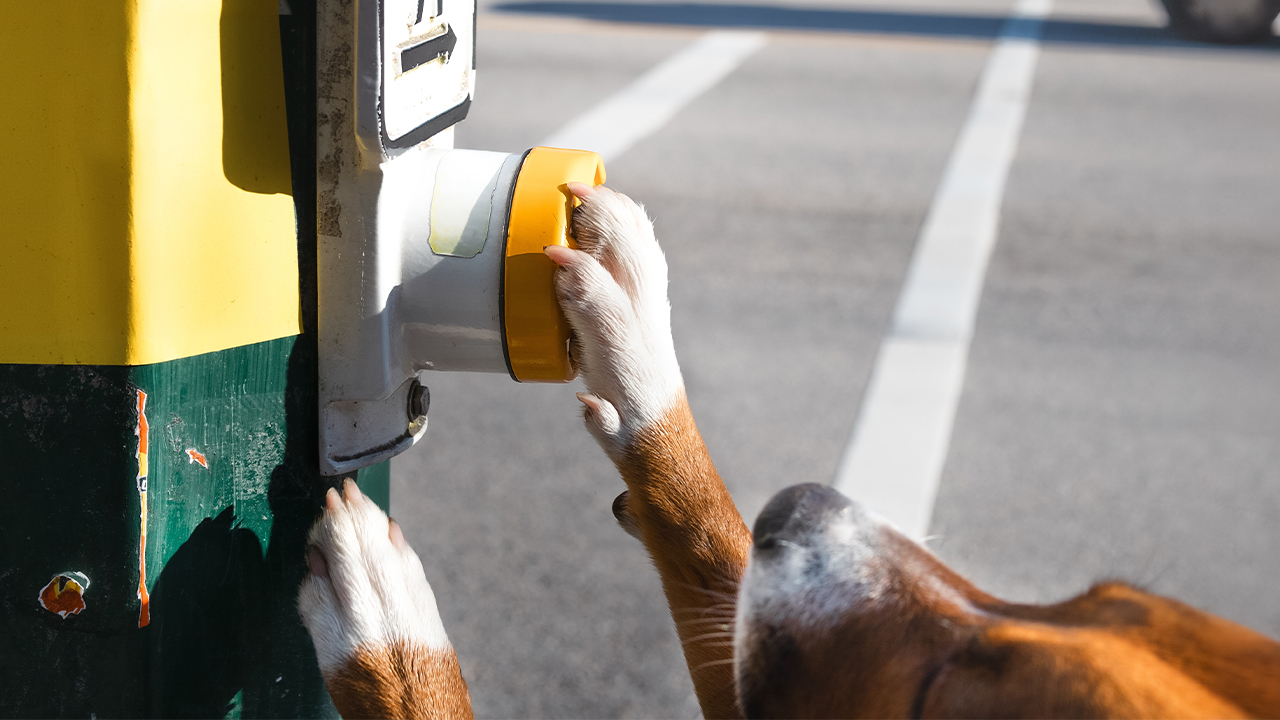
Language has allowed us to be bound together by codes of law; to move easily between past and present and future; to fathom the deepest mysteries of the universe. But while scholars were busy defending our species’ superiority, biologists were uncovering mysteries of animal communication that shot down one “special” human capacity after another.
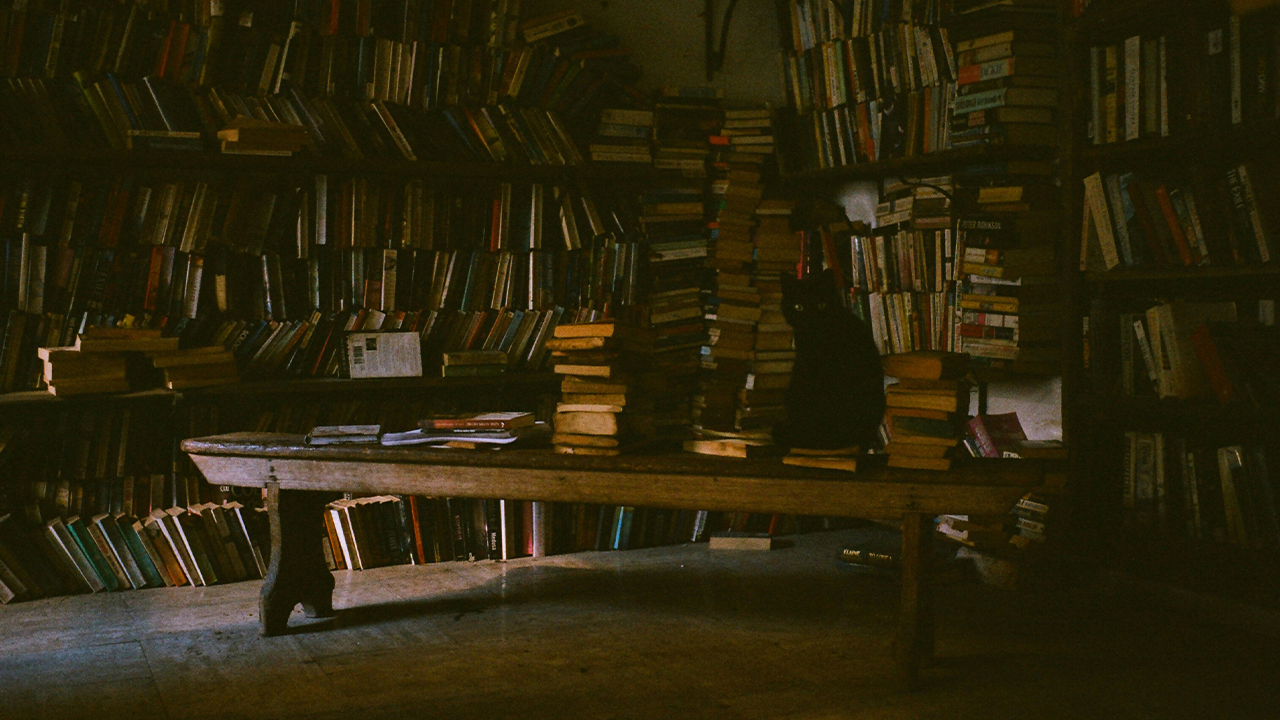
I have always loved my library. I have kept it with me, growing with me, since adolescence, through marriages and divorces, through changes in occupation from student to steelworker, from truck driver to college professor, and moved it from San Diego to Chicago, to Los Angeles, to Cincinnati, and finally to New York City.