People & Places

Ray Hartmann

Remembering the Publisher of “The Riverfront Times” and “St. Louis Magazine”

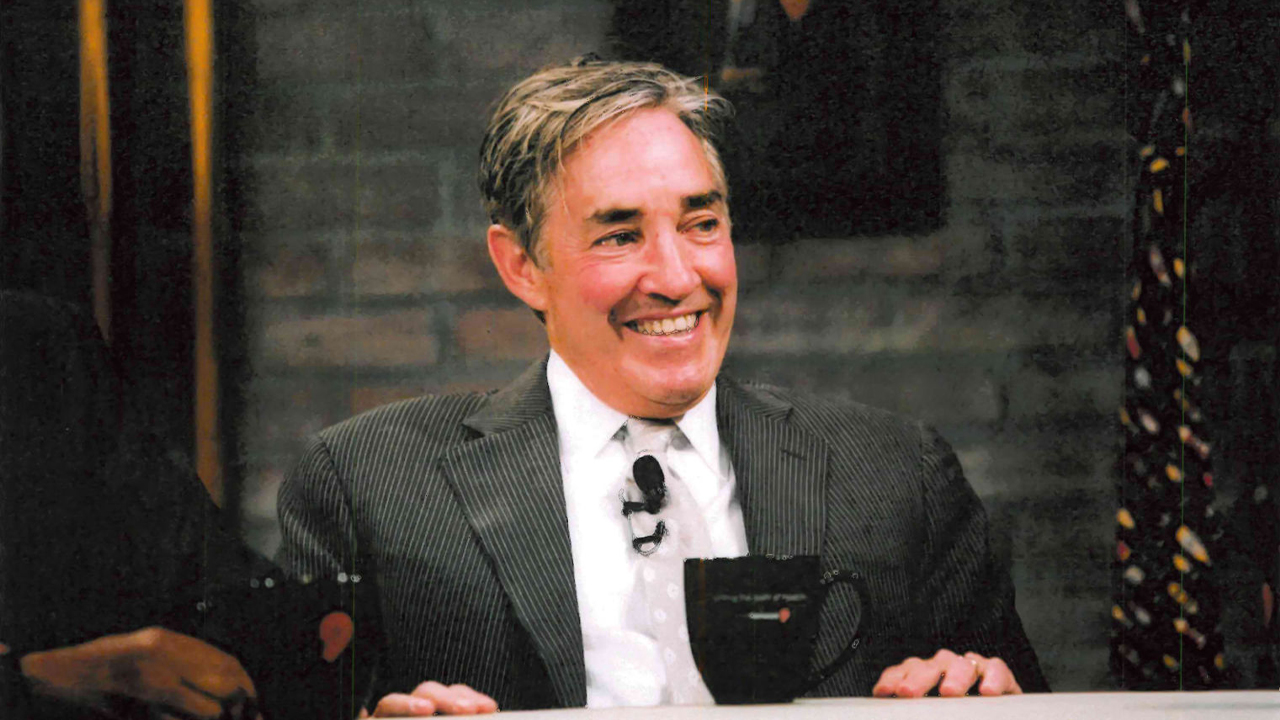
Anybody who knew Ray knew that Ray liked to do most of the talking. I could never get very far into any of these stories before the conversation turned to something that Ray was more interested in than his influence on me (which, indeed, there was no reason why he should care about this stuff nearly as much as I do). Ray may not have been the best listener, but he always had a lot to say, and what he said made an enormously positive difference in St. Louis.

Ray Hartmann: A Loss for All of Us

He had integrity, always. He could be sly and mischievous, and he had a sizable ego, and he could drive you crazy, coming round on deadline day to rehearse his topic for Donnybrook at length. But he came round to all of us because he wanted all angles, all opinions. By the time he wrote or spoke on air, he sounded sure and strong, because he had researched and read and listened all week.

WashU soccer jocks

Strange Days at the Soccer Jock Party Apartment

I could imagine generations of soccer players moving into this apartment with a coffeemaker, a fondue pot, a meat thermometer, what have you, then moving out and leaving it all behind. Since the landlord never inspected the place, there was no need for anyone to ever leave with anything that they did not want to take with them. 

Bo Gritz

Bo Gritz, America’s Special Operations Problem, and the Tragedy of Pulp Masculinity

Having retired and returned to civilian life, what did Bo Gritz try to teach or communicate to us? Unlike, say, John McCain, he never modeled reconciliation with former enemies. He did not go to Vietnam after 1995 with veteran groups for humanitarian purposes. He did not preach against violence, or for peacefulness, responsibility, or inclusion. Mostly, he seemed interested in anti-social things: radical individualism, extreme autonomy, distrust of people, and the assumption of his own power, by violence if necessary.

Truman Capote

Three on a Match, or How the Other Two Die

Though their lives wound up linked, these three men could not have been more different. Perry Smith was as poor as used-up dirt. Truman Capote sparkled like diamonds and partied with stars: Marilyn Monroe, Elizabeth Taylor, Frank Sinatra…. Philip Seymour Hoffman landed in the shy middle, living off his talent as simply as one can in New York. What they shared was a sensitivity too raw to hide, and pain that sent them running.

Skip to content