Jack Higgins, Good Germans, and the Problem of Sympathy in Fiction

“Sympathy” in narrative usually means something more like “complex interest” than “pity.” The goal is (often but not always) to make characters as human as possible, within constraints of form, so audiences will find them meaningful. This requires treating characters with respect, at least to the point of trying to understand them, even if they are crooks, sadists, torturers, murderers, or Nazis. But if a narrative dramatizes very well, it risks justifying bad people or making us feel we “understand” or “identify with” them. This too is sometimes called “sympathy”—though it is more like empathy—for the devil.
The Boxer, the Whorehouse, and the Journey to the End of the Night

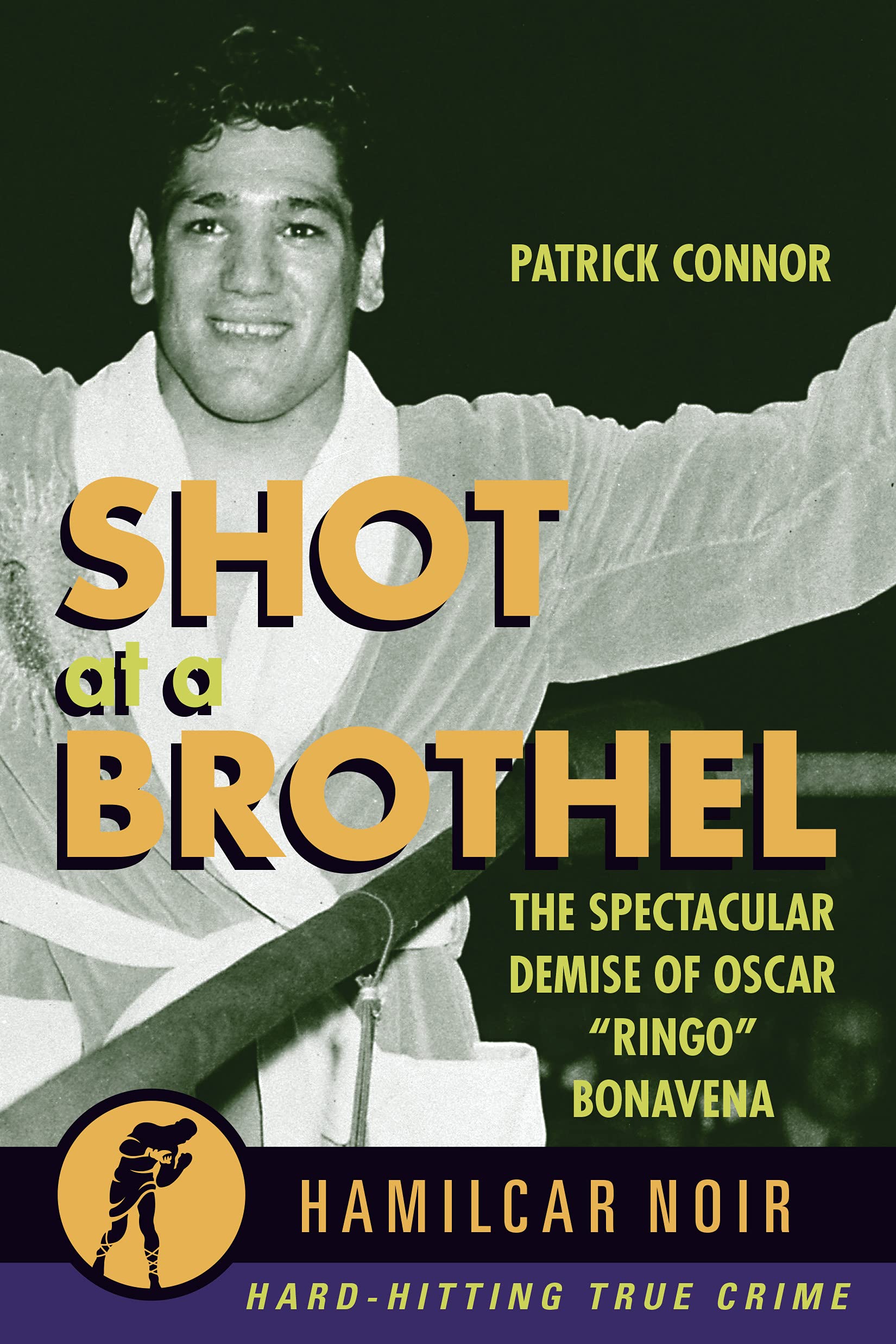
Shot at a Brothel tells, crisply and succinctly, the story of the rise and fall of Oscar Bonavena, a significant, though not great, boxer of the 1960s and 1970s. Like the other books in the Hamilcar Noir series, it shows the underbelly of the world of boxing through short biographies of fighters who sustained tragic ends.

America in the Key of Consensus

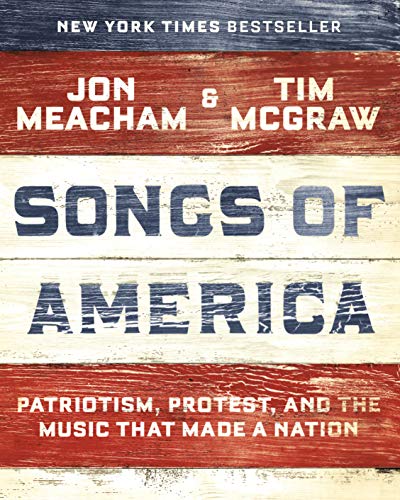
Songs of America: Patriotism, Protest and the Music That Made a Nation leans heavily on metaphors of harmony and dissonance with results that are often thought-provoking. The authors honor their subtitle by devoting sustained attention to musical statements of both patriotism and protest, and most importantly making it clear that these categories overlap. Their vision of United States history, while it values dissent, ultimately aims for a reassuring consensus as shouts of protest inevitably find their way into the great American songbook.

The Human Stain of History and the Failure of Memory

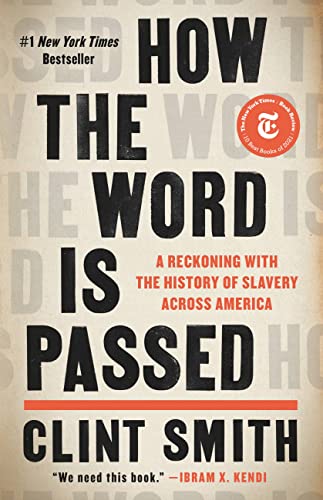
Clint Smith asks if we have the will to reckon with our past, for “the story of slavery is the history of America. It is etched into every corner of this country and beyond.”

The End of Elegance

“Elegance” takes a little time. The word is rooted in the Latin eligio, which means picking out, selecting, editing.

People Who Eat People

Early Christians were terribly worried about cannibals. Not because the practice was nauseating or sinful, but because if a cannibal kept it up, soon his body would be composed almost entirely of matter that once belonged to another human being. So what would happen when it came time to resurrect everybody’s body?

Hunting for the Right Perfume

Perfume is an intimate commodity, something you have to hunt for and save up for. When you find it, you are brought back to your senses, happy to be in your body, protected from anything noxious you might encounter.

Did Shakespeare Have Insomnia?

Sleep is a little death, an end to the flashing, buzzing dopamine hits of consciousness. Was Shakespeare, whose brain hummed with allusions and insight, scared to silence his genius and toddle off to sleep?

Homicidal Pigs, Perverted Roosters, and a Hapless She-Ass

How could we ever have believed animals capable of cold-bloodedly plotting a crime, when we have never credited them with possessing the simplest emotions?

On the Sunny Shores of Peppermint Bay: Remembering Shirley Temple

Her physical vitality seemed to embody hope for the future while her cheerful sweetness salved fears associated with children and families in a decade when 25 percent of American men were out of work, and husbands and fathers who could not cope with the strain of unemployment and failure sometimes just walked away. 

Skip to content