False Endings
When you are the one doing the work, trying to fix or make or create, false endings cease to be fun. Instead, they are dangerous, because they hold out false hope.
When you are the one doing the work, trying to fix or make or create, false endings cease to be fun. Instead, they are dangerous, because they hold out false hope.
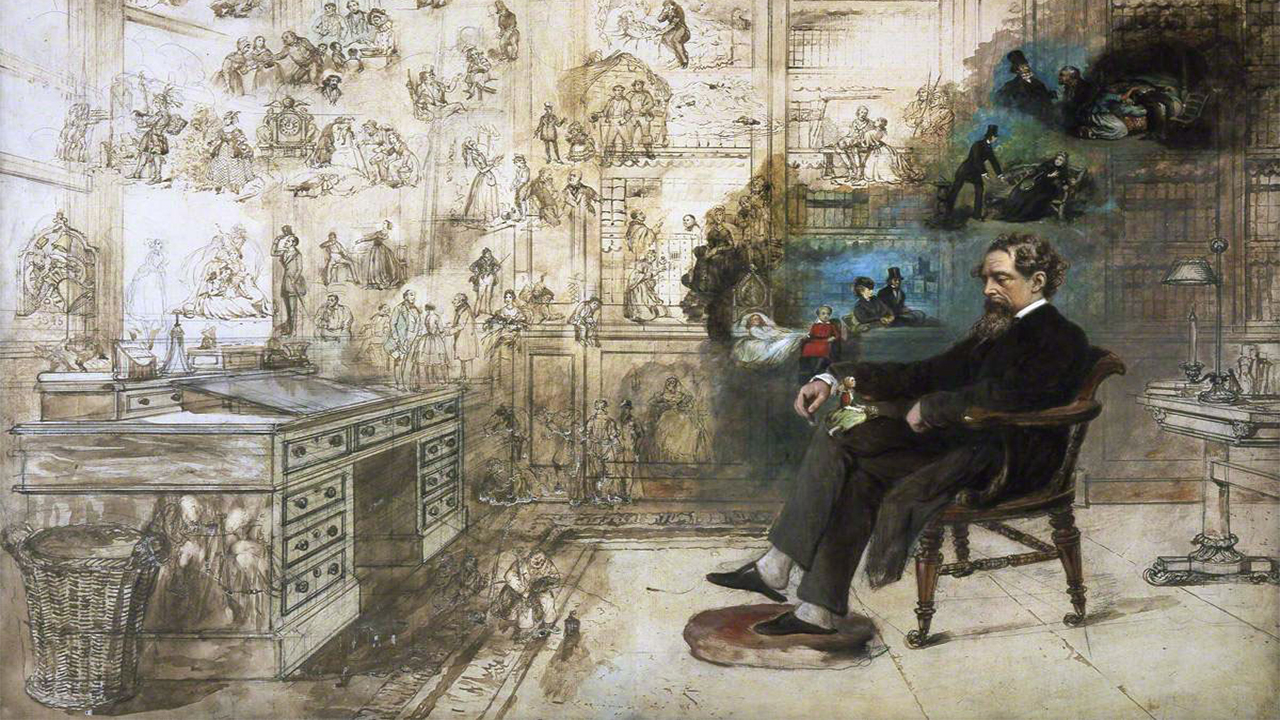
Two classic essays, “The New Year” from 1836 and “Lying Awake” from 1852, by one of the best-known novelists in the English language.
Naming our flaws is a cruel and sinister practice. Women with soft cheeks were fine until they were told they had large buccal fat compartments. I was fine having pink cheeks until a dermatologist called it rosacea and offered me a prescription. Actually, I am still fine; I turned down the drug so I could save money on blusher.
Back in 1976, Le Monde hailed “Jeanne Dielman” as “the first masterpiece of the feminine in the history of cinema.” Today, that seems a little wry. Three hours and twenty-one minutes of housework, a little invisible sex work, and a surprising, violent ending comprise our first masterpiece? Yet it is one.
Somewhere between cottagecore and the hardcore expectations of the work world, there is an invisible fulcrum on which we wobble. Why is it our fault that softness automatically equates to fluttered-lashes femininity?
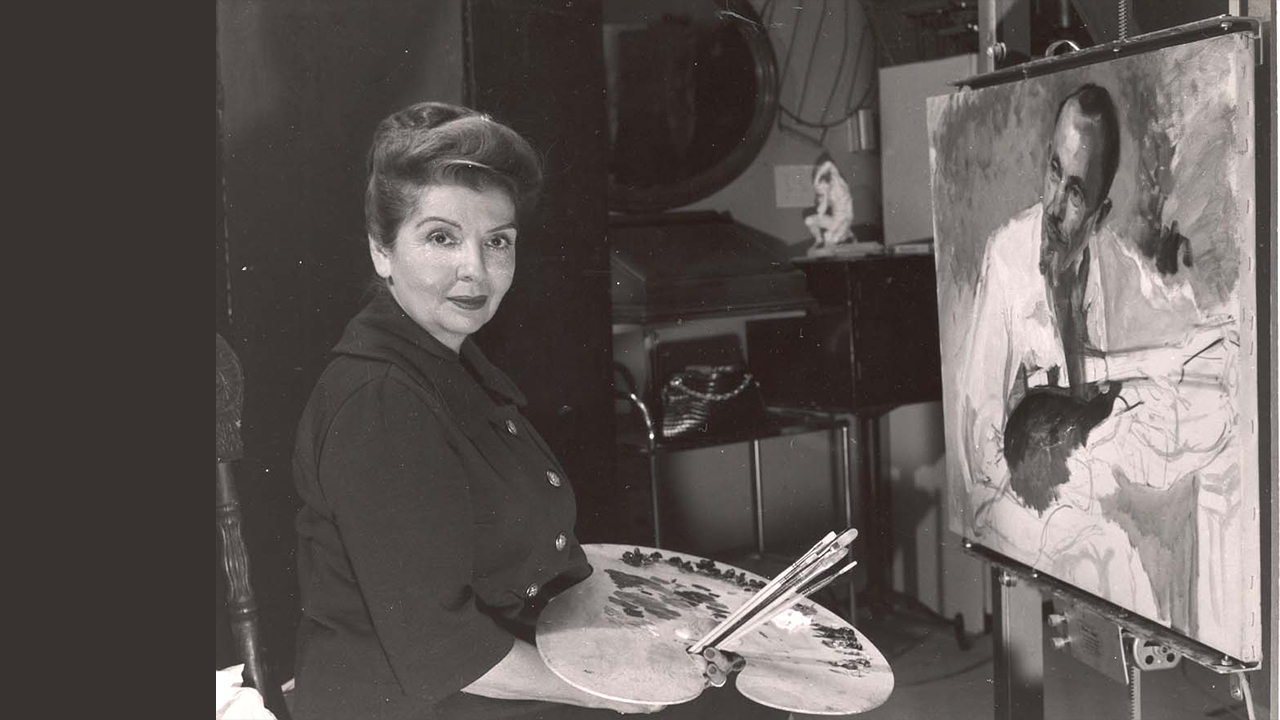
The first woman to paint the official portrait of a U.S. president, Greta Kempton also painted Cabinet officials, governors, senators, the head of the Atomic Energy Commission, two Postmasters General, a Supreme Court justice, several university presidents, and a Cardinal of the Roman Catholic Church. But what would have happened if she had painted a self-portrait?
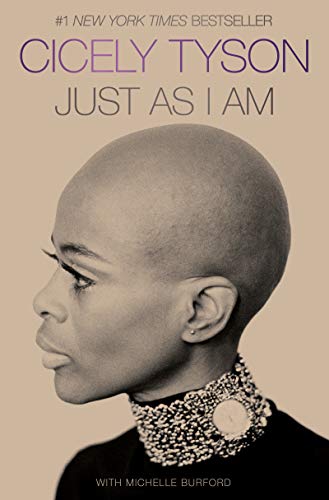
In the end, what is clear is that all autobiographers are, alas and inevitably, the heroes or heroines of their own text. As every reader should know, every autobiography, in its own way, subtle or blatant, settles the scores it needs to settle while disguising its subject’s insecurities.
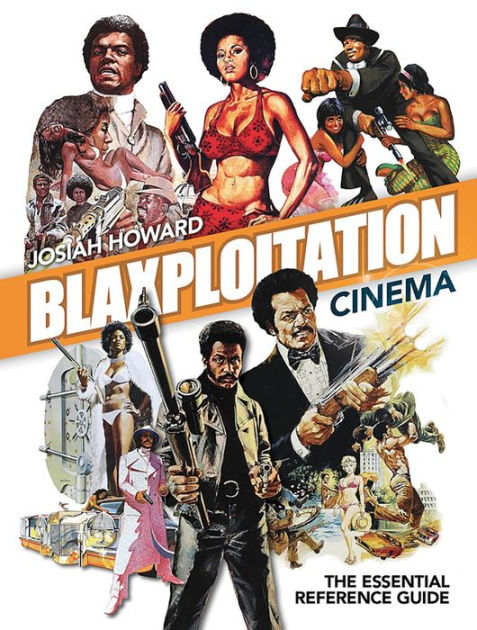
Josiah Howard’s unapologetic, often charming, fondness for Blaxploitation is both the book’s best asset and its greatest limitation. The book gives the films their due, yet, at times feels overly compensative in its efforts.
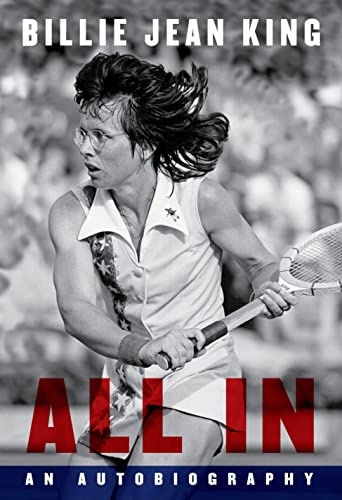
All In sets a new standard for the heights that an athlete’s memoir can reach, while simultaneously modeling a robust role for the engaged athlete in society.
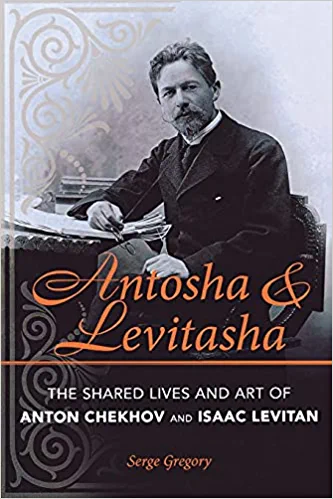
The reason for being of the book, and one of its dramatic thrills, is that these two friends not only did not fall to the wayside but have endured. They also both pointed the way to the future.