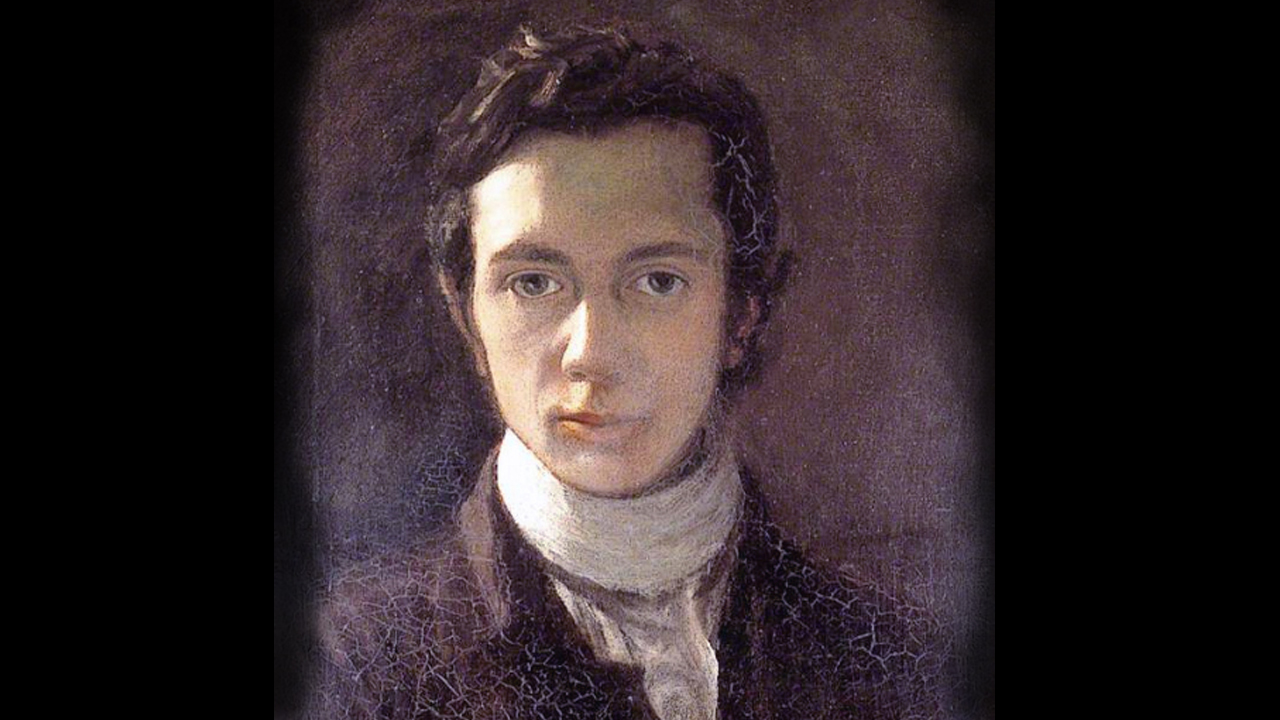
Essay of the Month: “The Fight”
William Hazlitt's trail-blazing essay on staged fights in the English countryside, considered "blackguard" in its day, still speaks to the thrill of sporting events.
William Hazlitt's trail-blazing essay on staged fights in the English countryside, considered "blackguard" in its day, still speaks to the thrill of sporting events.

The new venture Afripedia is out to change your view of the continent, one featured artist at a time.
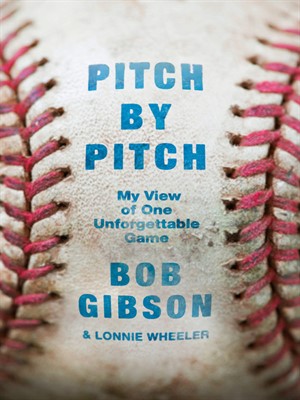
Pitch by Pitch is exactly what its title states: Gibson describes the first game of the World Series by recounting every pitch he threw in the game and why he threw it. (He also analyzes every pitch McLain and the opposition threw as well.) It is as detailed an account as a reader can ever get of how strenuous pitching is
By interviewing so many of the second Ali-Liston fight’s participants and their direct descendants before their information slips away and is lost to us forever, Rob Sneddon has added remarkably to the history of boxing.
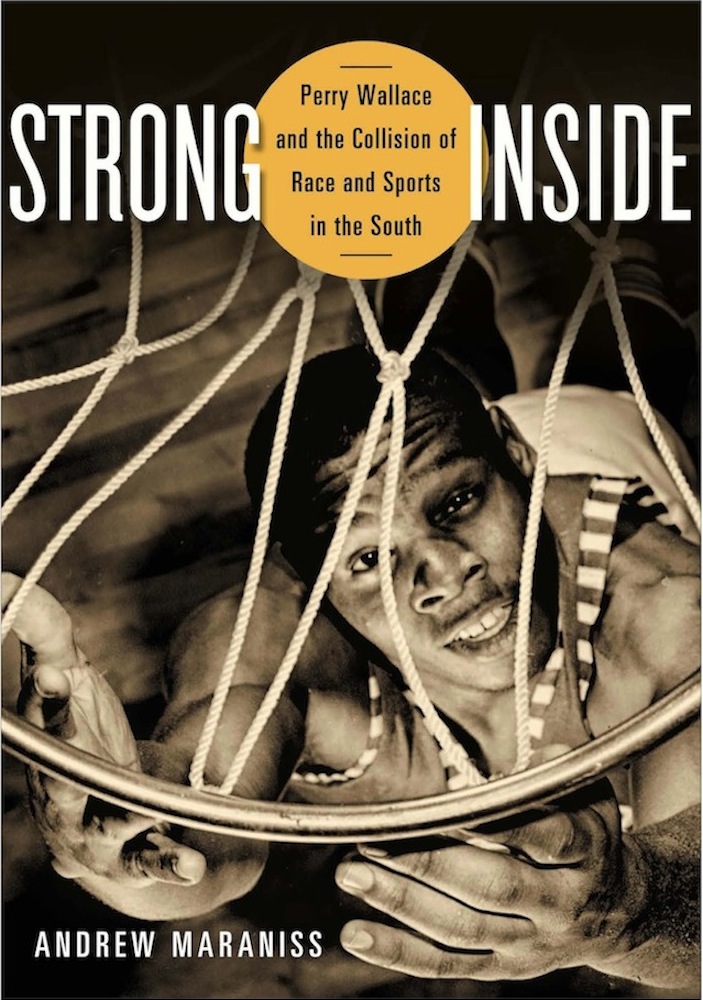
In Strong Inside, Perry Wallace shows that heroic barrier-breaking efforts can make change. The book is a robust tale of a man who rises above negative circumstances and refuses to let people make him hate.
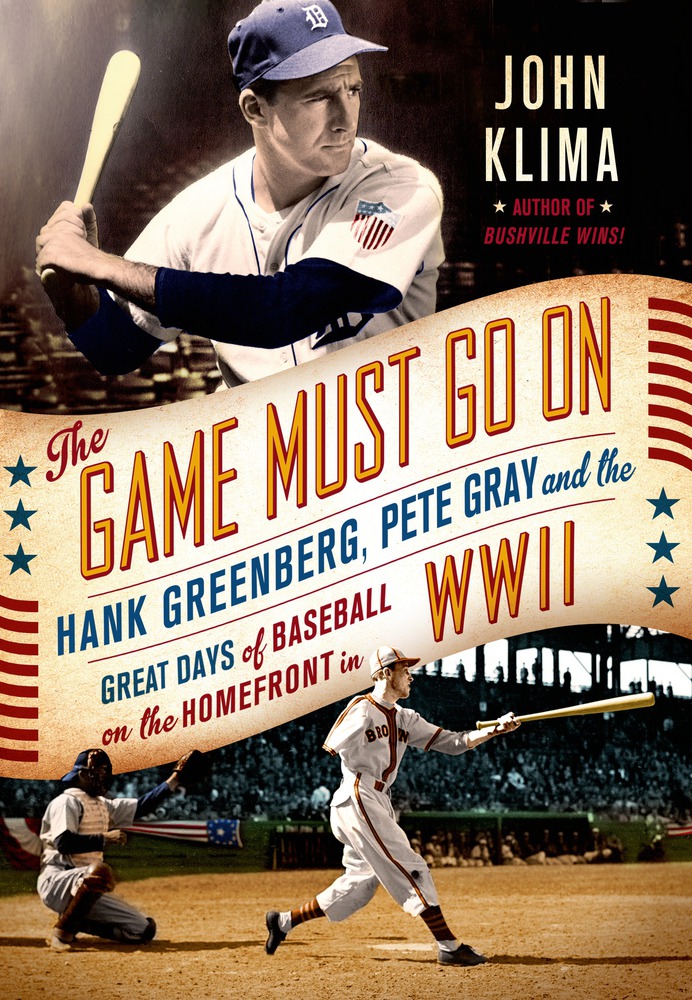
Klima states in the preface, “This is not a textbook or a reference book. I wanted it to be the first book to put baseball players into combat, and to let the reader discover the magnitude of their contributions by making them experience how they felt, yet rose to the occasion at the cost of personal sacrifice." Klima succeeded.

Steven C. Smith, WUSTL professor of political science and social science, explains why smaller parties pop up all the time in the United States, but seldom last.
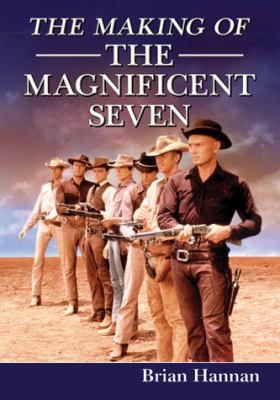
The Magnificent Seven became a defining masculinist film in a way few other films of its era could match. No character emerged more stylized from the film that Brynner’s character Chris, and the film itself symbolized the liberal, consensus, interventionist politics of the Cold War era.
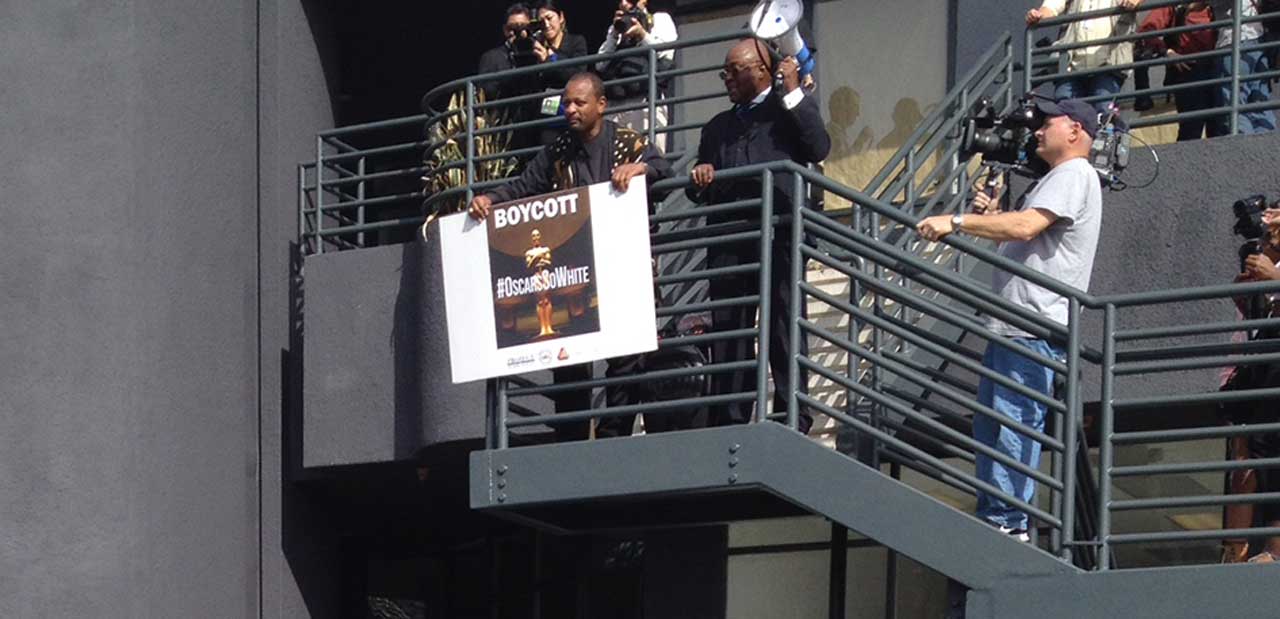
The 2016 Academy Awards nominations’ whiteness has become a national civil rights issue. In his opening monologue at the ceremony, host Chris Rock stated: “I’m sure there wasn’t no black nominees [in] ’62 or ’63. And black people did not protest. Why? Because we had real things to protest at…
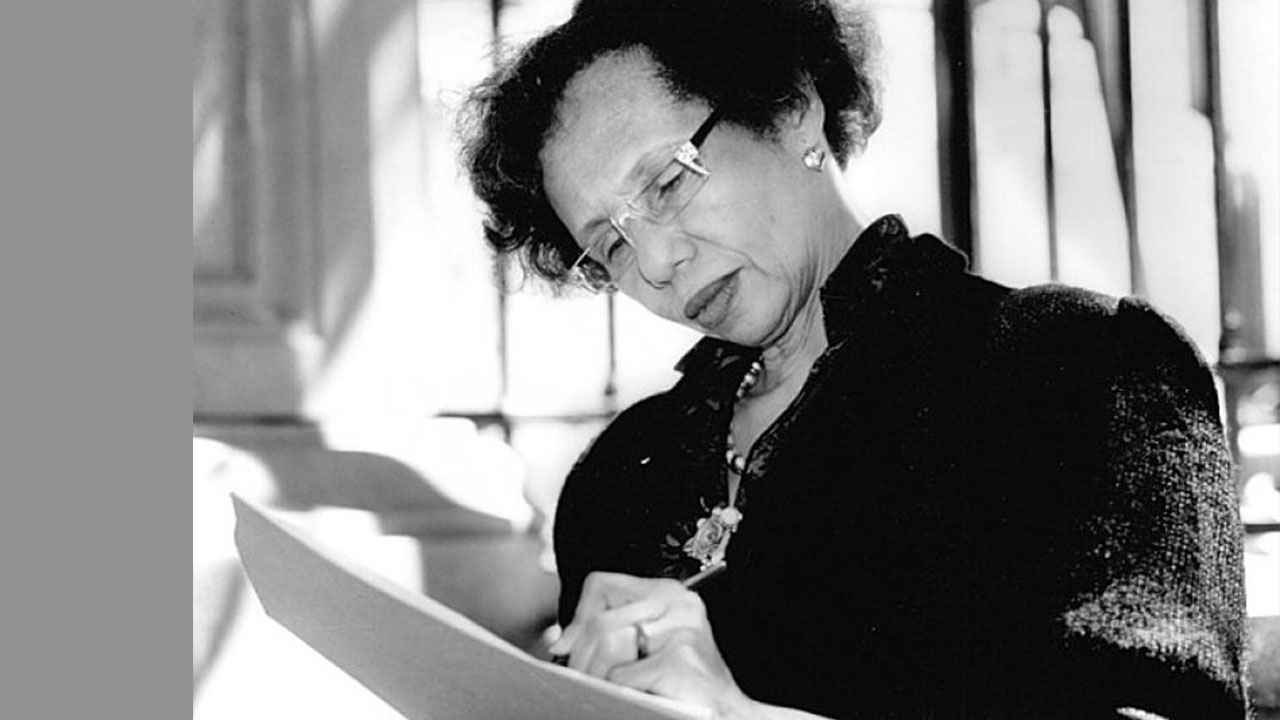
M. Lynn Weiss, associate professor of English and American Studies at William & Mary, conducts at 2014 interview with Adrienne Kennedy, one of the most prominent voices of African-American theater.