The Left Behind

In striking a balance between the drearier and more inspirational aspects of their tale, the co-authors of Radicals in America: The U.S. Left Since the Second World War, tend, on balance, to emphasize the positive. As they argue in their introduction, although the “radical left has always been a minority current” in the United States, it has “propelled major changes and frequently given shape to what Americans broadly take as the nation’s core traditions.”
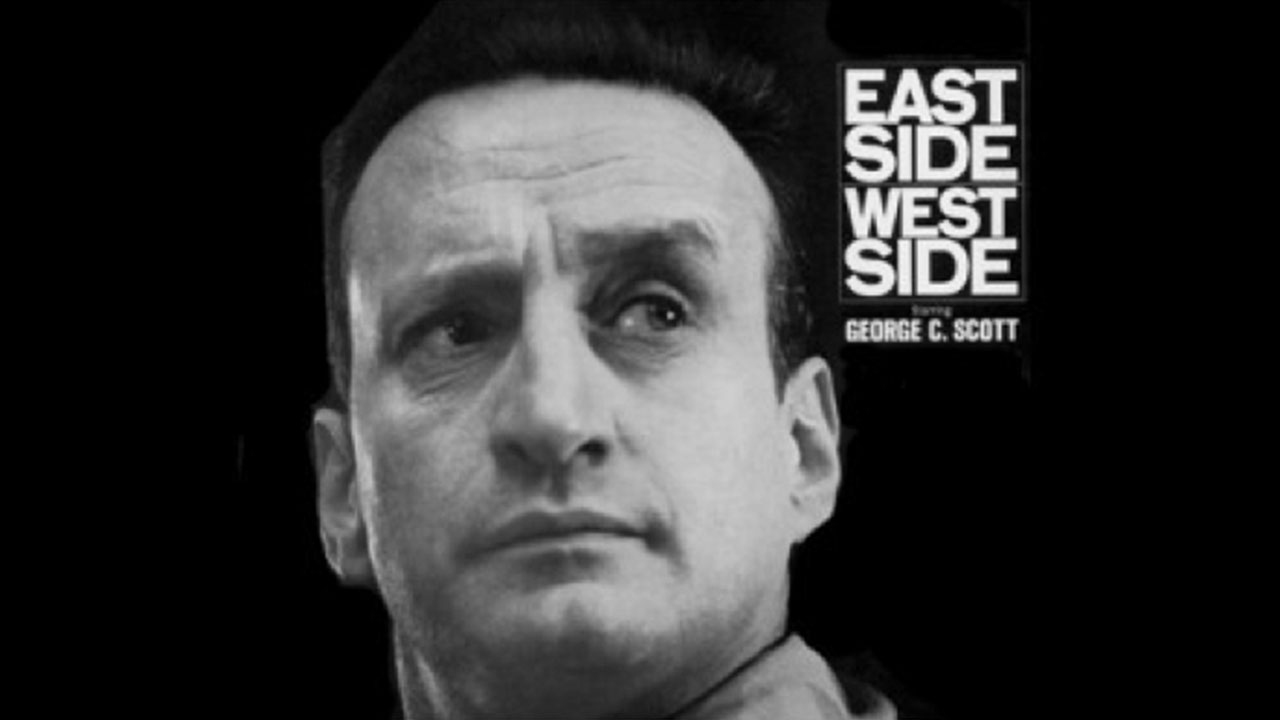
Who is the Tall, Dark Stranger there in My Living Room?[1]

In the days when it was a piece of furniture, TV was both the dark mahogany stranger in the house and the loyal companion, both threatening and familiar, something that seemed to control and something that seemed to transport. The mistake people today make is assuming that television audiences of 50 years ago were more naïve than they are today.

Why I Am Not a Liberal

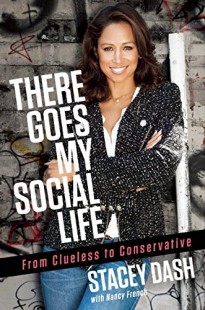
In There Goes My Social Life Dash believes she can see outside herself because she has placed herself outside the mainstream of her racial group by being a conservative Republican. But this move has given her distance, not perspective.

“Don’t Explain” *

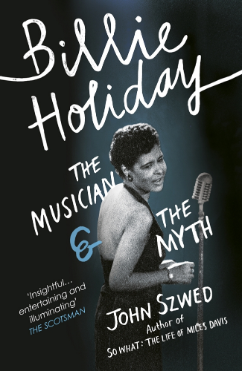
What rings clear throughout Szwed's otherwise perplexing archive of a complex life, is the “consistency and taste" Billie Holiday "brought to nearly every performance” under all kinds of material, physical, and emotional circumstances.

Zombie Music

"Jazz is dead!" "Long live jazz!" These competing diagnoses define the genre and its evolving boundaries. And that means a future of interesting music.

The Aesthetic Scientist

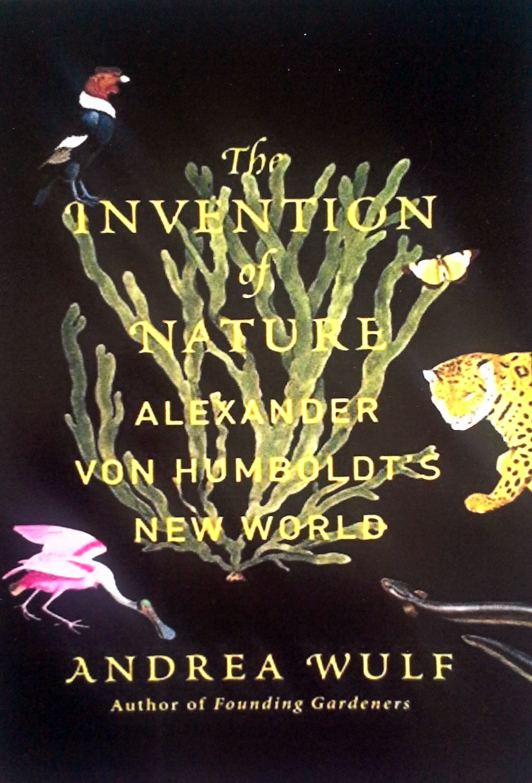
In a finely drawn outline of a life that was filled with activity, with meetings, with far-reaching observations and brilliant imaginings, Andrea Wulf has made a wonderful contribution to the record of Humboldt’s life and work.

Cops and American Culture

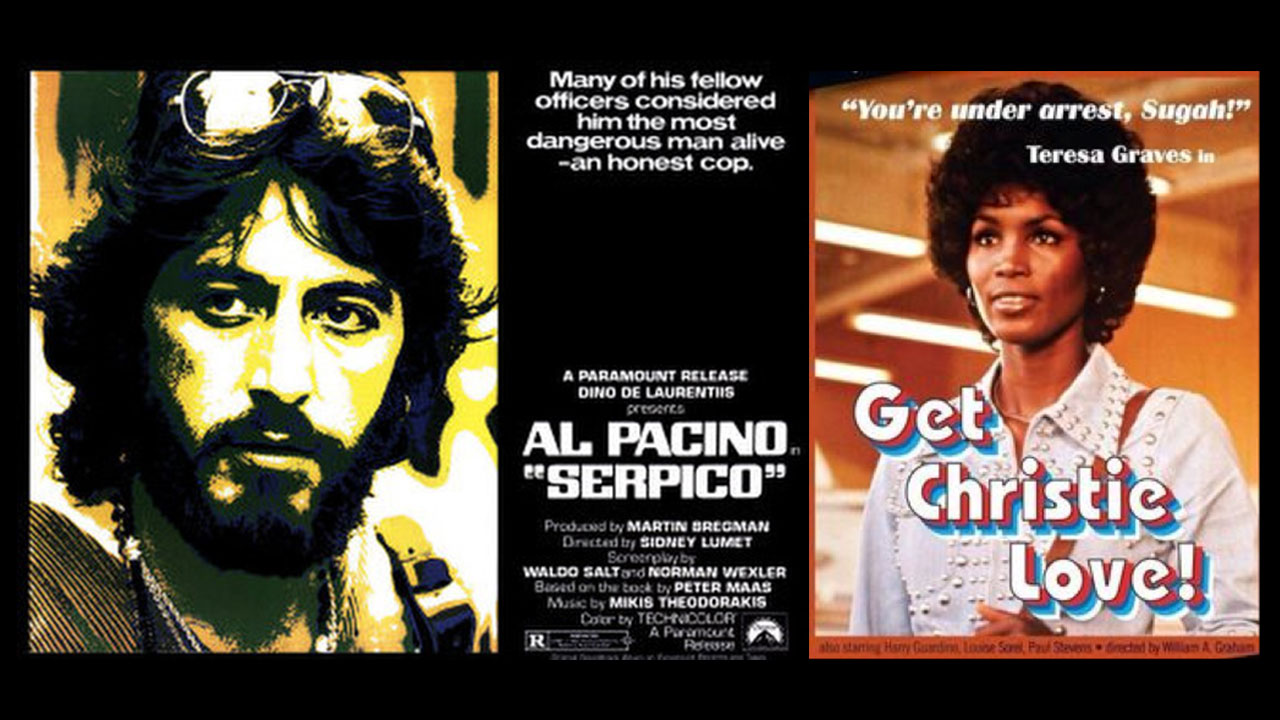
Why our culture of law enforcement—and tensions between police and communities—is a lot more nuanced and interesting than you might think.

Tales of the Fight Game

Both the LeDoux and Inoki fights are mere footnotes on Muhammad Ali’s athletic resume. Yet Paul Levy’s biography of LeDoux, The Fighting Frenchman, and Josh Gross’s exhaustive account of Ali vs. Inoki, give readers another way of looking at fights that elevated their importance, if not for Ali, then for the men who opposed him in these bouts.

Séjour’s Drama of Emancipation

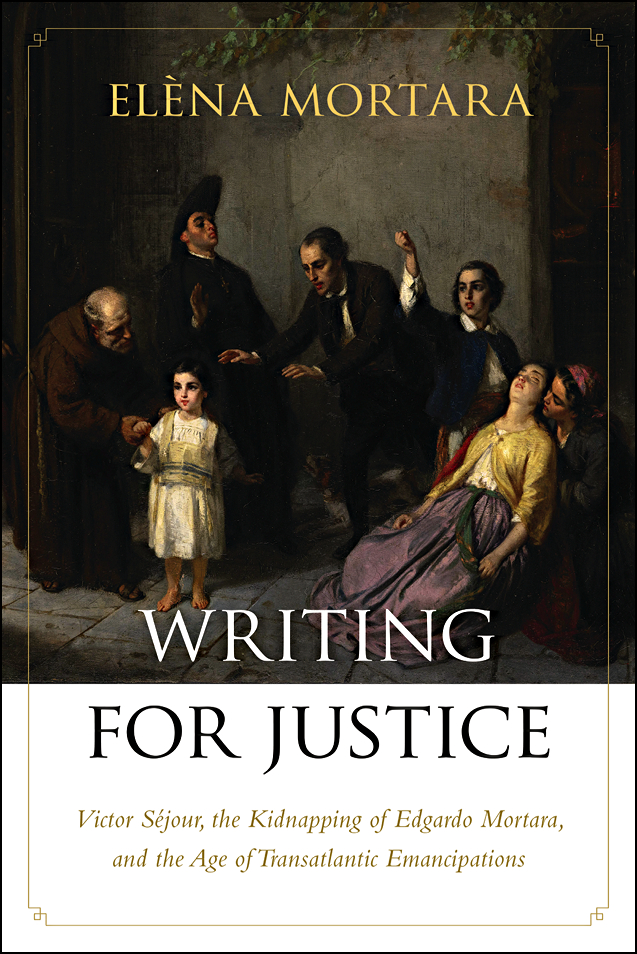
Despite the recent trend in American scholarship emphasizing the transnational and cross-cultural dimensions of American culture, Victor Séjour is rarely mentioned. Elèna Mortara’s Writing For Justice: Victor Séjour, the Kidnapping of Edgardo Mortara in the Age of Transatlantic Emancipations addresses this gap.

Pooh Bear and Peter Rabbit

McDowell’s and Aalto’s respective books, published by the same press within two years of each other, are impressive studies of the relationship between literature and landscapes, both emotional and physical, in Potter’s Peter Rabbit and Milne’s Pooh Bear.

Skip to content