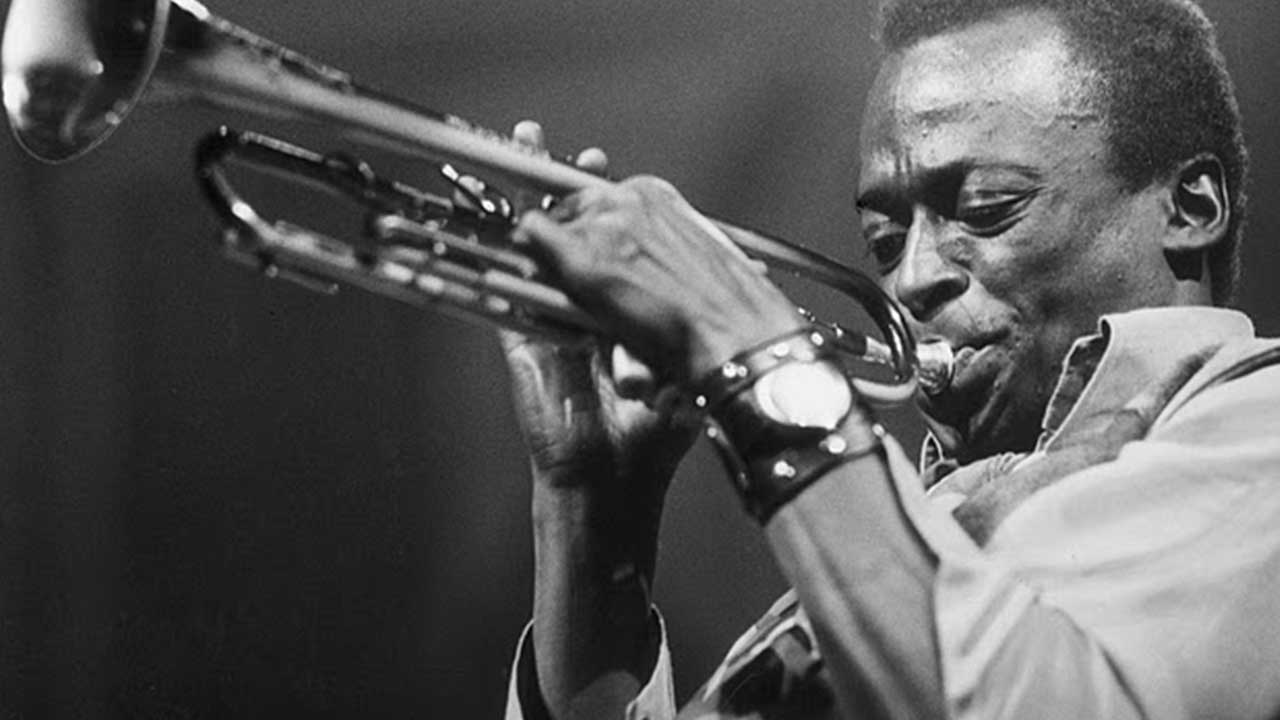
The Art of the Mistake
Theories of mistakes in jazz scholarship helps us understand the ways in which mistakes in jazz performance are valued by audiences and performers—and the ways in which they are not.
Theories of mistakes in jazz scholarship helps us understand the ways in which mistakes in jazz performance are valued by audiences and performers—and the ways in which they are not.
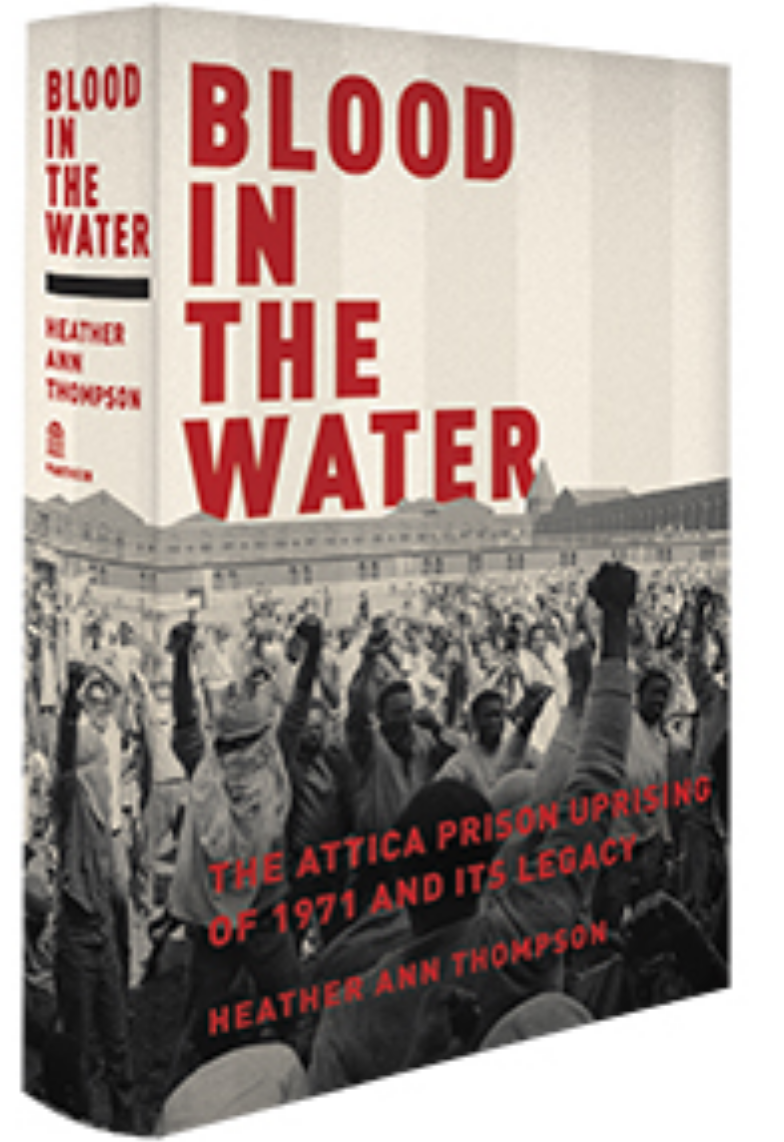
Winner of this year's Pulitzer Prize in history, Heather Ann Thompson's account of the 1971 Attica Prison revolt and its aftermath makes for a readable, interesting, and at times gripping book. Almost every page contains some revelation that the State of New York tried mightily to suppress.
When I applied to colleges as a linguistics major in 2013, I had done virtually no research. A friend of mine had told me linguistics was about language. I was taking AP Spanish at the time and I loved speaking and listening to music in Korean, and that seemed like…
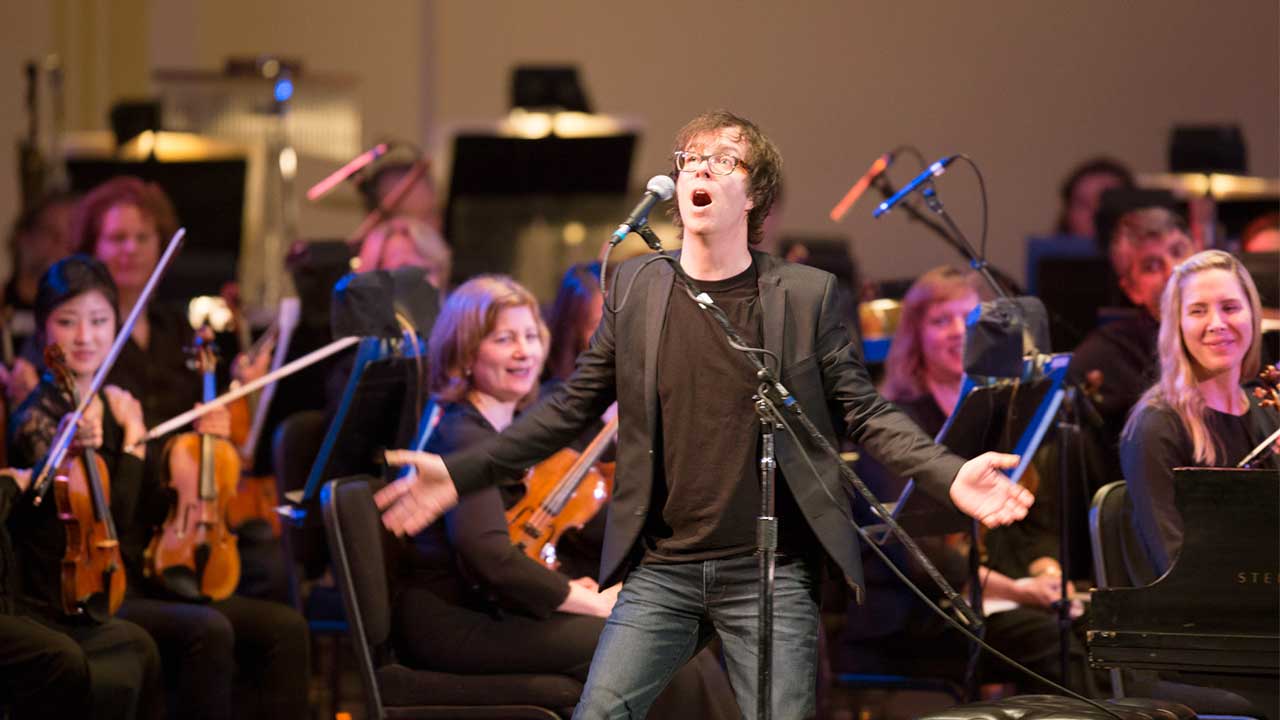
What happens when different musical genres and their associated connotations—as represented in musicians, styles of music, and surroundings—collide?
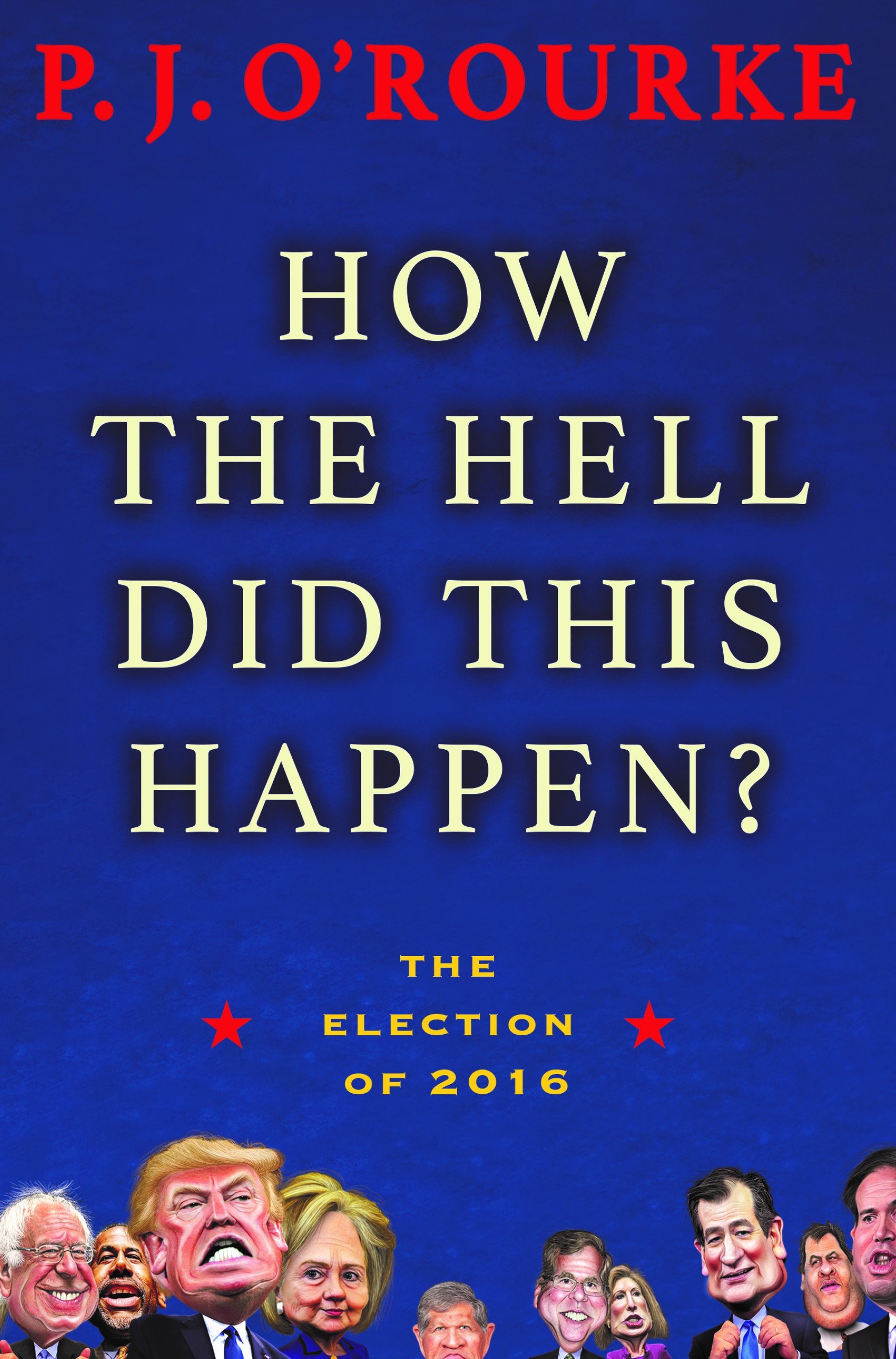
How the Hell Did This Happen? is a quick and diverting read that offers a bit to think about whether, and how much, our most recent presidential election reveals the country going completely off the rails.
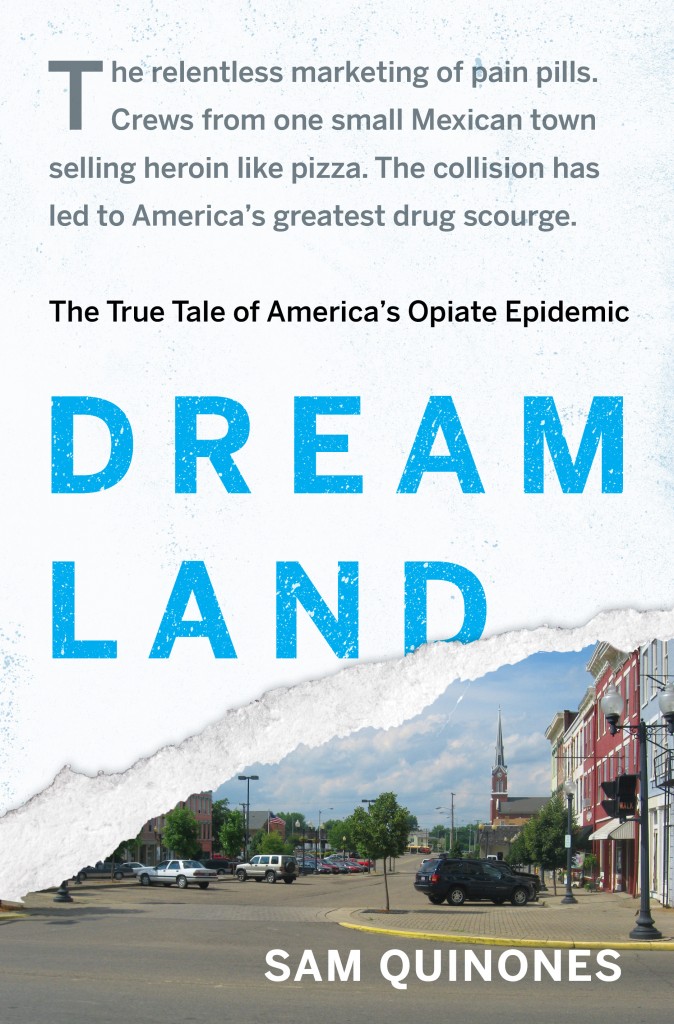
Sam Quinones’s Dreamland is a complex, fascinating and ultimately haunting book about a society betrayed by its fundamental trust in science and capitalism.
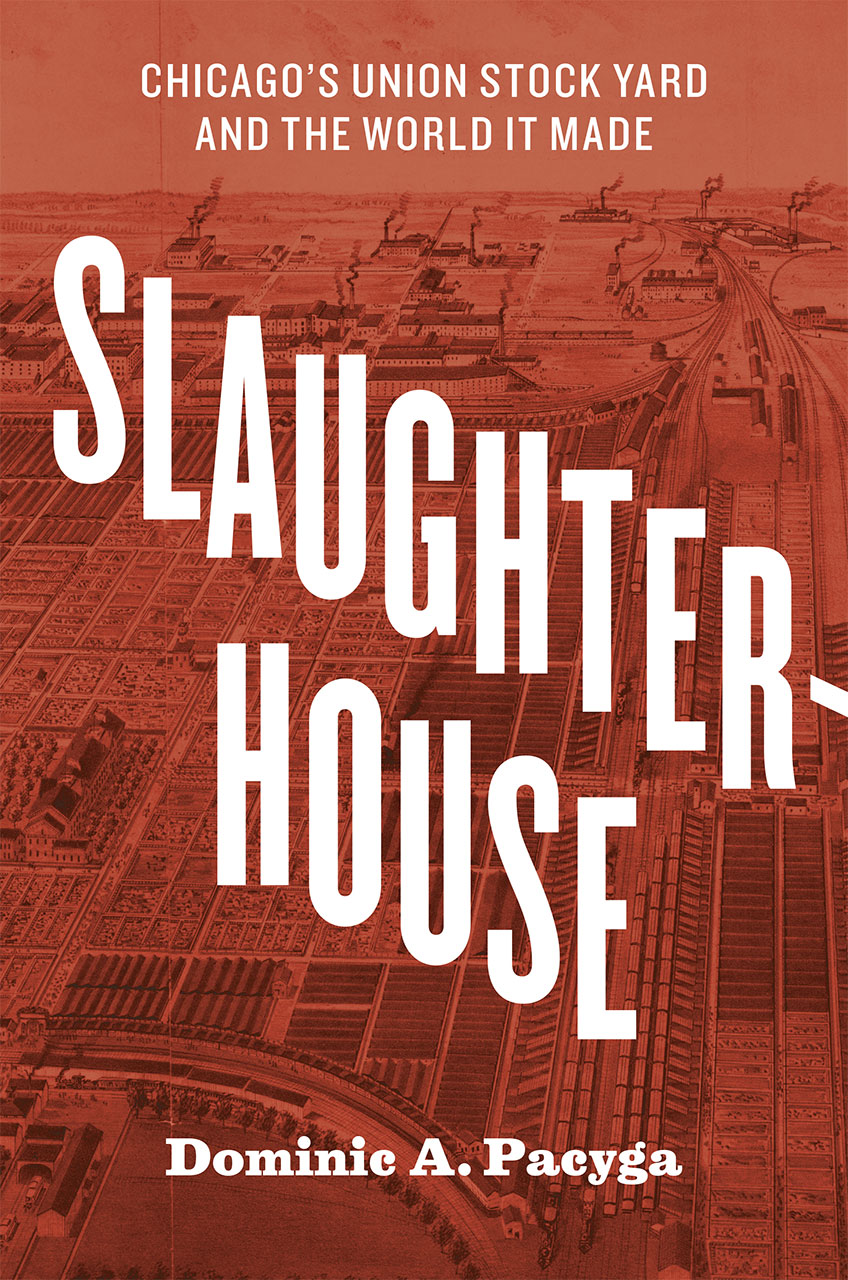
Slaughterhouse demonstrates how the stockyards district is once more at the forefront of innovation in food production and the use of urban space, again making Chicago a showplace for the future.
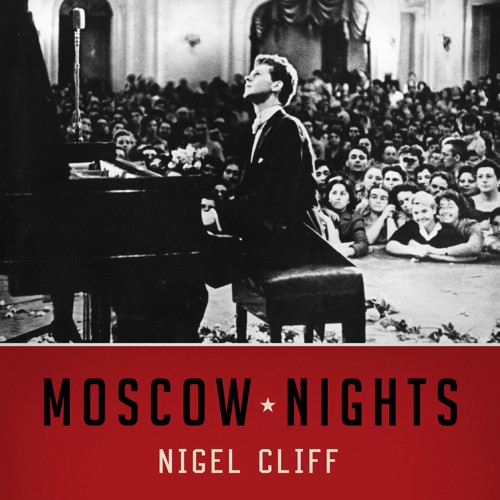
For readers interested in concert pianists, Van Cliburn and his story enrich our understanding of how classical musicians developed their careers against the backdrop of the Cold War. For those drawn to this book more out of interest in political history, Nigel Cliff shows that musicians’ stories can give us perspective on the private and public faces of this conflict.
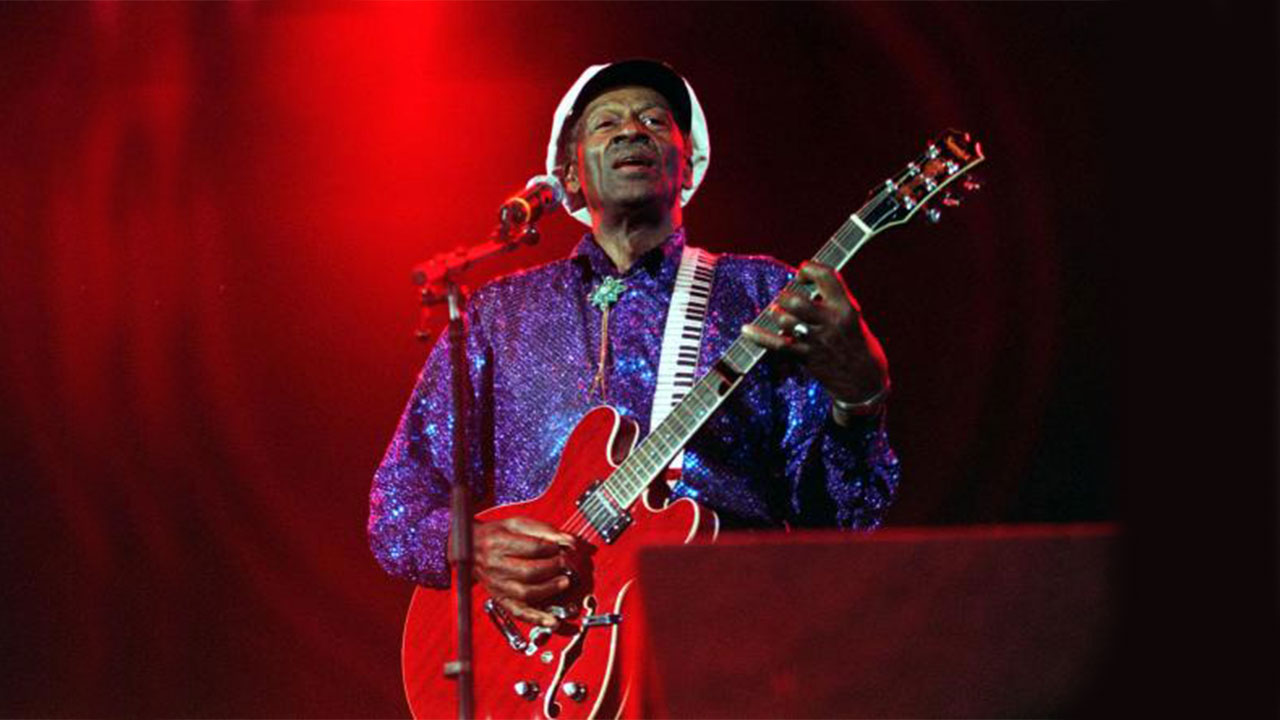
There are at least two great mysteries about Chuck Berry. The first is why the father of rock ‘n’ roll became so cavalier and dismissive about his work once he achieved popularity. The second is how someone so deeply scarred as Berry could continue, at least for a period in the ’60s, to create music infused with so much joy, feeling, whimsy, and bristling intelligence.
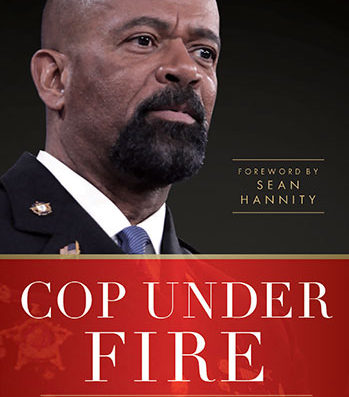
Cop Under Fire is a rambling monologue, aggressively expressed if not always cogently persuasive as a set of arguments. It would serve Clarke adequately as a campaign book as it expounds his policy views in a number of areas, some only tangentially related, at best, to law enforcement.