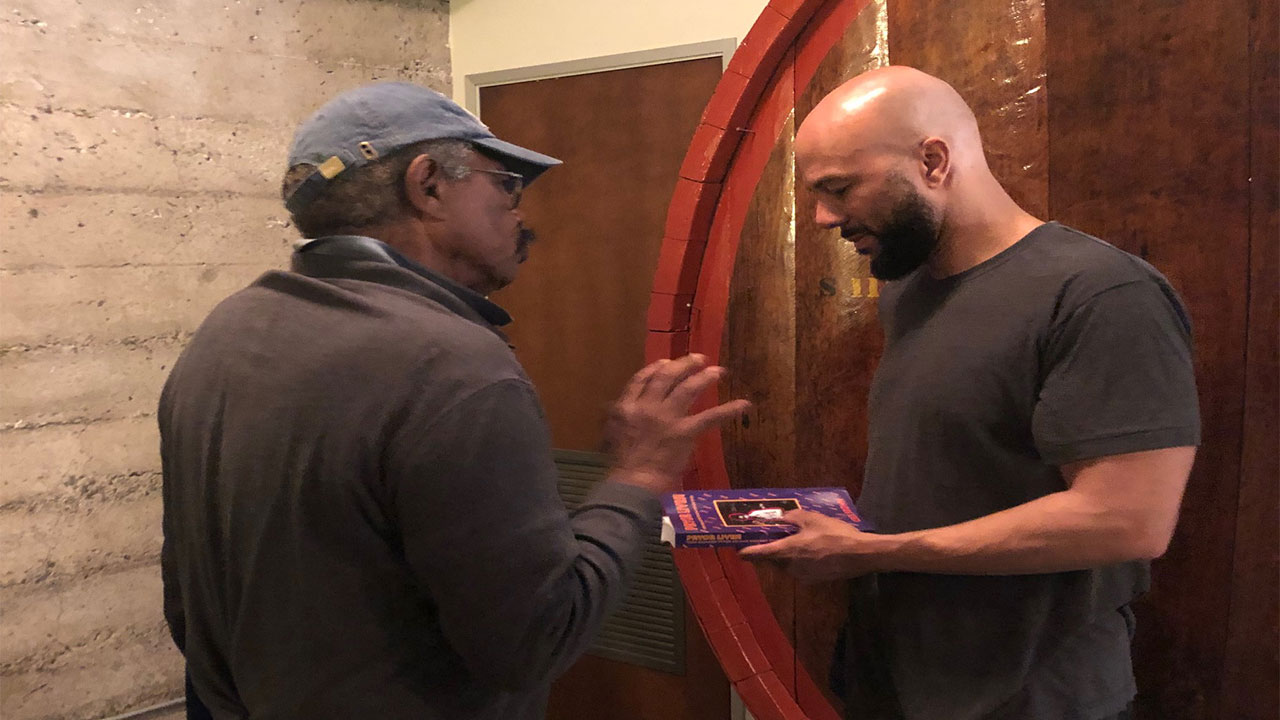
What Common and Enslaved Poet George Moses Horton Shared
Who was George Moses Horton? I suspect that he was someone like Common, who would dance and gesture when he composed.
Who was George Moses Horton? I suspect that he was someone like Common, who would dance and gesture when he composed.
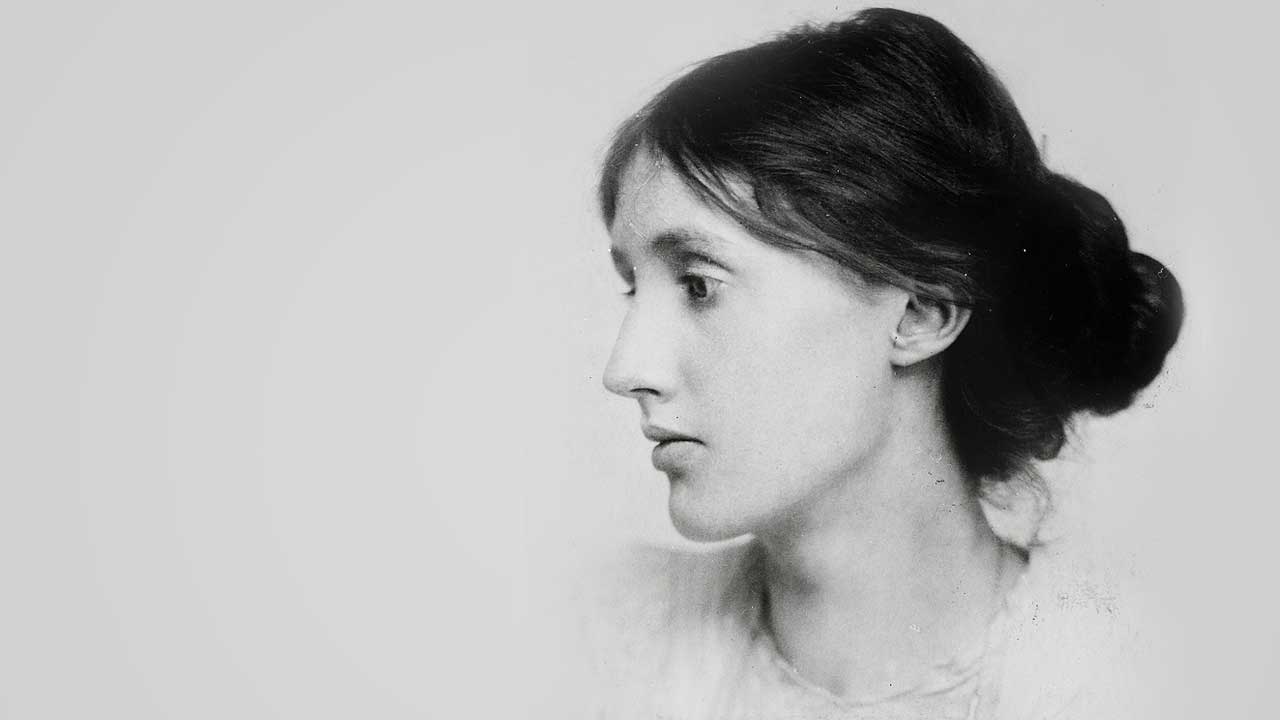
Of all forms of literature, however, the essay is the one which least calls for the use of long words. The principle which controls it is simply that it should give pleasure; the desire which impels us when we take it from the shelf is simply to receive pleasure. Everything in an essay must be subdued to that end.
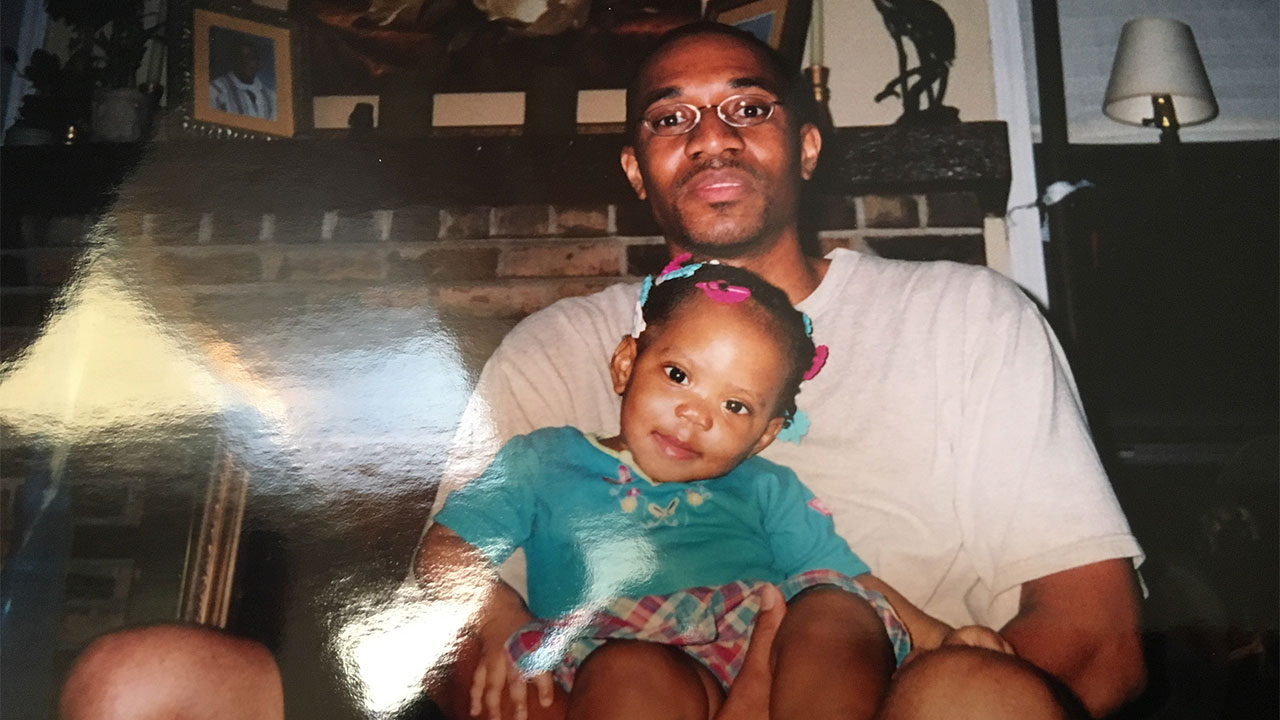
There is no mourning for my grandfather left inside me. There is only guilt as I look into my father’s tired face, guilt as I scroll quickly past a COVID headline.
We hurtle through the vacuum of space in a miraculous terrarium that supports life. It is the only one we know of. Caring for its water, soil, air, flora, and fauna seems like a good idea. But priorities get complicated, and you might be surprised at what people think of yours.

By their own admission, they are a little driven, used to studying among some of the brightest minds in the country, with goals held up that most folks never attain. Now all that has skidded to a partial halt, and they are sitting in their childhood bedroom fighting the temptations of a nap or a Netflix binge.
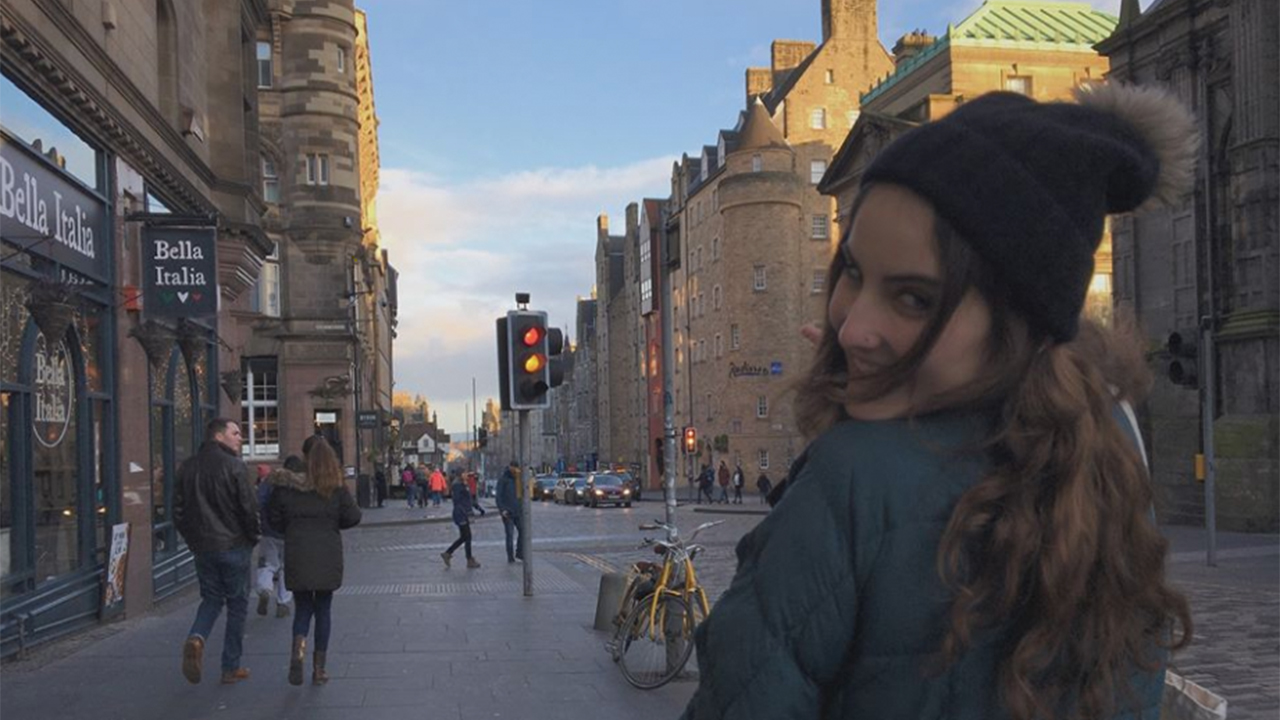
My usual response when I decide that any aspect of my life is spiraling out from under my possession is usually the impulse to regain control in whatever way possible. But as I settled into an unfamiliar back room of my parent’s new apartment, months and months of uncertainty stretched out onto the bare white walls around me. I felt any semblance of a “plan” spiral out into a realm that I could no longer grasp.
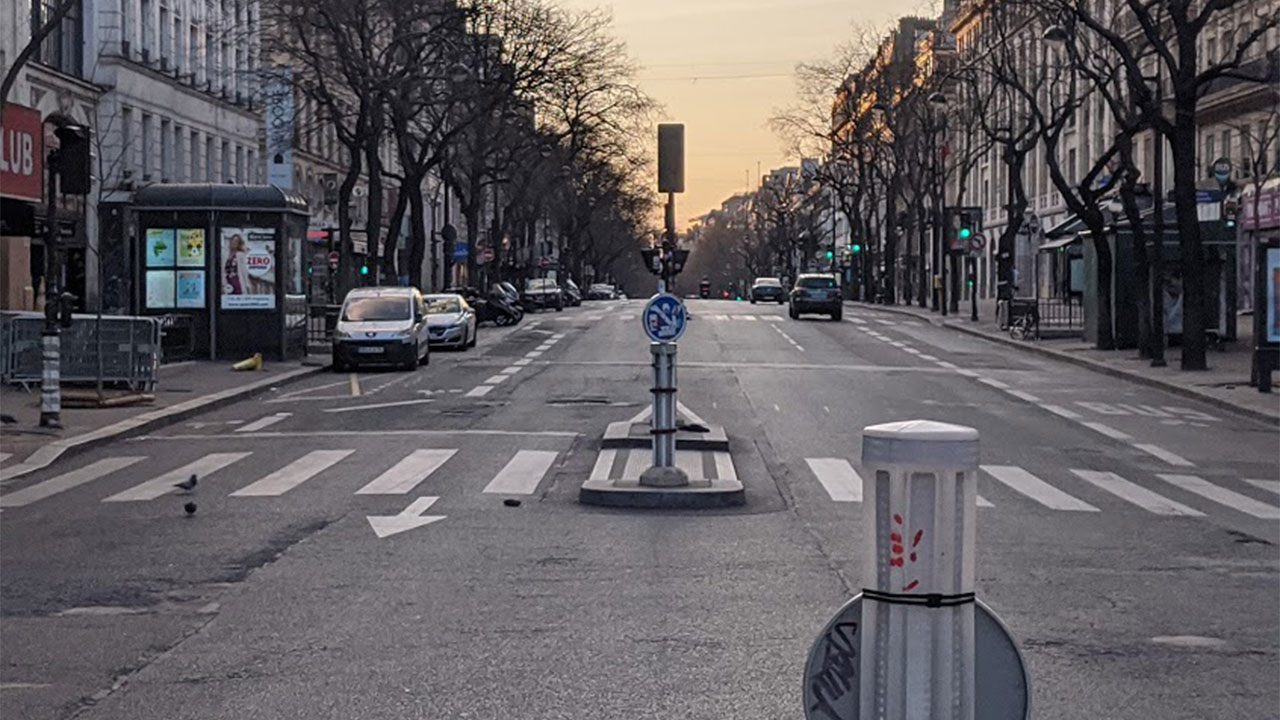
Everyone is thinking about leaving Paris. Everyone is saying that France will be able to handle it better than Italy. Everyone is taking preventative measures; everyone is still going out to bars. Everyone is worried that they have it, everyone is convinced that they could never get it, that the Métro car that they are in, that their favorite café du quartier is somehow excluded from the pandemic.

The Fixers is a solid piece of investigative journalism, an anti-Trump book, to be sure, but objective and fair enough to be read by Trump partisans with interest, and even a limited level of enjoyment.
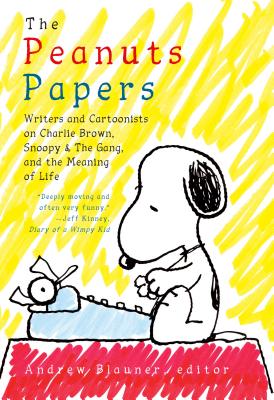
As I made my way through the book, I resisted the urge to cherry-pick essays by my favored cartoonists and writers, plowing straight through, which is probably the wrong way to read this book.
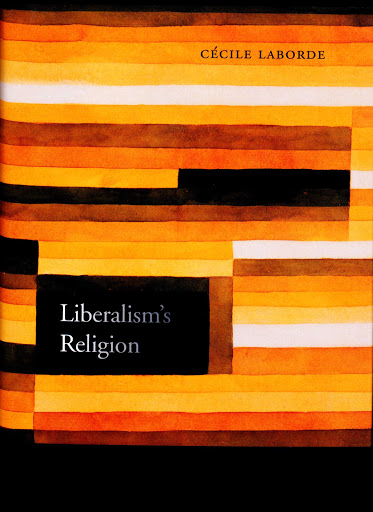
Laborde sets out to move beyond critique to theorize a more nuanced account of the contentious relationship between religion and liberalism. In an endlessly-frenzied debate that seems dangerously deadlocked, this ambition deserves to be applauded.