Crisis Can Make Us Kind

Cynics will explain the recent exchange of kindness in Darwinian fashion, as either an attempt to keep the species alive or a “reciprocal altruism” that does a kindness hoping to count on one in return. But in my experience, whenever people are forced to deal with something that dwarfs their trivial problems and lets all the tiny busyness drop away, they often react with kindness.
The Popularity of “Poop”

For centuries, we have tried to retain some power over this process of elimination; to pretend our feces is fragrant; to separate ourselves from our waste as cleanly as possible.

Who Was That Masked Man?

Masks express almost as much as our mouths once did, but what they say depends on your point of view.

How Democracies End

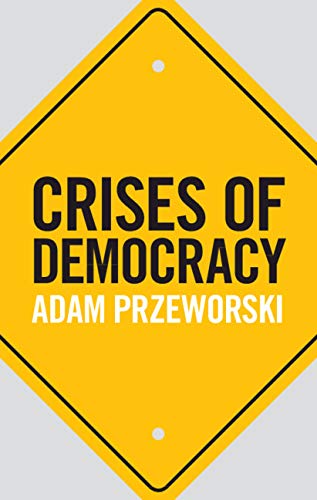
Adam Przeworski’s new book, Crises of Democracy, demonstrates that he is an unusual creature—a liberal with equanimity.

A Not-So-Unfathomable Scenario

In the end, "Salvation City" is a coming-of-age story. Its focus comes in tight, as Sigrid Nunez always does, on a single person, in this case a young boy struggling to grow up under extreme circumstances.

The Death of Champagne

All of us who can do so comfortably, without risking our mental or emotional health or that of a possible baby, must pledge to drink a little champagne every week. We are drinking more in the pandemic anyway, n’est-ce pas? The bubbles will cheer us up far faster than those grim vodka tonics.

Mental Illness and the Question of Genetics

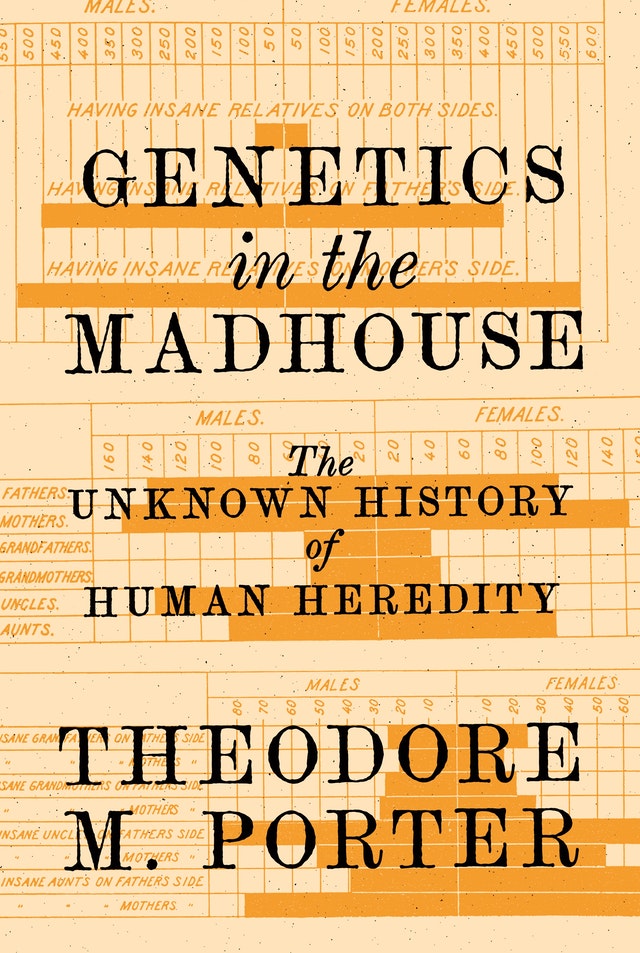
Theodore Porter’s contribution to this discussion, Genetics in the Madhouse: The Unknown History of Human Heredity, takes a much broader perspective on the eugenics-genetics divide. Instead of seeing eugenics as either a founding contaminant in genetics, or as a temporary aberration in psychiatric science, Porter looks at the much longer history of data collection within the primary sites for psychiatry over several centuries: asylums or mental hospitals.

Make America FEEL Great Again

Simply imagining pleasant aspects of the past can make us feel like they are present again.

Why We Seek Out Negativity

The point of the Rule is the power of bad things to outweigh good things. Because, evolution. The old exigencies of survival. And perhaps a malign or absentee designer of the human psyche.

Today I Am Eleven

Why eleven? Because I have never forgotten the findings of Harvard University education prof Carol Gilligan. After interviewing girls of various ages, she concluded that at eleven, many girls have a “moment of resistance”: a sense of purpose and an almost perfect confidence in what they see and know.

Skip to content