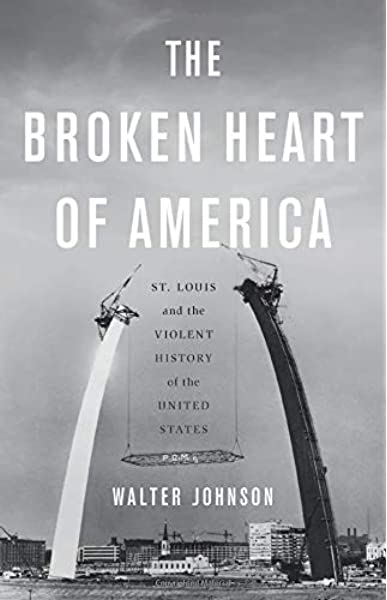
The Broken Heart of America and Its Distortions
The issue is not whether St. Louis merits a close examination in the context of the American racial tragedy. The issue is whether this is the careful and scrupulous examination we deserve.
The issue is not whether St. Louis merits a close examination in the context of the American racial tragedy. The issue is whether this is the careful and scrupulous examination we deserve.
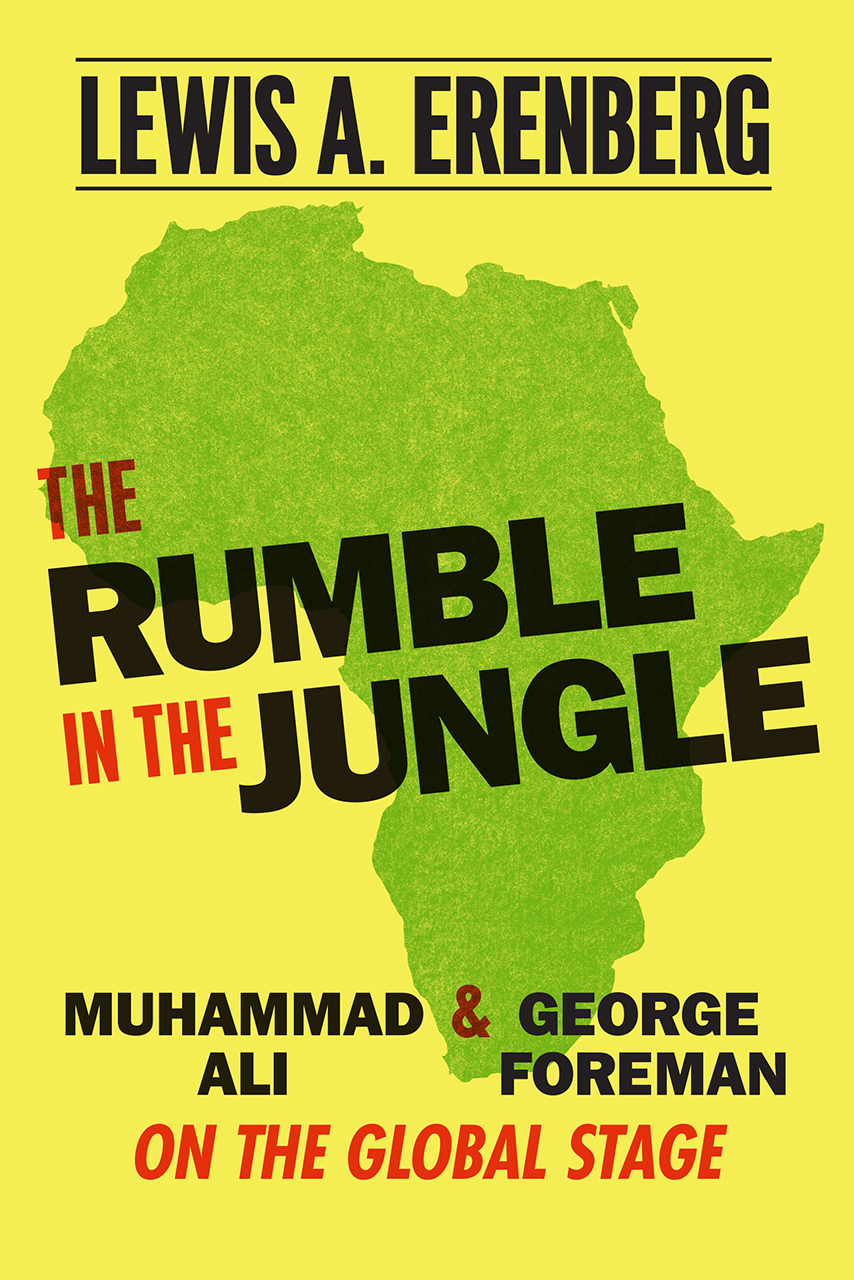
Even the most experienced and knowledgeable readers of boxing history and the life and times of Muhammad Ali will learn many new things from this engagingly written and well-researched work.
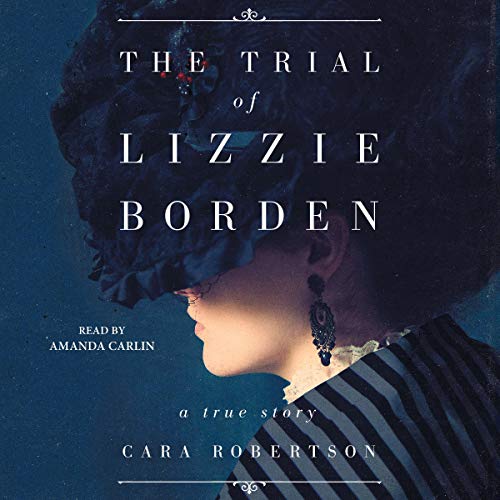
Cara Robertson compellingly documents the known facts of the Borden case, and because she strategically avoids participating in a long tradition of sensationalizing the events of the murder and its aftermath, she is simultaneously able to tell the equally captivating story of the many ways that journalists, writers, and historians have shaped the mythology of Borden murders, beginning in the hours after the crime.
Both journalism and academe hinge on free and open research, questioning, exploration, yet at the highest levels, it is rare to hear, “Go dig around and see what you come up with” or “If you’re not sure about this, stay with it until you are.” Instead, you have to pretend confidence, because often, those with established power want their own world view reinforced, their plans bolstered, their agendas fulfilled, their budgets closed.
At the risk of sounding like a nun insisting that the children wear clean plaid uniforms because they will study harder, I find myself thinking that we are all somehow a little better when we know there are ways we should behave. Not in robotic conformity, but by acknowledging the needs of those around us and the gravity of our responsibility to them.
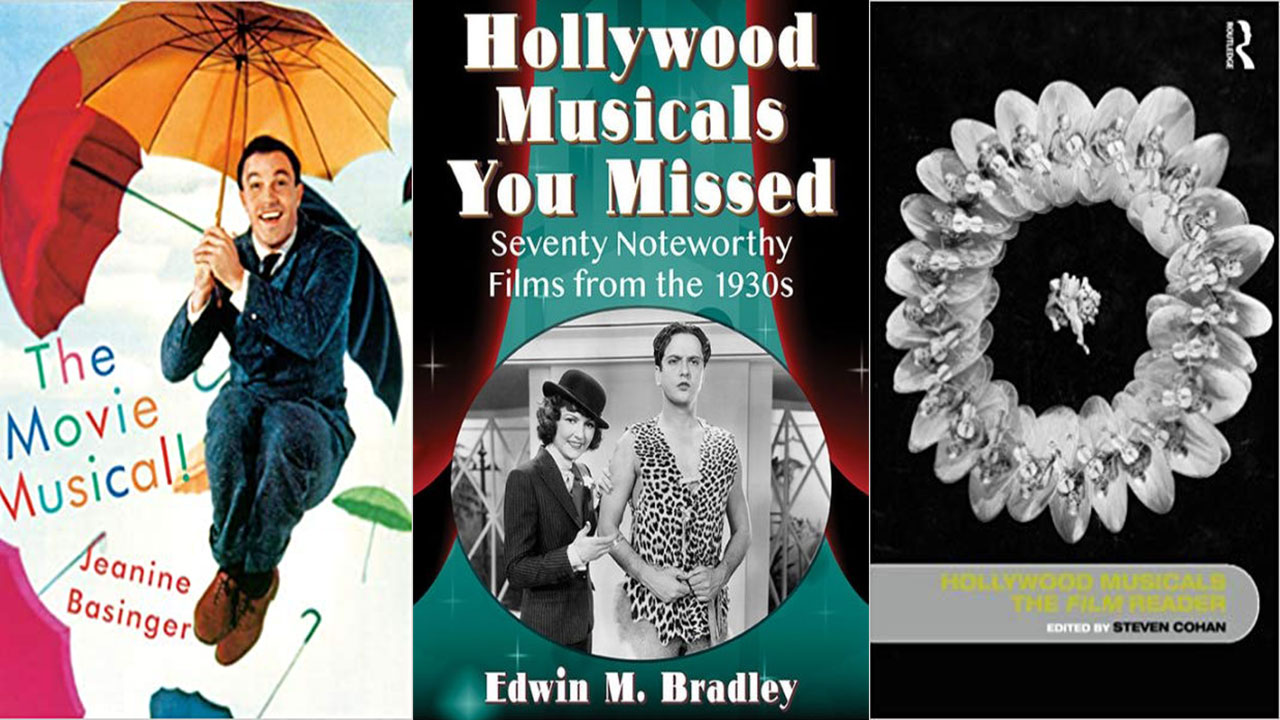
In different ways, the books under review offer alternative perspectives on what is arguably the most polarizing of film genres. All three are by established film historians who have written extensively on specific eras and themes. Yet of the three texts only Hollywood Musicals You Missed opens up fresh lines of inquiry.
Why the grotto will endure as a place to think, pray, worry about a diagnosis, ache for a loved one, savor their recovery, appreciate the healthcare workers’ sacrifices.
Workwise, I find myself in an odd place. I have never been happier than I am now, working from home. Yet I am desperately sorry for young people who have to work from home. The fluffy sort of news—by which I mean anything that does not include death counts, death…
This culture has not trained us to lightly move in and out of categories, emotions, attachments. But all-or-nothing can be childish, and in many situations, it has ceased to be sustainable. Gradual, intermittent, partial, tempered, blended, some of each, a bit of both—these are the gray places waiting for us.
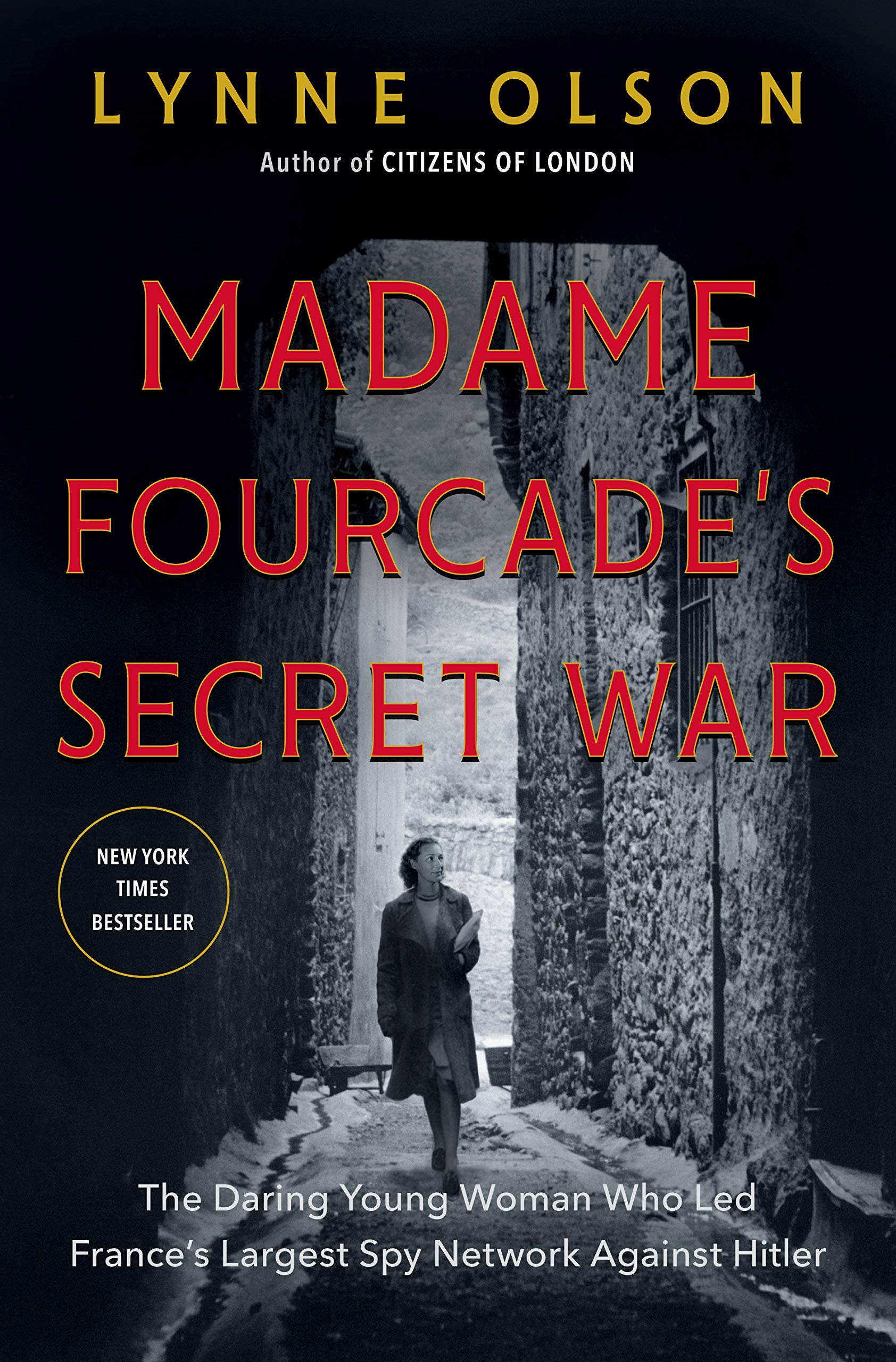
Madame Fourcades’s Secret War: The Daring Young Woman Who Led France’s Largest Spy Network Against Hitler reads like a well-written thriller about the most interesting French woman since Eleanor of Aquitaine. It stars an unlikely heroine who fought autocrats throughout her life.