Ritalin Works–But Not the Way We Thought
February 11, 2026
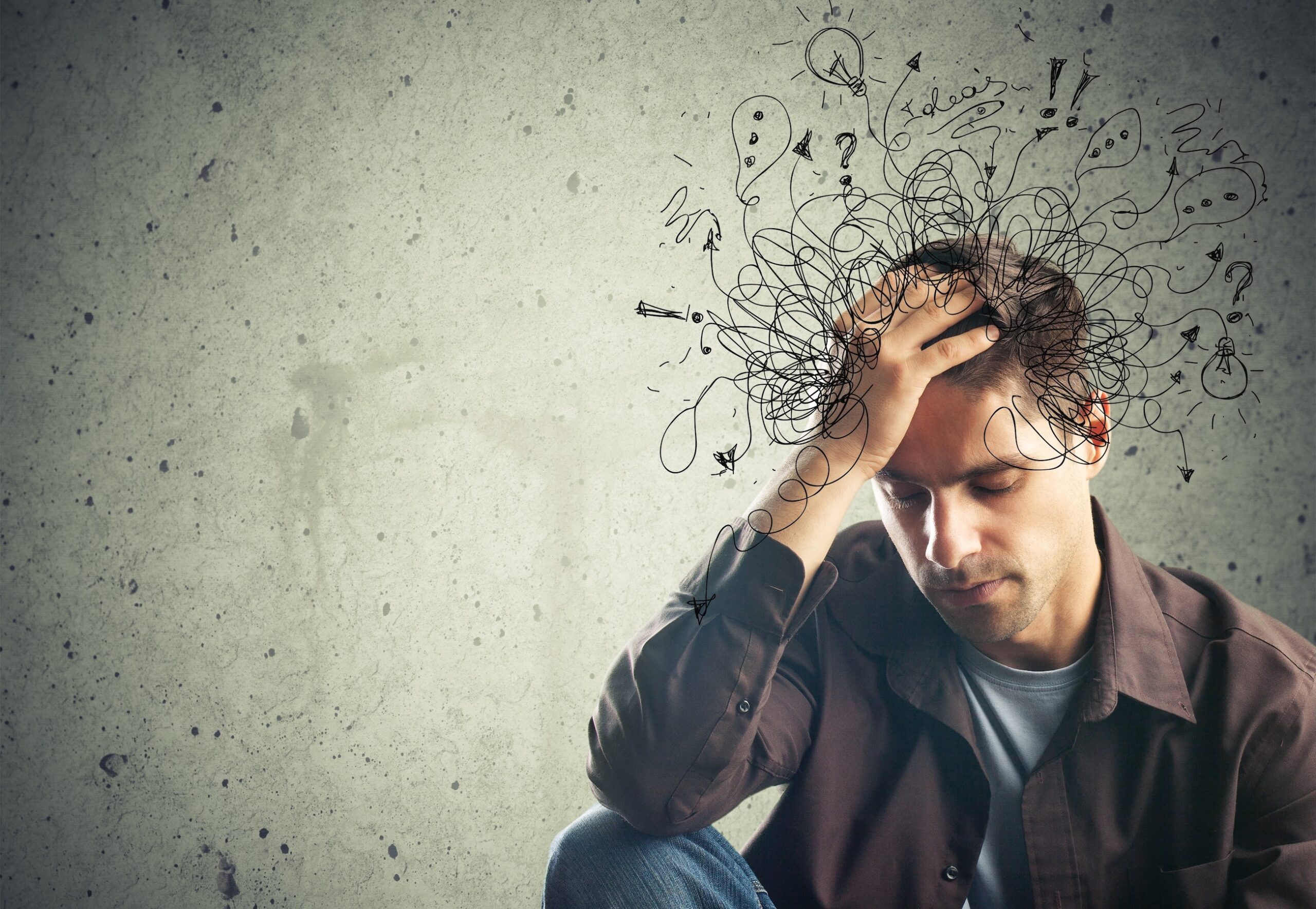
The first time my husband took Ritalin, he told me afterward, with something akin to awe in his voice, that he had been able to read a whole chapter—meaning, pay close attention to complex ideas—without his mind wandering once.
That was three decades ago. Ritalin has since made his life noticeably easier, adding bandwidth, sharpening focus, and lessening frustration. We both assumed—as did the entire field of psychiatry—that this was because Ritalin affected his brain’s attention centers. He had, after all, an attention deficit.
We were all wrong. Last month, a new study was published showing that not only do stimulants not target the brain’s attention networks, but they are the least affected.
So what is that daily dose of Ritalin doing?
In late December, a study was published in Cell, and it swept through the mainstream press. Using fMRI to study and compare brain connectivity patterns in more than 5,000 children, the researchers found two networks that were affected by stimulants. One was the arousal center, which wakes and energizes us. The other was the reward center, which can tell us a task is worth doing. Conclusion? The stimulant was making kids more alert and more interested in their schoolwork or chores, and that was improving their ability to focus and sustain attention.
There was even a possible explanation for the counterintuitive fact that stimulants soothe hyperactivity: if you have been pre-rewarded to concentrate, there is no need to fidget, casting about for something else more interesting. The brain’s need to be engaged might help a dad understand that his son is not faking ADHD, just because he can sit patiently in a duck blind all day but squirms during math class. Hunting interests him; math does not.
This is not as self-indulgent as it might sound to a disciplined, hardworking dad. The biochemistry of interest, not the child’s whim, is what drives the brain’s response.
“Pick something you hate doing,” suggests Dr. Benjamin Kay, co-leader of the study and an assistant professor of neurology at WashU School of Medicine.
“Taxes,” I say without hesitation.
“You open your computer, then think no, I can’t yet, and watch a YouTube video instead. If you do something a little bit rewarding, the task becomes more bearable. The brain, it seems, is wired to seek a certain amount of reward, and that set point is different for different people.”
I think of all the times I have faced a tough writing assignment—or taxes—by putting the teakettle on and piling cookies on a plate. “That’s true even for me, without ADHD,” I tell him.
He grins. “Nico [Dosenbach, the David M. & Tracy S. Holtzman Professor of Neurology and co-lead in this study] would say ‘without ADHD’ is a misnomer. We think of it as something you either have or don’t have, but it’s more of a continuum.
“If it crosses a certain threshold and now you are having consequences in everyday life, we call it ADHD. People like myself might sit right below that threshold, and we say, ‘Ben Kay doesn’t have ADHD.’ But when I have to do something I don’t want to do, I reach for a chocolate bar.”
I nod. When the time comes to do taxes, I fidget, lose focus, feel my attention waning…. All these years feeling smug, when I am simply lucky to be on the tea-and-cookies end of the continuum.
Deciding to think about that later, I switch gears: this is a cool study, but does which part of the brain is affected even matter, since the stimulants work anyway?
“The value is making people think about what attention actually is,” he says quietly. “About what ADHD really is.”
Today, more than five million children in the U.S. have the diagnosis, and 3.5 million are taking Ritalin or another ADHD medication. Kay vehemently disagrees with the current political push to stop kids from taking stimulants. Ritalin is one of the most effective psychiatric medicines we have, he says, and “stimulants are life-changing for a lot of my patients. Their grades get better, their self-esteem gets better, and they tell me, ‘I have more friends! And now I can play sports!’”
He does treat kids who are not sufficiently helped to succeed academically, though, and if stimulants are not reaching attention centers, he would love to be able to prescribe a new drug that does. He is wary about overprescribing for a different reason: sleep deprivation. Even little kids are having trouble sleeping these days, what with all the digital distraction and overstimulation, the adult anxiety that surrounds them, and the relentless pressure to get top grades and amass extracurricular prizes and play sports just so they have a chance at a future career that might not even exist by the time they qualify.
Sleep deprivation looks a lot like ADHD. And stimulants can mask sleep deprivation, producing patterns of brain activity that mimic the effect of good sleep. That much was obvious from the fMRIs. All those kids who do not have ADHD but buy ADHD meds on the street to help them study? Turns out it will only work if they are sleep deprived. In a kid without ADHD who is well rested, stimulants make no difference in cognitive performance. “They might just think it’s helping,” Kay adds, because it affects the reward system and revs them awake, the way caffeine can give you a buzz and cocaine can give you a rush of superhuman confidence.
The sleep results in the study are worrisome—some kids might be misdiagnosed and taking stimulants that mask the real problem, sleep deprivation. But the sleep results also surfaced another, more hopeful possibility. “In an MRI machine, I can decode your level of arousal,” Kay says. “I can tell you didn’t sleep well last night. But if you take a stimulant, I can’t tell anymore. It completely erases that signal. I thought, well, stimulants increase norepinephrine, a neurotransmitter that encodes arousal. But Nico said, ‘Maybe it’s actually doing something more.’
“So we talked with Dr. Kipnis.”
An inability to clear waste has been implicated in ADHD as well as Alzheimer’s and other conditions. But until recently, it was a mystery how the brain cleansed itself, cut off as it was from the body’s lymphatic system. Jonathan Kipnis, neuroscientist, immunologist, and professor of pathology and immunology at WashU, was one of the first to identify a glymphatic system, in which arterial pulses push cerebrospinal fluid through the brain, flushing out metabolic byproducts while we sleep. “It turns out that norepinephrine actually increases the amplitude of this coordinated pumping,” Kay says. “So—this is speculative—stimulants might be helping individuals with ADHD clear waste from their brain.”
Stimulants have been mysterious from the start, used by many cultures daily or ritually since ancient times. Amphetamines were variously prescribed as a diet aid or antidepressant, or to ease everything from headache and fatigue to schizophrenia and cerebral palsy and nasal congestion. Their efficacy with ADHD was a happy-accident sort of discovery, back in 1937, and it took another twenty years to synthesize, study, and prescribe Ritalin. Then it started changing people’s lives. Seven decades later, we are beginning to understand why.