Inside the Crafted and Creepy Culture of Dolls
Our strange, persistent, and universal attraction to replicating our likeness as dolls
January 3, 2026
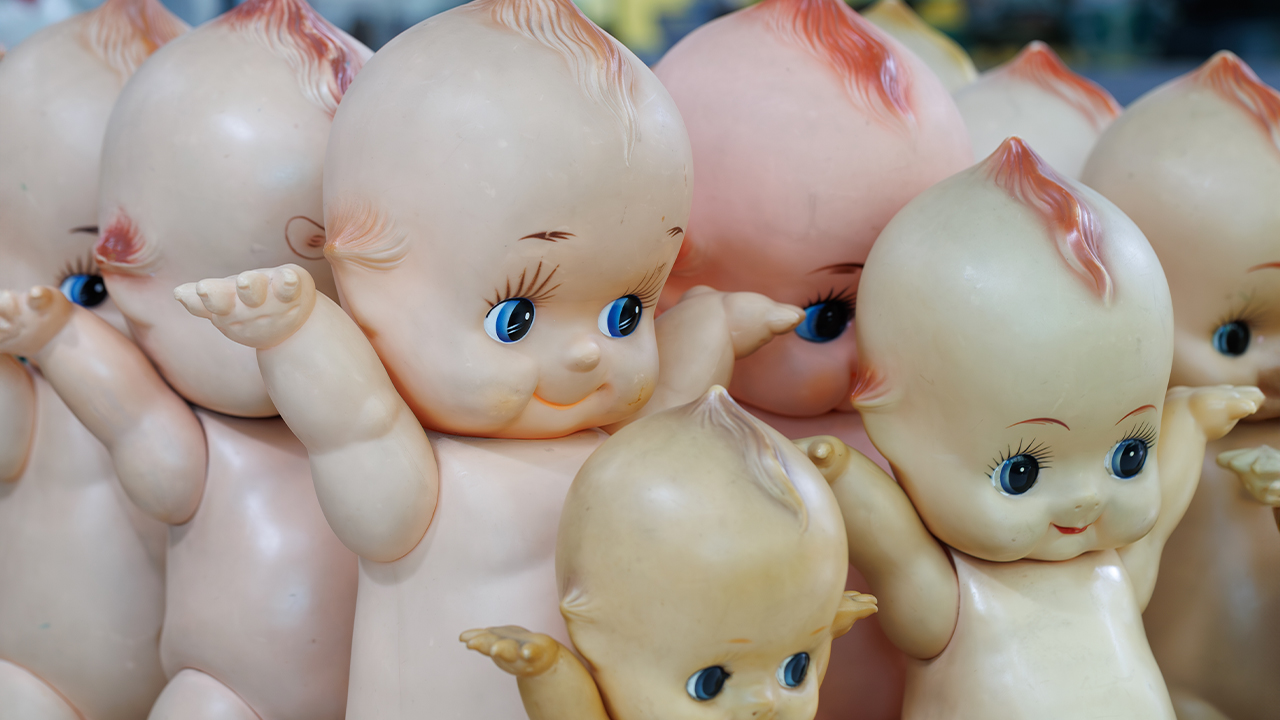
Americans cheerfully ignored the president’s post-tariff advice this Christmas. Children might not need more than two dolls, but parents wanted to give them. What is sweeter than a little girl cradling her baby doll, pouring “tea” for doll friends propped in small chairs, or weeping over a broken arm until the doll returns, healed, from the doll hospital? And if we can tug a little boy away from toy guns and gas-guzzling monster trucks and instill a little tenderness….
How odd that to teach tiny humans to love, we give them even tinier humans. Imagined into life, these mini-me’s are meant to teach kids who they are and who they should grow up to be. The tradition is an ancient one: long before people learned to write, they were crafting dolls from papyrus, straw, wood, leather, or etched bone. Some used mud (like God with Adam), which led to fired clay, then bisque and glazed porcelain, now plastic. Along the way, there were dolls of rubber, papier mâché, glued sawdust, and always, stuffed cloth—first simple rags, later satin and lace. Dolls became elaborate, became art. But all that really mattered was a limbed body with a suggestion of face.
• • •
I have always felt guilty for not loving my dolls enough, felt this was proof that I lacked maternal instinct. Cool little personages, they were always watching, impassive, never letting me know what they thought. More than an object but less than a person, they seemed unknowable—and therefore unreliable.
Stuffed animals, I had no problem anthropomorphizing. I knew and loved the whole zoo-full. My dolls, I barely remember. Flipping through an old album, I see myself, in photo after photo, happily hugging a stuffed dog. Ah, finally: here I am pushing a stroller with two dolls in it. Rather than tend them, I am looking off to the side as I push the stroller, clearly bored. Maybe it was someone else’s stroller? Other photos, though, show dolls that were clearly mine, yet I barely recognize them. They are blonde, shiny, Stepfordish. Maybe if someone had given me a bespectacled little doll with mousy hair and a book in her hand?
My smallest dolls were especially pretty, and far too perfect for me to imagine entering their world. More costumed than attired—a Spanish senorita in red satin and black lace, an Irish lass in kelly green with a white pinafore—they were meant to sit on the shelf and be admired. I had no use for them.
Funny—I say I could not connect with these dolls because they were nothing like me, yet the only doll I ever adored was Penny, who was Black, with soft dark hair and a pink gingham dress. No doubt her presence appalled my prejudiced Irish grandmother, which may well have been my mother’s motivation. But Penny was, like me, different from the others, and she looked loveable, not fake or stilted. Also, she felt soft. The others were either hard or rubbery, and their Caucasian flesh color was always slightly off, orangey or too pale. One wore jammies and wriggled sleepily, which made her adorable, except that a big plastic wheel was stuck in the center of her back because she had to be wound up. That whole era was wound up, all the moms on Valium and even the dolls setting the bar too high.
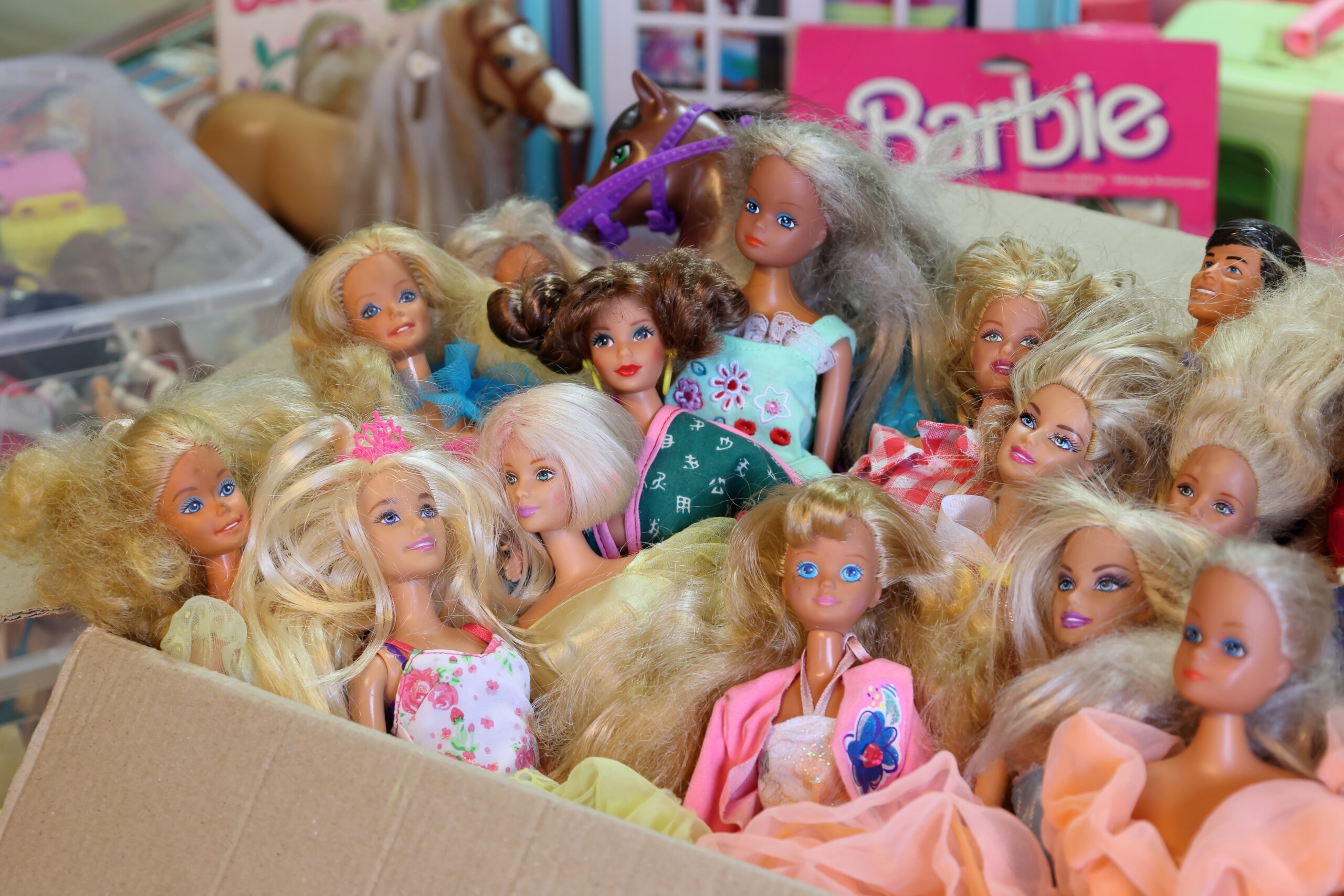
My favorite toy was a stuffed owl with a crooked beak and one wing drooping longer than the other; he reassured me. The ubiquitous Barbie did not. My mom murmured that we could not afford her, but I barely listened, because I did not want her. There was no hugging that skinny, hard plastic body. Obsess over her wardrobe? I preferred playing dress-up with the fabulous, moth-eaten finery in an old trunk in the basement, all that remained of my sour grandmother’s giddy youth.
My only really fabulous doll was a gift from that grandmother—and was kept out of reach in a high cupboard, no doubt at her insistence. This doll was a little bigger than the others, and she did something, said a few words maybe? I am not sure I even bothered to name her. All I remember is red velvet and an air of mystery: what did she do up there all day?
No doubt she was locked high, like Rapunzel, because my family had seen what I did with another, smaller doll. First, I scrubbed shampoo into her hair until it resembled an SOS pad. Then I drew on her with Flair markers, giving her correct genitalia as best I could fathom it, then adding yellow and brown scatological color coding. My genteel mother was horrified.
The ability to soothe is a talent society ignores, yet it is as valuable as a fat Swiss bank account, as powerful as any elected office.
She adored all my dolls, just as she adored all children. Me, I was not even charmed by Raggedy Ann. And babysitting terrified me. I had never been around babies, and I could not understand why parents would trust me with theirs. When I showed up and had a damp three-week-old infant thrust into my arms, I called my mom the minute the door closed.
These were real babies, the awkward sort that needed a real bottle and would scream for hours if you failed to find the magic spell. But when you did recite the right incantation, when you found out just how to hold them—what a rush. Once I got the knack, I could spend hours cradling and rocking my tiny charges. I loved to mother younger children, too, putting my arm around my friend’s sobbing little sister or consoling younger schoolmates. The ability to soothe is a talent society ignores, yet it is as valuable as a fat Swiss bank account, as powerful as any elected office.
In my twenties, eager to develop that talent, I transferred the soothing to neurotic artists and writers, anybody just on the verge of suicide. See, I’m not opposed to mothering, I wanted the world to know. I just prefer my humans a bit less fragile than a newborn.
When I married, my husband and I thought—too hard and too long—about starting a family. In the end, for a variety of reasons—some medical, some financial, but mainly a mutual nervous fear that we lacked the requisite patience—we chose not to have children. My cast-aside dolls had whispered the prophecy.
• • •
Marketers swear that more and more boys are wanting to play with dolls, a phenomenon my feminist friends chased hard, to no avail, when they became mothers. Now they are grandmothers, and still report no luck. Are the marketers making up these stats? As I wonder, a little boy comes to my park bench with a toy truck and begins skidding its wheels along the bench to the edge of my hip, over and over again. “Zoom!” he yells, and I cannot help but grin.
Maybe he has a doll at home. I hope so; it is refreshing when the burdens of fertility and parenthood are shared. But judging from the holiday stock at Walmart, progress is slow. And dolls’ original role—as liaisons to the divine, carriers of souls, protectors, teachers of tradition—is flat-out gone. I stand in the hot-pink aisle and scan the shelves, desperate to find spiritual significance in Barbie and her cohort. I had thought the movie would kill the doll, but instead of reeling at Barbie’s feminist critique, Mattel watched its revenue shoot up. The company now has a new line of dolls inspired by the film. There is even a Barbie Monopoly game. And the only boy dolls are Kens.
Maybe I am too close to that particular, uber-American line of dolls. When my uncle returned from the U.S. Navy, he brought a little geisha figure in a soft wooden box, six different wigs in compartments on either side. So careful my chubby fingers trembled, I changed her wig, sensing that each of the—Barbie would call them “looks”—carried a different symbolic meaning. The pattern in her tiny kimono, the way the sash was tied…. That was what first fanned my interest in clothes, not the chick packaged pink.
Did you know that in Japan, March 3 is Doll’s Day? This Hinamatsuri festival carries costume even further: dolls representing the emperor and empress, their attendants, and the court musicians pose on what might have been celebrity’s original red carpet, peach blossoms strewn at their feet. These hina dolls are tiered, the royals at the top, signaling the successful future parents pray for their daughters. The other figures represent order and tradition, and their role is to intercept any sickness or misfortune headed toward the girls. Whose well-being is, of course, linked to their future marriage prospects, said to dim if the display is kept up too long.
Hopi kachina dolls, carved from cottonwood root, teach children different lessons, introducing them to the spirits that bring rain or health or harvest. The Slavic Domovoi doll, a funny little man with a broom, brings wisdom and happiness and guards his household from misfortune. Such a charming superstition, I think—and then I remember my own family’s Infant of Prague, kept on a high table in the living room, facing the door. He wore a white satin dress my great-aunt carefully washed and ironed, and there was a bland expression on his pretty little ceramic face. The elders in my family murmured prayers in front of him. Faith or folklore?
• • •
Grown-ups have always played with dolls. In the Dutch Golden Age, the bored wives of abruptly wealthy silk and spice merchants threw themselves into the creation of exquisite dollhouses. These were homes they could perfect, easily made ornate and precious, with bathrooms no servant had to scrub and tiny leatherbound books no one had to read.
Further back, in ancient Rome, wealthy women owned elegant dolls as signs of their social standing and ideals of femininity. Women sewed doll clothes, and their daughters dressed dolls as brides or made them talismans of fertility. In culture after culture, women unable to conceive have dressed, tended, or carried dolls. This seems wistful and sad—but who knows what hormones might have cascaded from those simple gestures?
Did you know that in Japan, March 3 is Doll’s Day? This Hinamatsuri festival carries costume even further: dolls representing the emperor and empress, their attendants, and the court musicians pose on what might have been celebrity’s original red carpet, peach blossoms strewn at their feet.
And what about all those children, smaller and smaller, nested inside a matryoshka doll? She holds an entire family within her, opening herself up again and again to release them to the world. Her name traces back to the Latin mater, or mother, and I always assumed hers was a centuries-old tradition. Nope, the first matryoshka was made in 1890. Soon, the dolls were held up as a symbol of Mother Russia, motherhood having a tendency to be co-opted by the state. Women bearing babies signal a robust populace and a patriotic pride.
Here, pronatalists again covet fertility, and it may well be coaxed by trendy “reborn” dolls. Handcrafted with exquisite care, they are so realistic, I pick one up gingerly, instinctively supporting the head. A visible tracing of thin blue blood vessels covers a tender scalp, and the little starfish hands curl like a newborn’s, the fingernails tiny half moons. The soft body nestles into my arms, carefully weighted to be as floppy as a newborn. Often these dolls are made at home by hopeful or grieving mothers, women as obsessively creative as those who assembled those Golden Age dollhouses. Crafting the idea of family, aching for its fulfillment.
Of course commerce has picked up the ball; there is money to be made from that hunger to nurture. On Amazon, the Babeside doll is for children, the description says, but also for “parent role play” and—here, a photo of a gray-haired couple—“warm companionship.” Other sites describe how reborn dolls can ease grief, loneliness, or dementia. A reborn doll is, in a closer approximation than any predecessor, a substitute baby. One that an adult can easily embrace as their stillborn child, brought back, or their future baby, miraculously conceived.
Kits are sold so that anyone can “newborn” a doll; supplies include glass eyes, fake tears, nose drill bits, and human (or goat) hair. Thirty layers of paint build up a plausible human skin; a sponge mottles the skin; a blue wash adds the veins. Heat packs make the doll warm to the touch, a voicebox lets her cry, and electronic devices mimic a heartbeat and move the chest as though she is breathing. Perfumes have been created so she can smell like a real baby. Purchasers receive a birth or adoption certificate.
“Reborn” dolls are often made at home by hopeful or grieving mothers, women as obsessively creative as those who assembled those Golden Age dollhouses. Crafting the idea of family, aching for its fulfillment.
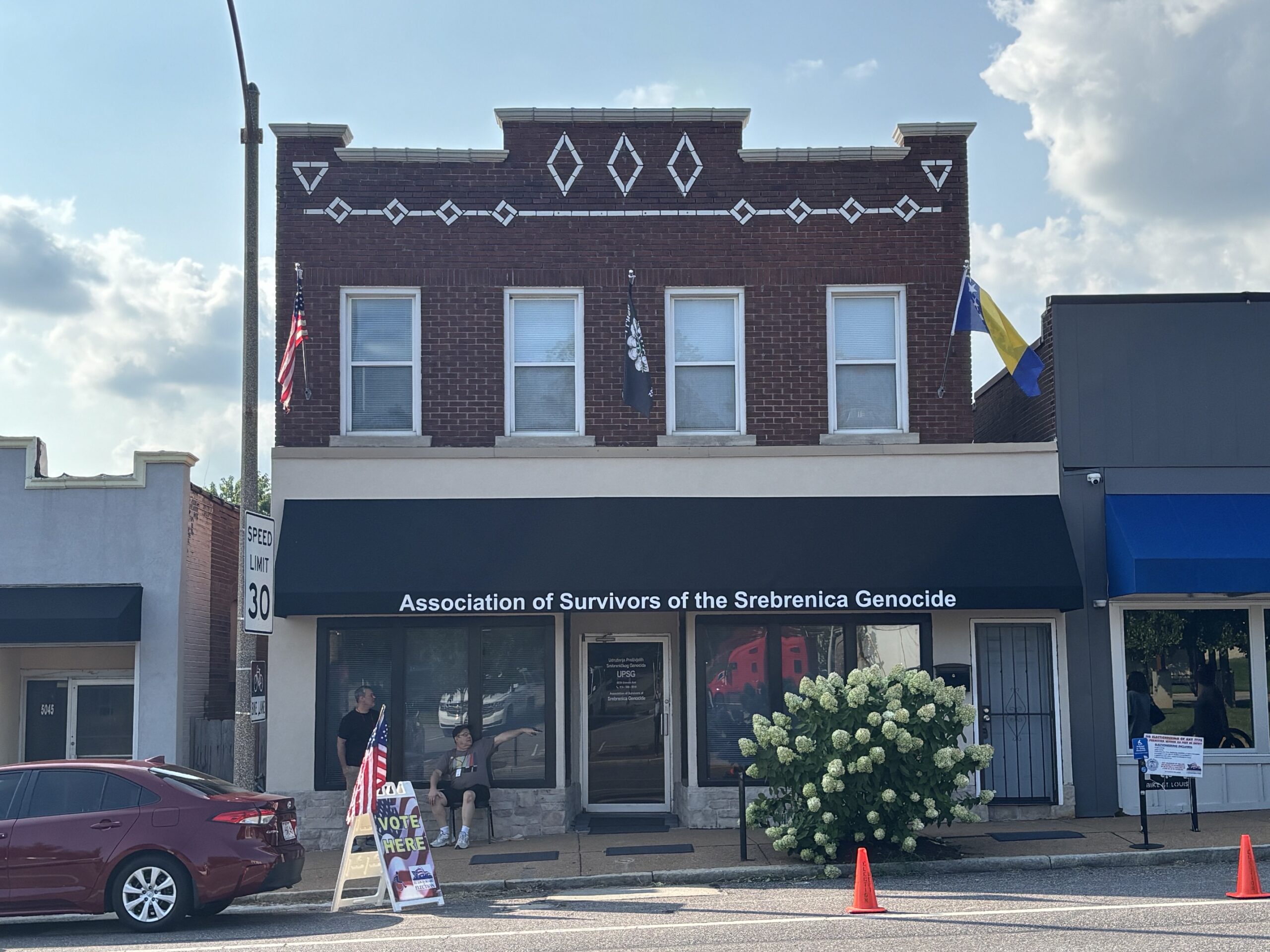
Harrod’s will not sell reborn dolls; they are a little too real. In Brazil, politicians are introducing bills to ban the popular dolls from public places. Realism this thorough is a double-edged sword. It is easy to understand why Katherine Hansell, of St. Charles, Missouri, gave her adopted daughter Crystal, who suffered horrendous abuse, a reborn named Crystal. As they care for the doll together, Hansell can point out, “This Crystal was never hurt.” Another way of growing up is possible.
On the other hand, when grieving parents custom-order a doll that looks exactly like the baby they lost, then care for the doll as though their child were still alive, rather than letting grief turn them outward, toward another baby…. One wishes the reborn looked a little less real, a little less able to cancel an uncancellable loss.

• • •
The danger of substitution sharpens if you are a lonely man in the market for a sex robot, which is, after all, nothing more than a giant high-tech doll. A “doll” the way women used to be dolls, primped and polished into docility. The word’s first meaning was “a man’s ‘pet’ or lover,” Oxford Word Origins notes, and the robotic version is the ultimate pet. Program her to be your ideal woman, and you will render every flesh-and-blood rival inadequate.
What if your desire is warped altogether, drawing you to children? Advocates argue that a child sex doll can absorb that compulsive lust. Provide a safe outlet, they say, and the preoccupation will dissolve. Studies are so few, and their results so mixed, that summaries read like this: “Doll ownership was associated with lower levels of sexual preoccupation and self-reported arousal to hypothetical abuse scenarios, but higher levels of sexually objectifying behaviors and anticipated enjoyment of sexual encounters with children.” Wait—is that better or worse?
No one can answer the question that matters most: how long will you be able to content yourself with a puffed-up facsimile? Handed a pretend child, your fantasies will twine around her. You will speak for her, dress and undress her, position her. She will stay sweet, submissive, pliant, throughout. Every orgasm will be a reward, reinforcing your desire. Look! She never protests! You can do anything you like, act out any fantasy, and she will enjoy it. And when what you do no longer satisfies, you can invest in a child sex robot with a livelier personality. This one will flirt and banter with you, all the while assuring you that she loves you and loves what you do to her. See? You are doing no harm.
Except that the doll is one more lie. A lie begging to be made true.
• • •
In Olufunke Ogundimu’s short story “Dolls,” an auntie is buried with two dolls. “A plastic one and a wooden one were placed in her stiff arms, in her polished wooden coffin. She was terrified of dolls.” What? Why torture her on her way to the next world? But this was the custom, we are told. At least one girl in every generation had the fear, and families kept hoping that once dead, they could somehow stop being afraid. Maybe they would even come to love the doll shoved into their dead arms.
The fearsickness began when a mother, desperate to stop her daughter from wetting the bed, pretended to throw her doll into a lagoon (but threw a stick of wood instead). The daughter sobbed inconsolably, and her mother slept with her arms around her all night. The next morning, the mat was dry. Delighted, the mother tried to give the doll back to her daughter—who screamed when she saw it.
Now the doll girls and doll women have the cold, expressionless eyes of dolls, the narrator says. Detached and aloof, they find marriage difficult, we are told, and they rarely have more than one or two children. Singleminded and determined, workaholic even, they excel in all they do. But they seldom live past fifty.
The narrator goes to see “the old ones, the mothers,” who are “connected to the outside world by things seen and unseen, past and future.” She wants to winnow out the name of the first girl who had this terror. Visit after visit, she asks her question. Finally she reaches the last old woman, only to be told that she is asking the wrong question. In her terror, the first girl lost her name. What needs to be reckoned with now is the name of the doll—Awawu, common in that region. “Stop naming your girls Awawu,” the old woman urges, “they are the portals through which the doll fear is passed.”
• • •
A chill runs through me at the story’s end. Did I have a touch of the doll fear? And what actually caused it—the excess of love the girl lavished on the doll? The deceit her mother used to make her acceptable to society? Society’s revenge on women more interested in work than babies? Maybe the doll was taking her own revenge. So many horror flicks start with an antique doll possessed by an evil spirit….
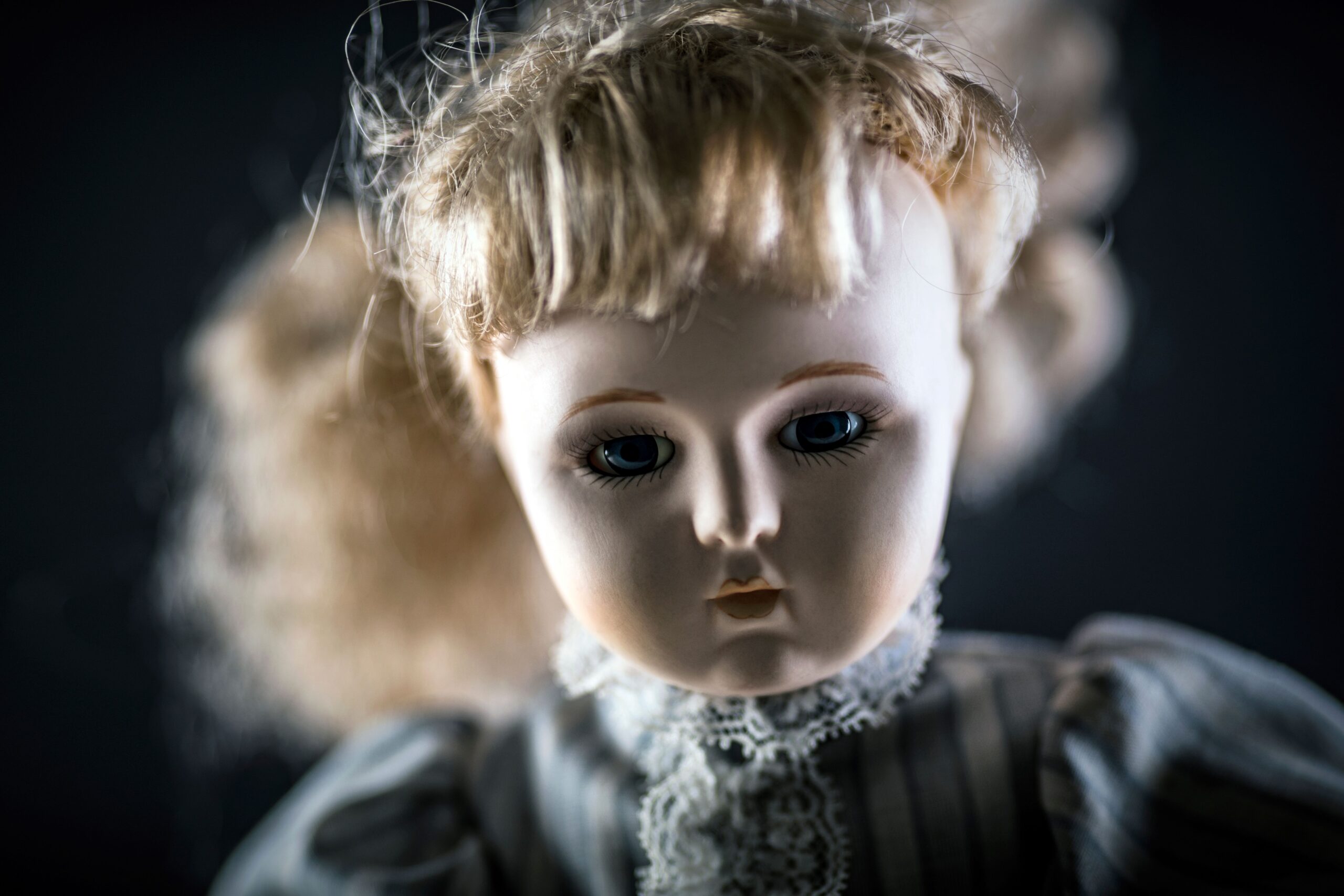
Why are miniature females a horror trope, anyway? Because dolls conjure innocence, which heightens the shock of evil? They are liminal creatures, alive and dead at once, eerily human yet made of other substances. Effigies, of a sort. Also victims, beings that can be yanked around, pulled apart, tortured, or locked up. Female dolls let males worship femininity and mock it at the same time. And many a doll has been used to cache malevolent curses, their power released by nails or pins. I shudder when I learn that human traffickers in Nigeria use young women’s fear of these dolls to hold them captive. They are exploiting an old, multicultural tradition, stretching from African nkisi or bocio figures to the poppet dolls of medieval Europe, who were bent to purposes just as sinister.
Ah, but were they as scary as Talky Tina on The Twilight Zone? In that famous 1963 episode, the mean stepfather objects to his wife’s purchase of the doll—who waits until she is alone with him to calmly announce that she is going to kill him. Spoiler: she succeeds. “Of course, we all know that dolls can’t really talk,” host Rod Serling says at the end, “and they certainly can’t commit murder. But to a child caught in the middle of turmoil and conflict, a doll can become many things: friend, defender, guardian….”
Which just might be what happened with Robert. A straw-stuffed cloth boy, he wore a sailor suit that probably once belonged to his owner, a wealthy kid who was also named Robert, though he went by Gene. The kid carried Robert everywhere, speaking to and of him as though he were a person. The relationship was cozy and reassuring—until the night Gene awoke to find Robert at the end of his bed, staring at him. Soon after, his parents swore they heard a voice, not their son’s, issuing from the doll. And as life’s inevitable mishaps came, Gene began to blame Robert, which was no doubt easier than blaming himself. We need causes, and we need scapegoats; they tie random misery to a controllable source.
Dolls conjure innocence, which heightens the shock of evil. They are liminal creatures, alive and dead at once, eerily human yet made of other substances. Effigies, of a sort. Also victims, beings that can be yanked around, pulled apart, tortured, or locked up. Female dolls let males worship femininity and mock it at the same time.
Oddly, Gene continued to love his malevolent doll. He must have sensed loyalty: later visitors to the house claimed that the doll’s expression darkened whenever anyone badmouthed Gene. Over time, Robert’s face picked up stains that look like a medieval pox. His nose distorted; his eyes seemed beady rather than guileless. His owner is now dead, but the doll lives on, resident in the Fort East Martello Museum in Key West. Visitors write to him afterward—not as pen pals, but to apologize. Some misfortune has befallen them since their stop at the museum, and they are afraid they failed to pay Robert sufficient respect.
He was, after all, one of the inspirations for Chucky, who first showed up in Child’s Play in 1988, with four sequels to follow. Evil dolls—whether innocence corrupted or innocence exposed as a con—fascinate us. Every October in Rochester, Minnesota, people donate their creepiest dolls to the History Center of Olmsted County, and the dolls “curate” that month’s exhibits. Collecting is never hard; we all know when a doll is creepy. The fixed stare, the slight sneer curving the lips…. These dolls look as though they would like to stick pins in us.
Ventriloquists go a step further, making their doll seem as if it is a living being who can talk, express emotions, hatch ideas. Anthony Hopkins and Michael Redgrave starred in famous ventriloquist movies about the dolls taking over their owners (whose act is this, anyway?). The history of entertainment is laced with ventriloquists—Edgar Bergen with Charlie McCarthy, Paul Winchell with Jerry Mahoney, and today, the irreverent Jeff Dunham.
• • •
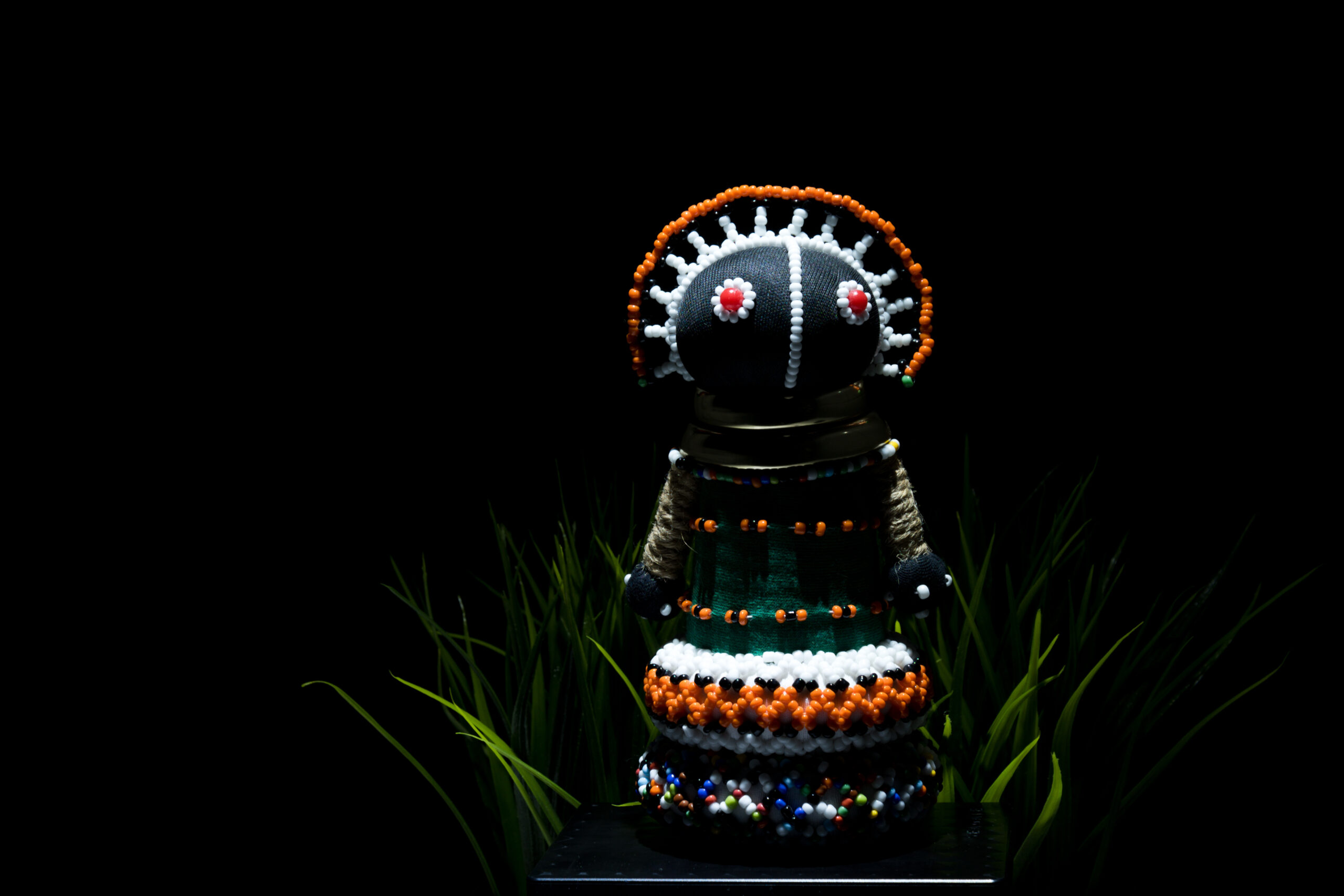
Ventriloquists bring their dolls to life, but the others reek of death. Wooden paddle dolls are locked in Egyptian tombs to soothe tightly wrapped mummies. Ancient Japanese funerary dolls guard the dead. The ancestor’s soul climbs into an African spirit doll, and once placated with sufficient sacrifice and prayer, it speaks.
Disconcertingly, the dolls buried with young Roman girls from the second to the fourth century have adult bodies. Time has dissolved their clothes, so we can see their “small but clearly shaped breasts (some with defined nipples), wide hips, slightly protruding bellies…and carefully marked-out pubic triangles.” Are they tokens of grief, mourning the future these dead girls lost? Was their future sexuality the point, or their fertility? Their presence seems a cruel reminder of what was lost, but maybe their parents wanted to continue preparing their daughters….
In the Gilded Age, death again crept close to life. Children found black mourning dresses packed in the trunks of French dolls, and dads built doll-sized coffins—or purchased a “death kit” that included one—so their children could stage doll funerals. Death from sickness was so common, playing funeral was as relevant as playing house. There were even mourning dolls made in the image of dead children, with locks of the child’s hair sewn to the doll’s scalp. They were cared for as catharsis.
• • •
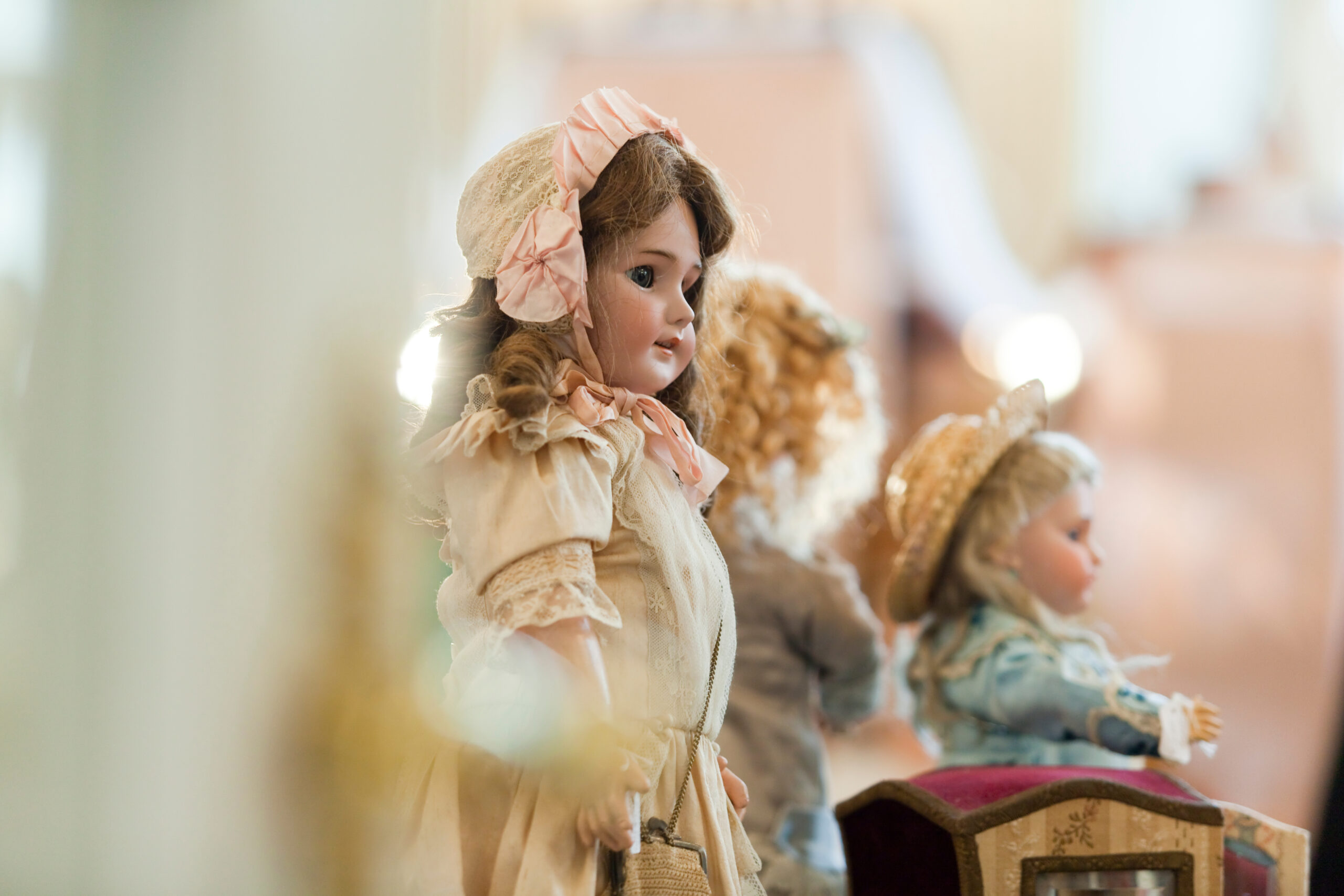
What use are dolls in our world? No one I know has been buried with one, and teddy bears are more comforting in a hospital room. Still, a child who has been abused finds it easier to point to the hurt place on a doll than on her own body. A child who is lonely can find solace with a doll. And humans of any age have deep, often unfilled needs for cuddling and companionship.
Dolls, after all, are us. What other animal has such ego? Ravens are supposed to be smart, but I have never seen one assemble twigs into a tiny raven. We humans love our mini-me’s. The global market for dolls reached $15 million in U.S. dollars in 2024 and is projected to reach $27 million by 2033. Dolls are collectible artifacts, but they also remain cultural educators, training kids to be caring, look trendy, become a parent, and have an exciting career.
Did any of us learn any of that from our dolls? We carried them, talked to them, changed their clothes or at the very least their diapers. But we also dropped them forgotten in the mud, yanked their little arms out of the socket, and pulled their hair out of their perforated scalps. In 1899, girls were already saying that they “preferred sledding, jumping rope, or playing tag, hide-and-seek, or any other game to playing with dolls.”
Dolls, after all, are us. What other animal has such ego?
How many little girls have only played with dolls to gratify their parents’ enthusiasm, I wonder. Or to mirror their friends, or to have what they were told to want. “One forlorn fragment of dollanity had belonged to Jo;” we read in Little Women, “and, having led a tempestuous life, was left a wreck in the rag-bag.” I grinned in recognition.
Children do learn empathy from their dolls, though, urgently recruiting a parent if a doll is hurt and announcing (or this projection?) when the doll is mad or sad. Even if they rip their doll apart, Baudelaire suggests, the motive might be love: there is an overwhelming desire in most children to “get at and see the soul of their toys.” And a well-loved doll simply must have a soul tucked away somewhere.
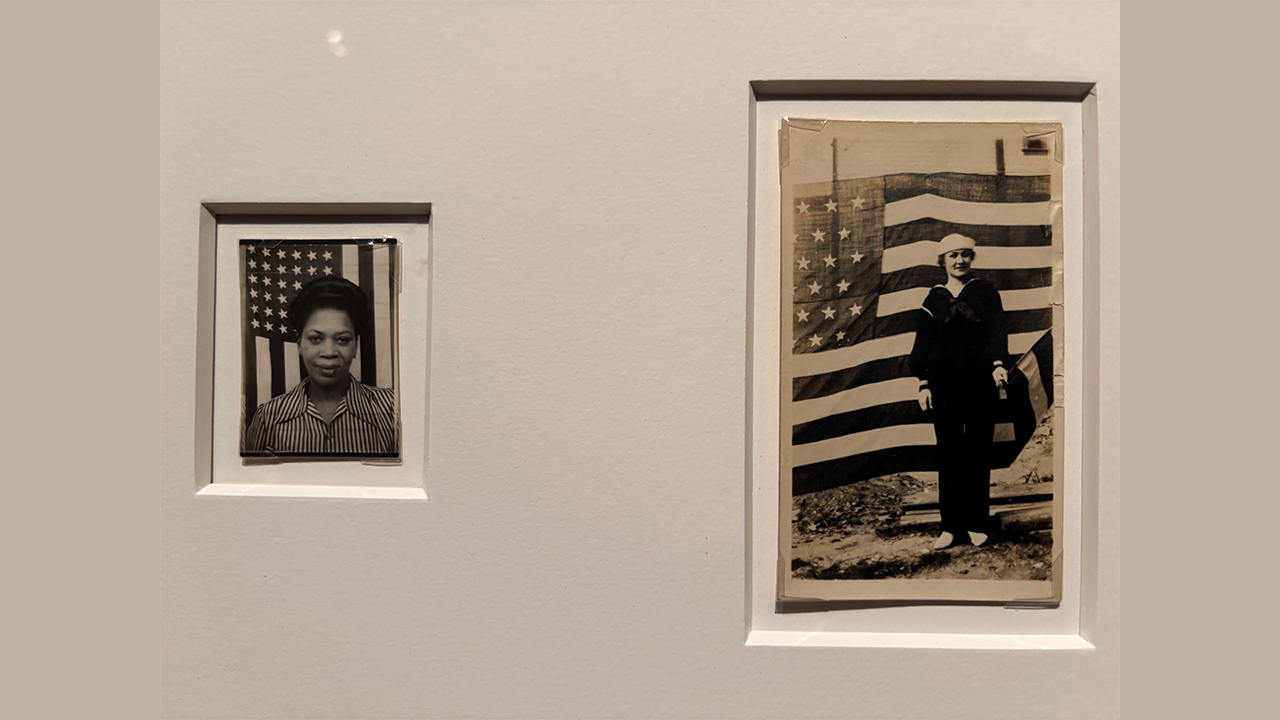
In colonized nations, dolls in cultural garb were used to remind children who they were and resist the culture of the colonizer. Enslaved Yoruba mothers knotted scraps of their clothing into cloth dolls to give their children hope and a link to their heritage. When White manufacturers made hideous caricatures of Blacks, Black women sewed beautiful dolls at home. Here, in the late 1940s, Black children were given Black and White dolls and asked which they preferred. Most chose the White doll, finding it “nice” or “pretty,” and the Black doll “bad.” Offered as evidence that segregation left Black children feeling inferior, the test influenced the 1954 Brown v. Board of Education deseg decision.
If kids learn standards of beauty from their dolls, they also learn avarice and envy, especially when friends get the must-have doll or a lavish set of accessories. Marketed with TV commercials since the 1970s, dolls now are often linked to some popular commercial property. In that Walmart aisle, I saw dolls from Frozen, Wicked, The Wizard of Oz, and Willy Wonka and the Chocolate Factory, and there were Hogwarts uniforms to fit them. Dolls not inspired by a hit movie are issued with companion videos or books, like Mattel’s Monster High doll franchise. Either way, nearly all the dolls in that aisle come with a readymade story. I say a silent prayer that kids ignore that story and write their own.
But the technology discourages that.
Today’s play patterns are less about feeding and cuddling than about clicky instant gratification. There is less physical play, more visual interaction, as social media offers “digital doubles” and characters cross platforms. Cybersecurity experts worry about the data virtual dolls collect on the children who love them. Psychotherapists worry about shortened attention spans, reduced tactile/sensory development, and less practice with real-world social skills. The digital representations are far more idealized than Barbie, far more daunting. Kids can get as addicted to digital validation as their parents are. And there is no longer much need for imagination, because the play has already been elaborated and scripted.
In colonized nations, dolls in cultural garb were used to remind children who they were and resist the culture of the colonizer. Enslaved Yoruba mothers knotted scraps of their clothing into cloth dolls to give their children hope and a link to their heritage.
Today’s dolls seem increasingly real. Nobody has to wind a big plastic wheel stuck in their back. Yet they will still get dragged through the mud and torn apart limb from limb, and I find that this disturbs me. I used to wince when kids were given virtual pets they had to feed and walk via an app, but blithely forgot (kids are tiny sociopaths) for days on end, so their poor creature had to be resuscitated by computer magic. Are we desensitizing the next generation?
The more lifelike the things we mistreat, the more careless we will become with what is alive. Or maybe this is only my private worry, because every time I snap at a bot on the phone, I wonder if this freedom is hardening me, making me likelier to be rude with humans. Remote practice erases guilt, as it must for today’s soldiers with their clean kills, buttons pressed in an air-conditioned room.
Digital collectibles live online the way my grandmother’s doll lived in the cupboard—but they are easier to abandon. Other dolls, still physical but augmented by AI, live in a child’s bedroom and also on apps, and their makers use voice recognition and emotional responsiveness to “heighten interactivity.” Balderdash. Children were carrying on long, involved conversations with far simpler dolls a century ago. Their own creativity “heightened interactivity.” But now that vivid imagination is unnecessary; the play gets scripted in advance.
The same thing happened with Legos. How exciting it used to be, to have all those bright squares and rectangles and know you could build anything! Then came the kits, more elaborate and expensive every year. A Disney Star Wars Death Star comes with 9,023 pieces and a 92 megabyte instruction manual.
At least you can still touch the pieces. Smart dolls have digital platforms where a child can customize features and clothing. Is this imagination’s new outlet, endowing images on a screen with physicality? Tech-enhanced interaction, they call it. “Dynamic play,” instead of the old static dolls that just sat there.
But a loved doll never just sat there. She had a full life, one that intersected with yours, and its emotional resonance came from the personality you give her. Now that personality has been pre-set, via a machine’s checklist. An invisible puppeteer is pulling both your strings.