The Art and Science of Hold Music’s Best Soundtracks
By Ben Fulton
September 19, 2025
Higher education in the United States spends massive amounts of time, using an abundance of federal dollars, to research cures for cancer and other chronic illnesses. And still millions of Americans—almost half our population, in fact—believe the role and mission of colleges and universities stand in opposition to “mainstream values.”
A cynic might propose that if there is a way out of this public relations disaster, U.S. colleges and universities might do well to research problems that, while not exactly life-threatening, are more likely to threaten or puncture the pleasantries we expect from everyday life. Plastic produce bags that refuse to open, radio callers with rambling questions or no succinct point, slow drivers when we are in a hurry, reckless drivers when we are driving slow, and the bank patron ahead of you who does not know how to end a conversation with the teller all count as annoying. Still, none of those compares to the iron will of patience we must summon when placed on hold by a customer service line.
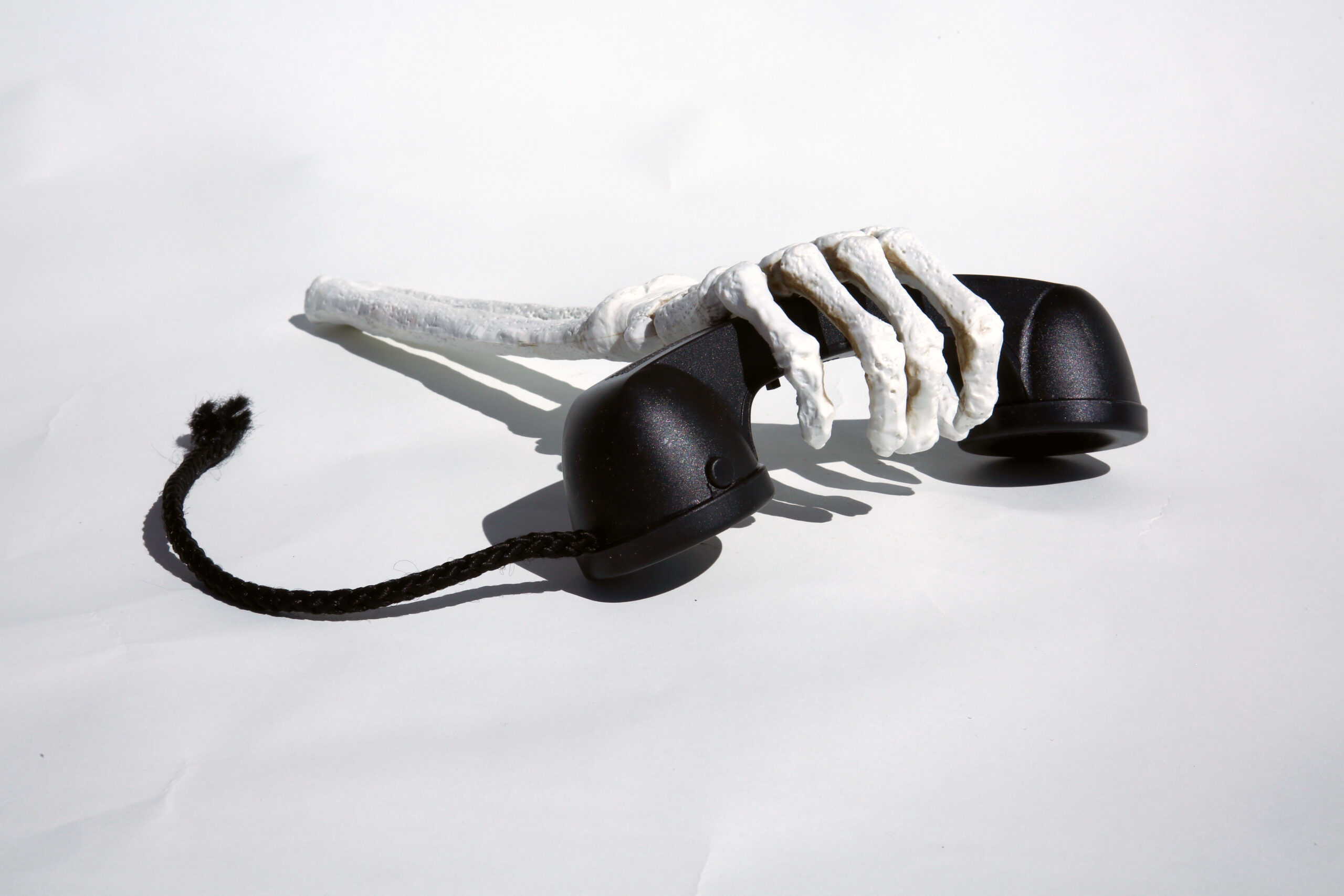
Thanks to music psychologist Mimi O’Neill and the University of York in the UK, plus the respectable sample size of 2,540 people left waiting on hold, we now know that certain types of music are better at salving the ache of endless waiting. You will not be surprised to learn that looping, repetitive segments of music rank near the bottom of what callers will tolerate. You will probably be surprised to learn that the genre of blues was rated by far the most popular. And in a surprise result sure to tickle the penchant of St. Louisans for trivia game nights, the recitation of trivia or surprising facts ranked somewhere between blues and the much less popular choice of heavy metal. Learning that Venus is the only planet in our solar system to turn clockwise might not secure a hard-won refund for a lost mail-order delivery, but no one can deny it is an interesting fact.
The music of waiting rooms and elevators was parodied to perfection in the 1980 film Blues Brothers when Jake and Ellroy made their mad dash, rich in car crashes, to the Cook County Assessor’s office to pay property tax on their Chicago orphanage. But at least we have the freedom to walk away from generic music. On the phone, we are virtually held hostage. It is hard to pinpoint when the courtesy notice of “Your estimated wait time is …” was introduced. Whoever implemented it should probably be a nominee for the Nobel Peace Prize, or at least receive an honorary award for having reduced the blood pressure of everyone compelled to wait on hold for a medical appointment, refund dispute, or progress update on a tax audit.
Say what you will about Amazon and its founder, Jeff Bezos. For a time, at least during the pandemic, the internet retail behemoth offered customers a choice of classical, pop rock, or jazz hold music. The internet is rich in influencers eager to rank major companies or retailers on the quality of their customer service hold music alone. This American Life, our national purveyor of radio stories you never once considered might count as radio stories, took the time to introduce its massive audience to Messrs. Tim Carleton and Darrick Deel, the composers of “Opus Number 1,” laid down on a four-track recorder in 1989 before it went on to conquer call waiting centers virtually everywhere. Like the drab anonymity of every dentist’s or doctor’s office you ever waited in, this is a slab of lilting percussion and synthesized melody that calls to mind the voice of sandpaper, were it able to sing. “Opus Number 1” is tasteless beyond bland. Or maybe, perversely, it is just bland enough to have a hint of aural flavor.
Before phone screens devoured our attention span, even before voicemail and answering machines made endless ringing something of a necessity in the pre-internet dating game, the phone itself was an inspiration behind some ripping great pop songs. The Nerves gave us “Hanging On The Telephone” in 1976, which was then bettered by Blondie in 1978. The UK punk band The Buzzcocks gave that same nagging brand of phone-line impatience extra venom in their 1978 song “No Reply.”
Waiting is so part and parcel of life that only children complain about it without a glum tone of resignation. Phones that evolved technologically to become our virtual friends and family members might be just as integral, though not necessary, to life. The dreaded “call waiting” is that cruel reminder that even if you just purchased the new iPhone 17, there are still limits to what these devices can do for us. When we are up against the inevitable limits of human invention and our capacity for patience, the music matters most.