Blogging the 2024 DNC
The Common Reader goes to Chicago to check in with the Democratic Party.
August 29, 2024
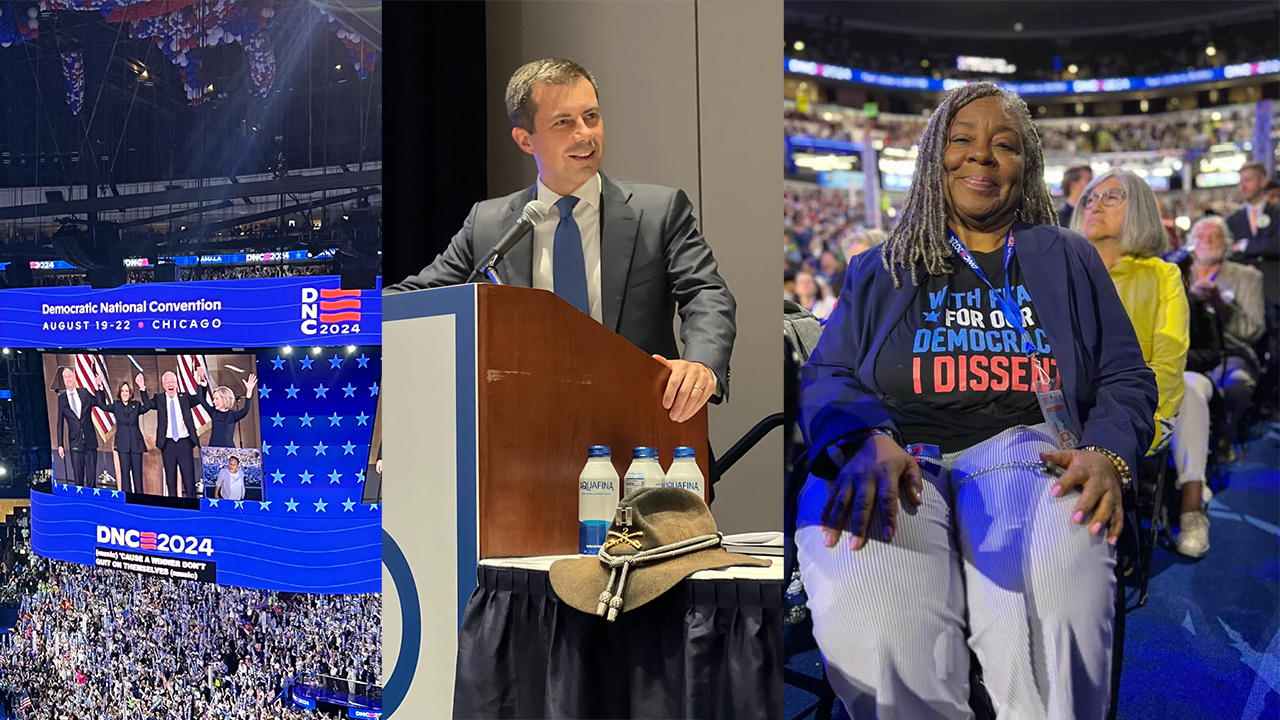
The Common Reader goes to Chicago to check in with the Democratic Party.
August 29, 2024
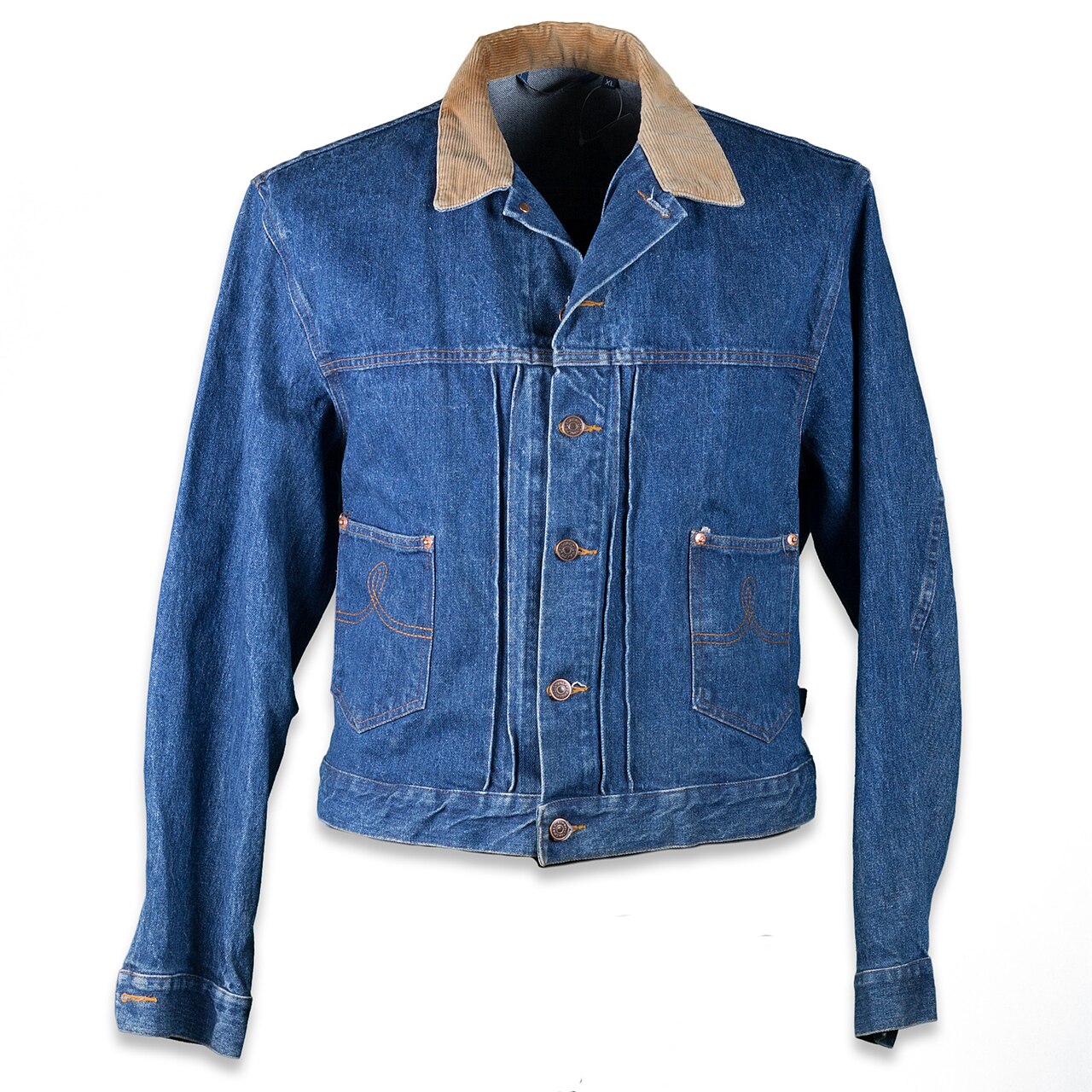
Why my interest in jackets? I cannot say, though others are taken by them too, a great tribe of jacket lovers. Of course, people are taken by all sorts of things—jeans, scarves, shoes, hats, suits, winter coats—but I have little interest in those things, except for
…
My mother would have said, “He’s a mess,” but Leon had a punk attitude, loved performative wildness, and was hugely capable. Is it a surprise what came next?
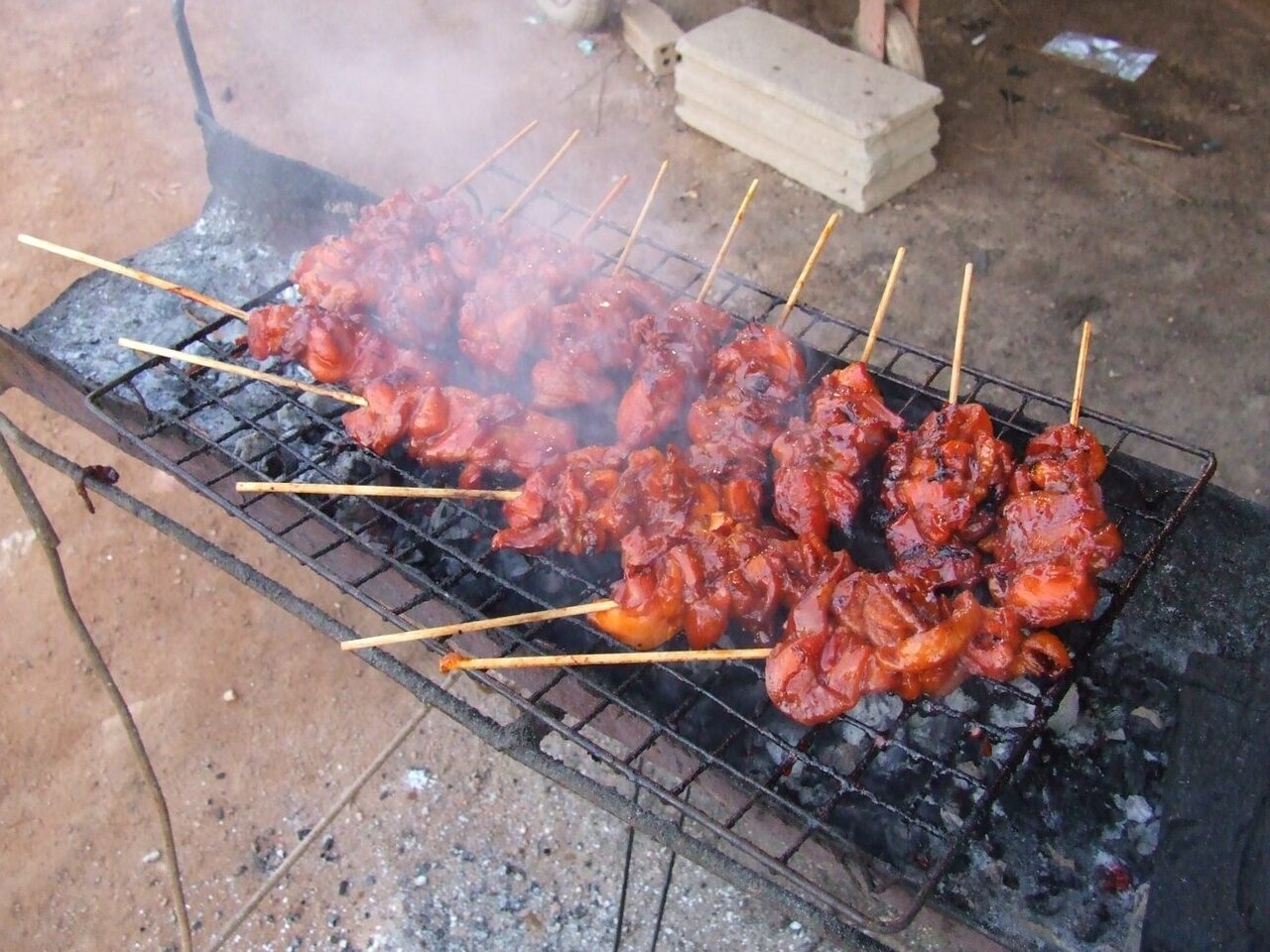
Bargoers said aloud by rote, cynically but accurately, “That ain’t no Jimmy Dean,” because whatever the meat was, it was not pork sausage. Everybody called it monkey meat, or mystery meat, which did not diminish patrons’ appetites and in fact sold more skewers due to its mystery.
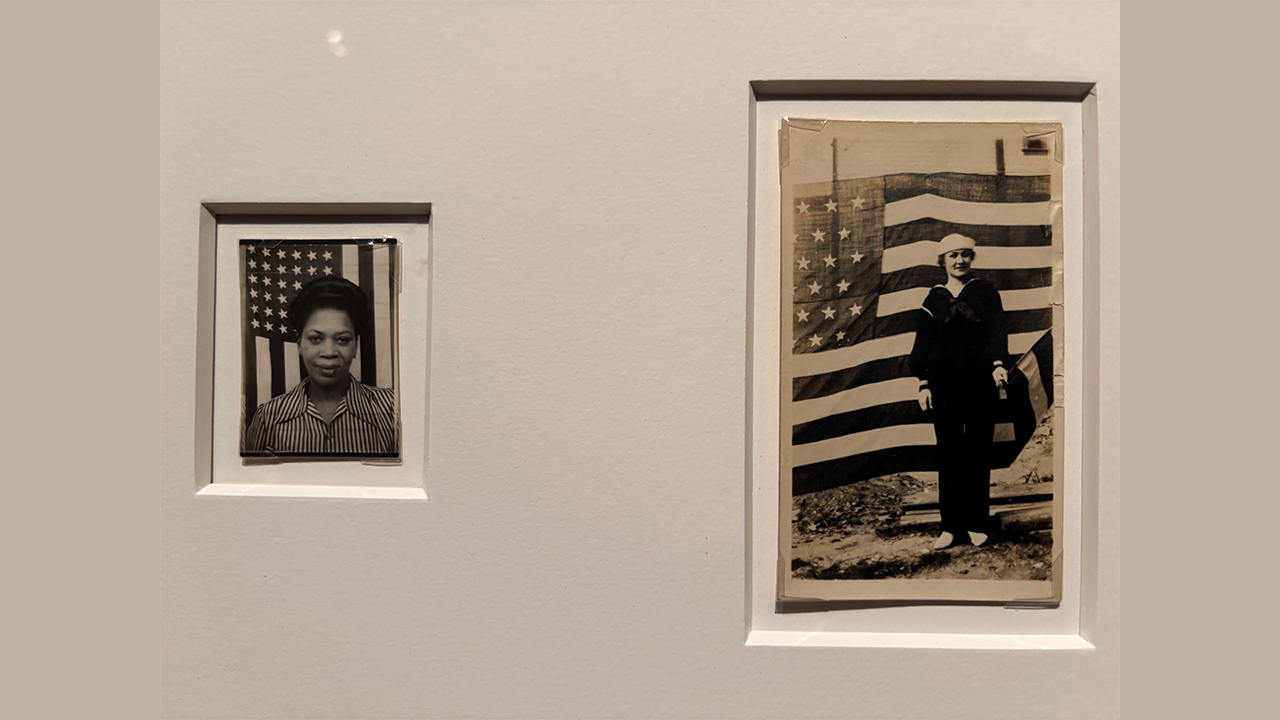
The untitled photograph is not merely a breach between memory and hope, but rather an invitation to inhabit that breach from a distance.
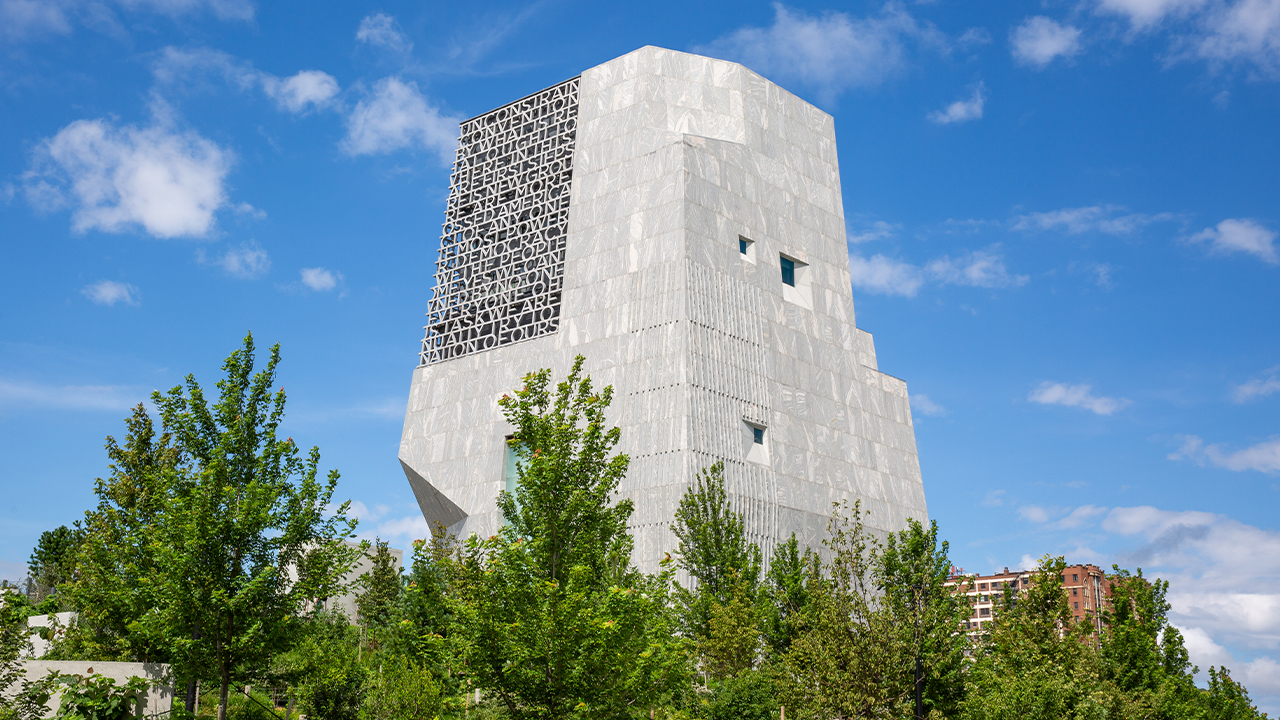
Can this controversial, privately funded $850 million center—dismissed by many as a vanity project, architectural folly, and dangerous precedent—really shore up democracy?
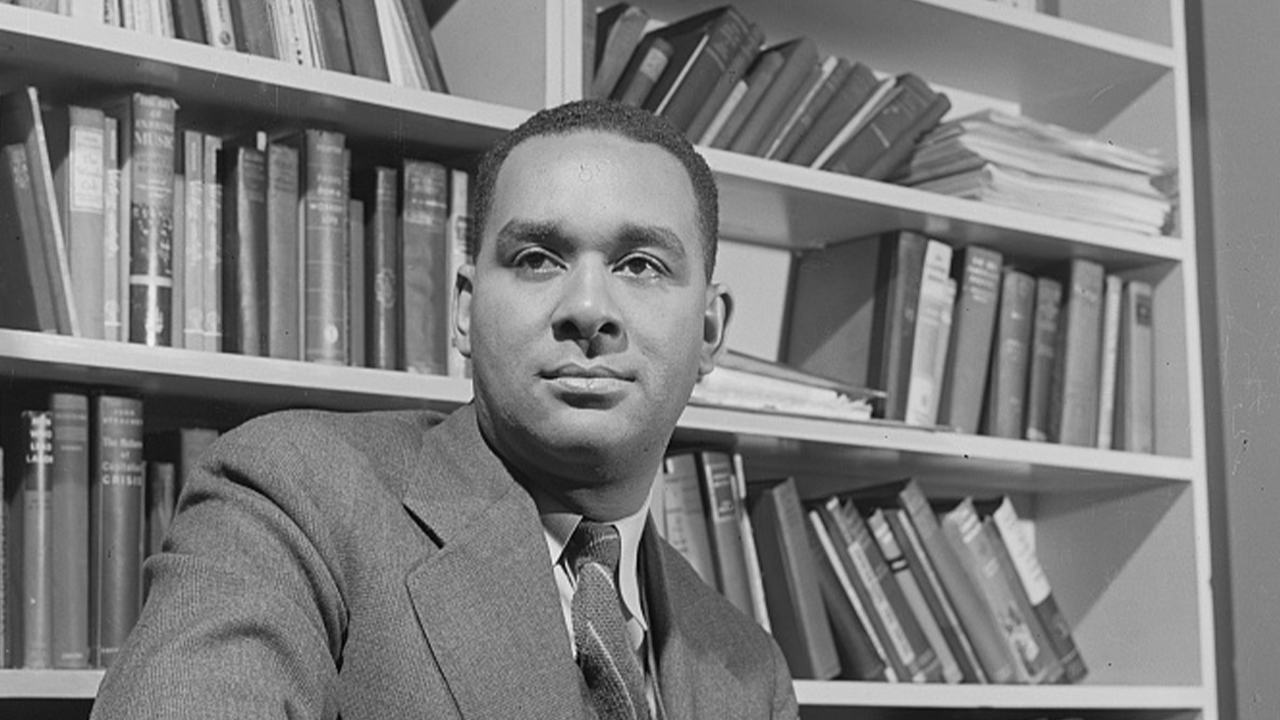
Richard Wright has in common with Thomas Hardy that the plots in his fiction are sometimes intricate to the point of distraction, and the events he depicts are often sensational, sometimes to a fault. His novels published after “Native Son” have much to recommend them. Still, “Native Son” and “Black Boy” stand as his most enduring achievements. They capture the isolation from mainstream society that is the reality of many young Black people, in the time of Wright’s youth and in our time.