College Interrupted, Part Two
Washington University students contemplate activism, the forces of the pandemic, and their futures as they return to school and working life.
Washington University students contemplate activism, the forces of the pandemic, and their futures as they return to school and working life.
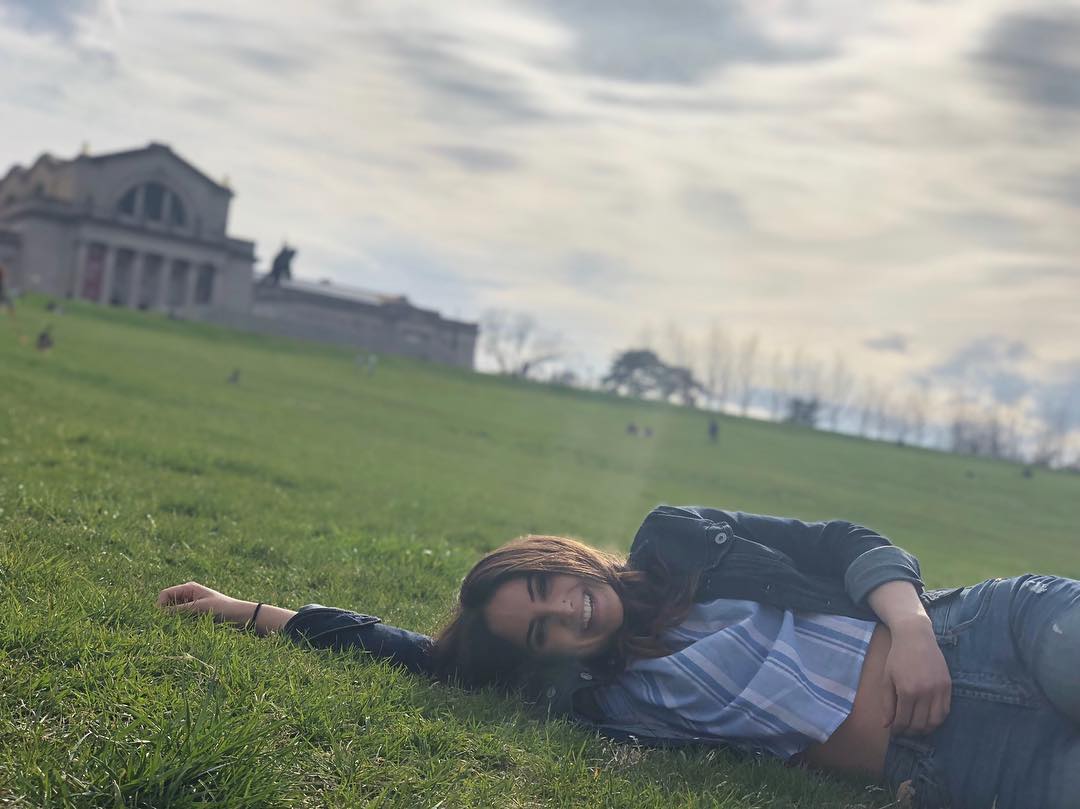
The arrival of the pandemic-era summer was a freewheeling mental battle between appreciation of health and stability, and an almost selfish disdain for a locked-in, isolated life that I had never imagined I would have to experience.

It is no secret in developmental psychology that young people in particular tend to be extraordinarily resilient. The pandemic continues to be an excruciating test, but one that we are well-equipped to pass. We will continue to protest while hunting for jobs in a decimated economy, and we will continue showing up to class, innovating, and adapting to a world we have very little control over.
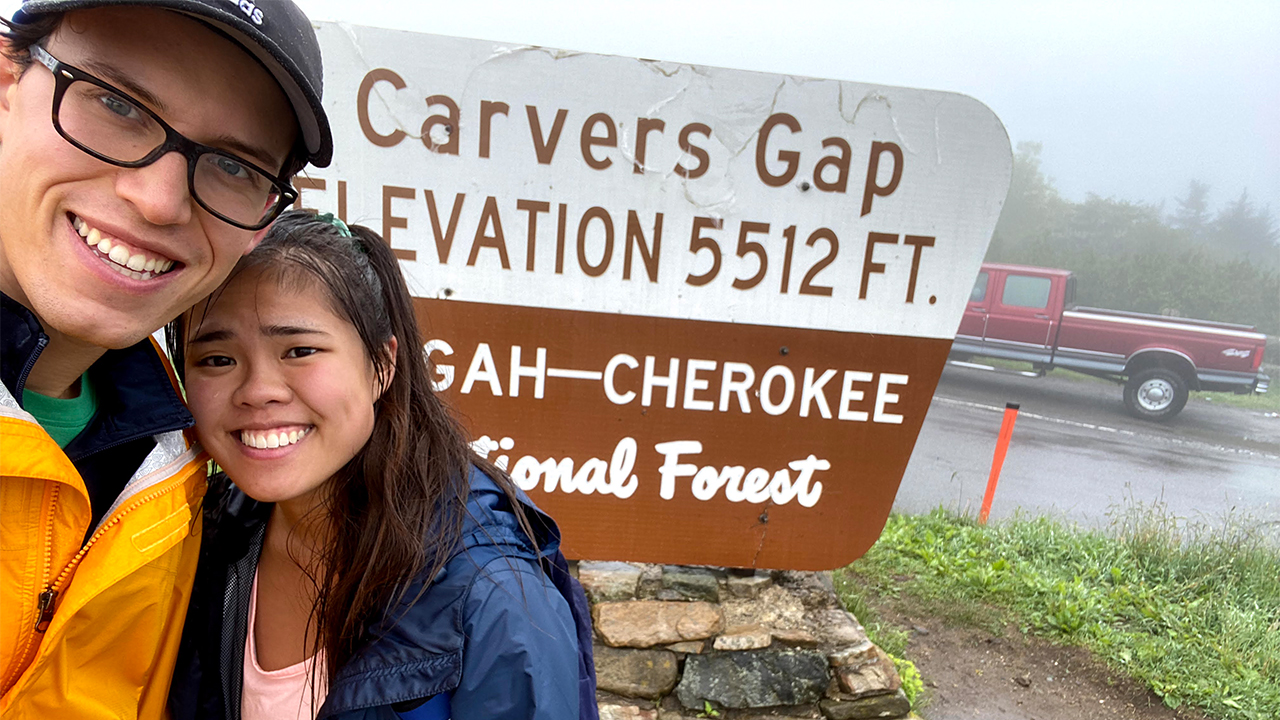
For me, coronavirus has, at once, been a complicating and simplifying factor. The pandemic certainly complicated some aspects of my life. It has complicated relationships: I said goodbye to people for spring break not knowing that I might not see them for over a year, if not longer.
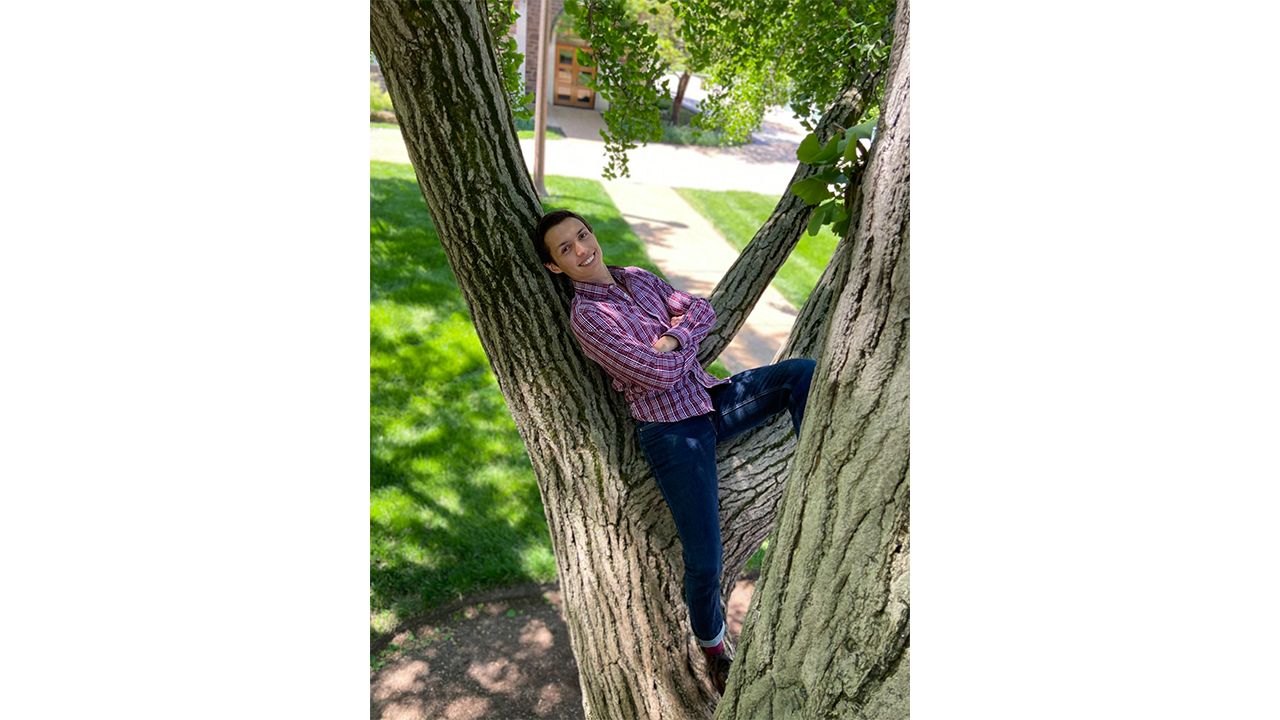
The rest of the semester, though emotionally extremely trying at every step, ended successfully. However, the long and hard path I planned for my summer made the incessant grind of my final semester at Washington University look small.
It is strange; I am more scared after speaking than before. My stomach twists tighter as thoughts whirl. Will they revoke my scholarship for speaking out? Will I be targeted? Will I keep my job? My leadership position? Is it activism yet?
Every two weeks, The Common Reader delivers a curated selection of essays, cultural analysis, and fresh perspectives to your email—always free and engaging.
Shop for bookmarks, mugs, pens, t-shirts, and more.
A look back at the ideas that shaped previous editions