Jeannette Cooperman

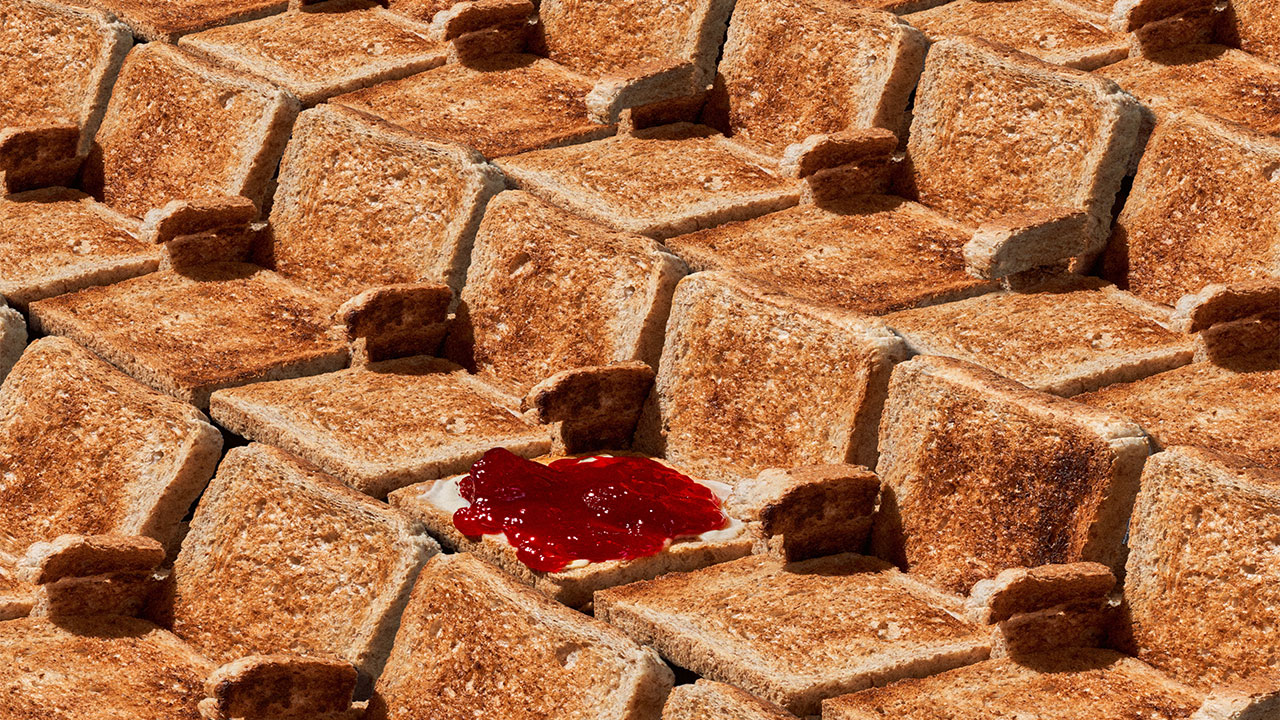
How Food Seduced and Betrayed Us

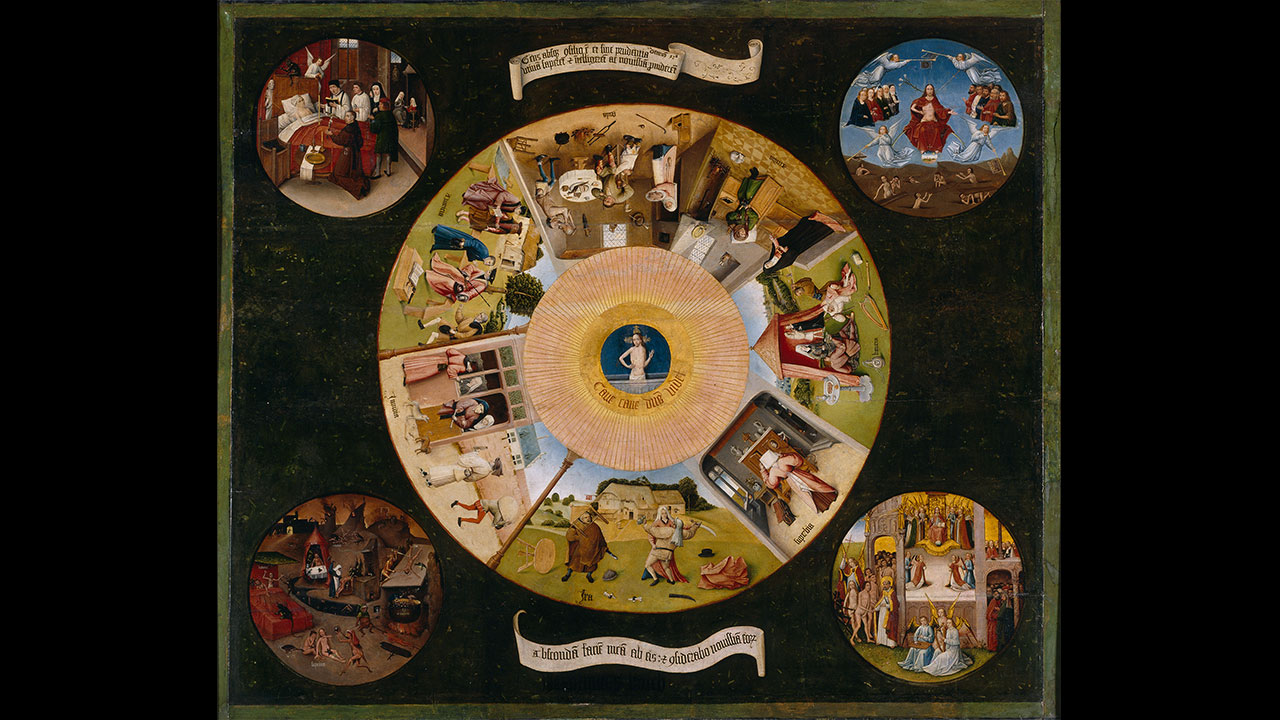
When did food move from sustenance, holiday ritual, and occasional treats to a consuming avocation with its own vocabulary, gear, techniques, and media? There are more devotees than most religions can attract, and their rituals are charged with significance.

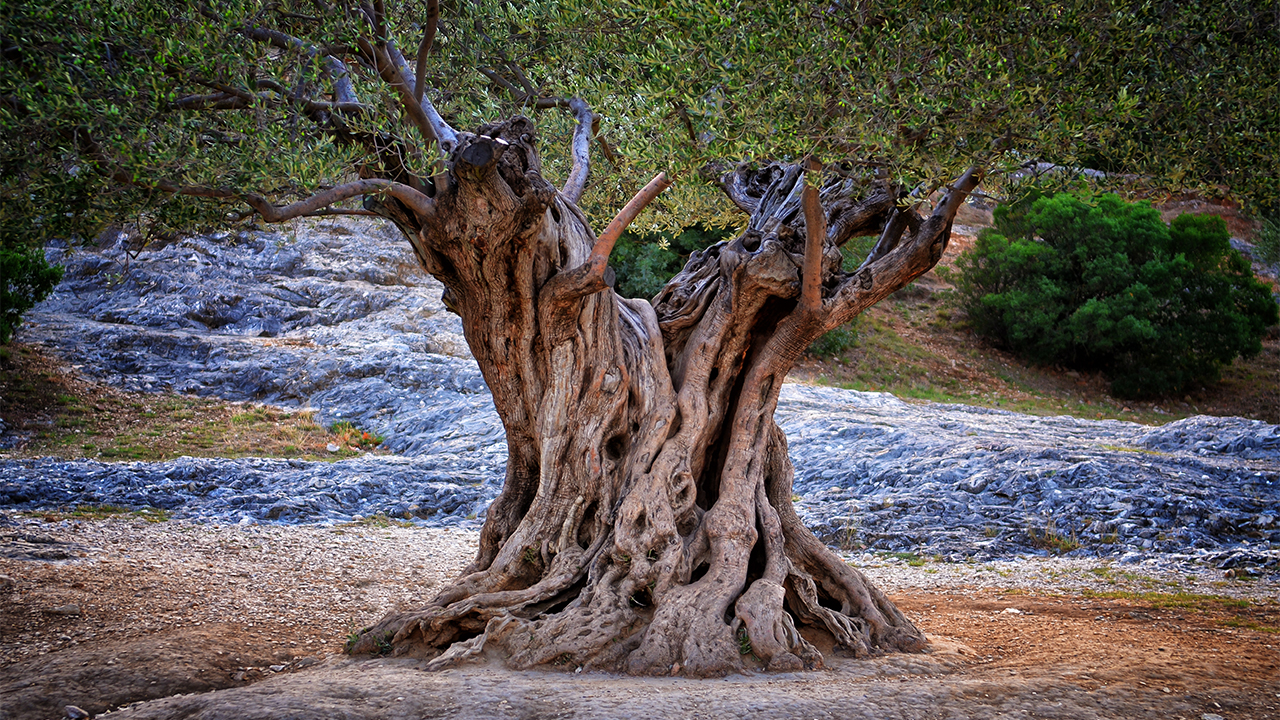
Into the Woods

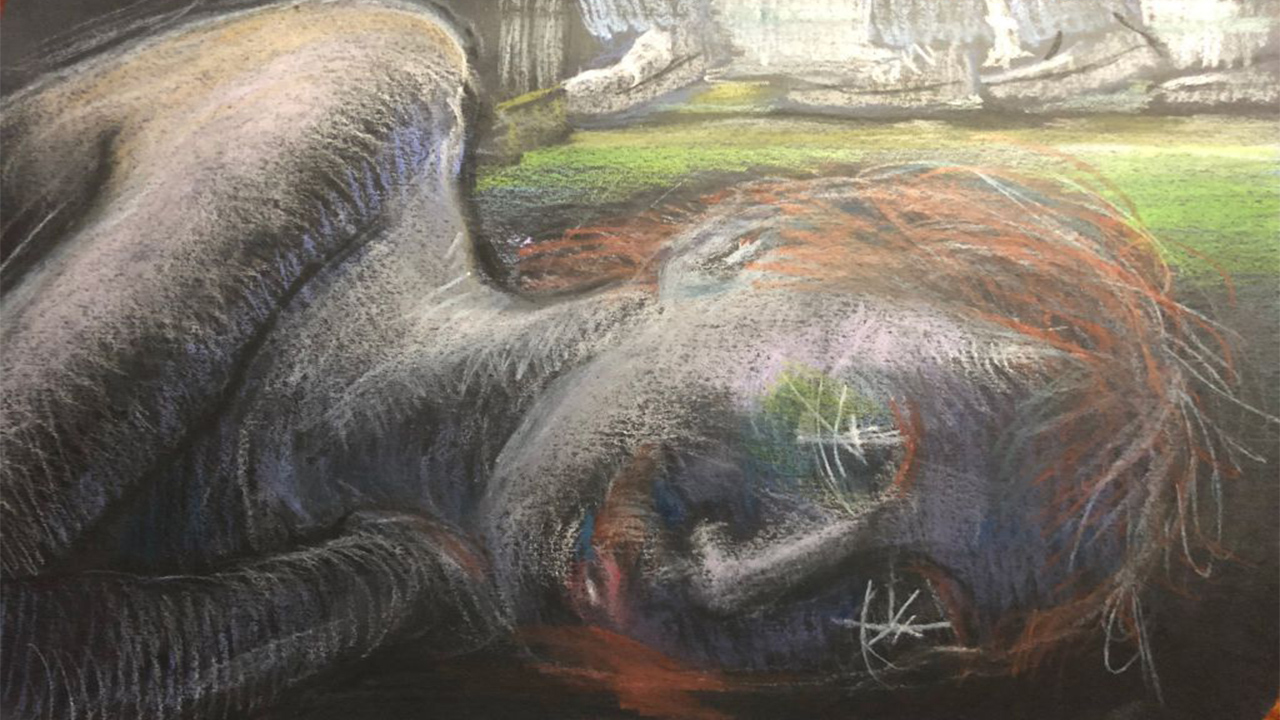
Trees have felt significant, relational, to poets and priests and philosophers for centuries. The symmetry of this partnership is surprising, when you think how lopsided the scales are: Trees shade and shelter and furnish and feed us, and we … clear-cut them. Or hug them and get mocked. Or alter the environment, and watch them charred by wildfires or pulled up by their roots.

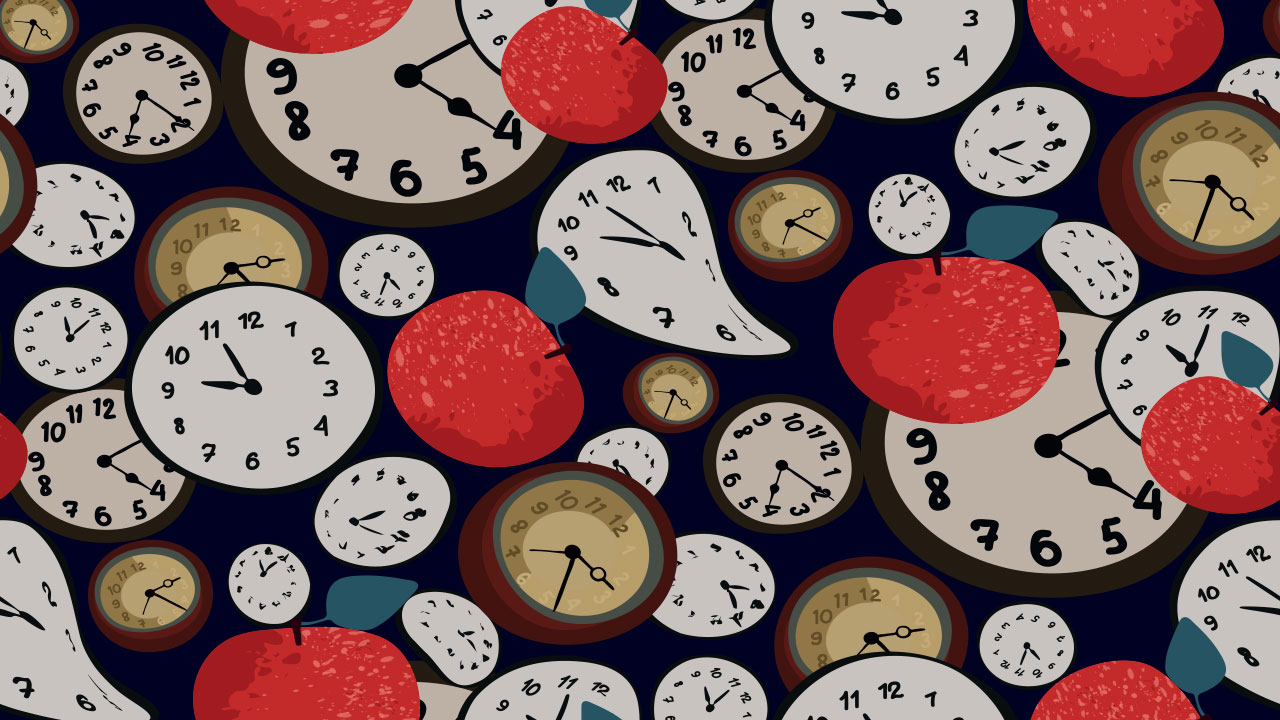
Notes on the Illusion of a Clockwork World

Time is an odd phenomenon, now that we have had the time to feel it passing. Novelists and filmmakers toy with it, imagining it running parallel to itself, moving backward, varying its speed, freezing altogether. But I am not sure anyone ever imagined exactly this.

The Contagion of Everyday Life

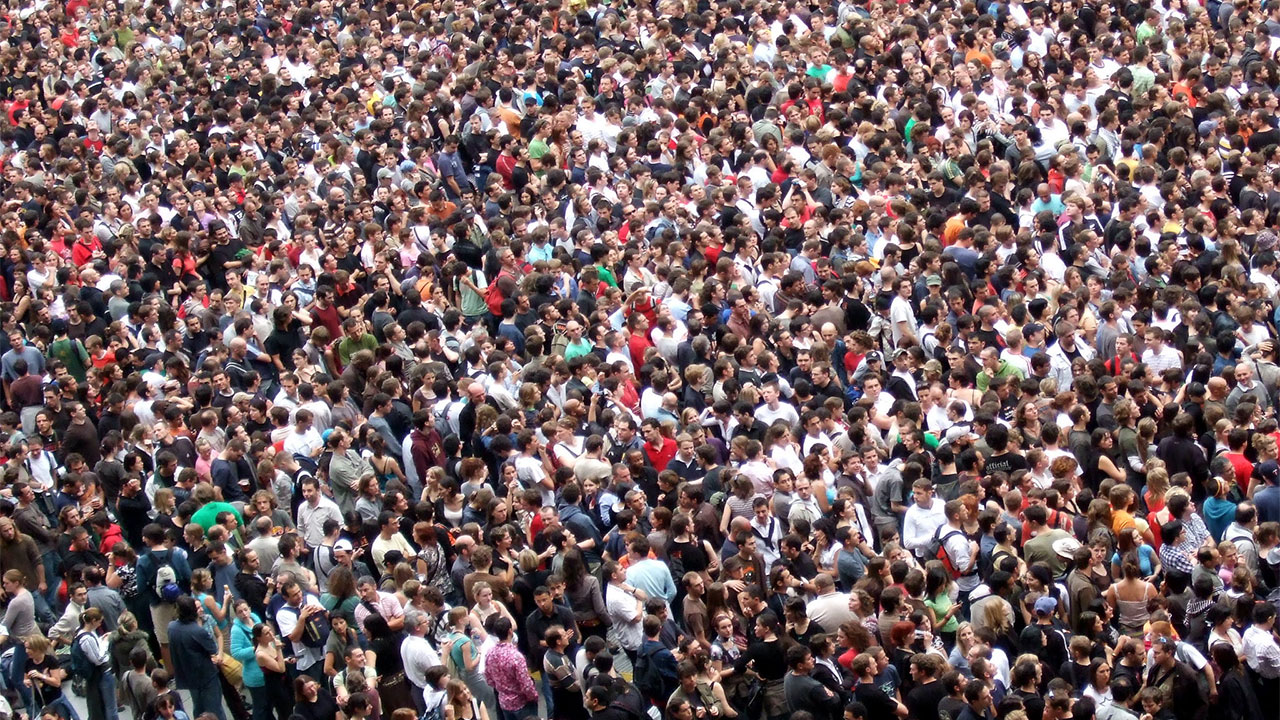
A pandemic is never only about biological contagion. Much of what we feel, think, and do—far more than I want to admit—is the product of what we perceive or unconsciously mimic in the world around us. Laughter, yawns, ideas, courage, and panic. All of that is contagion.

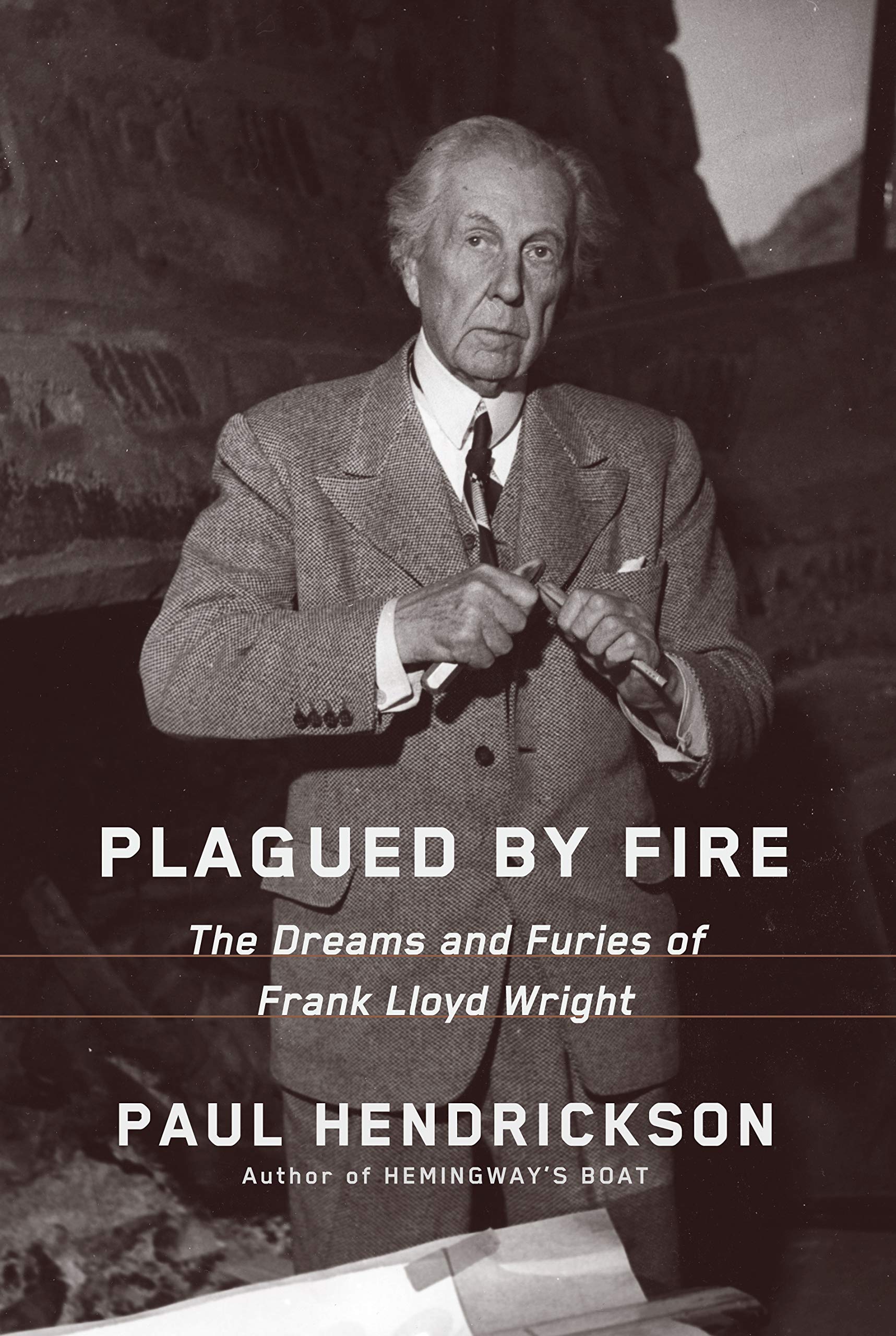
Is Camp Still “Camp”?

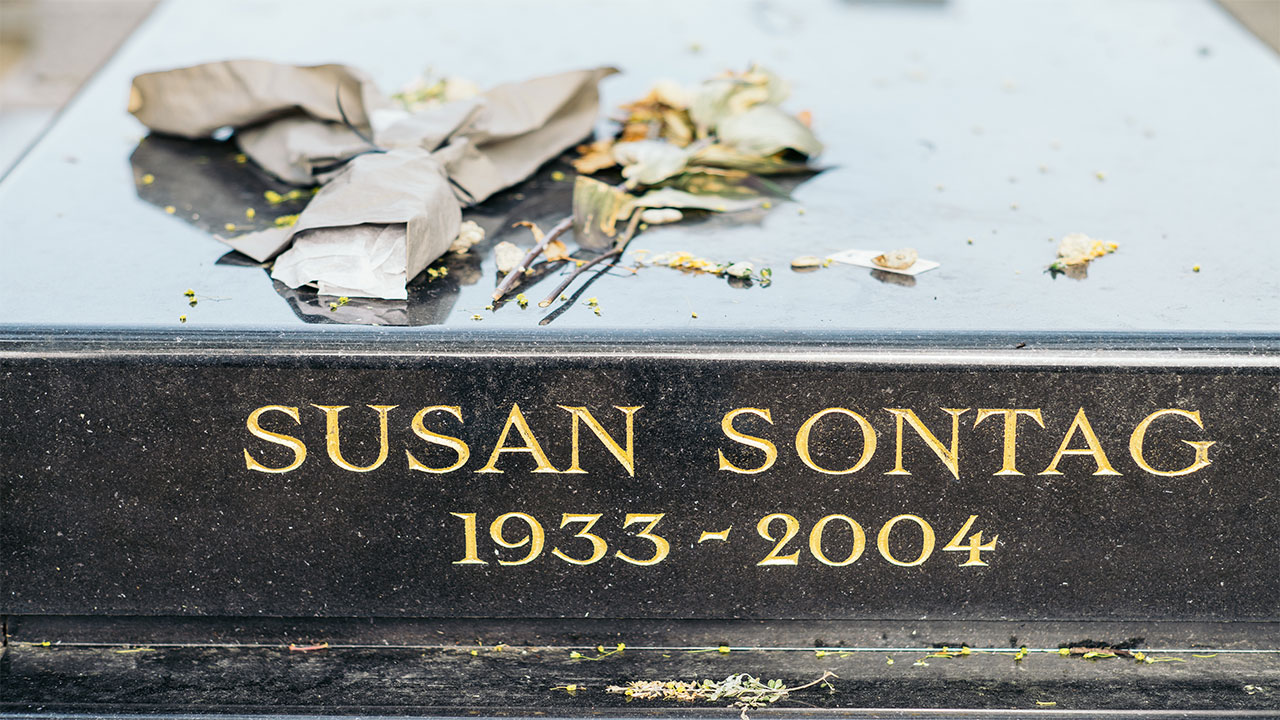
Camp is brilliant at introducing irony where it once did not exist, but now irony exists everywhere; its distance and layering are our habitual mode of perception, absent only in cults and Waldorf preschools. What role is left for camp to play?

Skip to content