Gerald Early

In and Out of the Shadow of Willie Mays

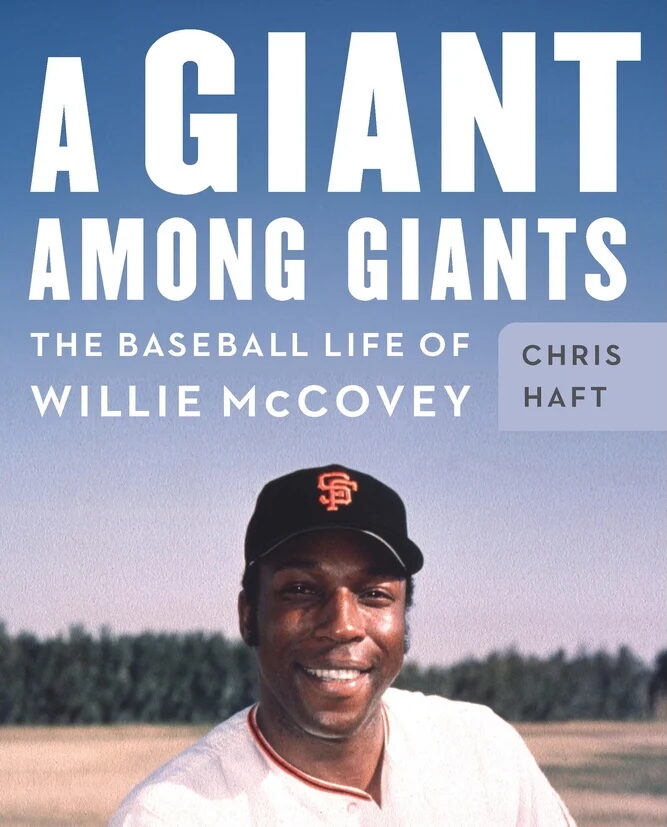
A Giant Among Giants is not a “life and times” biography. It does not situate McCovey in the social and historical contexts of America beyond baseball. The book is mostly stories and quotes from various ballplayers of McCovey’s era (1959-1980), speaking well of him, of course, but providing a vivid portrait of the man as a ballplayer.
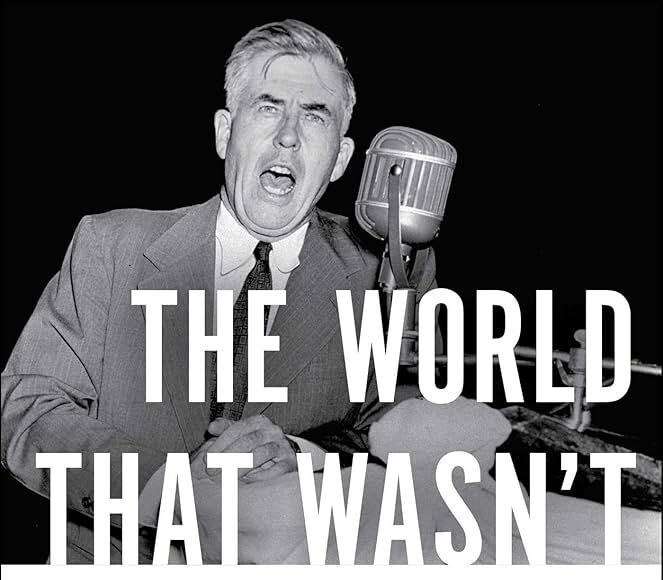

Henry Wallace

Henry Wallace, the Progressive Few People Remember

Wallace wrecked his political career with his run for the presidency in 1948. His biggest mistake was not quitting the government when Roosevelt was in his final weeks to take over the leadership of the liberals, as Eleanor Roosevelt begged him to. But perhaps he knew he would wreck his career. Perhaps he wanted to, as, after all, he did not really have the makeup to be a successful politician. But he was one of the most important political figures of his time.

Melania Trump, International Woman of Mystery

Her book design itself seems an exercise in branding. Only the word “Melania” on the cover. Nothing else, indicating not just fame but a sort of stardom, a woman known by only one name like singers Madonna and Beyoncé or, more fitting here, models Iman and Twiggy.

How Black Americans Became Imposters of Blackness

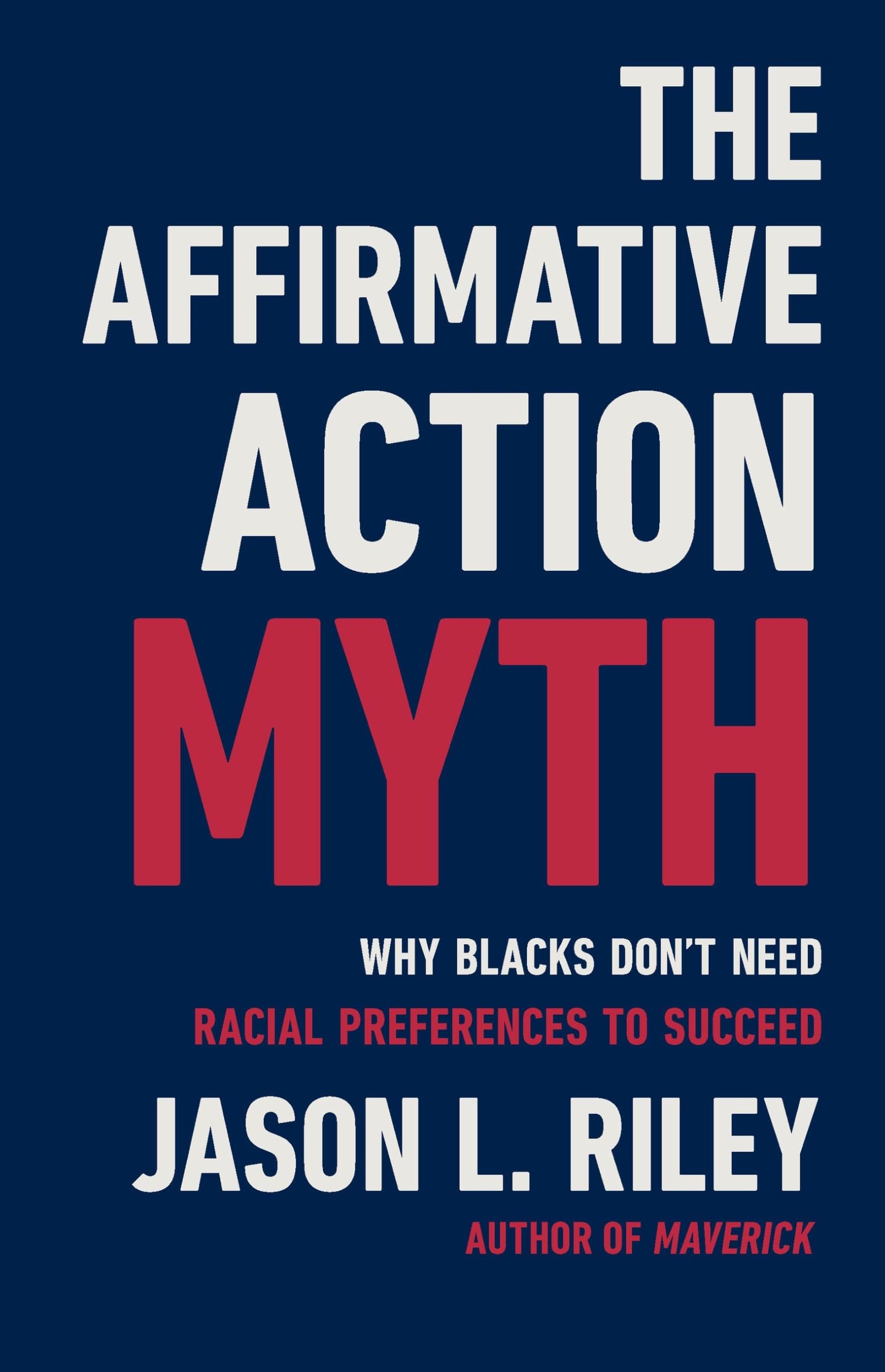
The Affirmative Action Myth is, in essence, a defense of a golden age of Black bourgeois culture, Black bourgeois morality, Black bourgeois striving, indeed, Black bourgeois reality. And being bourgeois here is not about a class, but an aspiration. Riley’s book is an account of how Black people made themselves American. And why not? America is the land of self-invention.

George Foreman

Remembering George Foreman, the King of the Comeback

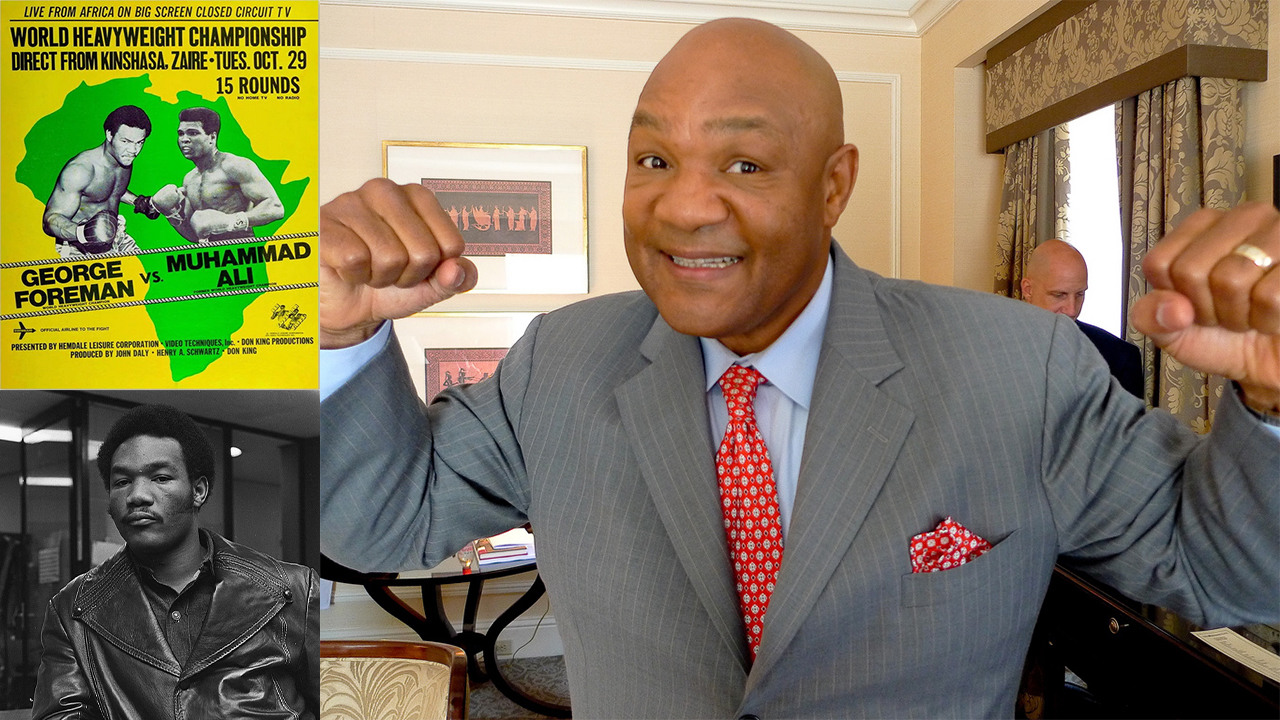
George Foreman was not such a political naïf as he led people to think. He was castigated and ostracized by many Blacks in Houston. But he was on the road to becoming heavyweight champion of the world. He had a name, and even if his skills were not polished. He was big, strong, with a hard punch, and a willingness to train and follow his trainers’ instructions. What were his Black critics, those loudmouthed, street losers he left behind, going to be? Nobody was buying what they were selling. What Foreman learned early on was this: do not try to sell unhappiness. People are already more unhappy than you think.

The Journey of the Black Scholar as Ideological Terminator

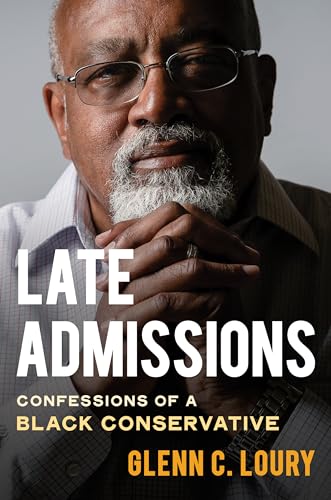
What makes Late Admissions so fascinating to read, and such an important autobiography, is its self-awareness: it is actually a story about how embracing one’s self-destructive tendencies, one’s voracious selfishness and appetites, gives life meaning because, if nothing else, they make life interesting to oneself and they actually make you interesting to other people. It is a book about the ferocity of self-regard.

Colin Lloyd photograph

Three Observations about the 2024 Presidential Election

There are two things I fear about class discussions about current events: that they would inevitably be pointless and that the class would spin out of control or, shall I say, out of my control. I hate pointless classes where no true objective was achieved and I hate not being in control of my classes. I treat a class in many ways as an autocratic director treats a film set. I do not necessarily think this is good but I am, as all people are, helpless before my own temperament.

Who’s Afraid of Lawrence Tierney?

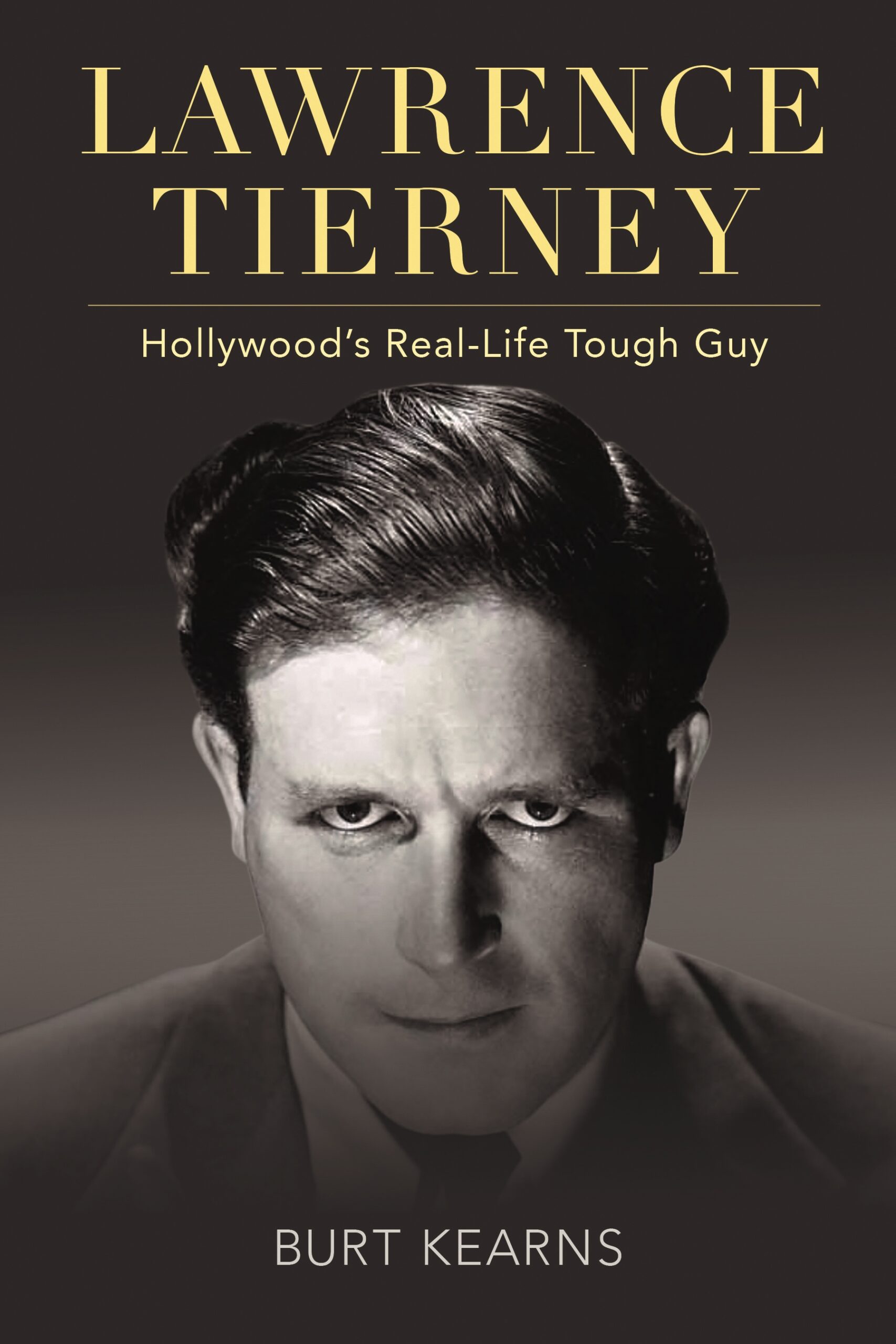
Lawrence Tierney is a solid biography that describes in detail Tierney’s career as an actor, which are the best parts. The worst parts, where the book becomes a slog, are the endless episodes detailing Tierney’s drunken street and bar brawls.

The Transfiguration of Cori Bush

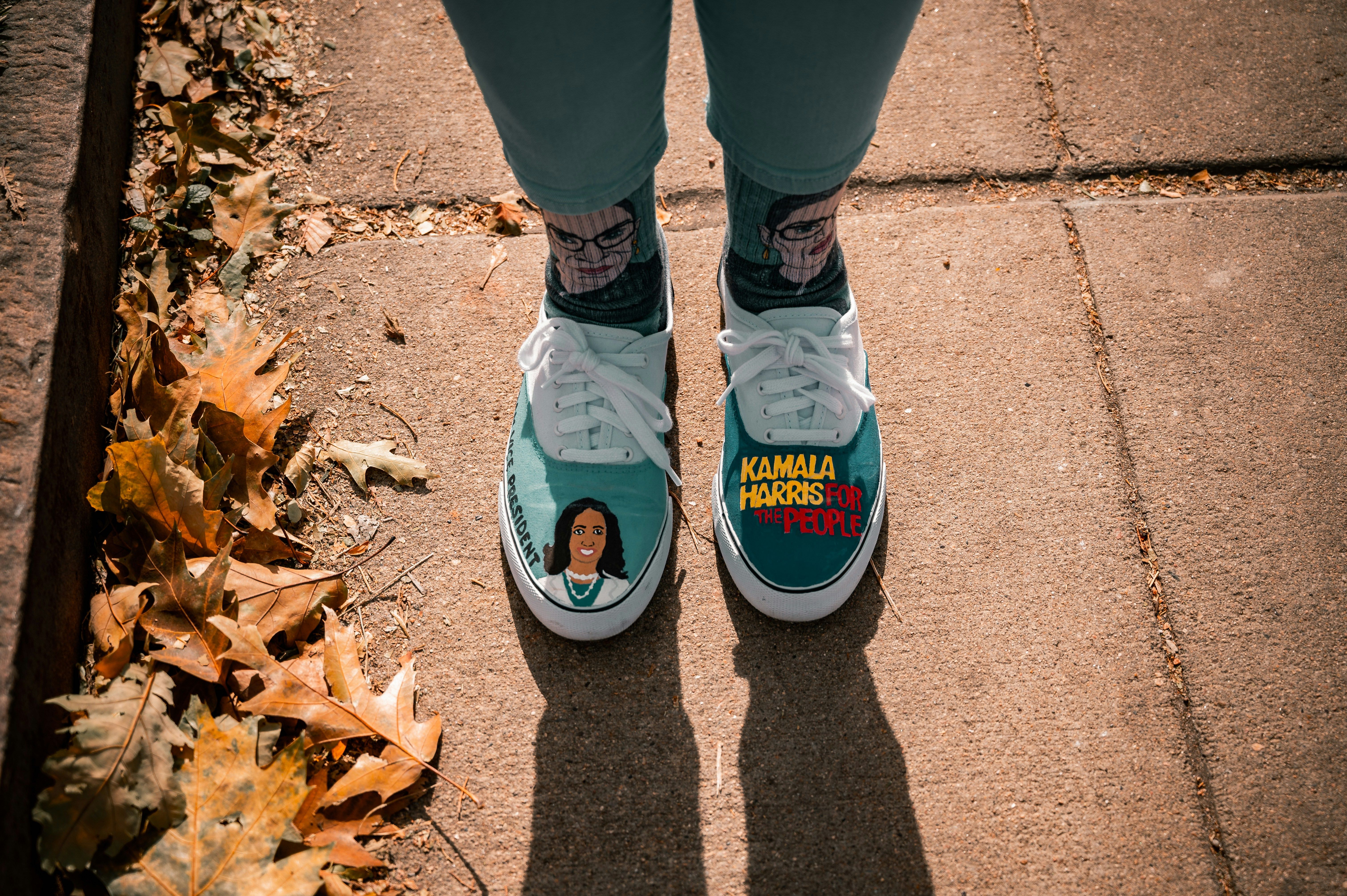
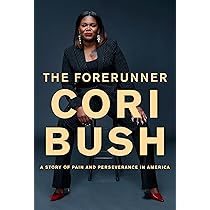
The Forerunner is one of the more important autobiographies written by a St. Louisan. It ought to be read by Democrats, Republicans, and all third-party members. It takes a bit of skill to merge leftist politics, old-time Black evangelical Protestantism, and the supporting craft of nursing into something coherent.