essays about racial segregation in St. Louis

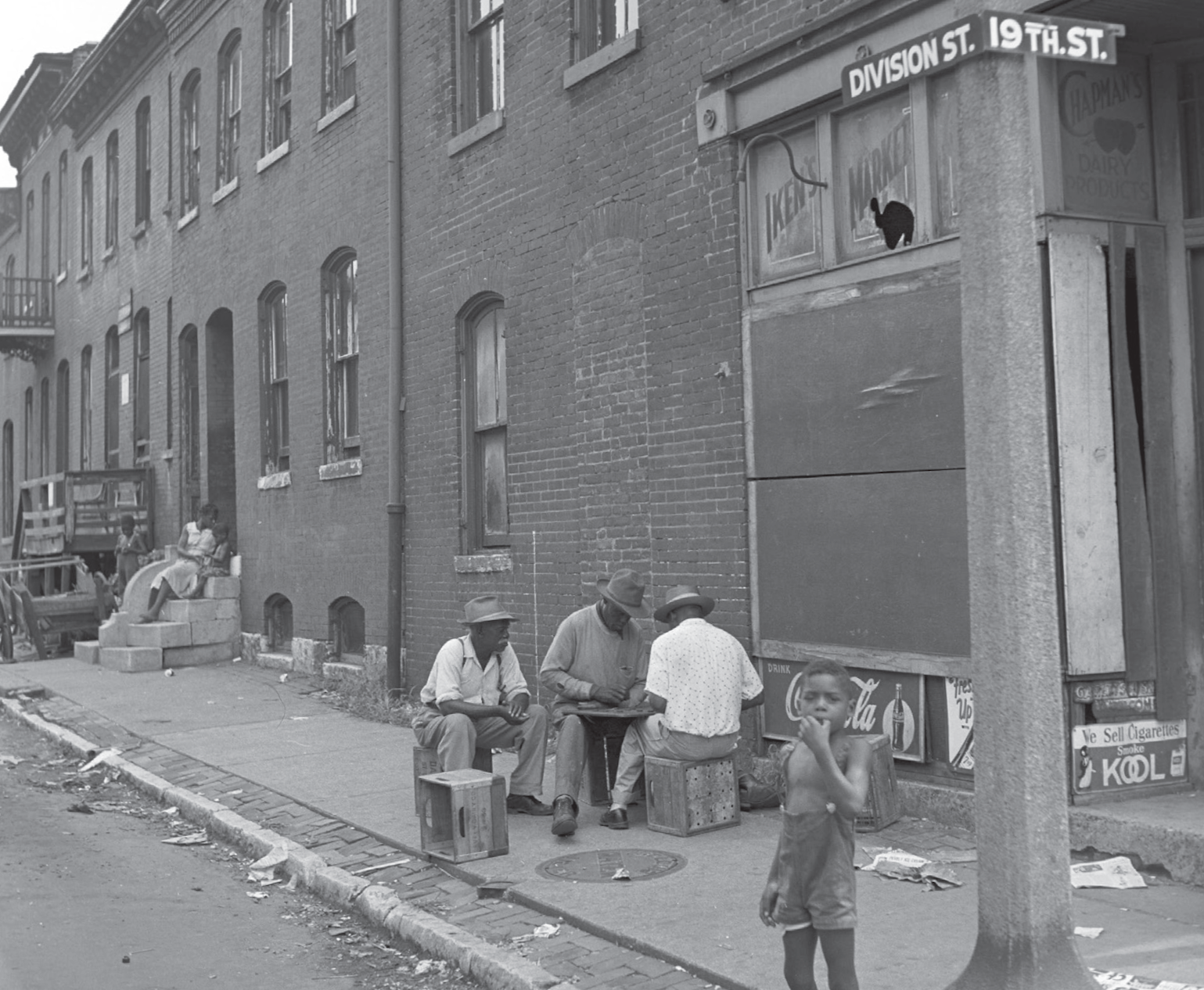
Introduction: 19th and Division, 1954

The illusion conjured by modern segregation is that segregation is a totalized reality, a natural and normal state of affairs. It is only by the close visual and historical engagement with material sites of segregation as palimpsests, in the manner this volume models, that the precariousness of the segregationist project in St. Louis can be discovered.
This Home is Not For Sale

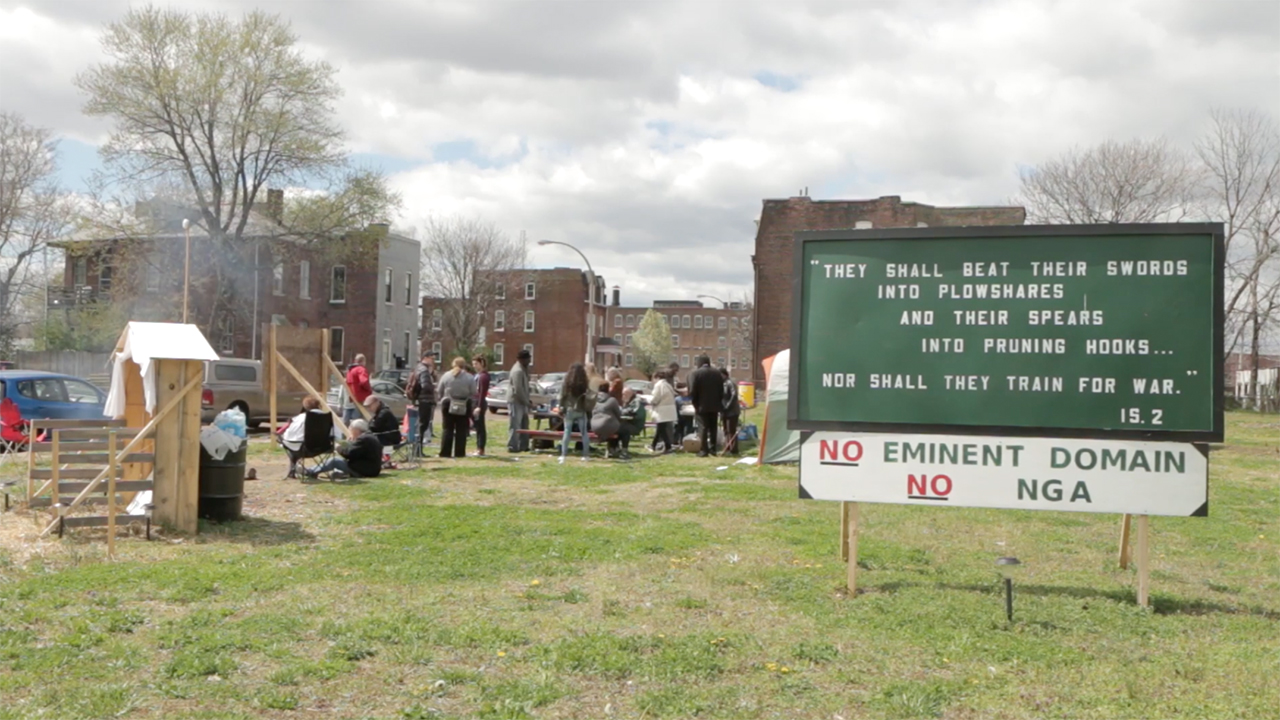
Like St. Louis Place as a whole—a neighborhood so beleaguered and yet so beloved—the grassy lot at the 2300 block of Mullanphy on the near side of North St. Louis manifests many characteristics that can also be found in other predominantly Black neighborhoods across the St. Louis region, from the Ville to Howard-Evans Place to Kinloch, each of which has been subjected to threats from those who would seek to extract their value and expunge their negative associations. At this particular site, the negative and positive have become fatefully entangled, and yet residents have found ways to express its emancipation-heritage significance.

Howard-Evans Place

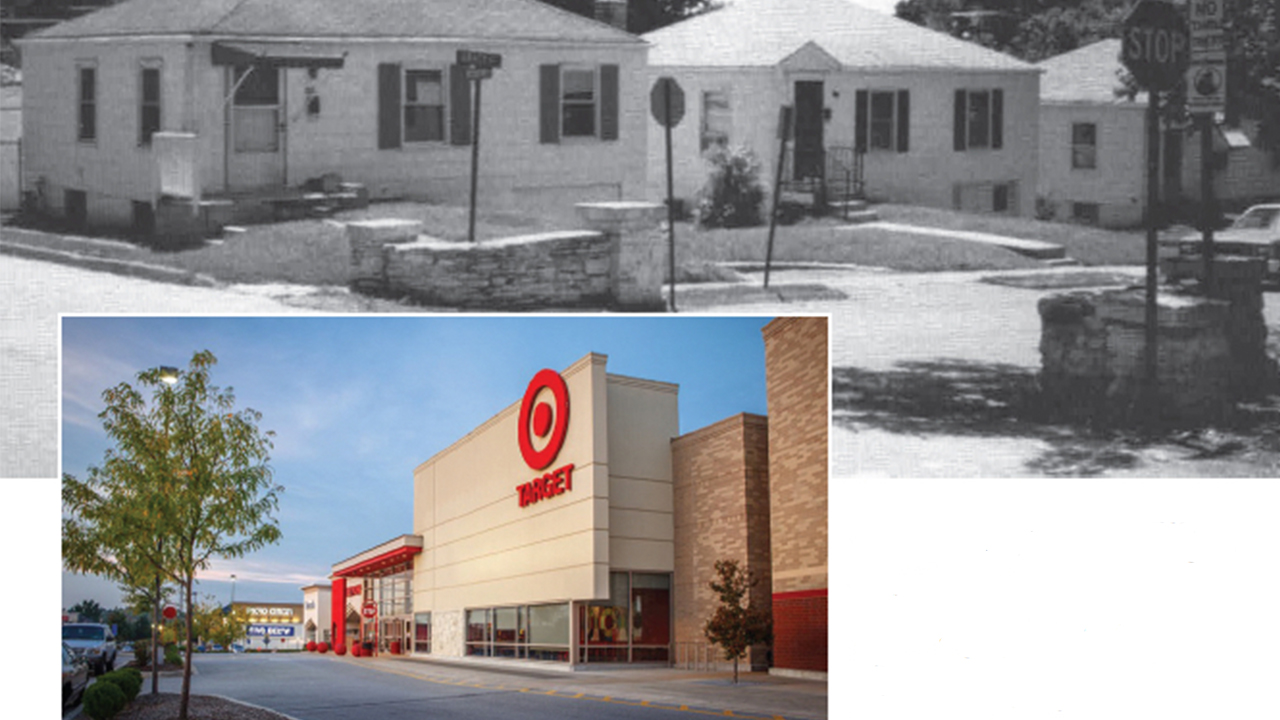
The only physical reminder that Howard-Evans Place once existed is a boulder with a commemorative plaque at the back entrance to The Promenade at Brentwood shopping center, which now stands in the neighborhood’s place. Purchased with Brentwood City funds as a gesture of goodwill, the boulder instead generates hard feelings among some former residents and stands as a cold reminder that a large part of Brentwood’s history was razed for retail.

Skip to content