Clifford Thompson

Connecting Flights

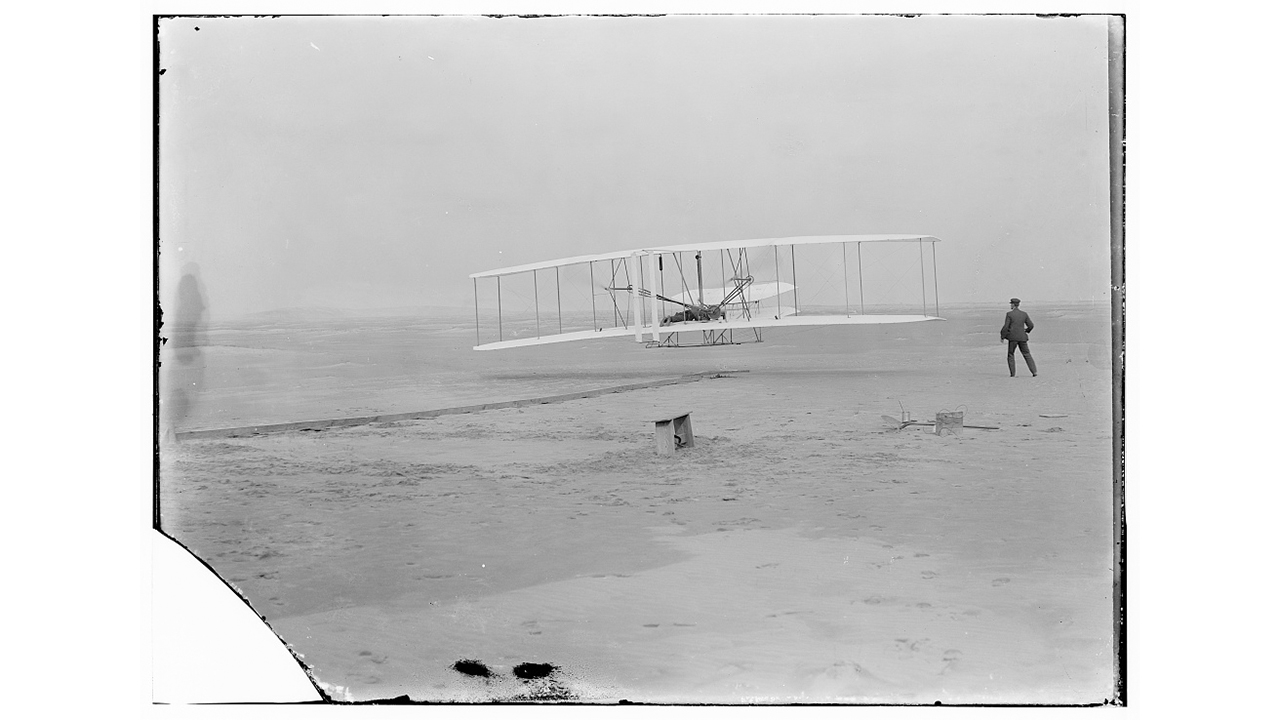
As I write this essay, I am listening to Bird’s records. I love the inventiveness, the breakneck pace, and the flights of fancy of his melodies. I admire his daring and ingenuity, just as I do the Wright brothers’ daring and ingenuity: over a century after they occurred, it is thrilling to read accounts of their first successful powered flights.

The Black Picture Show

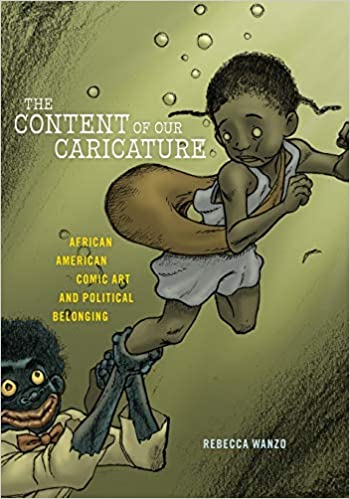
Two new books, in many ways vastly different, take on the history of Blacks in American comics—one discussing the work of more celebrated cartoonists of the last century or so, the other focusing on previously hidden figures.

Long Red Monte Carlo

A lot of people love the feel and freedom of driving—certainly our culture celebrates those things—but those were outweighed for me by other factors, chief among them the astounding ease with which I can get lost.

Life With Rodents

I had been surprised days earlier when I found gray fur on one of the traps, from a now partially bald mouse who had a story to tell his many buddies, but here was something worse: not an uncaught rodent, but a half-caught rodent.

Our Comic Ends

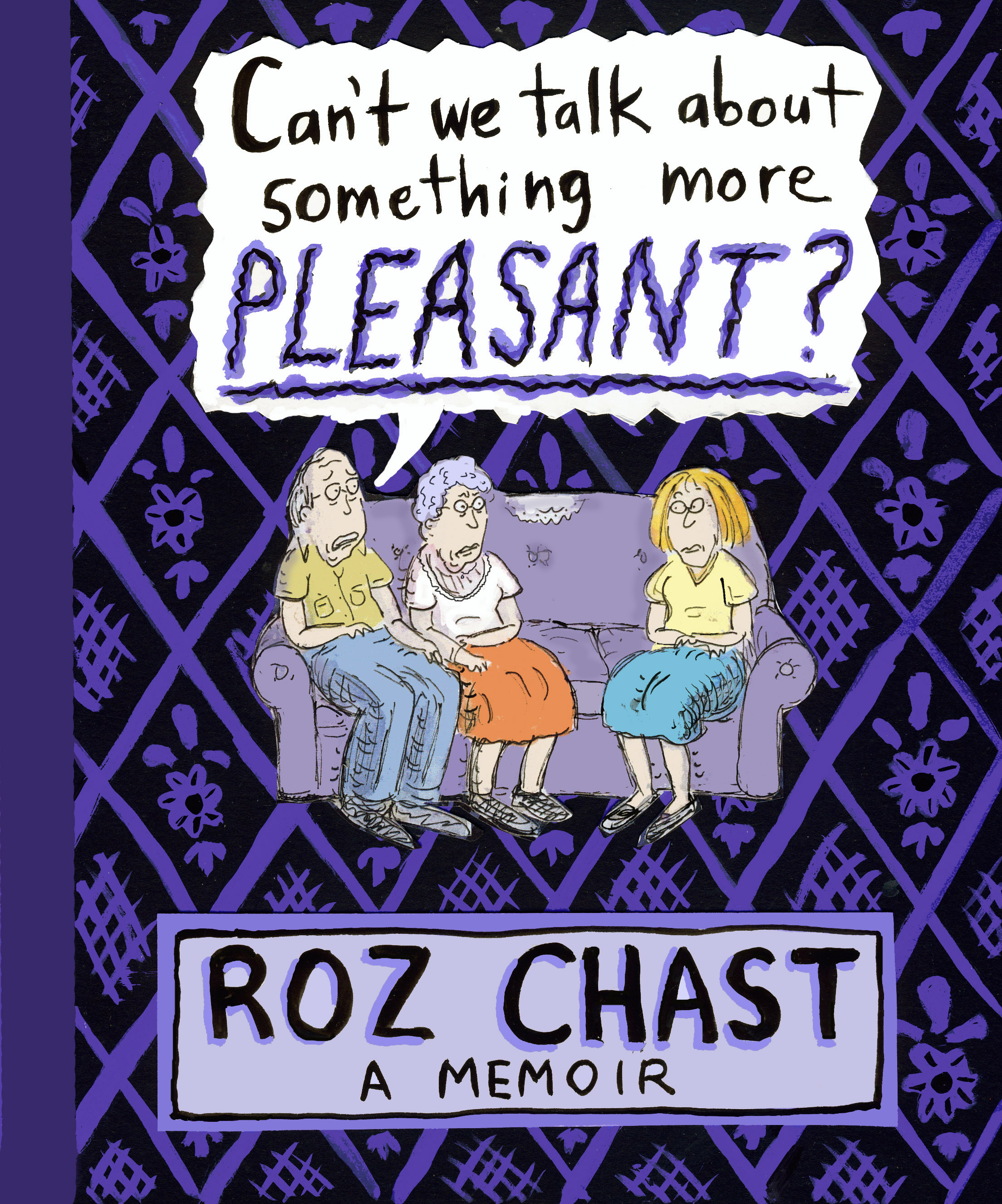
The magic trick that Chast performs in her cartoons is to make laughter out of the dirty secret of life: it is an alternately stressful and humdrum affair, and then it is over.

Living For the City

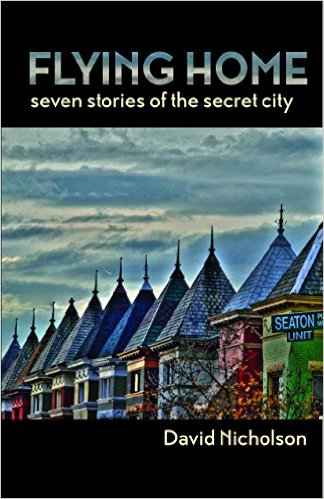
For readers who are new in town, this volume is a tour through a Washington they will not learn about in any guidebook. For others, reading this collection is like, yes, flying home.

King Lear

Does a man ever get over his father? Born into a Jewish family in New Haven in the summer of 1922, the second child and only boy, Norman Lear developed toward H.K. a reverence that withstood a great deal before souring, which it never did completely. Like Archie, H.K. was a large personality whose faults were proportional to the rest of him.