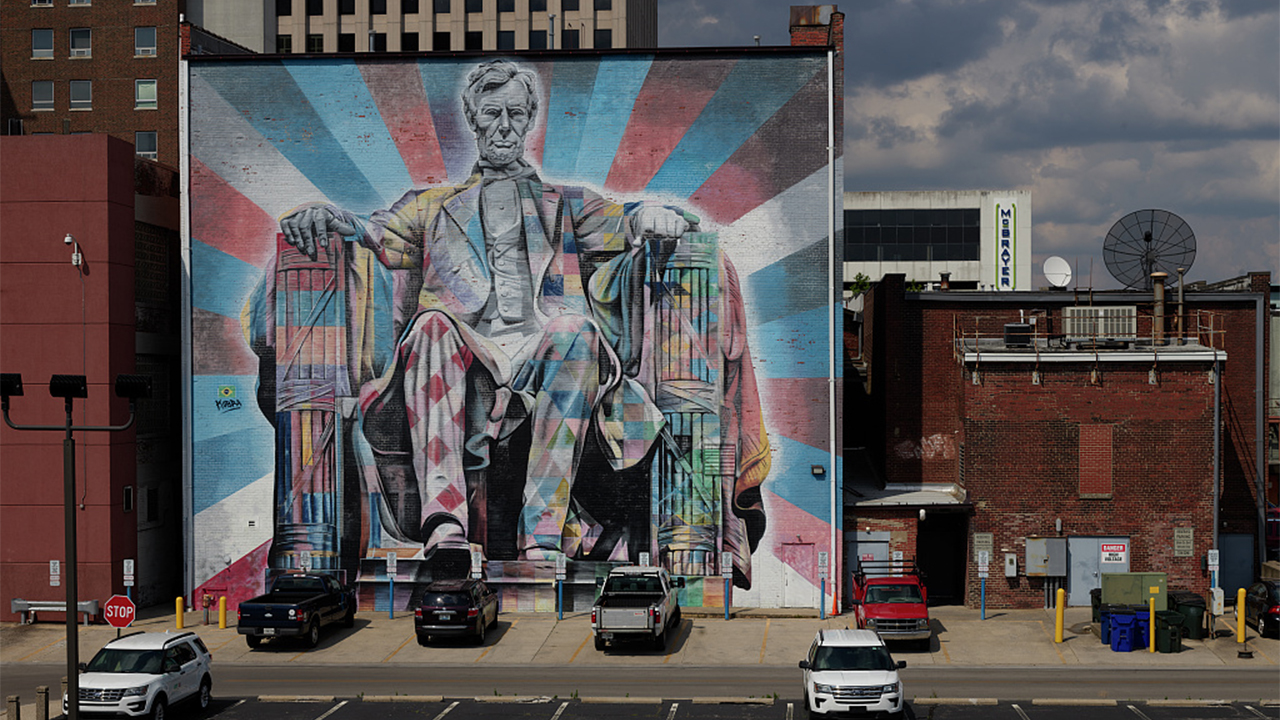
The Civil War as America’s Second Chance
At Trenton and Independence Hall, Lincoln wondered at the willingness of our patriotic ancestors to imperil their lives for a nation that did not yet and perhaps would never exist.
Wayne Fields is the Lynne Cooper Harvey Chair Emeritus in English at Washington University in St. Louis and is a renowned author and expert on American presidential rhetoric and political argument. He received the university’s honorary doctorate of humane letters in May 2019. He is the author of several books, most notably What the River Knows: An Angler in Midstream (1990, Poseidon Press).
At Trenton and Independence Hall, Lincoln wondered at the willingness of our patriotic ancestors to imperil their lives for a nation that did not yet and perhaps would never exist.
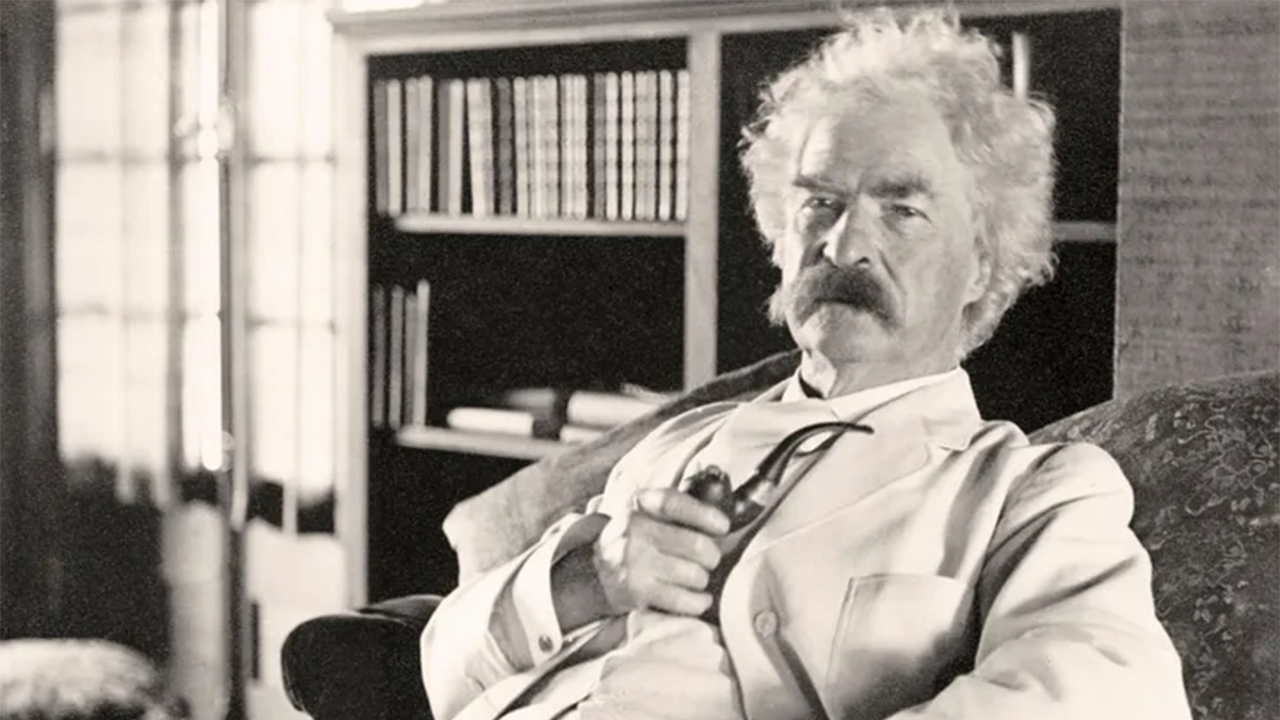
Everything about Mark Twain, Ron Chernow shows us, is writ large, heartbreak and loss a constant redundancy, his explosive fits of anger and condemnation, his repeated lapses into sentimentality, a reiteration of public complaints somehow enabled rather than contradicted by his wondrous humor, a wit at once profound and outrageous. But Twain’s is merely an exaggeration of our existence, its pain and its joy, our past, and our culture, inescapably our Americanness.

This is not about how it feels to be homeless. It is merely about someone who, knowing little of such matters and without money in his pockets, went onto the streets of St. Louis and found shelter and food, and it is about what and whom he saw in the process.