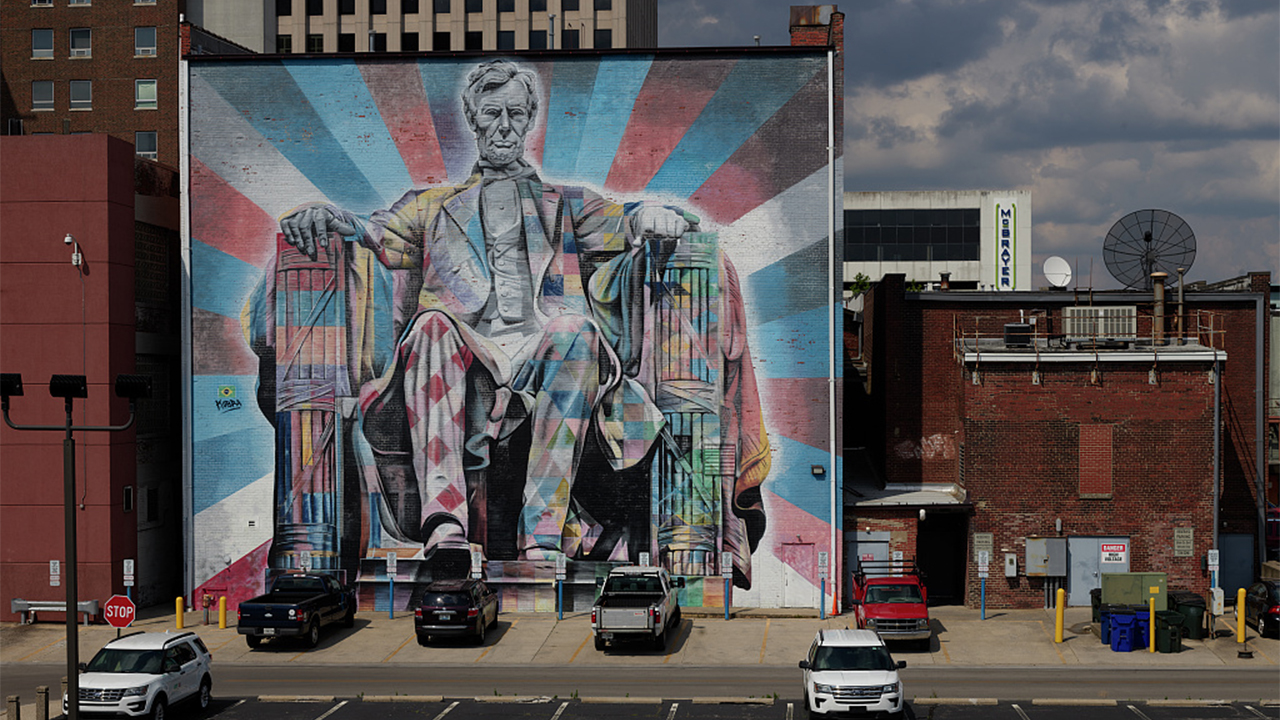
The Civil War as America’s Second Chance
At Trenton and Independence Hall, Lincoln wondered at the willingness of our patriotic ancestors to imperil their lives for a nation that did not yet and perhaps would never exist.
M. Lynn Weiss is associate professor of English and American Studies at the College of William and Mary. She edited Creole Echoes: The Francophone Poetry of Nineteenth-Century Louisiana; The Jew of Seville; The Fortune Teller by Victor Séjour and Jules Choppin (1830-1914) New Orleans Poems in Creole and French.
At Trenton and Independence Hall, Lincoln wondered at the willingness of our patriotic ancestors to imperil their lives for a nation that did not yet and perhaps would never exist.
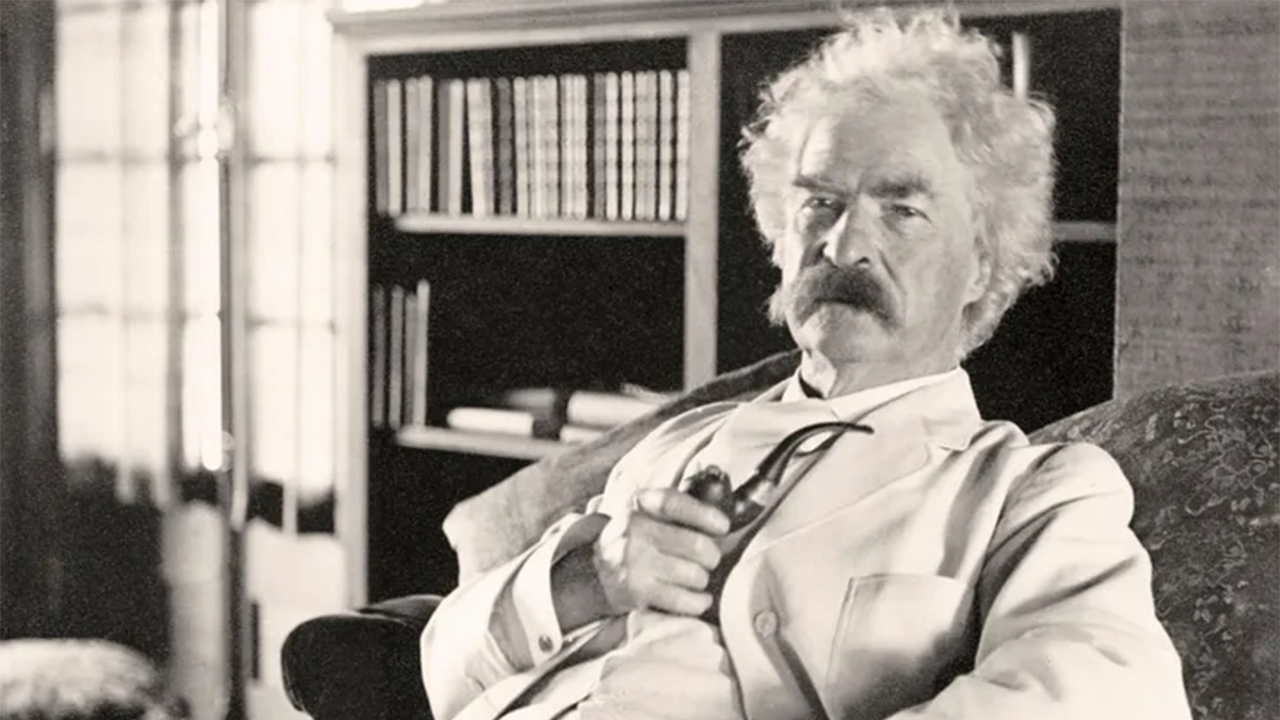
Everything about Mark Twain, Ron Chernow shows us, is writ large, heartbreak and loss a constant redundancy, his explosive fits of anger and condemnation, his repeated lapses into sentimentality, a reiteration of public complaints somehow enabled rather than contradicted by his wondrous humor, a wit at once profound and outrageous. But Twain’s is merely an exaggeration of our existence, its pain and its joy, our past, and our culture, inescapably our Americanness.
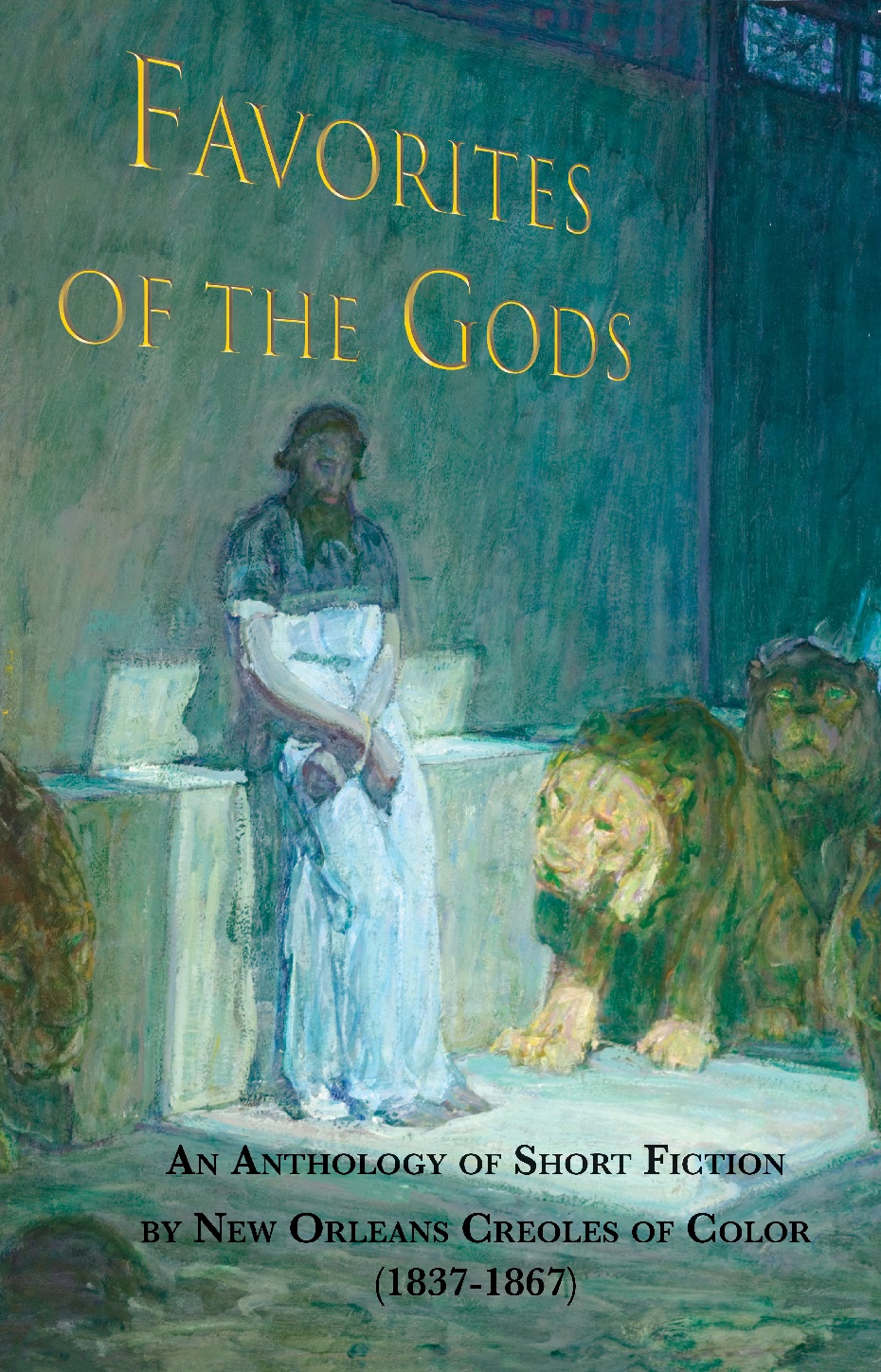
Favorites of the Gods is a solid collection of short fiction from Louisiana’s Creoles of color written during the most chaotic and perilous decades of the nineteenth century. This collection gives contemporary readers access to these short stories for the first time in English.

This is not about how it feels to be homeless. It is merely about someone who, knowing little of such matters and without money in his pockets, went onto the streets of St. Louis and found shelter and food, and it is about what and whom he saw in the process.
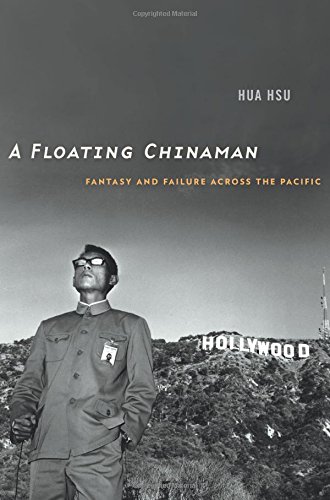
Hsu’s thoughtful and beautifully written account of H.T. Tsiang’s efforts to add to the China experts’ conversation about his native land is a brilliant study of “what ifs?”
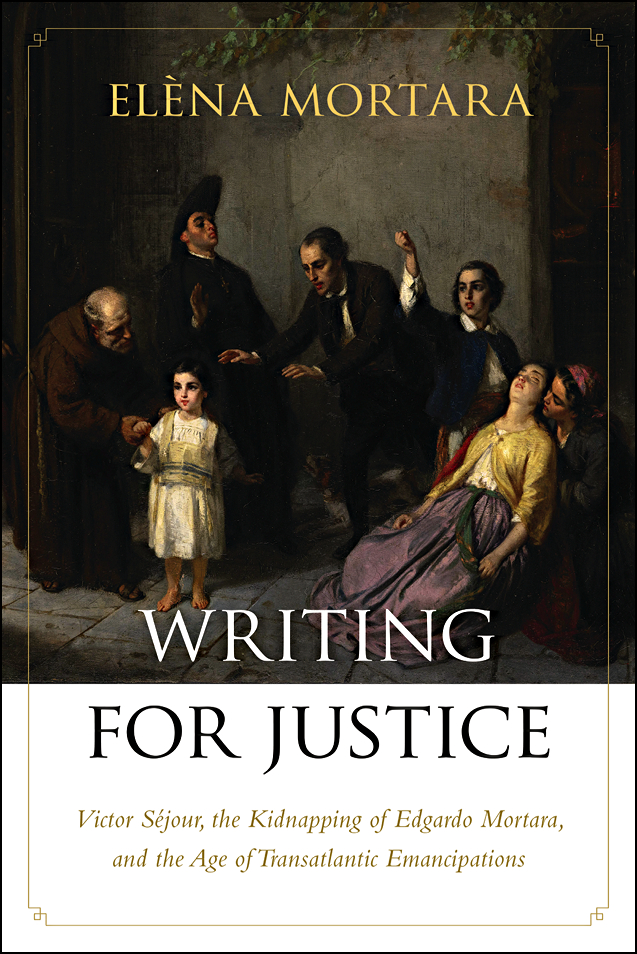
Despite the recent trend in American scholarship emphasizing the transnational and cross-cultural dimensions of American culture, Victor Séjour is rarely mentioned. Elèna Mortara’s Writing For Justice: Victor Séjour, the Kidnapping of Edgardo Mortara in the Age of Transatlantic Emancipations addresses this gap.
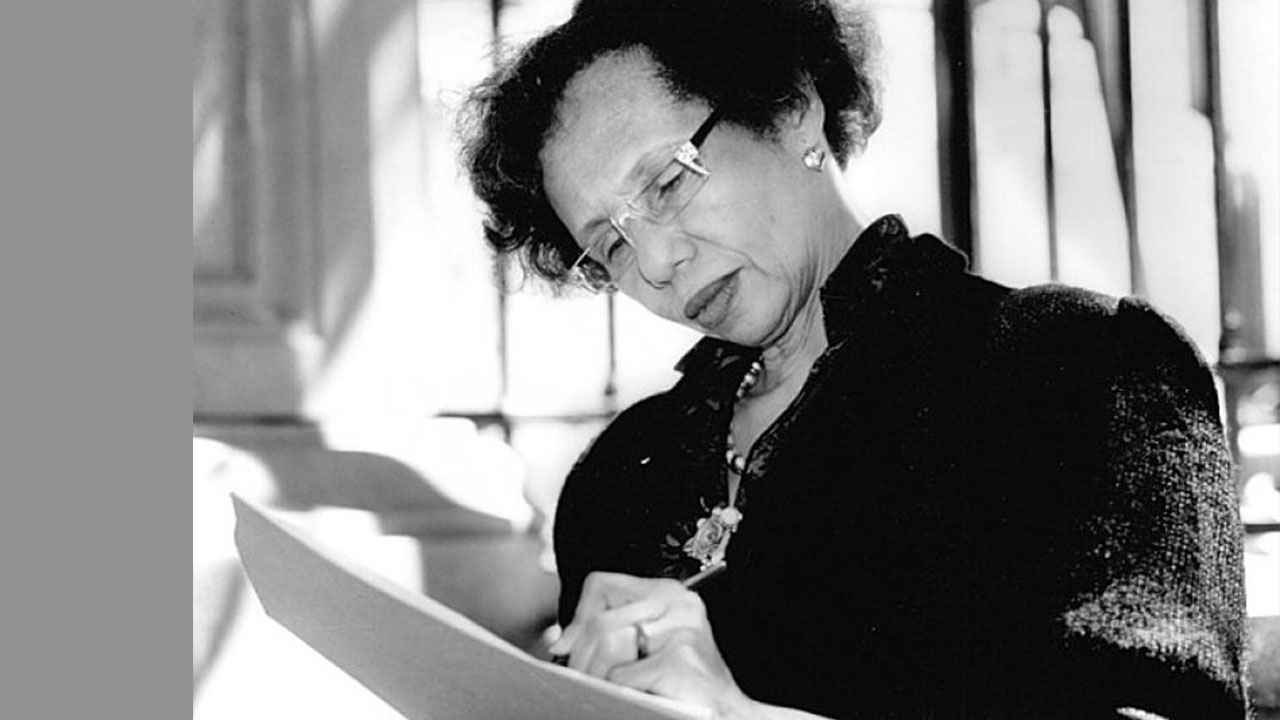
M. Lynn Weiss, associate professor of English and American Studies at William & Mary, conducts at 2014 interview with Adrienne Kennedy, one of the most prominent voices of African-American theater.
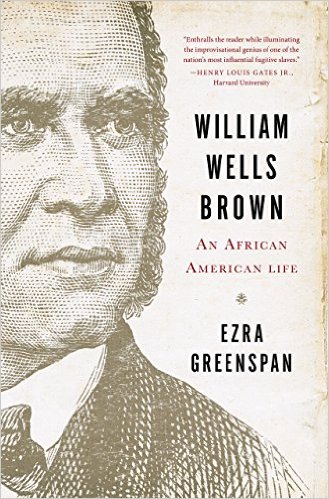
Greenspan's biography provides early 21st-century readers with a thick description of the social, political and cultural climate of the disparate but intimately connected contexts of Brown's life. More than a time-line, Greenspan's contextualization calls attention to the cataclysmic events taking place in the world of the renowned abolitionist and writer.
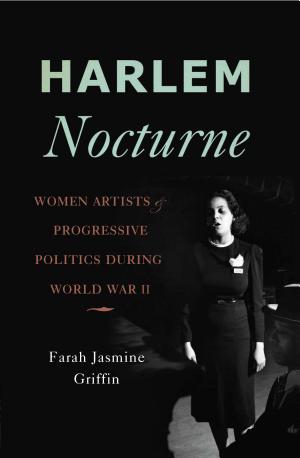
"Harlem Nocturne" departs from conventional narratives of great artists by insisting that the cultural and political currents of their time encouraged and enriched their creativity. New York City, the people and places that made it a progressive, dynamic site for political and cultural expression during the 1940s made it possible for three young black women artists to imagine themselves as "makers and doers" of the essential social, political and aesthetic work of their time.