Kelsey Klotz is a lecturer in the Department of Music at the University of North Carolina at Charlotte. She has a Ph.D. in musicology from Washington University in St. Louis. She is currently working on a book project titled Dave Brubeck and the Performance of Whiteness, under contract with Oxford University Press, which uses Brubeck’s mid-century performance of Whiteness across his professional, private, and political lives as a starting point to understand mid-century Whiteness, privilege, and White supremacy more fully.
By Kelsey Klotz
By
Kelsey Klotz
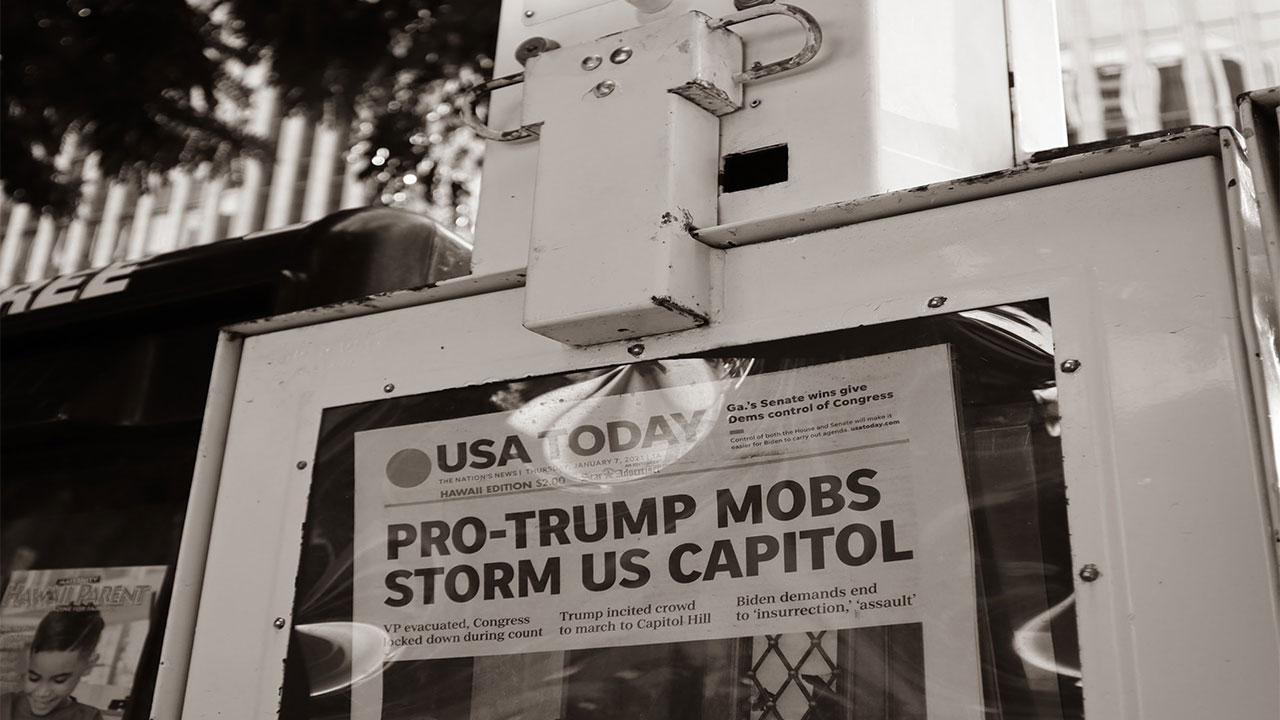
I suppose I was drawn to Childish Gambino’s “This Is America” in the days following January 6 because of the way it unveils violence and abuse masquerading as love. Politicians and citizens holding vastly different ideologies fought to control what loving America is, what that love looks like, and who is capable of expressing that love. In the midst of varying ideas and ideals about what America is, love was repeatedly invoked.
By
Kelsey Klotz
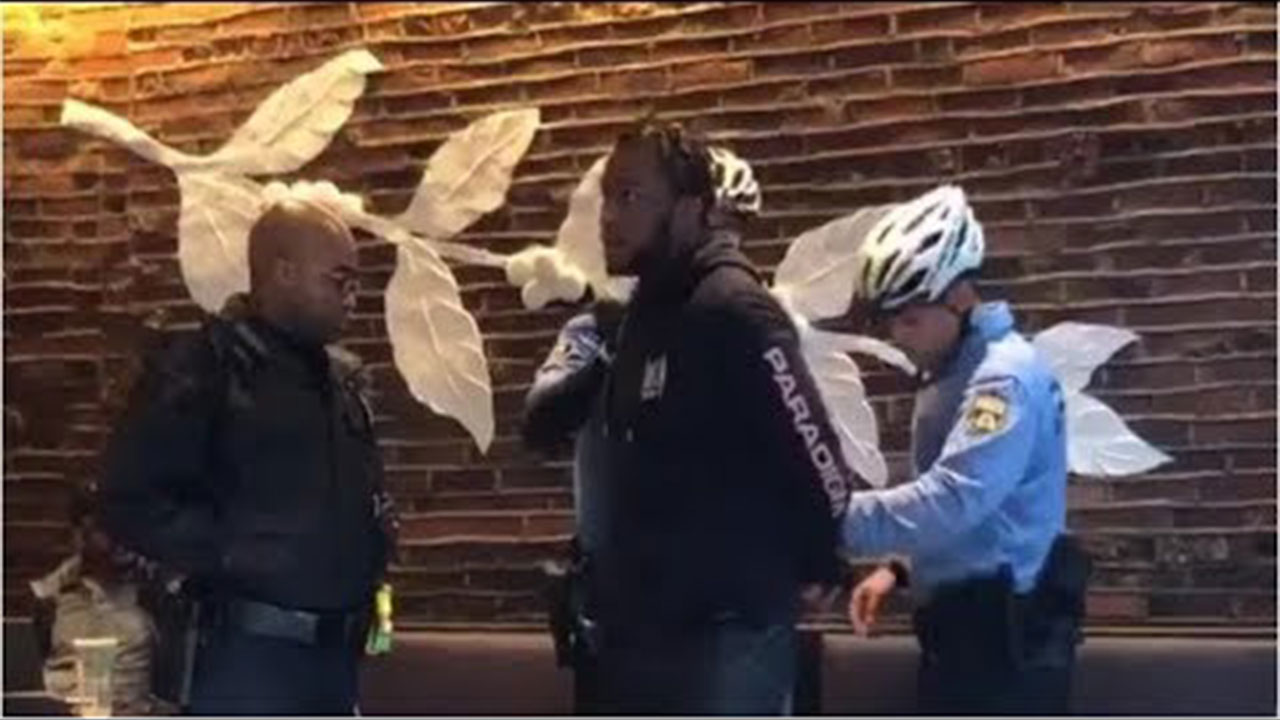
Starbucks uses for its in-stores soundtrack music celebrating individual tenacity and collective rebellion, but that supposed renegade spirit takes on a different context when the soundtrack is bebop jazz, and two African-American customers are arrested for failing to place their order in due time.

By
Kelsey Klotz
The reason the Grammys repeatedly lead to such a feeling of disappointment and letdown is, ultimately, because the Grammys in their current form cannot possibly reflect the intersecting and complicated notions of musical value held by its audience. The best the Recording Academy can do—and indeed, what the Academy should do—is make transparent its musical priorities.

By
Kelsey Klotz
Just as scholars consider how baby boomers’ Cold War experiences shaped their understandings of global politics, will future historians ask how millennials’ active shooter drills shaped their understandings of national politics?
By
Kelsey Klotz
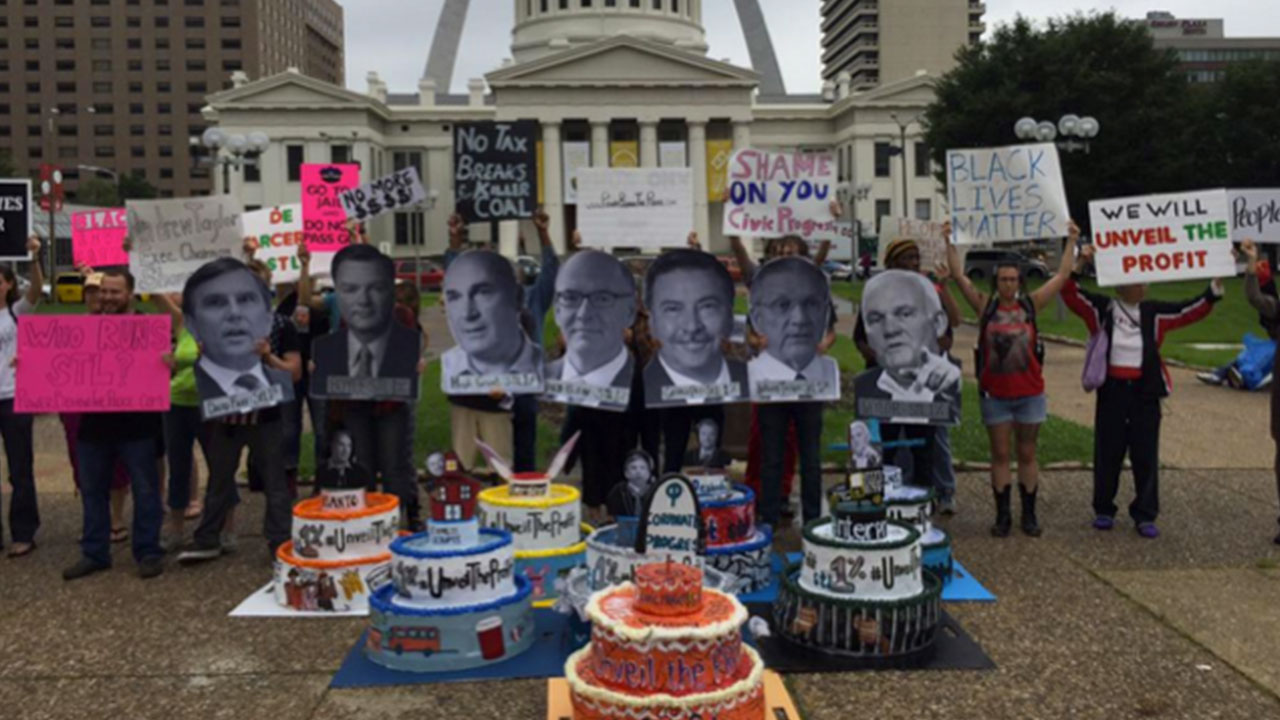
For more than a century, the Veiled Prophet Organization has faced race-based protests; however, during all of that time, the organization has been able to claim innocence against racism based on historical context: they made no explicitly racist comments in public, and their exclusionary practices were the same as other fraternal organizations.
By
Kelsey Klotz
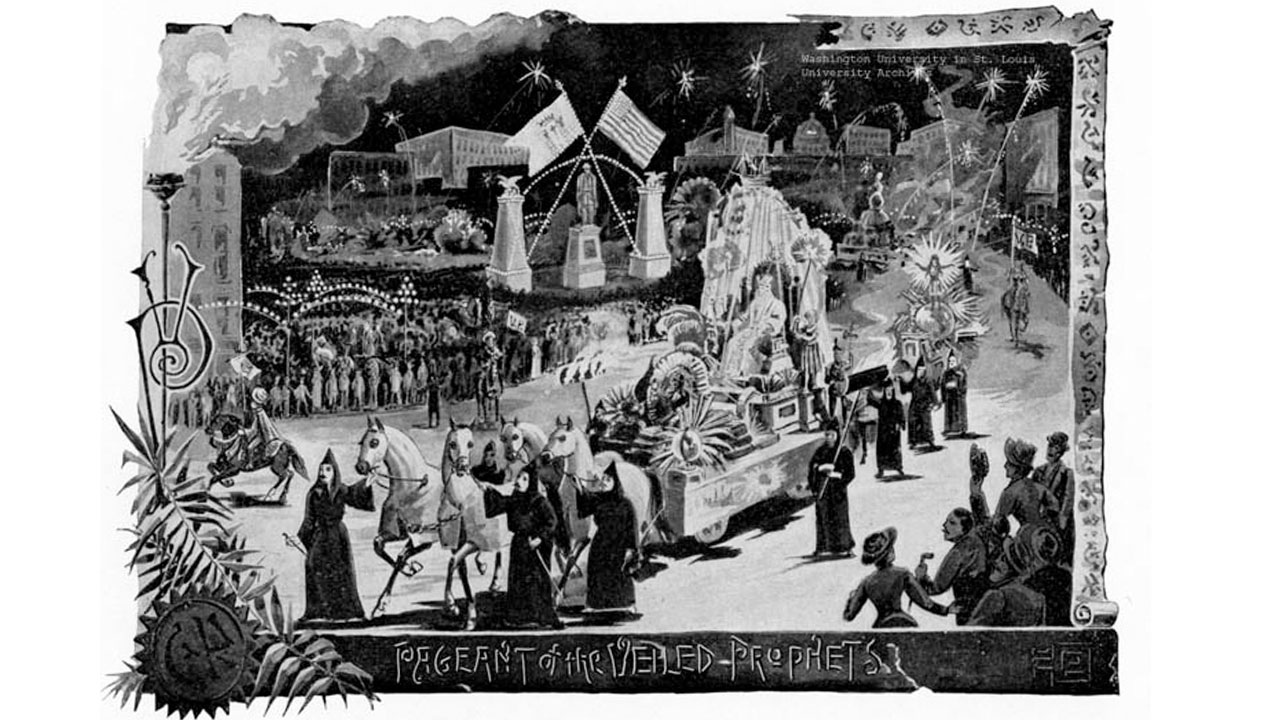
St. Louis’s Veiled Prophet Organization (VPO), with its historic roots in both Irish poetry and the Civil War Confederacy, is a case study in how past contexts inform present-day understanding.
By
Kelsey Klotz
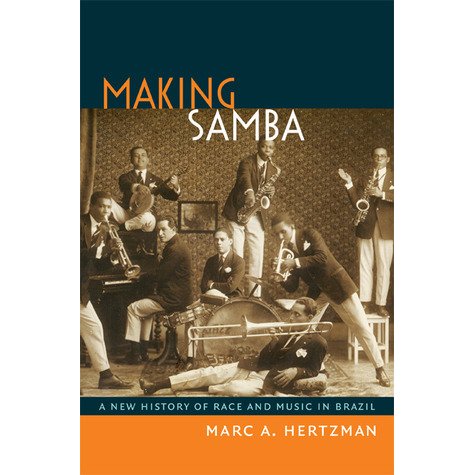
Hertzman’s book on samba illuminates a common struggle for music scholars and cultural historians: how can musical sounds inform our cultural histories?
By
Kelsey Klotz
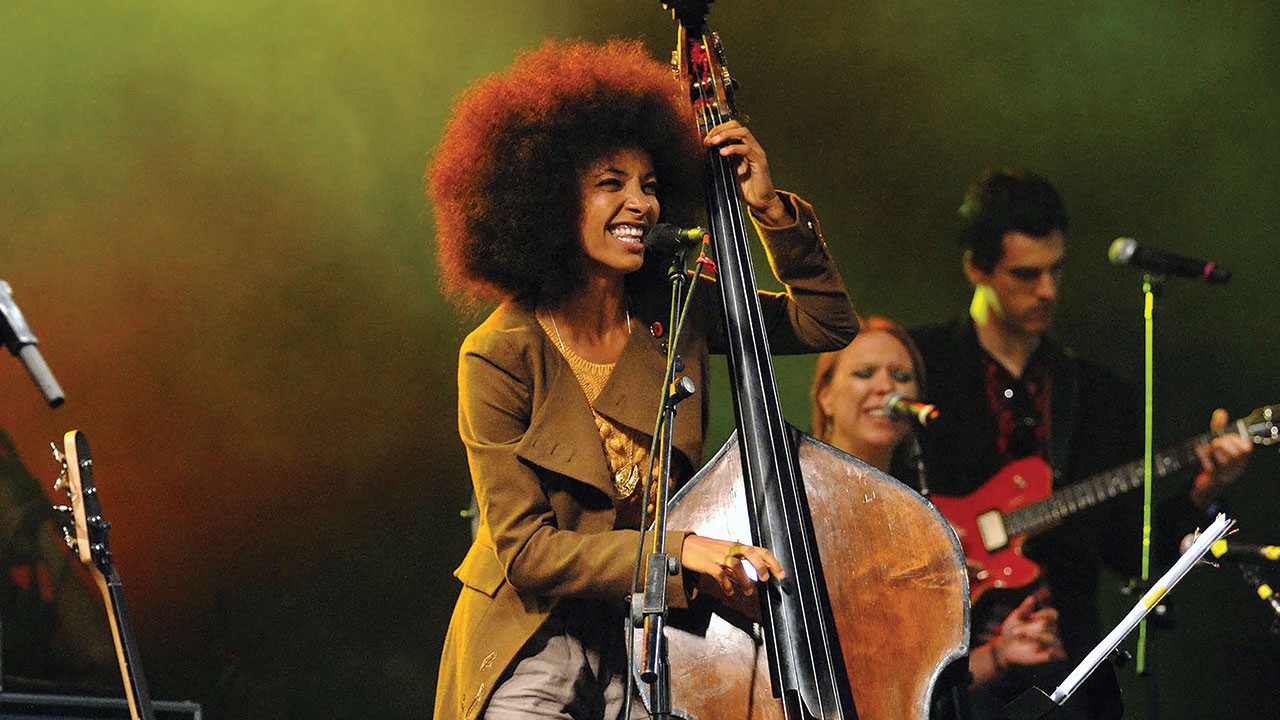
Throughout her career thus far (it is hard to remember that she is just 33 years old), Esperanza Spalding has proven that hers is a unique voice in the music industry, easily crossing genre boundaries, yet continuously lauded by jazz musicians and audiences.
By
Kelsey Klotz
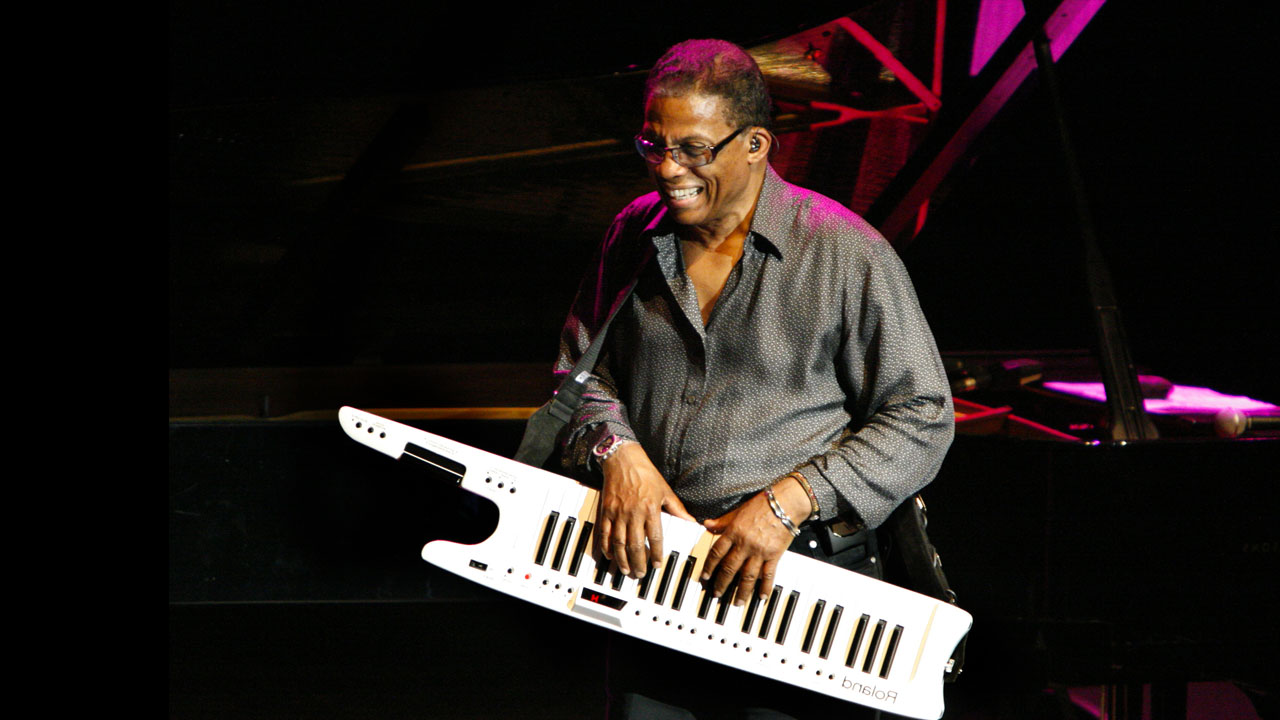
What happens to the body in technologically-mediated live performances, particularly those that continue to be defined as jazz by many audiences? The music of Herbie Hancock, in many ways, answers that question.
By
Kelsey Klotz
When recognition is embodied, it is nearly impossible to ignore.
By
Kelsey Klotz
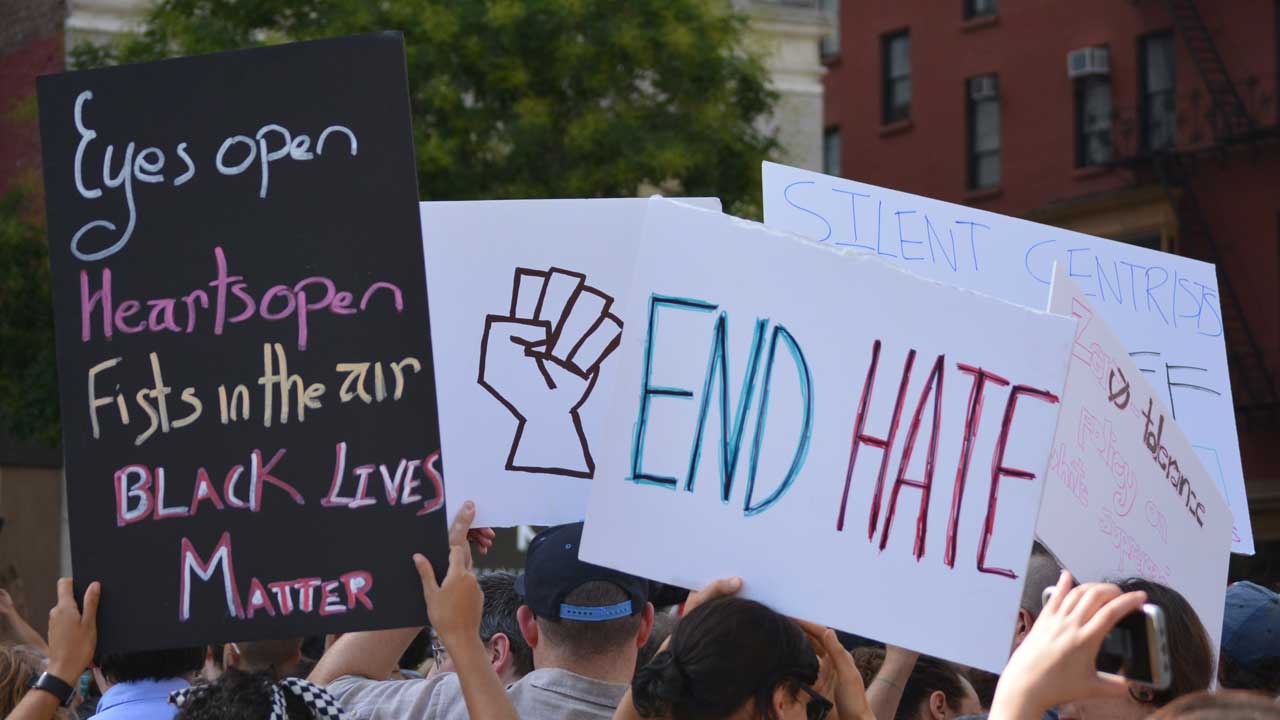
Identifying racism is an important step in stemming its tide, but we (and I speak specifically to white people) must be willing and able to consider that racism might look and sound like ourselves.

By
Kelsey Klotz
Despite the easy, pseudo-feminist promotion of Diana as “strong,” Wonder Woman director Patty Jenkins ultimately created a character who can contain a multitude of expressions that can simultaneously reinforce and disrupt typical gender norms.