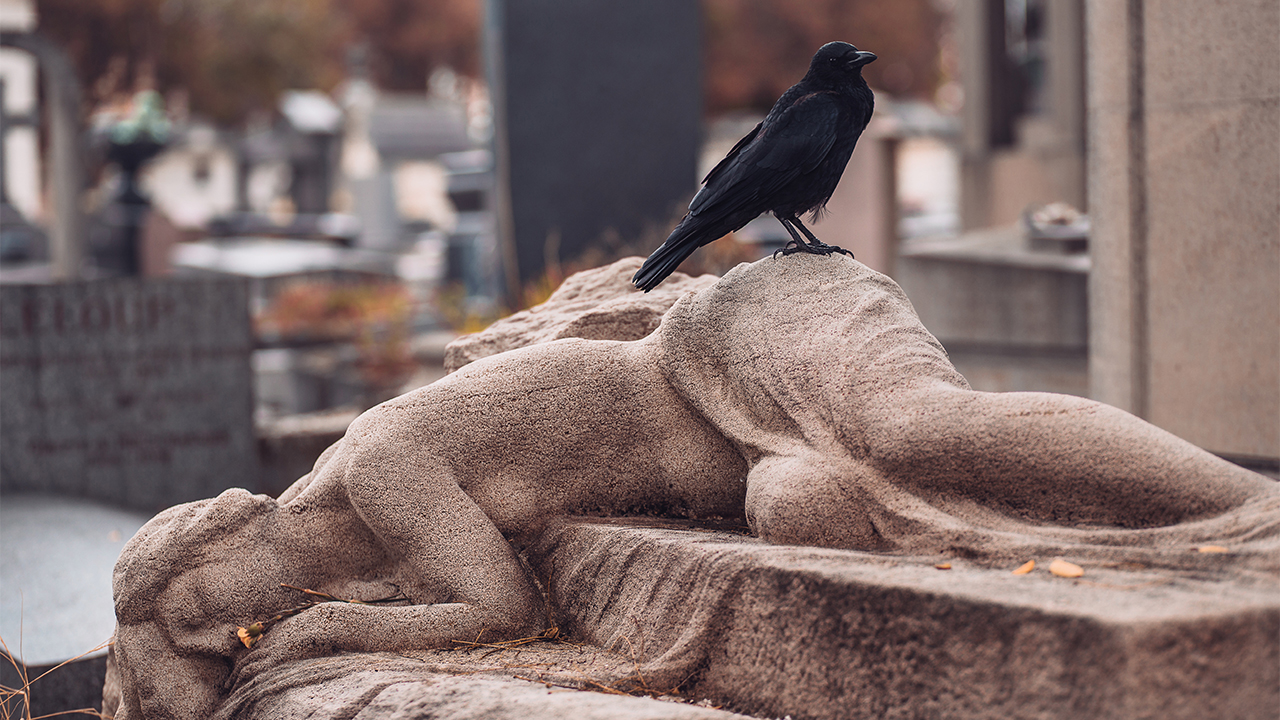
Unleashed
Dogs need structure; without it, they run amok. We humans are convinced that we crave freedom and self-determination, but we run amok, too.
Escapism brings up biases I had not reckoned with. Why should I be so resistant? I am not picky about the relationships in my mysteries: a hard-won romance is a lovely distraction from murder, but a witty and well-seasoned marriage is just as much fun, as is the glum frustration of someone who is lonely but at least has buddies at work to commiserate with.
Scabs were cool. And until this weekend, I believed they were necessary.
Because we were vast, spacious, and buffered by oceans, we were relatively safe from the encroachments and surprise attacks of conventional warfare. We made it fashionable to question authority and reject hierarchy. Other countries, squeezed tight and facing constant threats, developed rigid sets of rules and norms that kept their population cohesive and, well, safe.
This is silent disco. Forgive me if it feels like a metaphor. It is not new: The first headphone concert was by the Flaming Lips in Dallas in 1999, although they also used a normal speaker so the sound could be felt—a nicety soon dropped.
Hollywood is a side gig; mainly, Michael Beran rescues wild animals, those he keeps for education and entertainment, and meanwhile rescuing people from wild animals. Now he joins Rocky, a Eurasian eagle-owl of magnificent proportions with a diva’s temperament, and the bird flaps huge wings in token protest.
Elvis got slicker over time. Graceland, the home Elvis proudly bought when he was twenty-two years old, finished with his first movie, presenting the key to his beloved momma with a flourish—has gotten slicker, too.
Robert Washington grew up in St. Louis. In 1974, when he was sixteen, he heard Elvis Presley in concert. Three years later, he was celebrating his nineteenth birthday in U.S. Marine Corps boot camp when word came that Elvis was dead. The coincidence felt significant.
For a while, many swore he was alive. He had faked his death to escape their love, the burden of which they freely acknowledged. Now that he is, someplace, eighty-seven years old, that notion has faded.
“You cannot understand America until you have been to Graceland,” a friend recently informed me, and I took it as a dare. This trip, timed to hit the end of Elvis Week, the day the King died (though no one could be sure) is an exploration for me, but a pilgrimage for most. Ribald as Chaucer, exhausting as the Camino de Santiago, solemn as the hajj.
Leaving one’s legs and underarms fuzzy is the new feminist statement. Yet the curious and disturbing appeal of prepubescence is still dictating the most private and uncomfortable shave of all.
WashU students scrubbed off the racist symbols as fast as they could, but the damage would cost $10,000 to repair. Meanwhile, the video Patriot Front made of the sabotage would be seen, liked, and shared by thousands. The destroyed mural is titled “The Story That Never Ends.”