Benjamin Cooper is Associate Professor of English and Director of American Studies at Lindenwood University in Saint Charles, Missouri. His book, Veteran Americans: Literature and Citizenship from Revolution to Reconstruction, was published by University of Massachusetts Press.
By Benjamin Cooper
By
Heidi Aronson Kolk
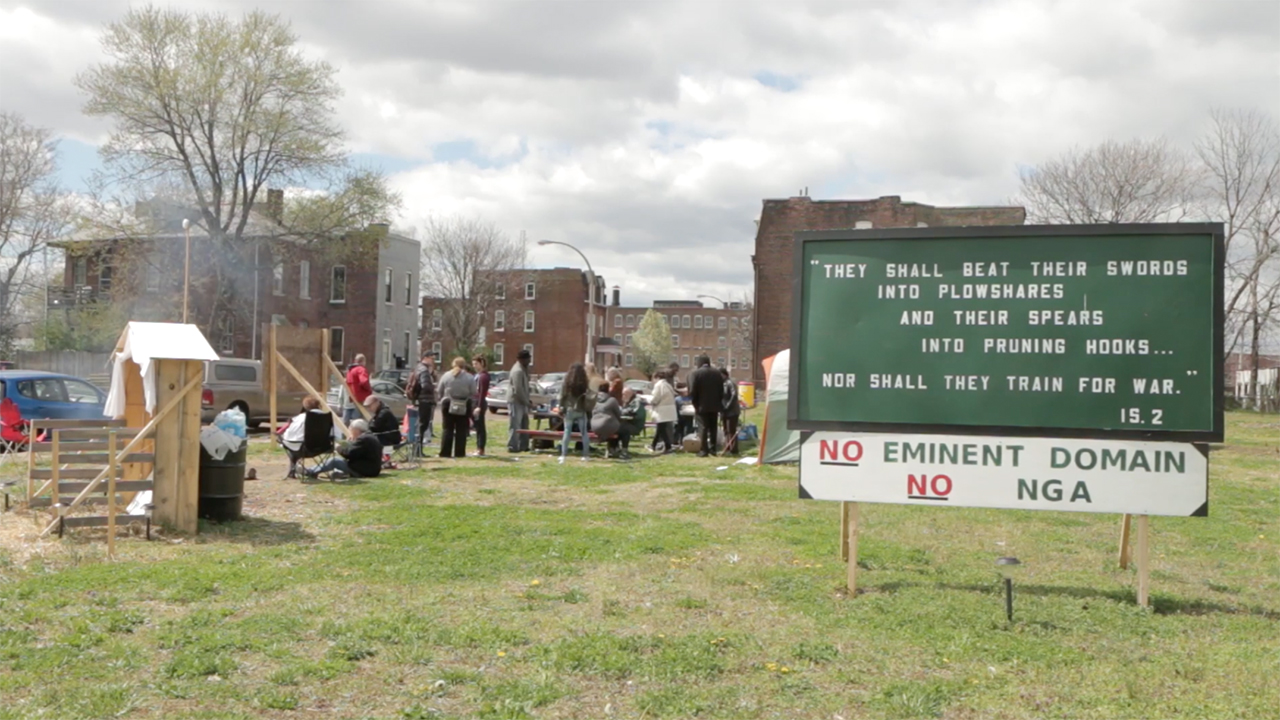
Like St. Louis Place as a whole—a neighborhood so beleaguered and yet so beloved—the grassy lot at the 2300 block of Mullanphy on the near side of North St. Louis manifests many characteristics that can also be found in other predominantly Black neighborhoods across the St. Louis region, from the Ville to Howard-Evans Place to Kinloch, each of which has been subjected to threats from those who would seek to extract their value and expunge their negative associations. At this particular site, the negative and positive have become fatefully entangled, and yet residents have found ways to express its emancipation-heritage significance.
By
Benjamin Cooper
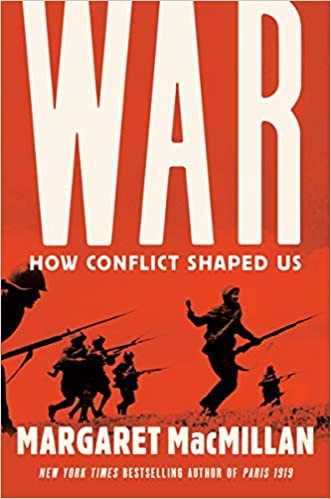
The true profit in War is MacMillan’s subdued discussion of how war has disrupted ideas such as history, peace, and reason. The subtitle, however, suggests it will be something different.
By
Heidi Aronson Kolk
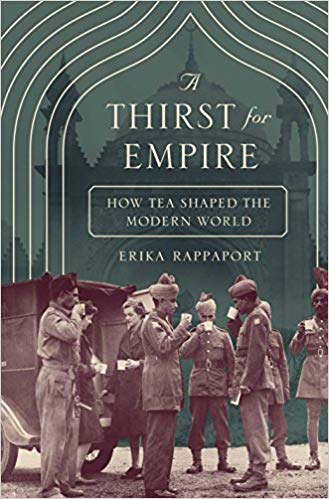
A Thirst for Empire: How Tea Shaped the Modern World explores tea as a global commodity whose history has been shaped by the transformations of capitalism and the regimes of empire and nationalism—the very forces, we might say, that have given us Starbucks.
By
Michael Kaplan
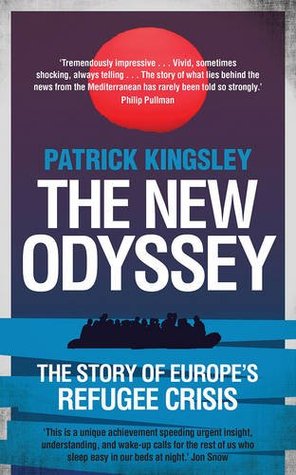
The New Odyssey is, in both style and analysis, the work of a tireless and fast-paced reporter rather than that of an academic scholar.
By
Benjamin Cooper
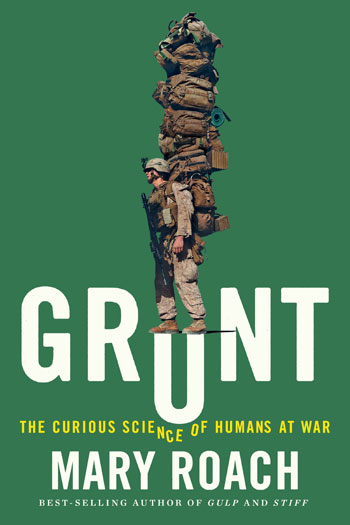
Gallows humor is one thing, but at times Grunt succumbs to camp, which is to say it indulges in its own questionable taste.
By
Benjamin Cooper
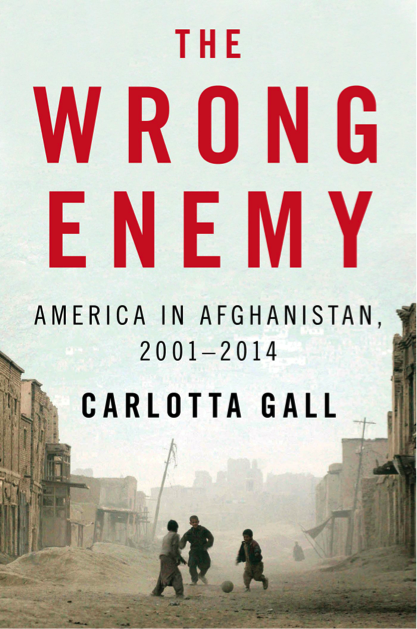
What intrigues most about Gall’s book, however, is not the many local lessons it offers but rather how it wants to construct and control a broader narrative about the war. This impulse is smart insofar as no coherent national narrative about Afghanistan seems to circulate, and The Wrong Enemy realizes its opportunity to address the vacuum.

By
Thabiti Lewis
"Rosengren constantly nudges readers to realize both men do not exist in a vaccum—void of any connection to other people, traditions, or social factors. Thus, chapter five is titled “Summer of Fury” to make the reader privy to the Watts Riots that erupted a few weeks earlier and to serve as a reminder that the 1960s was an intense, unique decade in American history, fraught with declarations of redefinition that created social turbulence that forged dramatic social reforms in the United States. This is a story of heroism, cowardice, miscommunication, racism, the 1960s, and reconciliation. It is about much more than a fight."
By
Benjamin Cooper
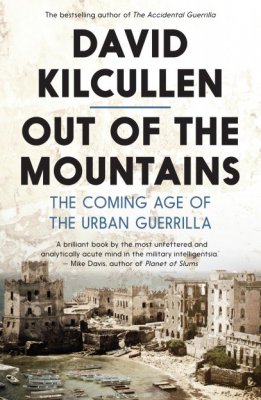
David Kilcullen's new book predicts the future of armed conflict through terrorism's recent past, and with the city as its stage, but Out of The Mountains is best when it's analyzing, not prophesying.