Doctored By Details

"Pasternak remarked in late 1957, 'Everybody’s writing about it, but who in fact has read it?' This seems the crucial question never pursued. What would have happened if more people in power had actually read 'Doctor Zhivago'? Could much, if not all, of the persecution of Pasternak have been avoided? The question of whether or not the book, when read, stands up as a piece of anti-Soviet propaganda comes up a few times in the text, but never as anything more than a superficial thought."
Do The Right Thing

"Most blacks, without question, would rather be successful capitalists, however “exploitative” of land and labor, than wards in an egalitarian socialist state because, in the end, even members of a persecuted group, the dream is to have power, not justice. Or put another way, the acquisition of power becomes its own form of justice. The problem with Riley’s book is not its conservative message, but that the message is not sufficiently framed to appeal to black folk’s sense of racial destiny and pride. In short, it is insufficiently chauvinistic, less chauvinistic than the title promises."

Web Time

Five takes on the wonder that is the spider web.

Shrinking Generation

As the energy landscape shifts from larger to smaller networks of production, so do the definitions of power producers and consumers.

Bac To The Future

A recently discovered soil bacterium with antibiotic properties shows amazing promise, but the real find may be the tool that discovered it.

Winston’s Rules

The UK's famous WWII Prime Minister was also a master commander of English prose and oratory.

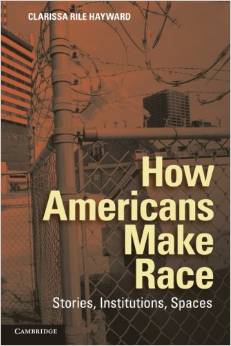
Building For Race

Hayward recommends shifting political authority away from local communities where powerful private interests exert control over zoning decisions to regional or metropolitan levels of governance, which could facilitate coalition-building and more inclusive urban planning initiatives.

Basebrawl

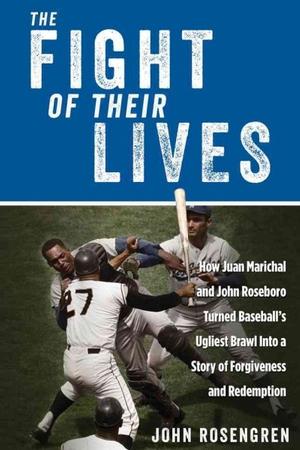
"Rosengren constantly nudges readers to realize both men do not exist in a vaccum—void of any connection to other people, traditions, or social factors. Thus, chapter five is titled “Summer of Fury” to make the reader privy to the Watts Riots that erupted a few weeks earlier and to serve as a reminder that the 1960s was an intense, unique decade in American history, fraught with declarations of redefinition that created social turbulence that forged dramatic social reforms in the United States. This is a story of heroism, cowardice, miscommunication, racism, the 1960s, and reconciliation. It is about much more than a fight."

Sixth Sense

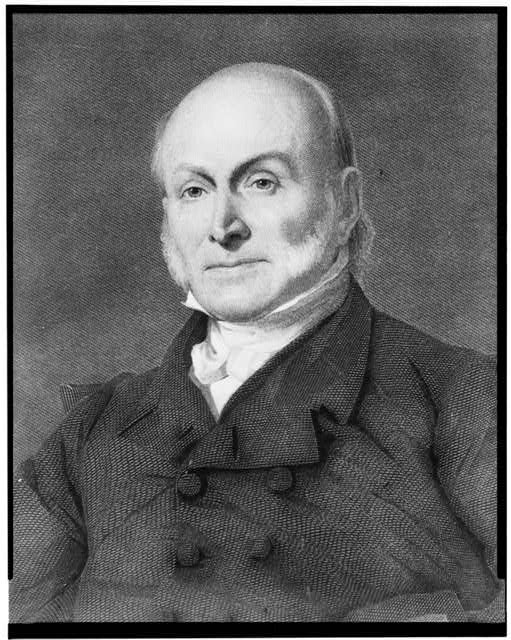
"Kaplan weaves Adams’ personal life and public career into an interrelated portrait of the man and his times. His singular appreciation of the importance of literature, especially Shakespeare, the theatre and poetry (including that composed by Adams himself) to his subject’s intellect, psyche and convictions about politics, religion, philosophy, love and nature, provides readers with a transparent and penetrating portrayal and assessment of Adams. This exceptional approach modifies conventional depictions of Adams solely as a man of “cold austere and forbidding manners, a gloomy misanthropist,” a description Adams once even applied to himself."

Capital Concerns

"If we thought that the distribution of income among individuals in an economy is determined in a similar manner to the distribution of income across countries in the world, we would then look primarily for explanations which attach importance to knowledge, education, and skills. But Piketty’s theory of income and wealth distribution, contrary to what we might anticipate, is startlingly simple, and can be boiled down to a couple of ’laws.’ Piketty first argues, by appealing to the data, that capital income is more important than labor income in concentrating income and wealth at the top of the distribution."

Skip to content