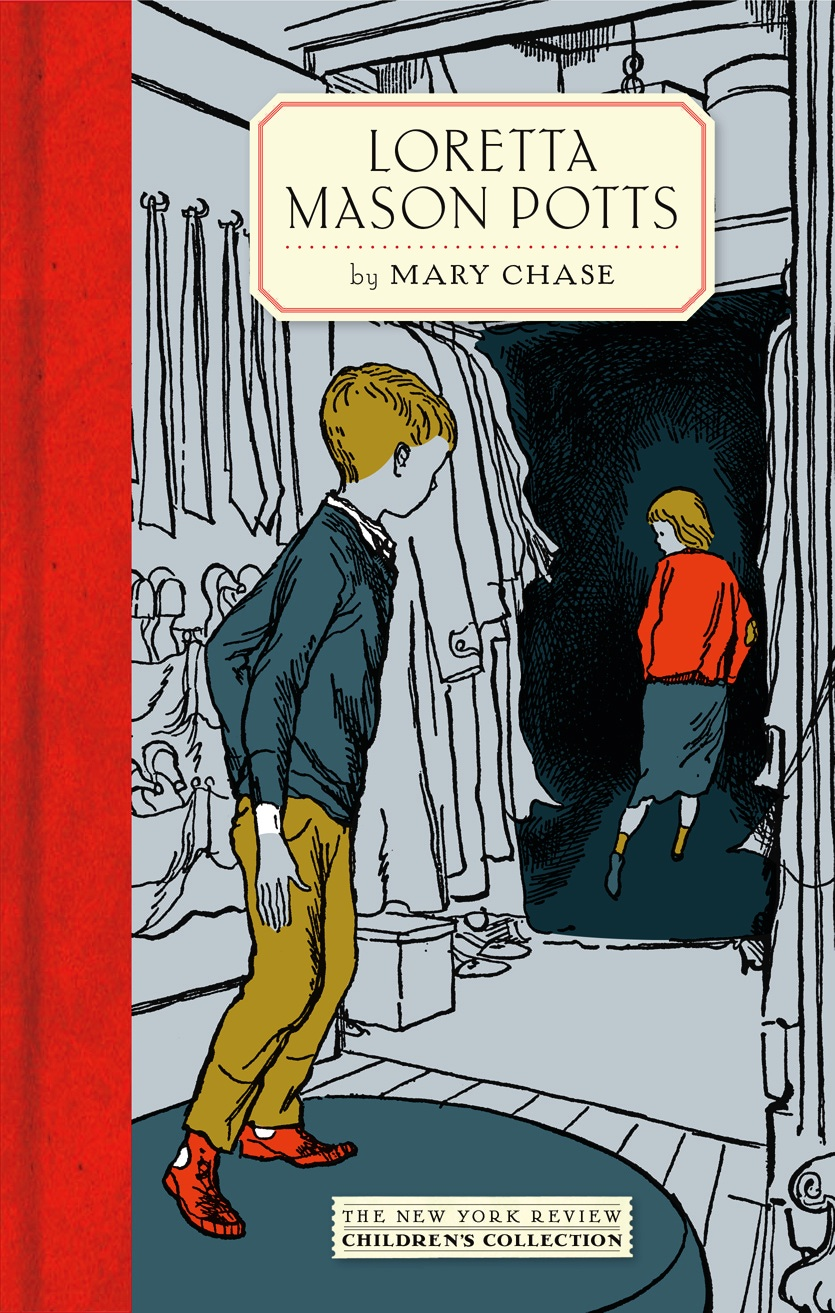
Elsewhere, Upside Down
The children's book Loretta Mason Potts glosses over the emotional and logistical implications of its circumstances for a fantasy story where the impact of events become a very distant second to the events themselves.
The children's book Loretta Mason Potts glosses over the emotional and logistical implications of its circumstances for a fantasy story where the impact of events become a very distant second to the events themselves.
Gerald Early, editor of The Common Reader, speaks with RAF-STL radio host Kathy Lawton Brown and the journal's inception, and its future.
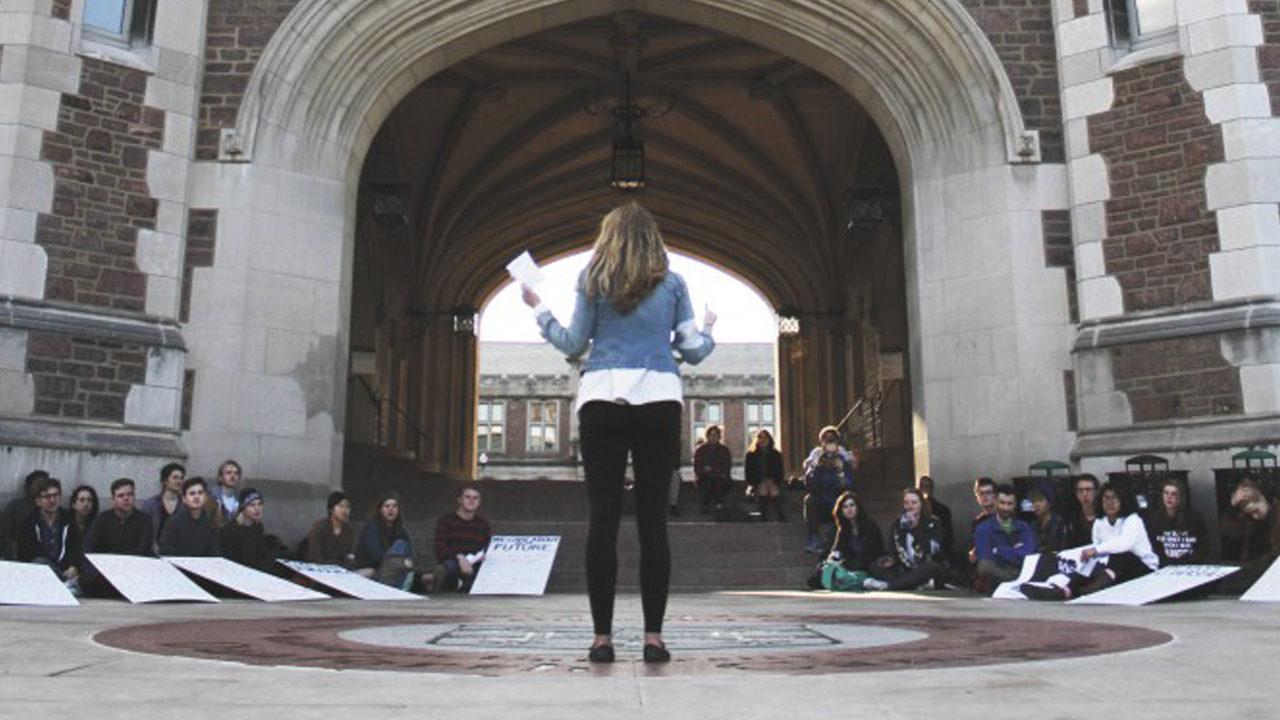
Last year's Peabody Energy protest showed that the legacy of student activism is not necessarily its ability to negotiate solutions, but the ways it tests free speech. Students, in particular, enjoy a remarkable abundance of media attention that remains elusive for members of many other demographics.

A journey down the Mississippi River shows that our search for authenticity recedes forever. Like the horizon at the end of the mind, it is always just around the bend in the river.
Hurricane Katrina almost destroyed Tulane University's NMRs, which would have greatly reduced the university's research capacities into the causes and solutions of natural disasters. Thankfully, and for good reason, they were saved.
There is little about big-game hunting that has changed since the era of Teddy Roosevelt.
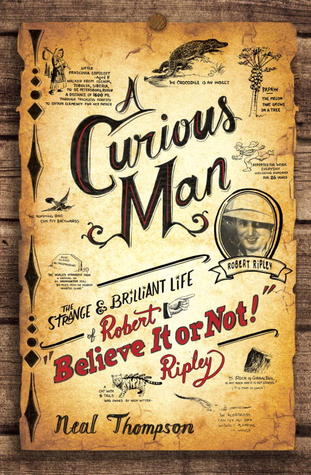
Like an amusement park, Believe It or Not was a cheap thrill but it also brought together a community of seekers who sought their faith through the excess of the unusual.

Friedman’s skill in populating her chapters with not only intriguing protagonists but a full cast of supporting characters results in an engrossingly textured account of the early Cold War. Freeing the era from the straightjacket of conformity to which it has been confined by hindsight and historiography, Citizenship in Cold War America reveals a society more fractious than anxious.

Rough Country clearly shows the sociological function of religion in Texas and, as a consequence, its political leanings and influence on the rest of the United States.

Lydia Denworth in her book I Can Hear You Whisper restores one’s awe at the amazing feat that is communication. As a scientific journalist, she dissects the process of language acquisition from auditory comprehension to speech production, but her quest for understanding is personal. Denworth’s third son, Alex, was born hearing-impaired.