The Mellow Season
More than other seasons in which we go on vacation or complain about ice, fall tends to bring out the scholar in most people.
More than other seasons in which we go on vacation or complain about ice, fall tends to bring out the scholar in most people.
At the edge of Pruitt-Igoe, a housing development long gone, but long since remembered. (Credit: Stephen Hobbs)
“This is, genuinely, my idea of beauty. This is life after cities. This is life after humans.” We are staring at 57 acres of overgrown wildlife comprising the former Pruitt-Igoe, one of the…
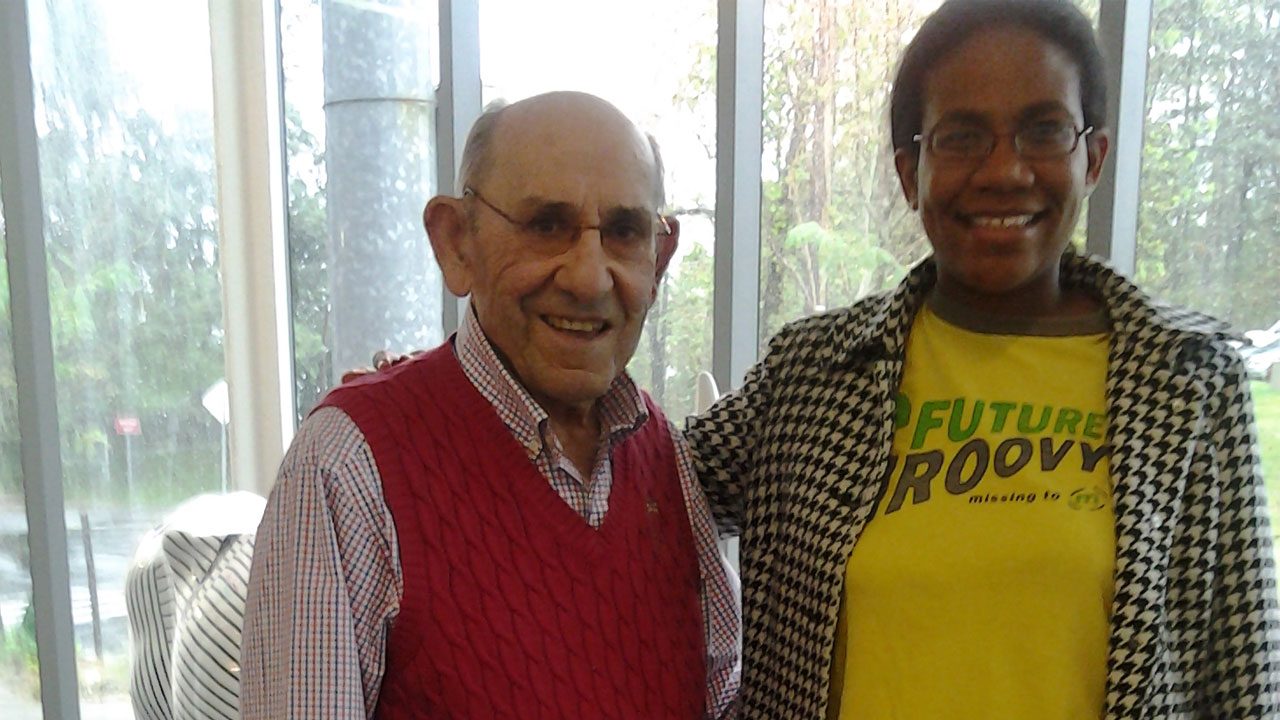
Yogi Berra did not think twice about spending several hours in the middle of the afternoon speaking to a rookie journalist from a local magazine he had probably never head of. I realized Yogi was right. You can observe a lot just by watching.
St. Louis's Forest Park: The distinction between entry markers and gates is not always academic.
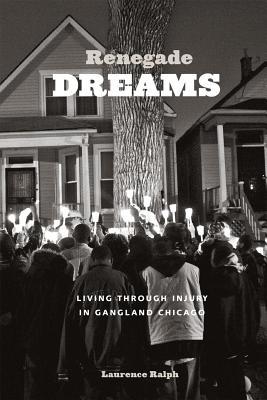
Renegade Dreams aims to uncover the new dreams of a post-industrial, 21st-century urban black community, and in the author's words, to “reframe” the dreamers apart from the rioters, gangsters or savage youth so often portrayed in the media.
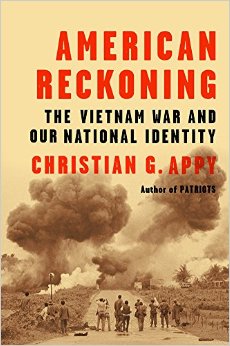
Christian G. Appy argues, unsurprisingly, that the destructive and immoral actions of the United States in Vietnam punctured the myth of American exceptionalism. Yet that same exceptionalism survives largely intact today.

At long last, here is a book specialists in British, French, Spanish, Italian, and, yes, U.S. Civil War history will all find new ideas to explore and new contentions with which to grapple.
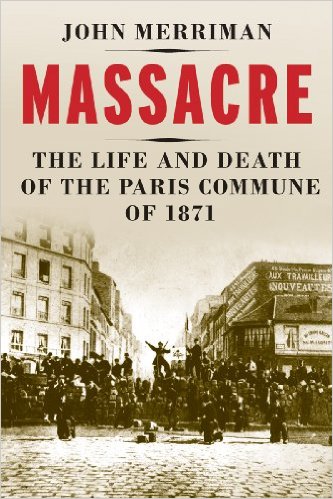
Massacre: The Life and Death of the Paris Commune presents a wonderfully vivid depiction of the Paris Commune that alternates deftly between humor and heartbreak.
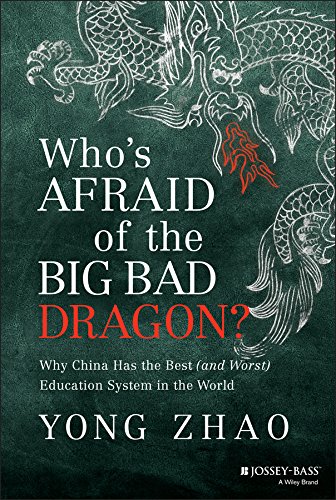
Yong Zhao analyzes the origins, strengths, and failures of the Chinese educational system with an emphasis on its authoritarian nature. He may ease the concerns of other countries, who may feel pressured to follow the Chinese model, but he also demonstrates how problematic comparisons can be.