Racism Runs Dry
The New Deal gave Americans a weak welfare state. Prohibition, Lisa McGirr argues, produced a strong and enduring police state.
The New Deal gave Americans a weak welfare state. Prohibition, Lisa McGirr argues, produced a strong and enduring police state.
Mustafa Akyol's book is not intended primarily to be a work of religious history. Rather, it is an exercise in comparative theology and interreligious apologetics, in which history has a subsidiary role.
Through ten legal cases, Because of Sex illuminates not only the significance of the 1964 Civil Rights Act's Title VII in the progress and setbacks of women in the workplace, but also how individuals subsequently shaped and defined the struggle for equality in the workplace over time.
For readers curious about the various ways contagious disease take root and spread, Sonia Shah’s Pandemic provides a persuasive set of explanations. It is an excellent introduction for academics teaching contagion globally, and for experts and administrators seeking to effect lasting public health impact on the ground.
The man with The Plan: Alfred von Schlieffen
In United States history, we know December 7, 1941, as the “date that will live in infamy,” due to the attack on Pearl Harbor. In the context of world history, however, the most infamous date in history is June 28, 1914. This…

Books of this scope have been written on other medical topics, but this type of book is a first for autism, reading more like a compelling documentary script rather than a history book.
In July of 1914, in a memorandum written by Helmuth von Moltke, the German Chief of Staff to Germany’s Chancellor at the time, Bethmann Hollweg, von Moltke warned of the coming conflict of World War I that “the leading nations of Europe would tear one another limb from limb ……
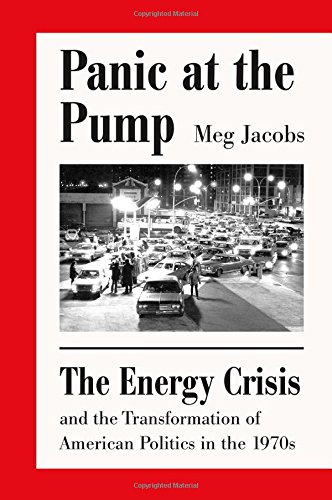
In the story of the 1970s' energy criris, historians have so far acknowledged the twin oil shocks of 1973 and 1979 as important events during the decade, but have not made them central to their analysis. Now Meg Jacobs argues that the politics of energy was in fact critical, as “the failure of the nation’s politicians to address the energy crisis contributed to the erosion of faith that Americans had in their government to solve their problems.”
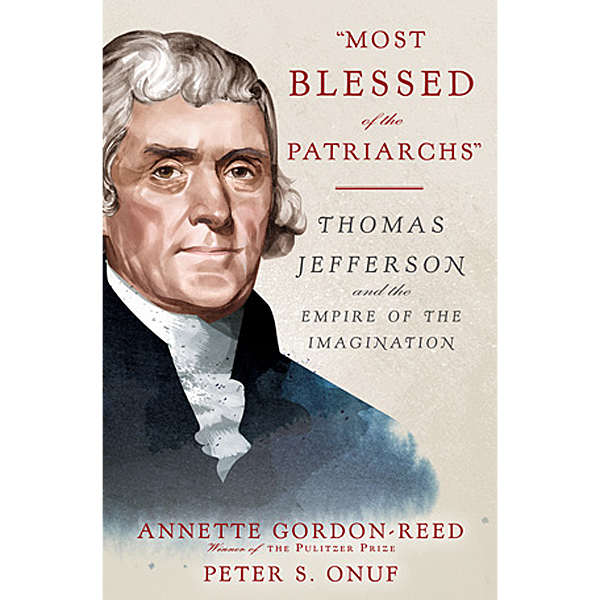
“Most Blessed of the Patriarchs” should be required reading for a general public that deserves more than easy evasions or tired indictments, for students who deserve an honest and unflinching engagement with the historical past, and for citizens seeking solutions for the problems of a troubled legacy.
Engaging seriously with the evidence on issues of crime reduction, allegations of police brutality, and unjustified lethal use of force on members of minority communities was clearly not part of Mac Donald’s purpose in writing this book. She chose instead to present a lawyer’s brief in defense of the police against charges of discriminatory treatment and over-policing of minor crime.