Coming to Our Senses
January 7, 2026
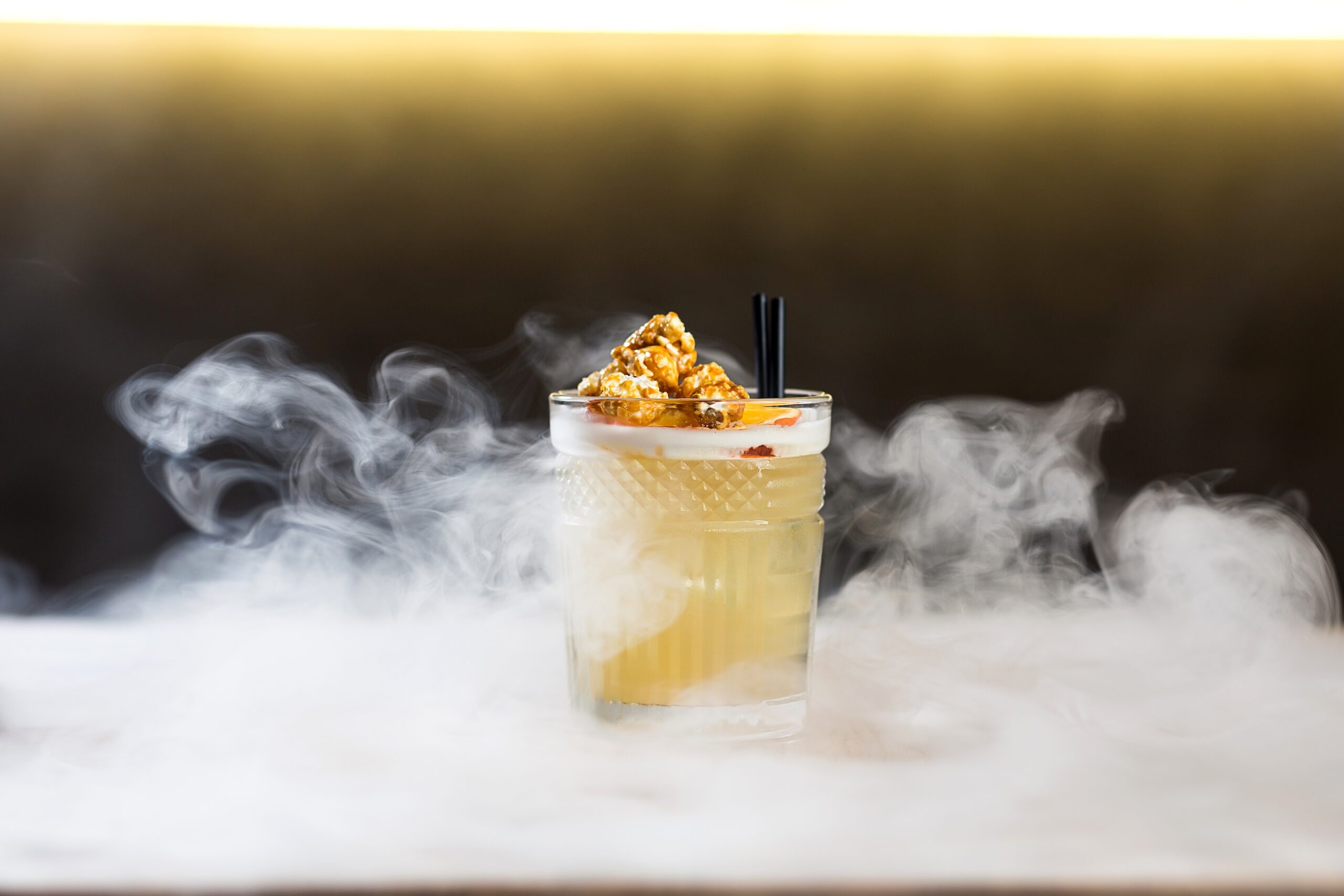
People eat less when served from a red plate. Latte is judged more intense and less sweet if it comes in white porcelain rather than a glass mug. Wine tastes fruitier if drunk in the red glow of sunset; it tastes sweeter if light music is playing and deeper, more robust, if you choose the Carmina Burana.
“We eat with our eyes, ears, nose, memory, imagination and our gut,” writes Charles Spence, an experimental psychologist at Oxford. Simply eating a peach, “your brain has to bind together the aromatic smell, the taste, the texture, the color, the sound as your teeth bite through the juicy flesh, not to mention the furry feeling of the peach fuzz in your hand and mouth”—and it all comes together in your brain.
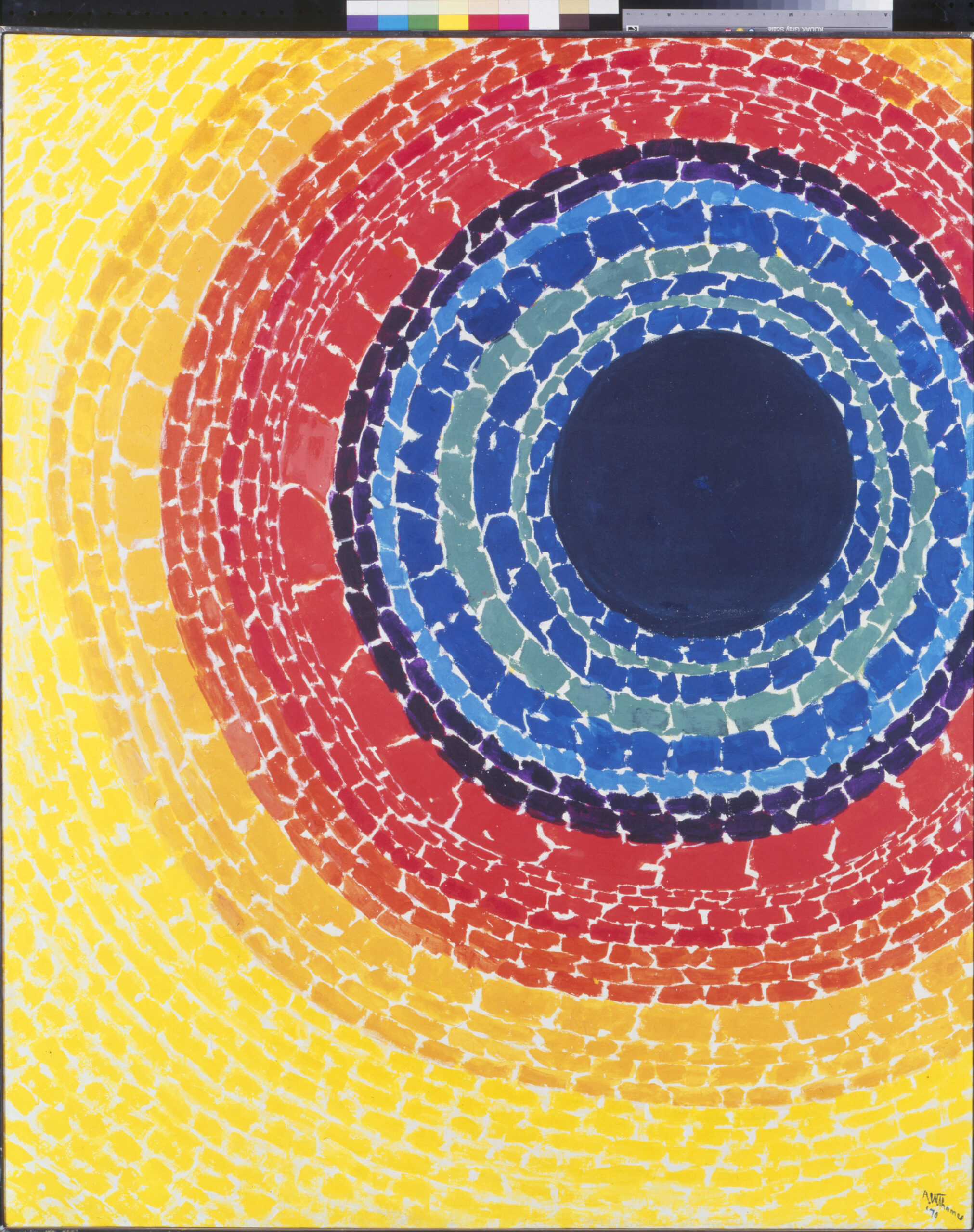
Food is not the only realm where unexpected senses alter the experience. Art historians now realize that a painting does not end at the edges of the canvas; the surrounding light, color, smells, sounds, and movement can change our response. No longer can hotels focus only on luxe visuals: what bothers patrons most is a jangle of noise, an unwelcome blast of heat, a rubbery pillow, or the stale smell of old cigarettes. Hence the hoteliers’ new bag of tricks: citrus smells that make a room look cleaner; pleasant fragrance that enhance the perceived softness and whiteness of the towels. Keep the light warm and dim in the hallways, and you lower your guests’ voices. Use hard ceramic tile in the bar, and the click of heels will make the place feel comfortably crowded and sociable.
Spence is fascinated by correspondences—“those surprising matches that we all make between pitch and colour, shapes and tastes, scents and textures. Where do they come from and why do they exist?” Most of us have rarely wondered, living as we do in a sensory desert in which rooms are deodorized, soundproofed, and painted in neutral colors. But “sensehacking,” his word, can transform experience.
Blue bedrooms are soothing. Golden light in a dining room boosts appetite. Hot chocolate tastes more chocolatey when served from an orange cup than from a white one. Rounded furniture is more welcoming than furniture with sharp angles; we have “an innate preference for visual curvature.”
Well, our bedroom is green. My only orange cup has Snoopy on it. Our couch is an uncompromising rectangle. And Spence is someone I wish I had read long ago.
Still, I refuse to vaporize moss for my next dinner party.
At The Fat Duck, just outside London, moss-scented vapor emanates from a mossy carpet in the center of the table before the jelly of quail with langoustine cream and oak moss arrives. At Alinea in Chicago, hot water is poured over a bowl of flowers when the wild turbot, shellfish, water chestnuts, and hyacinth vapor is served. Italian futurists arrived at this sort of multisensory playfulness decades ago, spraying perfumes over diners who held their forks in one hand and stroked fur or satin with the other.
“Imagine that a sugar cube is soaked in a few drops of rose oil and placed into a glass of champagne,” Spence suggests, sure that we will feel transported to a summer garden. He abhors the plastic lids snapped onto drive-through coffee; smelling the coffee doubles its pleasure. We starve ourselves again when we drink through a straw or out of a can; one cannot smell and gulp at the same time, and hardly any aroma wafts through those tiny openings. This is why wine glasses are never filled to the rim, people. The empty headspace over the drink helps preserve the aroma.
You doubt him? He will draw your attention to an out-of-the-way ice cream shop, its sales raised by 45 percent by the diffusion of a waffle cone and sugar cookie scent. Westin hotels use a signature white tea fragrance. The Hilton Doubletree scents lobbies with smell of freshly baked chocolate chip cookies and hands them out—though the smell is chemical, not coming from the cookies at all. Bookstores now use coffee scents to keep us awake and happy as we browse. Shisheido found that releasing the right scents in its factory increased productivity and reduced accidents: lemon to wake up in the morning, a light floral at midmorning for concentration….
I wonder if they play music, too. In underground parking garages, playing choral music or birdsong makes people feel safer. Spence notes an experiment in which, when French accordion music was played in the background, 77 percent of the orders were for French wine—and when German Bierkeller music was played, 73 percent of the orders were for German wine. Who wants to admit we are that easily influenced? Chipotle restaurants play songs with higher beats per minute at the lunch and dinner rushes because they need to keep us moving. Spence did research in which people thought a potato chip was fresher and crunchier if you boosted the sound of the crunch. He also found that the louder the package rustles, the crunchier the crisps seem.
Back at The Fat Duck, “The Sound of the Sea” is a plate of seafood designed to look like the seaside—and it comes with earphones that let you listen to seagulls and crashing waves. The Futurists reached this shore sooner, too—but less lyrically, serving frog’s legs with a background chorus of croaking frogs.
Perhaps they should have dyed the frog’s legs purple, just to see.
“People’s ratings of one and the same drink,” notes Spence, “may vary by 20 percent or more as a function of the sensory backdrop where it is served.” A pink liquid will taste sweeter than the same beverage tinted black. That black liquid will taste more bitter than the same beverage in white. In Spence’s favorite “evil experiment,” a marketer served, under atmospheric low light, a dinner of steak, chips, and peas. When he turned the lights up mid-meal, his friends gasped to see that the steak they were chomping was blue, the chips green, and the peas bright red. The quease of it sent several straight to the loo.
One hopes that at least the towels were soft, the porcelain altar cool and smooth. In The Eyes of the Skin, Finnish architect Juhani Pallasmaa takes his colleagues to task for fixating on the visual. “The door handle is the handshake of the building,” he writes—smooth and brassy, roughened by weather’s patina, or textured like Braille. Once, he adds, seeing a “delicately shining white marble threshold,” he felt compelled to kneel and touch it with his tongue.
Not going that far. But texture does matter. We live in a time of “touch hunger,” yet budgets often force architects to sacrifice the sense of touch. Laminates lack the reassuring warmth of wood, the earthy cool of brick. Luxury vinyl is an oxymoron. And asking a tile to mimic stone is a devil’s errand.
“Although architecture is often defined in terms of abstractions such as space, light and volume, buildings are above all physical artifacts,” writes Witold Rybczynski. “The experience of architecture is palpable: the grain of wood, the veined surface of marble, the cold precision of steel, the textured pattern of brick.” Softness under your hand, a sense of solidity, a color and temperature…all this affects your mood.
Mugaritz, in San Sebastian, Spain, has been considered one of the world’s best restaurants since 2006. But its own chef acknowledges that the experience is not contained in the kitchen, “but also the road leading up to it, the countryside that you can see from the car.”
The colors of the sunset. The road twisting through rolling green hills. The customs and lore of the Basque countryside. The scent of woodsmoke, fresh rain, juniper from the hillside. The baahs of sheep, the clang of church bells, and the low beat of traditional folk music. Then the food.
Slowly, even in this visually obsessed culture, we are beginning to acknowledge that we perceive in many ways at once. The smallest sensory tweak will alter the gestalt.