Why We Surrender to Logos
By Ben Fulton
August 29, 2025
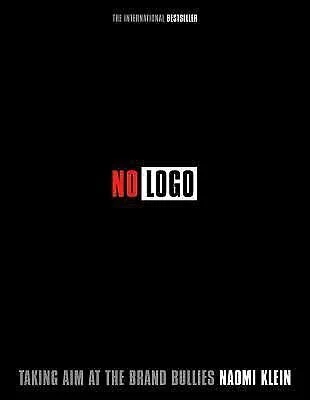
Once upon a time, more than twenty-five years ago, the Canadian author Naomi Klein enjoyed a few years of progressive coffee table fame with the 1999 publication of her book No Logo. The book was an overlong, i.e., more than 450 pages, lambast at various tenacles of capitalism, all of which she declared invasive and oppressive, but also vapid and tiresome.
For those of us who remember those halcyon times when the 9/11 terrorist attacks had yet to detonate our national sense of security, and it seemed as if an upstart like Ralph Nader might topple the neoliberal order built by a then-president exhausted by scandal, Klein played social critic well. She certainly earned more than her fair share of media time, seemingly drawing back the curtain on how multinational corporations infect the human conscience and spread marketing propaganda to sell their products.
For generations of westerners who had already spent decades growing up in the shadow of television commercials, this was hardly a revelation. But it was Klein’s way of pulling a quick marketing trick out of her own hat by repackaging a tenet Karl Marx articulated more than a century ago. The wonder of capitalism, Marx wrote, was that it produced an abundance of products, along with the markets to serve them, for things we never knew we wanted, even as it deprived us of our deepest, most crucial needs. Klein merely latched onto capitalism’s modern-day banner, the ever-present corporate logo.
In the wake of the traveling salesman’s long, slow death, a corporate logo is a company’s friendly face for whatever it wants to sell. Whenever I see one, which is to say daily if not hourly, I am reminded that I can also look away to cut its sales pitch short. But really, should we not be grateful that companies care enough to hire skilled graphic designers educated in the ways of soft-selling via design and color, and not the bark of street hawkers? The most famous of logos also have wonderful, even incredible, backstories.
We all have something to sell. Our age of cultivating our personal “brand” proves that while Klein had her moment of glory, she lost every battle. No Logo is basically a text artifact, a memento of the small but facile rebellions that surfaced here and there, along with the “Occupy” protests of the early 2010s, before being crushed under the weight of Trumpist populism.
A person could scratch their head all day in search of a rational explanation for the hyperbolic backlash to Cracker Barrel’s recent redesign of its corporate logo. There is none. But what it demonstrates beyond doubt is that corporate logos have grown in power to instill not just brand loyalty, but also tribal identity.
Uncle Herschel, reclining in his porch chair and clad in overalls, his elbow bestride the very barrel of the restaurant chain’s namesake, meant the world to weary highway travelers anticipating a meal of fried chicken and their favorite “Country Sides.” Who knew? Certainly, the bean counters at the Lebanon, Tennessee-based restaurant chain know now, having lost almost $100 million in share value since the unveiling of a new logo that repulsed their customer base.
Scottish clans marked their members by the pattern and color of tartan. On continental Europe, a coat of arms was once emblematic of family ties. Storefront signs hint at the merchandise and ethos of the business behind. It is beyond naïve and bordering on lunacy to expect corporations to go faceless, or as Klein might still to this day insist, No Logo, just as it is pointless to understand the precise appeal of a middle-aged man wearing overalls. The corporate logo exists to sell. It is art we either spurn or knowingly glance at before we buy.