William J. Maxwell is a professor of English and African and African American Studies at Washington University in St. Louis, where he has taught modern American and African American literatures since 2009. He is the author of the books F.B. Eyes: How J. Edgar Hoover’s Ghostreaders Framed African American Literature (2015), which won an American Book Award, and New Negro, Old Left: African American Writing and Communism Between the Wars (1999). He is the editor of the collection James Baldwin: The FBI File (2017) and of Claude McKay’s Complete Poems (2004). His essays and reviews have appeared in academic and popular journals including African American Review, The American Historical Review, American Literary History, American Literature, Callaloo, Harper’s, The Irish Times, The Journal of American History, Modernism/Modernity, Politico, Publishers Weekly, Salon, and the London Times Literary Supplement.
By William J. Maxwell
By
William J. Maxwell
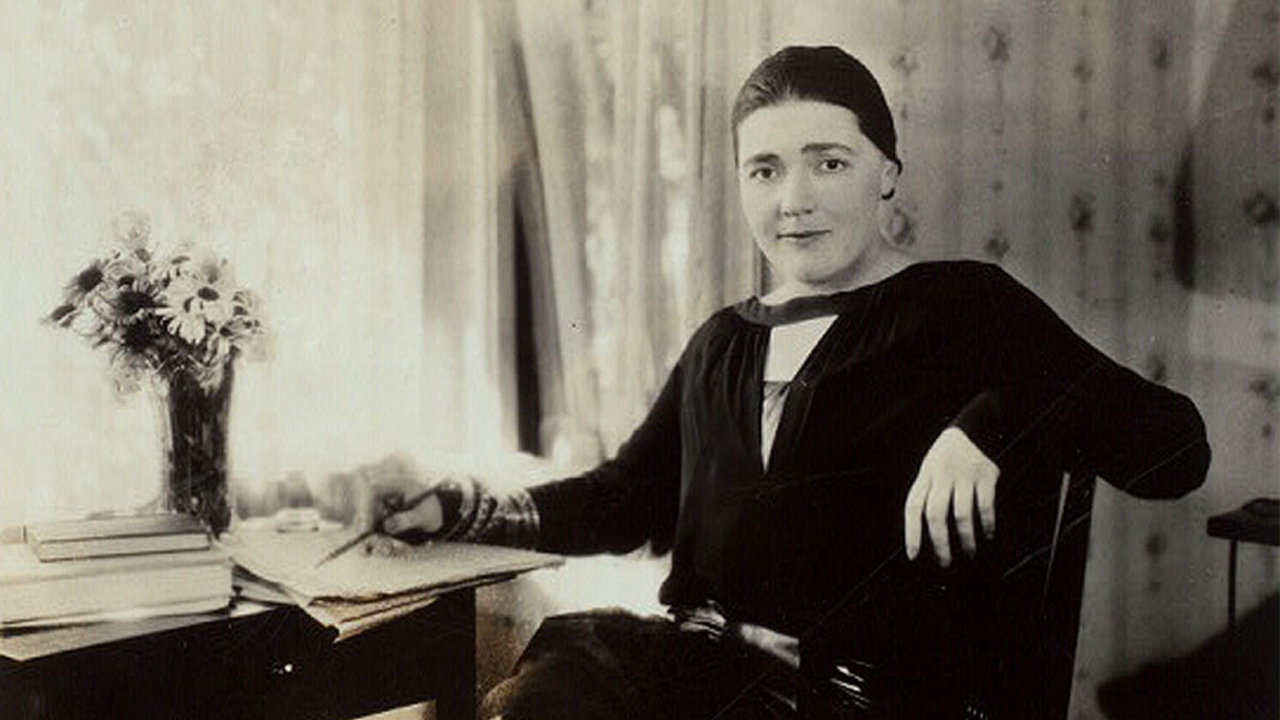
From one angle, at our hundred-year distance, Hurst’s schmaltzy naturalism makes her a kind of art monster in reverse: not a great avant-gardist with noxious politics and a track record of abuse, but a respectably woke voice, responsibly raised for some of the right intersectional causes, with an unforgivably corny style. From another, equally telling angle, however, Hurst’s work nowadays looks like some of the most cannily effective proletarian literature ever produced in the United States.
By
William J. Maxwell
In honor of Claude McKay’s birthday, here are two rarely republished sonnets from his 1922 collection "Harlem Shadows," the Harlem Renaissance’s earliest book of poetry.

By
William J. Maxwell
Thanks to brand-new ancestors, St. Louis time has been reset and, for the moment, along this part of the river, restored.
By
William J. Maxwell
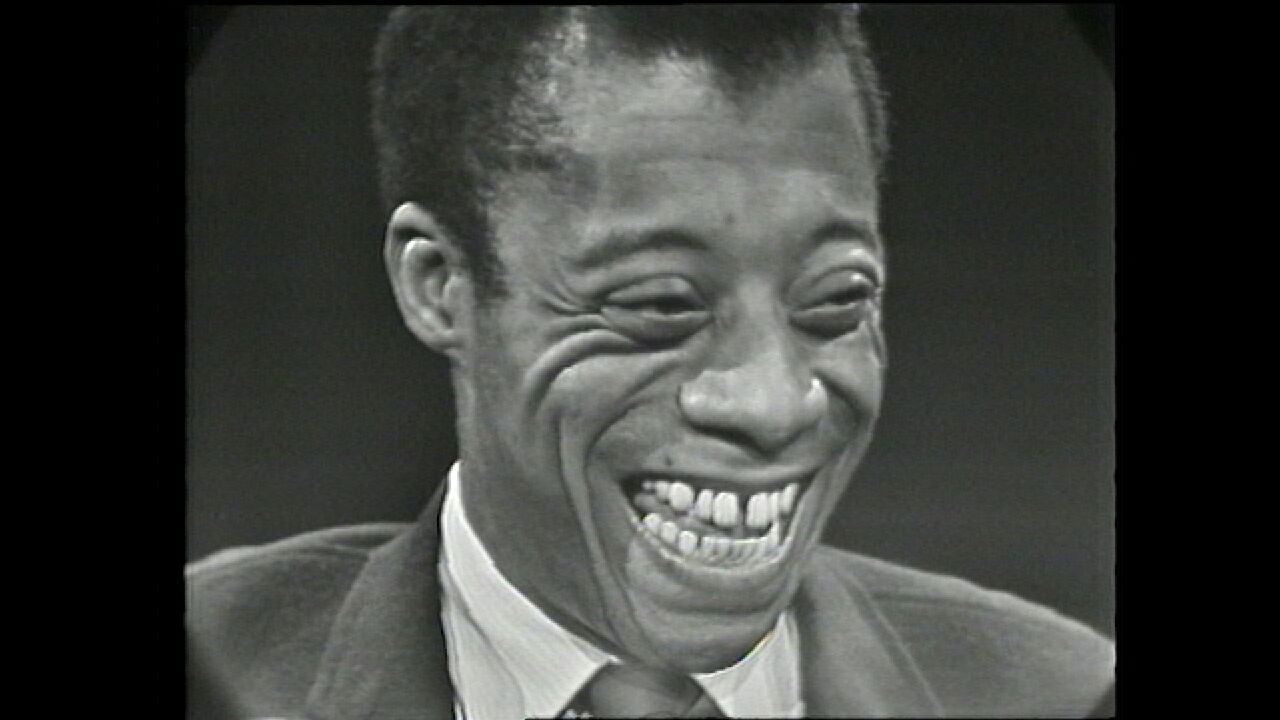
Never better read or better loved—you can now buy votive candles bearing Baldwin’s image at your local indie bookstore—he has also never been a harder story to pass on.
By
William J. Maxwell
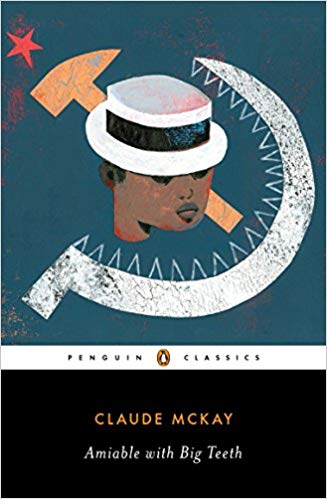
The most extraordinary thing about Amiable is that it was ever rescued from hiding. As the novel’s scrupulous and publicity-savvy editors suggest, “the discovery of an unpublished and previously unknown manuscript by a major modern writer is a rare occurrence.”