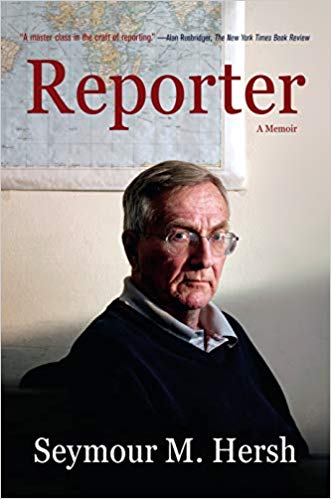
The Indefatigable Reporter As American Hero
Journalism has changed in this internet age, and Hersh is here to tell how it used to be. One cannot help but think today’s world of instant information may not be an improvement for democracy.
Wendy Love Anderson is academic coordinator at Washington University in St. Louis’ Center for The Humanities. Anderson holds a PhD in the history of Christianity from the University of Chicago. Her primary research involves medieval Christianity and Jewish-Christian relations. Anderson’s first book, The Discernment of Spirits: Assessing Visions and Visionaries in the Late Middle Ages, was published in 2011.
Journalism has changed in this internet age, and Hersh is here to tell how it used to be. One cannot help but think today’s world of instant information may not be an improvement for democracy.
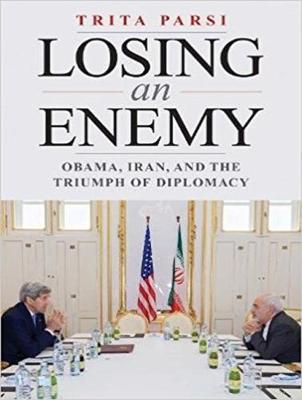
Though clearly in favor of the 2015 agreement that limited Iran’s ability to develop a nuclear weapons capability in return for lifting sanctions, the strength of Parsi's account is in its ability to speak to many of the players.

If money is a problem for Christians, both Francis of Assisi and Pope Francis and suggest, the solution is to keep it problematic for Christians and not for anyone else. The Christian community Pope Francis hopes to inspire has—at least figuratively—nobody holding the money bag.
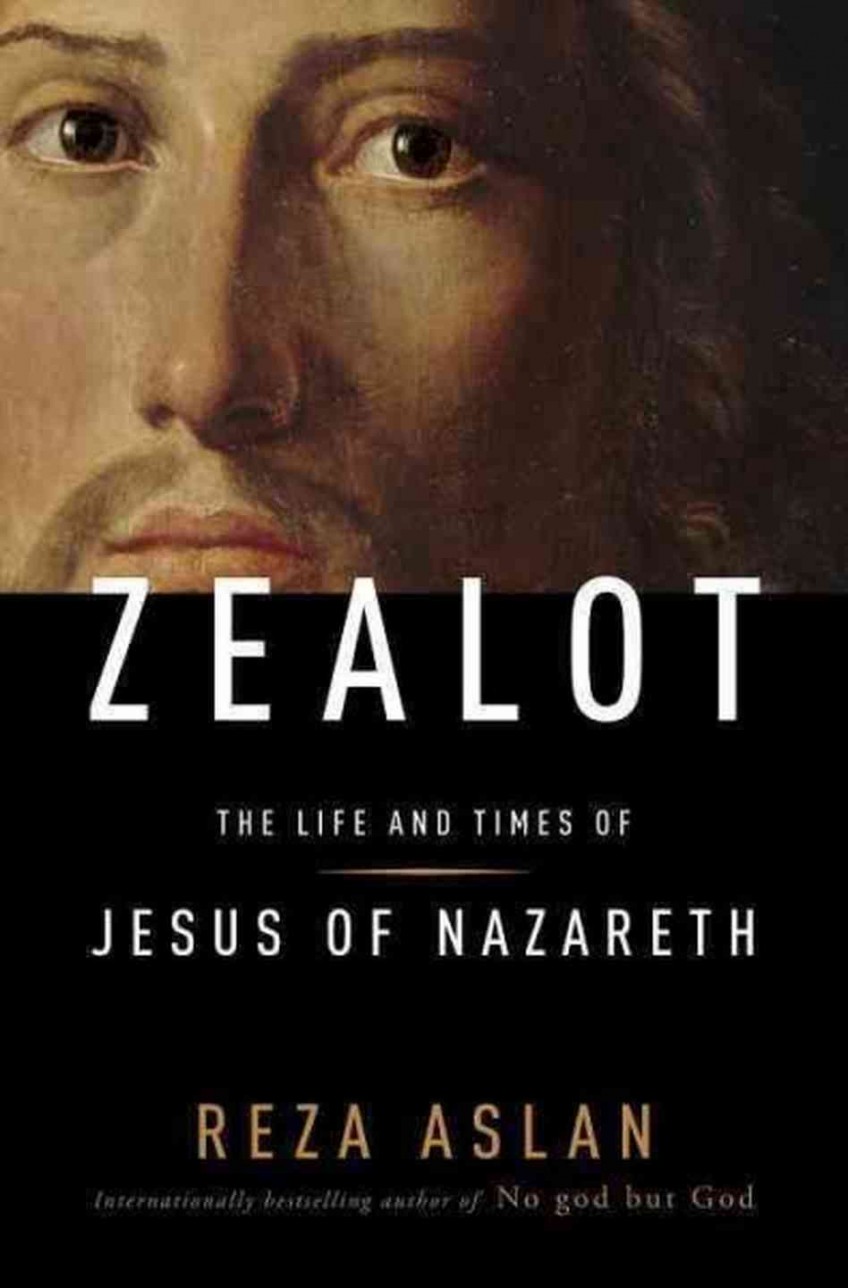
For some readers, this may be a new and exciting–even revolutionary!–perspective on the historical Jesus. Aslan certainly hopes so: he describes Zealot as the culmination of “two decades of rigorous academic research into the origins of Christianity.” For scholars, however, Aslan’s research is neither novel nor especially rigorous. It is clear that Aslan has indeed been fascinated by the historical Jesus since his teenage years, but he is not an academic specialist in the New Testament or in early Christianity, and he does himself a disservice by portraying himself as one.